Many people wonder about the Air fryer acrylamide levels vs deep frying health study. It can seem tricky to figure out if air frying is truly healthier. This common question pops up when folks want to make better food choices.
Don’t worry, we’ll make it simple to see the differences. We will guide you through the facts so you can choose wisely for your meals. Let’s get started on figuring out how air frying compares to deep frying for your health.

Key Takeaways
- Air frying generally produces lower levels of acrylamide compared to deep frying.
- Acrylamide forms when starchy foods are cooked at high temperatures.
- Cooking methods and time play a big role in acrylamide formation.
- Both air frying and deep frying can be part of a healthy diet when consumed in moderation.
- Understanding how food is cooked helps in making healthier choices.
- Research continues to explore the long-term health impacts of acrylamide.
Air Fryer Acrylamide Levels vs Deep Frying Health Study Explained
This section looks at why people ask about Air fryer acrylamide levels vs deep frying health study. It’s a popular topic because many want to enjoy fried foods without the usual health worries. Deep frying involves submerging food in hot oil.
This method can lead to higher levels of acrylamide forming in certain foods. Air frying, on the other hand, uses hot air to cook food. This difference in cooking style leads to questions about which is better for us.
What is Acrylamide?
Acrylamide is a chemical compound. It can form when starchy foods are cooked at high temperatures. This happens during processes like frying, baking, and roasting.
Foods like potatoes, bread, and coffee can contain acrylamide. Studies suggest that high levels of acrylamide might be harmful. This is why people are interested in how cooking methods affect its presence in their food.
The way food is prepared makes a big difference. For example, cooking potatoes at very high heat for a long time can create more acrylamide. This is true for both air frying and deep frying.
However, the amount formed can vary greatly. Scientists are studying these differences to understand the health risks better.
How Acrylamide Forms
Acrylamide forms through a chemical reaction called the Maillard reaction. This reaction happens between amino acids and reducing sugars in food. It’s the same reaction that gives fried and baked goods their brown color and tasty flavor.
The higher the temperature and the longer the cooking time, the more acrylamide can be produced. This is a key reason why the Air fryer acrylamide levels vs deep frying health study is so important.
Certain foods are more prone to forming acrylamide. These are typically foods that are high in starch and contain natural sugars. Potatoes are a prime example.
When you cut potatoes and cook them, the heat triggers the Maillard reaction, leading to acrylamide.
Health Concerns Related to Acrylamide
Research has linked high exposure to acrylamide with potential health risks. Animal studies have shown that acrylamide can cause cancer. However, the evidence in humans is not as clear.
Many health organizations advise people to reduce their intake of acrylamide where possible. This advice often focuses on limiting consumption of heavily fried or baked starchy foods.
The concern is that over time, consuming foods with high levels of acrylamide could increase health risks. This is why understanding cooking methods and their impact is so valuable for making informed food choices. The ongoing research into Air fryer acrylamide levels vs deep frying health study aims to provide more clarity on these risks.
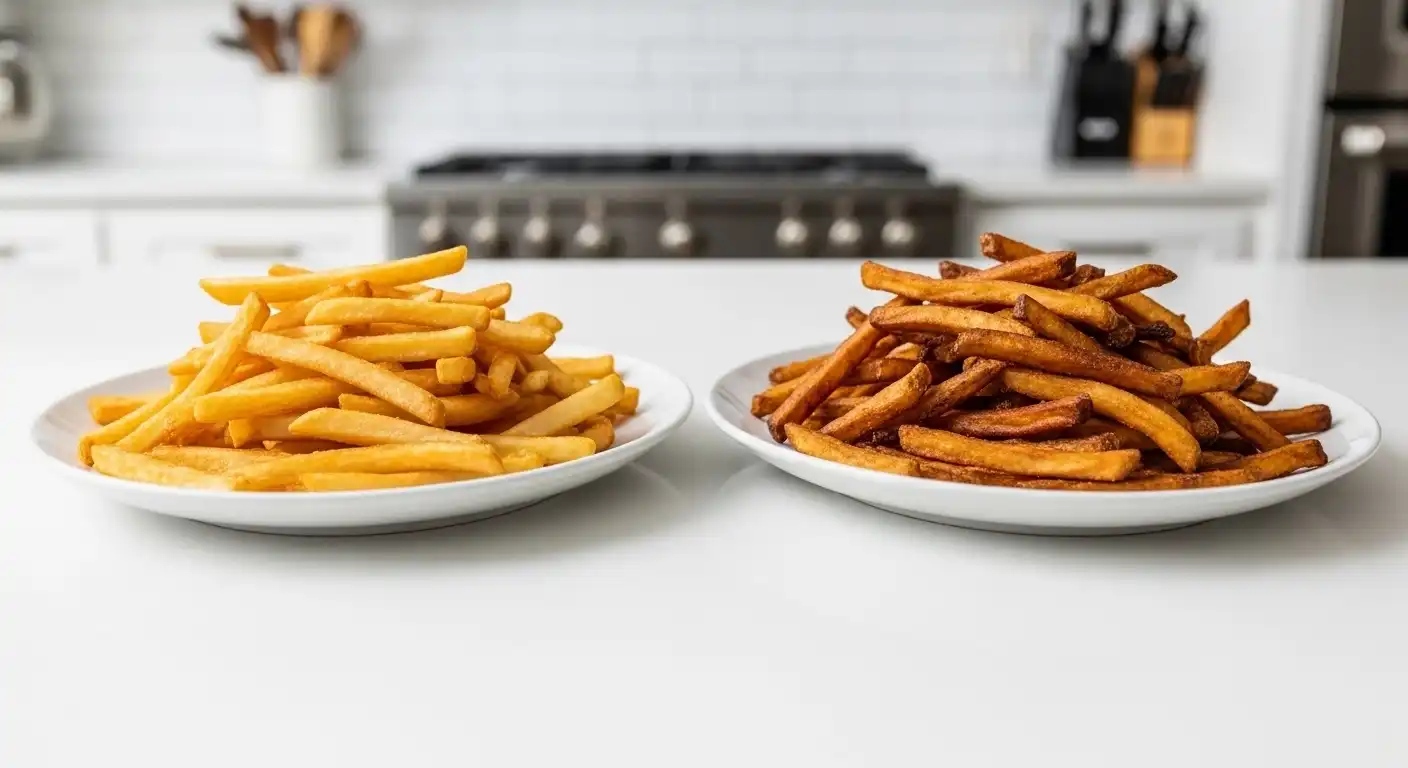
Comparing Acrylamide Levels Air Frying vs Deep Frying
This section directly compares the findings of the Air fryer acrylamide levels vs deep frying health study. The main finding is that air frying generally results in lower acrylamide levels than deep frying. This is because air frying uses less oil and cooks food more quickly.
The food is not fully submerged in hot oil, which changes how the chemical reaction happens.
Several studies have measured acrylamide in foods cooked by both methods. They consistently show that air-fried foods have less of this compound. This makes air frying a more appealing option for those concerned about acrylamide intake.
Scientific Studies on Acrylamide Levels
Many scientific studies have looked at the Air fryer acrylamide levels vs deep frying health study. These studies often involve cooking the same foods, like french fries or potato wedges, using both methods. They then measure the amount of acrylamide present.
The results are usually quite striking. For instance, a common finding is that french fries made in an air fryer can have 50% to 75% less acrylamide than those made in a deep fryer.
These findings are based on standardized cooking procedures. This means the tests are conducted under controlled conditions to ensure fairness. The aim is to provide reliable data that people can use to make healthy choices.
Example Study Findings
One well-known study found that when potatoes were cooked at 200°C (392°F) for 15 minutes:
- Deep-fried fries contained significantly higher levels of acrylamide.
- Air-fried fries had considerably lower levels.
This difference is attributed to the way heat is applied. Deep frying uses direct contact with hot oil, leading to rapid surface heating. Air frying circulates hot air, resulting in a more even and generally less intense cooking process on the surface where acrylamide forms.
Factors Affecting Acrylamide Formation
It’s important to know that not all foods cooked in an air fryer will have zero acrylamide. Several factors influence how much forms:
- Food Type: Foods high in starch and reducing sugars are more likely to form acrylamide.
- Cooking Temperature: Higher temperatures lead to more acrylamide.
- Cooking Time: Longer cooking times also increase acrylamide levels.
- Food Surface Moisture: Drier surfaces can lead to more acrylamide formation.
- Pre-treatment of Food: Rinsing or soaking potatoes before cooking can reduce sugars, thus lowering acrylamide.
These factors apply to both air frying and deep frying. So, even with an air fryer, being mindful of these details can help minimize acrylamide.
Health Implications and Recommendations
Understanding the Air fryer acrylamide levels vs deep frying health study helps us make better decisions for our health. While air frying offers a way to reduce acrylamide, it doesn’t make foods calorie-free or inherently “healthy” if they are otherwise high in fat or sugar. The overall diet matters most.
Current advice from health authorities is to aim for a balanced diet. This includes plenty of fruits, vegetables, and whole grains. It also means limiting foods that are high in unhealthy fats, sugar, and salt.
Reducing consumption of foods with high acrylamide content is part of this broader strategy.
Dietary Recommendations
Health experts suggest a few simple tips:
- Vary Your Cooking Methods: Don’t always rely on frying. Try steaming, boiling, baking, or grilling.
- Cook Foods to a Golden Yellow Color: Avoid cooking starchy foods until they are dark brown or burnt. This applies to both air frying and baking.
- Soak or Rinse Potatoes: If you’re making fries or potato chips, soaking cut potatoes in water for 15-30 minutes before cooking can help wash away some sugars that form acrylamide.
- Eat a Balanced Diet: Focus on a diet rich in whole foods. This naturally helps to lower overall exposure to potentially harmful compounds.
These recommendations are practical and easy to follow for most people. They offer a way to enjoy a variety of foods while being mindful of health.
The Role of Moderation
It’s crucial to remember that moderation is key. Enjoying a meal cooked in a deep fryer once in a while is unlikely to cause harm. The concern arises from frequent consumption of high-acrylamide foods.
The Air fryer acrylamide levels vs deep frying health study shows air frying as a better choice for reducing acrylamide, but it’s still a cooking method, not a magic health solution.
Think of it this way: if you eat a lot of deep-fried foods, switching to air-fried versions can be a good step. However, if your diet is already healthy and balanced, the impact might be less significant. The goal is to make small, sustainable changes that contribute to long-term well-being.
Future Research Directions
Scientists are continuing to investigate acrylamide. They are looking for even better ways to reduce its formation during cooking. They also study its long-term effects on human health more closely.
The findings from the Air fryer acrylamide levels vs deep frying health study are a part of this larger effort to ensure food safety and promote public health.
As new information becomes available, dietary guidelines might evolve. For now, the current advice is sound. Focusing on a varied diet and mindful cooking practices remains the best approach.
The technology of air fryers has certainly helped many people enjoy familiar foods with less worry.
Air Fryer vs Deep Fryer Acrylamide Table
This table provides a quick look at typical acrylamide levels based on the Air fryer acrylamide levels vs deep frying health study. It shows a general comparison for common foods. Please note that exact levels can vary greatly depending on specific cooking times, temperatures, and food types.
| Food Item | Typical Acrylamide Level (Air Fryer) | Typical Acrylamide Level (Deep Fryer) | Notes |
|---|---|---|---|
| French Fries | Lower | Higher | Air frying can reduce levels by up to 75%. |
| Potato Wedges | Lower | Higher | Similar to french fries, significant reduction is possible. |
| Roasted Potatoes | Variable | Variable | Roasting in an oven can also produce acrylamide, depending on temperature and time. Air frying is often a comparable method. |
| Breaded Chicken Tenders | Lower | Higher | Less oil absorption in air fryers leads to lower levels. |
This comparison highlights why the Air fryer acrylamide levels vs deep frying health study is important for everyday cooking choices.
Frequently Asked Questions
Question: Does air frying completely eliminate acrylamide?
Answer: No, air frying does not completely eliminate acrylamide. It significantly reduces the levels compared to deep frying, but some acrylamide can still form, especially when cooking starchy foods at high temperatures.
Question: Are air fryers healthy to use?
Answer: Air fryers are generally considered a healthier alternative to deep frying because they use less oil and produce lower levels of acrylamide. However, the overall healthiness of your meal still depends on the ingredients you use and your diet as a whole.
Question: Which foods have the most acrylamide?
Answer: Foods high in starch and natural sugars that are cooked at high temperatures tend to have the most acrylamide. Common examples include french fries, potato chips, roasted potatoes, and certain baked goods like cookies and toast.
Question: Should I stop eating fried foods altogether?
Answer: It’s not necessary to stop eating fried foods entirely. The key is moderation. Reducing the frequency of eating deep-fried foods and opting for air-fried versions when possible can be beneficial.
Question: How can I further reduce acrylamide when using an air fryer?
Answer: To further reduce acrylamide when air frying, try cooking foods to a golden yellow rather than dark brown. Soaking starchy vegetables like potatoes in water before cooking can also help. Pay attention to cooking times and temperatures.
Final Thoughts
The comparison of Air fryer acrylamide levels vs deep frying health study shows clear benefits for air frying. It significantly lowers acrylamide formation. This makes air frying a smart choice for healthier cooking.
You can enjoy crispy favorites with less concern. Make air frying part of your balanced diet for better results.