Skip to content
Is that yucky smell under your kitchen sink bothering you? You’re not alone! This is a common kitchen problem that can be tricky to solve, especially if you’re new to tackling household chores.
Don’t worry, it’s usually pretty simple to fix. We’ll walk you through easy steps to make that smell disappear for good. Get ready for a fresh-smelling kitchen!
Key Takeaways
- You will learn the common causes of bad smells under the kitchen sink.
- We will show you simple cleaning methods to eliminate odors.
- You’ll discover how to prevent these smells from coming back.
- We will explain what tools and supplies you need.
- You will feel confident in cleaning your kitchen sink area.
Understanding Kitchen Sink Smells
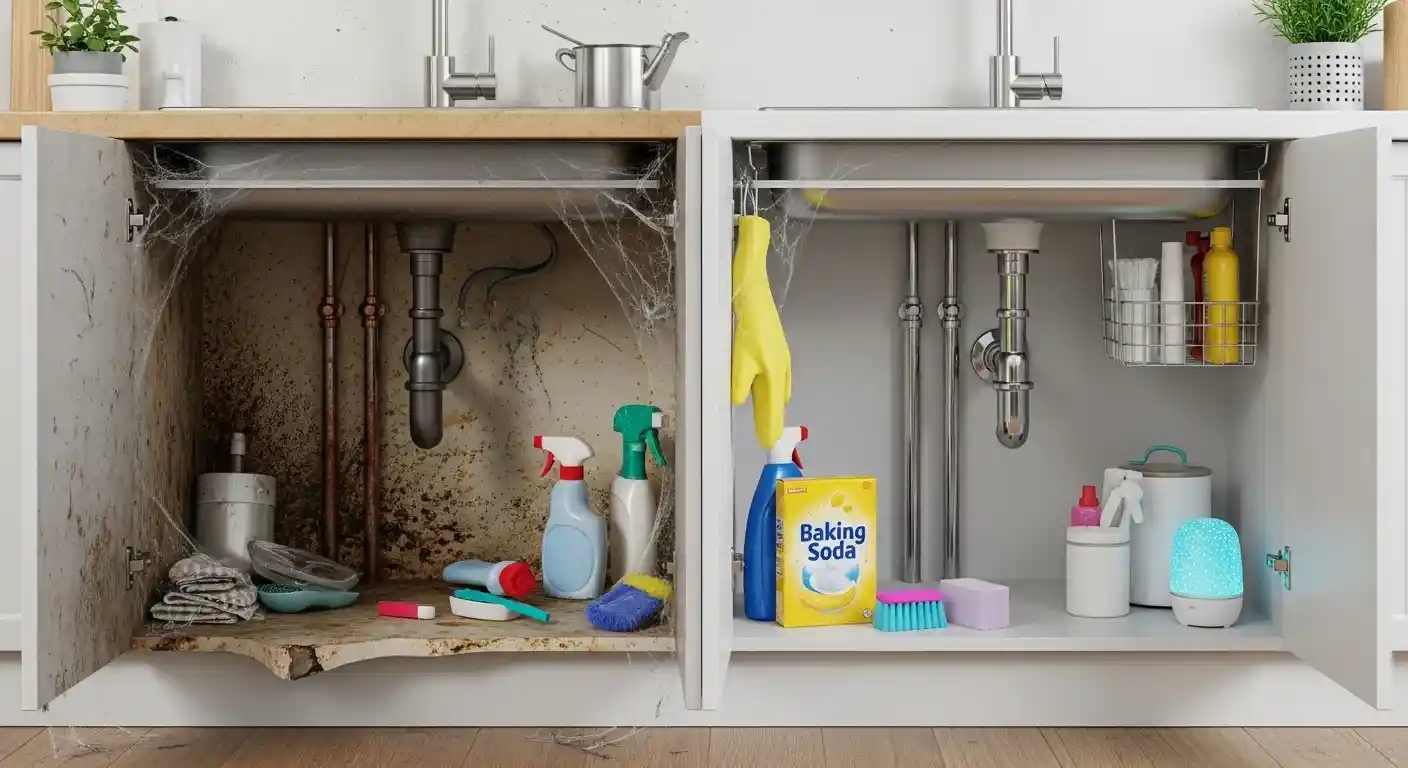
The area under your kitchen sink can become a breeding ground for unpleasant odors. This happens because of several common issues that collect over time. Food particles, grease, and moisture are the main culprits.
These things can get trapped in pipes, garbage disposals, or even in the cabinet itself. Understanding where these smells come from is the first step to getting rid of them.
This section will break down the most frequent causes of that yucky smell. We’ll talk about things like drain clogs and what happens in your garbage disposal. We will also look at moisture buildup and how it contributes to bad odors.
Knowing the source helps us choose the best way to clean and refresh the space.
Food Debris and Grease Buildup
When you wash dishes, small bits of food and greasy residue often go down the drain. These particles don’t always get fully washed away. Instead, they can stick to the inside of your drain pipes.
Over time, this buildup becomes a perfect spot for bacteria to grow. Bacteria feed on this organic matter and release smelly gases. It’s like a tiny, smelly party happening right under your sink.
The grease is especially problematic. It’s sticky and tends to trap other debris. This creates a thicker layer that becomes harder to remove with just water.
This is why regular cleaning and maintenance are so important for your kitchen plumbing. Ignoring it means the smell will only get worse.
Garbage Disposal Issues
Your garbage disposal is designed to break down food waste, but it’s not invincible. If you put certain things down it, like fibrous vegetables, coffee grounds, or eggshells, they can get stuck. These trapped items can start to rot and create a very foul odor.
Even if the disposal seems to be working, there might be a hidden gunk buildup inside.
The grinding chamber and the blades can also harbor food particles. These can become sticky and hard to reach. When water runs through the disposal, it can agitate these old food bits, releasing their unpleasant smells.
This is a major reason why many homes experience bad smells from their kitchen sink area.
Moisture and Mold Growth
Kitchen sinks deal with a lot of water. Leaks from pipes, condensation from the pipes, or even just damp cleaning rags can create a humid environment. This constant moisture is a dream for mold and mildew.
These fungi thrive in dark, damp places like the cabinet under your sink.
Mold and mildew don’t just look bad; they can smell really unpleasant. This smell is often described as musty or earthy. If you notice a damp, mildewy odor, it’s likely that mold has started to grow somewhere.
This is especially true if the cabinet floor or walls show signs of water damage or discoloration. You’ll want to address this promptly to prevent further growth and health concerns.
The Role of P-Traps and Vent Pipes
The P-trap is the U-shaped pipe under your sink. Its main job is to hold a small amount of water. This water creates a seal that stops sewer gases from coming up into your home.
If the P-trap dries out, or if there’s a clog in it, those smelly gases can escape. That’s why a dry P-trap can instantly cause bad odors.
Vent pipes connect your plumbing system to the outside air. They help release pressure and allow water to flow smoothly down the drains. If a vent pipe gets blocked with leaves or debris, it can cause slow drains and also allow sewer smells to enter your house.
These are less common causes but can contribute to persistent bad odors.
Effective Cleaning Methods
Now that we know what causes the stink, let’s talk about how to clean it up. There are several simple and effective methods you can use. These range from using natural household items to specific cleaning products.
The goal is to remove the source of the smell and leave your sink area fresh.
We will go through step-by-step instructions for each method. You’ll learn how to tackle grease, food debris, and even potential mold. These cleaning tips are designed to be easy for anyone to follow.
You’ll likely already have most of the supplies you need at home.
Using Baking Soda and Vinegar
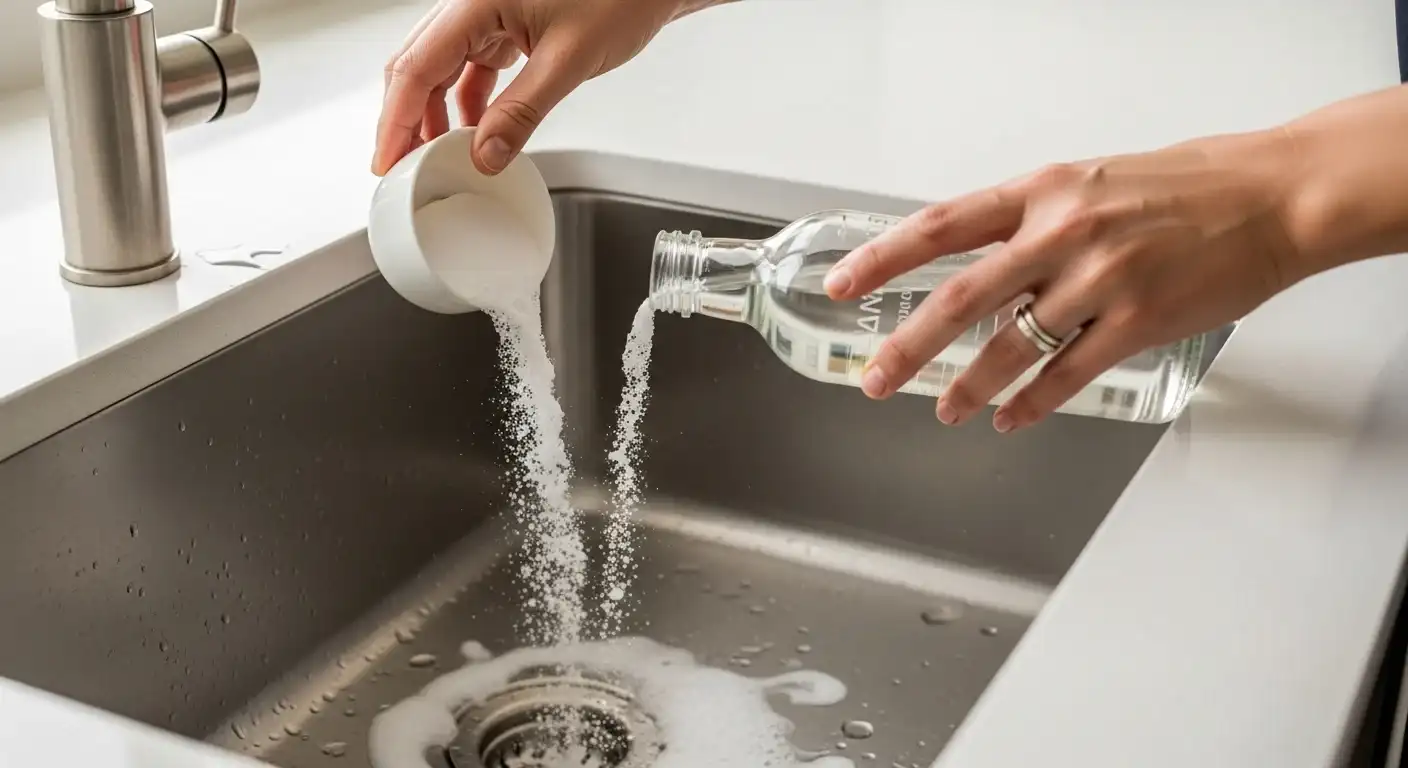
Baking soda and vinegar are a dynamic duo for cleaning and deodorizing. They are natural, safe, and very effective against odors. First, pour about half a cup of baking soda down the drain.
Let it sit for a few minutes. Then, pour about half a cup of white vinegar down the drain.
You’ll see a fizzing reaction. This fizzing helps to break down grease and gunk. Let this mixture work for about 15-30 minutes.
After that, flush the drain with hot water. This combination is great for cleaning pipes and killing odor-causing bacteria. It’s a gentle yet powerful way to freshen your drains.
Boiling Water Flush
A simple boiling water flush can do wonders. This is especially helpful for melting away grease that might be coating your pipes. Boil a kettle or a large pot of water.
Carefully pour the hot water slowly down the drain. Do this in stages, allowing the hot water to work its magic.
This method helps to dislodge softened grease and flush away lingering food particles. It’s a good follow-up step after using baking soda and vinegar. Be careful when handling boiling water to avoid burns.
Repeating this once a week can help prevent grease buildup from becoming a problem.
Cleaning the Garbage Disposal
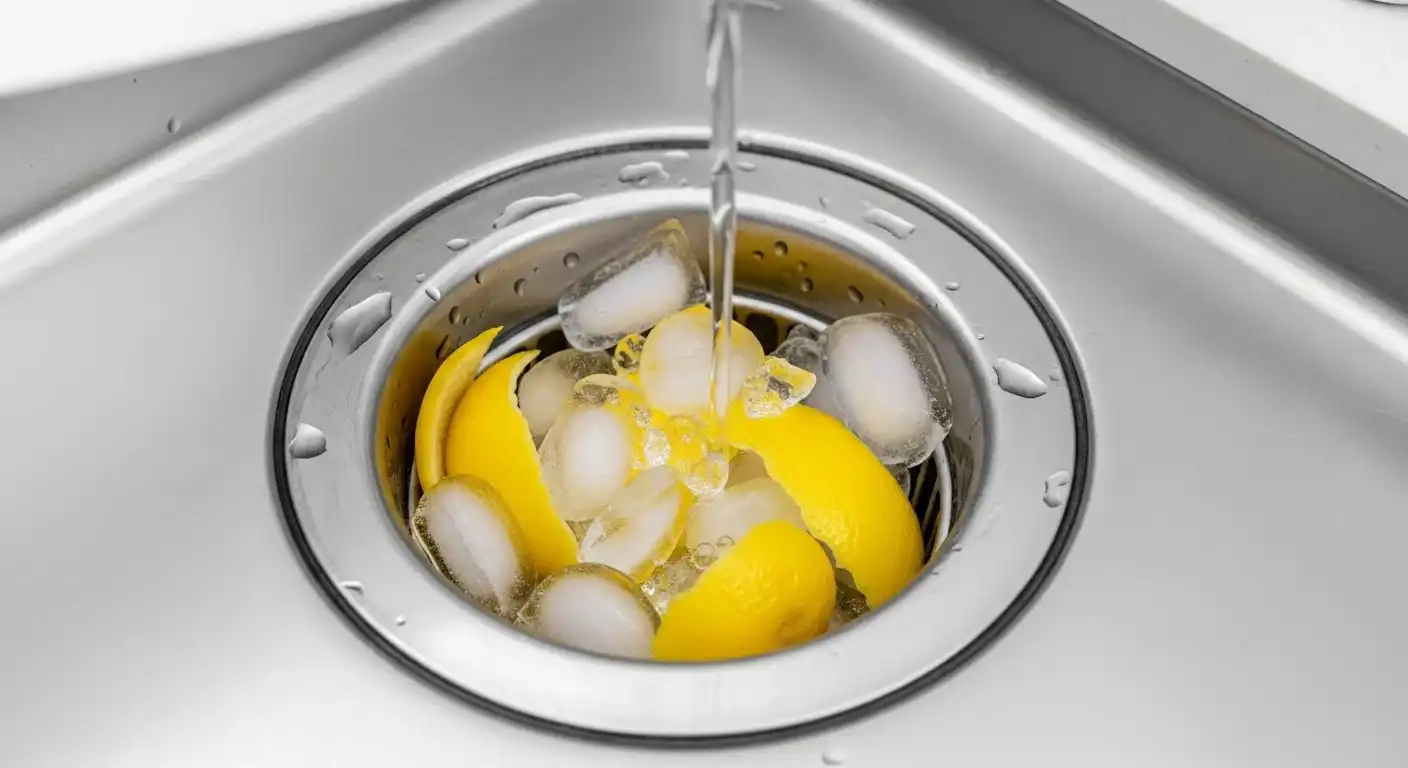
To tackle odors from your garbage disposal, you can use a few methods. First, make sure the disposal is off and unplugged for safety. Pour a cup of ice cubes down the disposal.
Add about half a cup of coarse salt. Turn the disposal on for a minute or two. The ice and salt act as an abrasive to scrub the inside of the disposal chamber.
Next, you can use citrus peels like lemon or orange. Grind these up in the disposal. This will help to leave a fresh scent.
You can also use a small amount of dish soap with the citrus peels. After grinding, flush with cold water. Regular cleaning keeps the disposal from becoming a smelly spot.
Natural Deodorizers for the Cabinet
Once the drains are clean, you’ll want to address any lingering smells in the cabinet itself. Place an open box of baking soda in the cabinet. Baking soda is a natural odor absorber and will soak up any remaining smells.
You can also use activated charcoal pouches, which are very effective at trapping odors.
Another great option is to place a bowl of coffee grounds. Used coffee grounds, dried out, can also absorb smells. Simply place them in a shallow dish.
Let these natural deodorizers work for a few days. They will help keep the area smelling fresh. Ensure the cabinet is dry before placing these items inside.
Using Commercial Cleaning Products
If natural methods aren’t enough, or you want a quicker solution, commercial drain cleaners can be used. Look for enzyme-based cleaners. These cleaners use enzymes to break down organic matter like food and grease.
They are generally safer for pipes than harsh chemical cleaners. Follow the product instructions carefully.
There are also special kitchen sink deodorizing tablets. These are easy to use. You just drop them down the drain, and they work over time to clean and freshen the pipes.
For tougher mold or mildew issues in the cabinet, you might need a mold and mildew cleaner. Always ensure good ventilation when using any commercial product.
Preventing Future Smells
Getting rid of the smell is great, but preventing it from coming back is even better. A few simple habits can keep your kitchen sink area smelling fresh all the time. This involves mindful use of your drains and regular, simple maintenance.
We’ll share some easy tips to incorporate into your daily and weekly routines. These are practical steps that don’t take much time but make a big difference in keeping your kitchen pleasant and odor-free.
Proper Waste Disposal Habits
Be mindful of what goes down your kitchen sink. Avoid pouring grease, oil, or fatty liquids down the drain. These will solidify and cause clogs.
Instead, collect them in a container and dispose of them in the trash. Scrape food scraps from plates into the trash or compost bin before rinsing them in the sink.
Fibrous foods like celery, corn husks, and onion skins can easily clog garbage disposals. It’s often best to throw these in the trash. Even small amounts of coffee grounds can build up over time.
By being careful about what you rinse away, you reduce the amount of material that can decompose and smell under your sink.
Regular Drain Flushing
Make it a habit to flush your drains with hot water regularly. Once a week, boil a pot of water and slowly pour it down the drain. This helps to melt away any accumulated grease or soap scum.
It’s a quick and easy way to keep your pipes clear and prevent buildup.
You can also do this after cleaning your kitchen, especially if you’ve done a lot of cooking that involved grease. A daily quick rinse with hot water can also be beneficial. This simple action helps to keep everything moving smoothly and prevents odors from taking hold.
Using Baking Soda and Vinegar Regularly
Incorporate the baking soda and vinegar cleaning method into your routine once a month. This natural cleaning process helps to break down any emerging gunk and neutralize odors before they become a problem. It’s a preventative measure that keeps your drains clean and fresh.
Pouring baking soda down, followed by vinegar, and then flushing with hot water takes only a few minutes. Doing this regularly means you won’t have to deal with strong, unpleasant smells later on. It’s a fantastic way to maintain a healthy plumbing system.
Keeping the Cabinet Dry
Regularly check under the sink for any signs of leaks. Even small drips can lead to moisture buildup and mold. If you find a leak, fix it promptly.
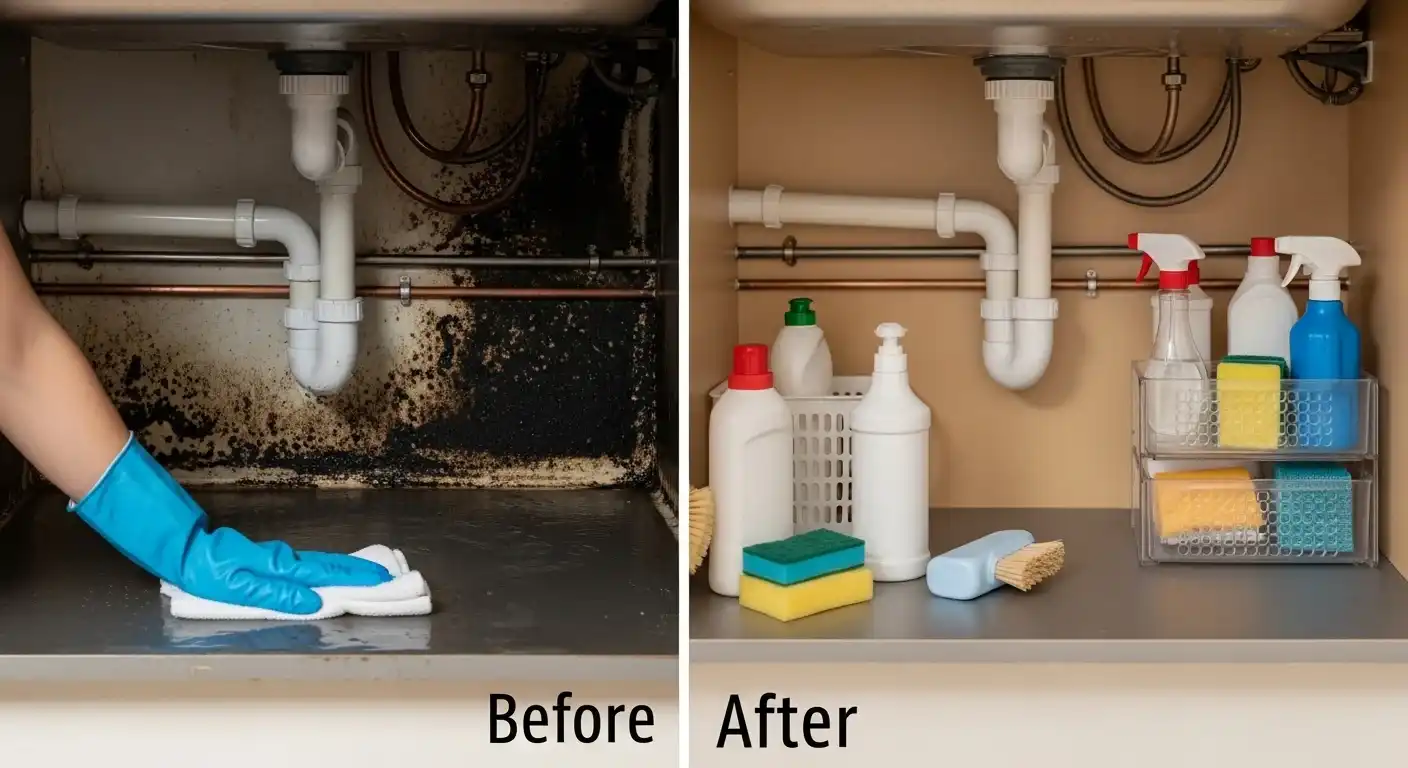
After cleaning the sink area, dry the cabinet floor and walls with a cloth. This helps prevent dampness that encourages mold and mildew growth.
If you live in a humid climate, consider placing a small dehumidifier or moisture absorber packet in the cabinet. This helps to keep the air dry and less hospitable to mold. Keeping this space dry is key to preventing musty smells.
Using Drain Covers and Filters
Install drain covers or strainers in your sink. These catch larger food particles and debris, preventing them from going down the drain and causing clogs. They are easy to clean; just remove the collected debris and rinse the strainer.
This simple tool acts as a first line of defense against sink blockages.
These filters are readily available and inexpensive. They can significantly reduce the amount of gunk that reaches your pipes and garbage disposal. Cleaning out the strainer regularly is a small chore that prevents bigger odor issues.
Tools and Supplies You Might Need
To effectively tackle that kitchen sink smell, having the right tools makes the job easier. Most of these are common household items, so you might already have them on hand. Gathering these before you start will save you time and effort.
Here’s a list of things that will help you clean and deodorize your kitchen sink area. We’ll also mention some optional items for tougher jobs or extra freshness. Having these ready means you can start cleaning right away.
Essential Cleaning Supplies
You’ll definitely need baking soda and white vinegar. These are your go-to natural cleaners and deodorizers. Have a box of baking soda and a bottle of white vinegar handy.
Hot water is also a key component. You’ll need access to your tap or a way to boil water. Rubber gloves are a good idea to protect your hands.
Old rags or paper towels will be useful for drying and wiping surfaces.
Optional but Helpful Items
For cleaning the garbage disposal, a scrub brush or an old toothbrush can be helpful for reaching tight spots. Citrus peels, like lemon or orange, add a nice fresh scent after cleaning.
If you suspect mold or mildew, you might want a specific mold cleaner. For persistent odors in the cabinet, activated charcoal pouches are very effective. A small container for collecting grease is also useful.
For Deeper Cleaning
If you decide to use commercial drain cleaners, follow the product instructions precisely. Enzyme-based cleaners are a good choice. For very stubborn clogs or odors, a plumber’s snake might be needed, but usually, these simpler methods are sufficient.
A flashlight can be useful for inspecting the dark cabinet area for leaks or mold. Make sure you have good lighting to see what you’re doing.
Case Study: A Restaurant Kitchen’s Sink Woes
A busy cafe struggled with constant foul odors from their main prep sink. Food waste and grease were frequently poured down the drain. They tried various harsh chemical cleaners, which only offered temporary relief and damaged their pipes.
They switched to a strict protocol using enzyme-based drain cleaners weekly and educating staff on proper waste disposal. They also implemented a daily hot water flush. This combination eliminated the persistent odors and improved the overall hygiene of the kitchen.
The cost of enzyme cleaners was less than the repair costs from harsh chemicals.
Case Study: Homeowner’s Guide to Sink Freshness
A homeowner, tired of the general “kitchen smell” under her sink, decided to take action. She followed a step-by-step guide that included cleaning her disposal with ice and salt, then baking soda and vinegar for the drains. She also dried out the cabinet and placed a bowl of coffee grounds inside.
Within days, the difference was noticeable. The cabinet no longer held onto smells, and the drain area was fresh. She continued this routine monthly, and the problem never returned.
This showed that consistent, simple methods work best for homes.
Frequently Asked Questions
Question: How often should I clean my kitchen sink drain to prevent smells?
Answer: It’s a good idea to flush your drain with hot water at least once a week. Using the baking soda and vinegar method once a month will help keep it extra fresh and prevent buildup.
Question: Can I use bleach to clean under the kitchen sink?
Answer: While bleach can kill some bacteria, it’s not ideal for drain cleaning and can be harsh on plumbing. Natural methods like baking soda and vinegar are safer and more effective for odor removal.
Question: What if the smell is very strong and doesn’t go away?
Answer: If the smell is extremely strong or persists after trying these methods, there might be a more serious issue like a clogged vent pipe or a problem with your main sewer line. In such cases, it’s best to call a plumber.
Question: How can I make the area under my sink smell good after cleaning?
Answer: After cleaning, you can place an open box of baking soda, a bowl of dried coffee grounds, or activated charcoal pouches in the cabinet to absorb any lingering odors and keep the area fresh.
Question: Is it safe to put citrus peels down the garbage disposal?
Answer: Yes, citrus peels like lemon, lime, or orange can help freshen your garbage disposal and pipes. Just grind them up after your usual disposal use, and then flush with cold water.
Summary
Tackling bad smells under your kitchen sink is a straightforward process. By understanding common causes like food debris, grease, and moisture, you can effectively clean and deodorize the area. Simple methods using baking soda, vinegar, and hot water, along with proper garbage disposal care, work wonders.
Regular maintenance, mindful waste disposal, and keeping the cabinet dry are key to preventing these odors from returning. You now have a clear plan to enjoy a fresh-smelling kitchen.