Making green juice at home has become a popular health trend worldwide. People want a simple way to get more vitamins, minerals, and antioxidants into their daily routine. The good news? You don’t need a fancy juicer to make delicious green juice.
With just a regular blender, you can create fresh, nutrient-packed drinks right in your kitchen. This guide shows you everything you need to know about making green juice in a blender—from choosing the right ingredients to blending tips, serving suggestions, and common mistakes to avoid.
If you’re new to green juice or looking to improve your recipe, you’ll find practical advice, real examples, and clear steps here.
Why Make Green Juice In A Blender?
Green juice is a blend of fresh vegetables and fruits, mainly green ones like spinach, kale, cucumber, and apples. Drinking green juice gives your body a boost of vitamins, minerals, and antioxidants. It’s also a great way to increase your daily intake of greens without eating large salads. Using a blender instead of a juicer offers several advantages:
- Accessibility: Most people already own a blender. Juicers are expensive and harder to clean.
- Fiber content: Blenders keep more fiber from the vegetables and fruits. This helps with digestion and keeps you feeling full.
- Versatility: You can make smoothies, soups, and juices with the same blender.
Studies show that green juice can help lower blood pressure, boost energy, and improve skin health. It’s also linked to better hydration and improved immune function.
Choosing The Right Ingredients
The taste and nutrition of your green juice depend heavily on the ingredients. Fresh, high-quality produce makes a big difference. Here’s a breakdown of the most common ingredients, why they matter, and how to choose the best ones.
Essential Greens
- Spinach: Mild flavor, rich in iron and vitamin A. Great for beginners.
- Kale: Stronger taste, high in vitamin K and C. Use only a few leaves at first.
- Cucumber: Adds water and freshness. Contains vitamin K and is low in calories.
- Celery: Crunchy texture, salty flavor, good for hydration.
Fruits For Sweetness
- Apple: Balances bitterness, adds natural sugar. Use green apples for less sweetness.
- Pear: Smooth texture, extra fiber, gentle flavor.
- Pineapple: Tropical taste, high in vitamin C, masks veggie flavors.
Boosters And Extras
- Lemon: Cuts strong vegetable taste, adds vitamin C.
- Ginger: Spicy kick, anti-inflammatory, aids digestion.
- Mint: Fresh aroma, soothes stomach, boosts flavor.
Liquid Base
- Water: Pure and calorie-free. Start with ½ to 1 cup.
- Coconut water: Adds electrolytes and a hint of sweetness.
- Unsweetened almond milk: Creamier texture, neutral taste.
Ingredient Quality Tips
- Choose organic when possible to reduce pesticides.
- Wash produce thoroughly before blending.
- Avoid wilted or bruised vegetables for best flavor and nutrition.
Example Green Juice Ingredient List
Here’s a basic recipe for 2 servings:
- 1 cup fresh spinach leaves
- 1 cup chopped kale (remove tough stems)
- 1 medium cucumber, sliced
- 2 celery stalks, chopped
- 1 green apple, cored and chopped
- ½ lemon, peeled and seeded
- 1-inch piece of ginger, peeled
- 1 cup cold water
This combination gives a balanced, flavorful juice with plenty of nutrients.
Credit: www.justataste.com
Step-by-step: How To Make Green Juice In A Blender
Making green juice with a blender is simple. Follow these steps for best results:
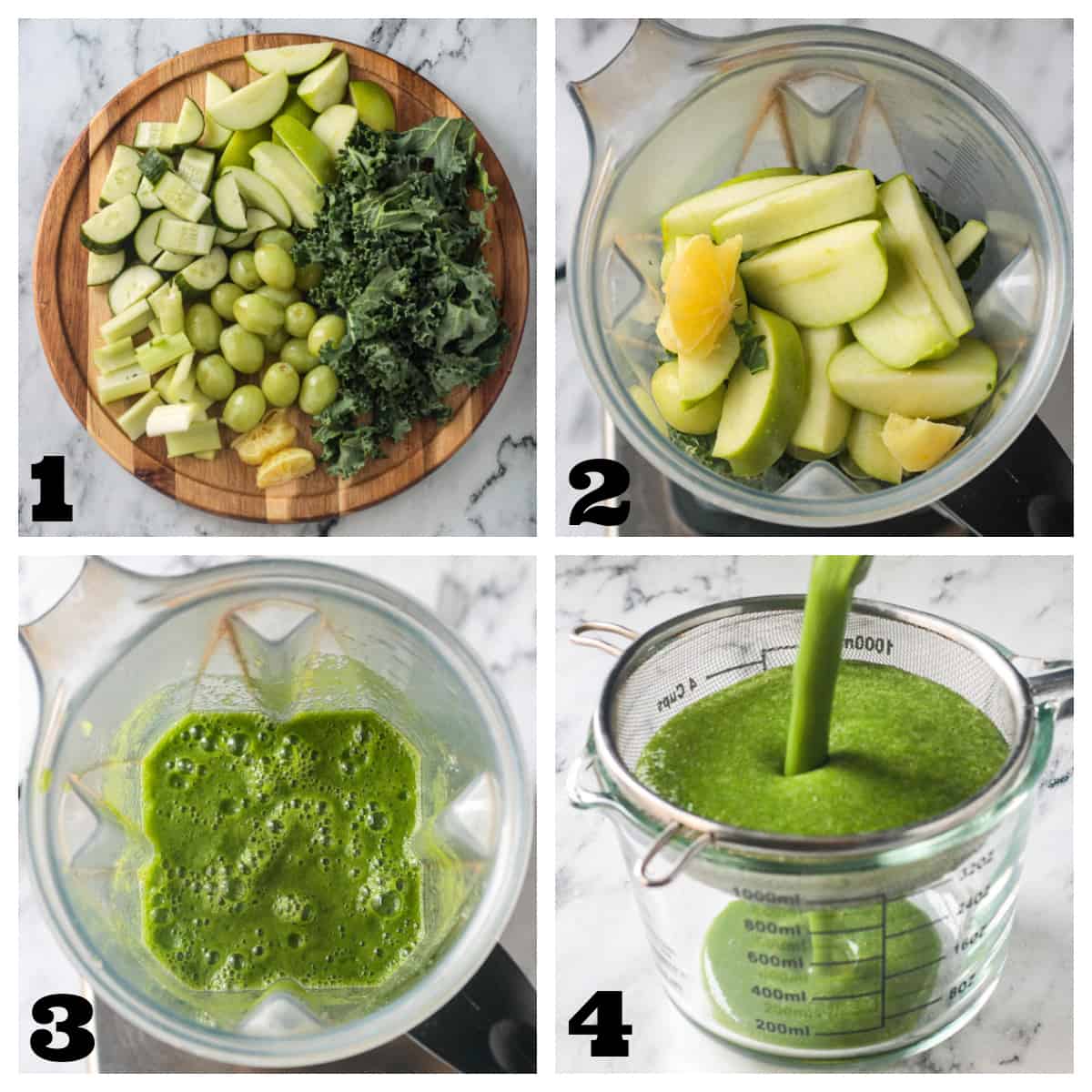
1. Wash And Prepare Ingredients
- Rinse all produce under cold water.
- Peel lemon and ginger, remove apple core.
- Chop ingredients into small pieces—this helps your blender work better.
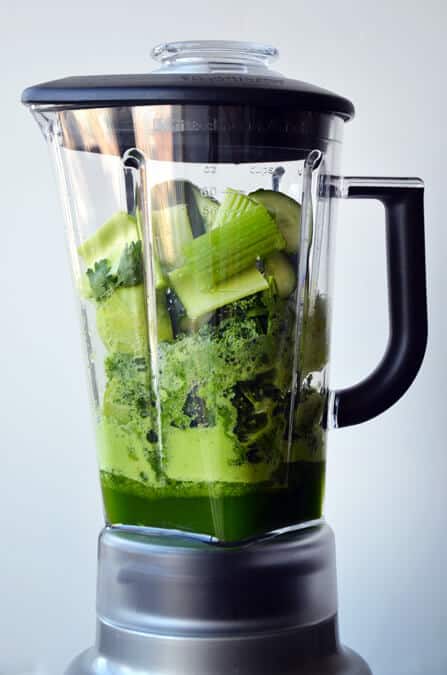
2. Add Ingredients To Blender
- Place greens (spinach and kale) at the bottom.
- Add cucumber, celery, apple, lemon, and ginger.
- Pour in water or other liquid base.
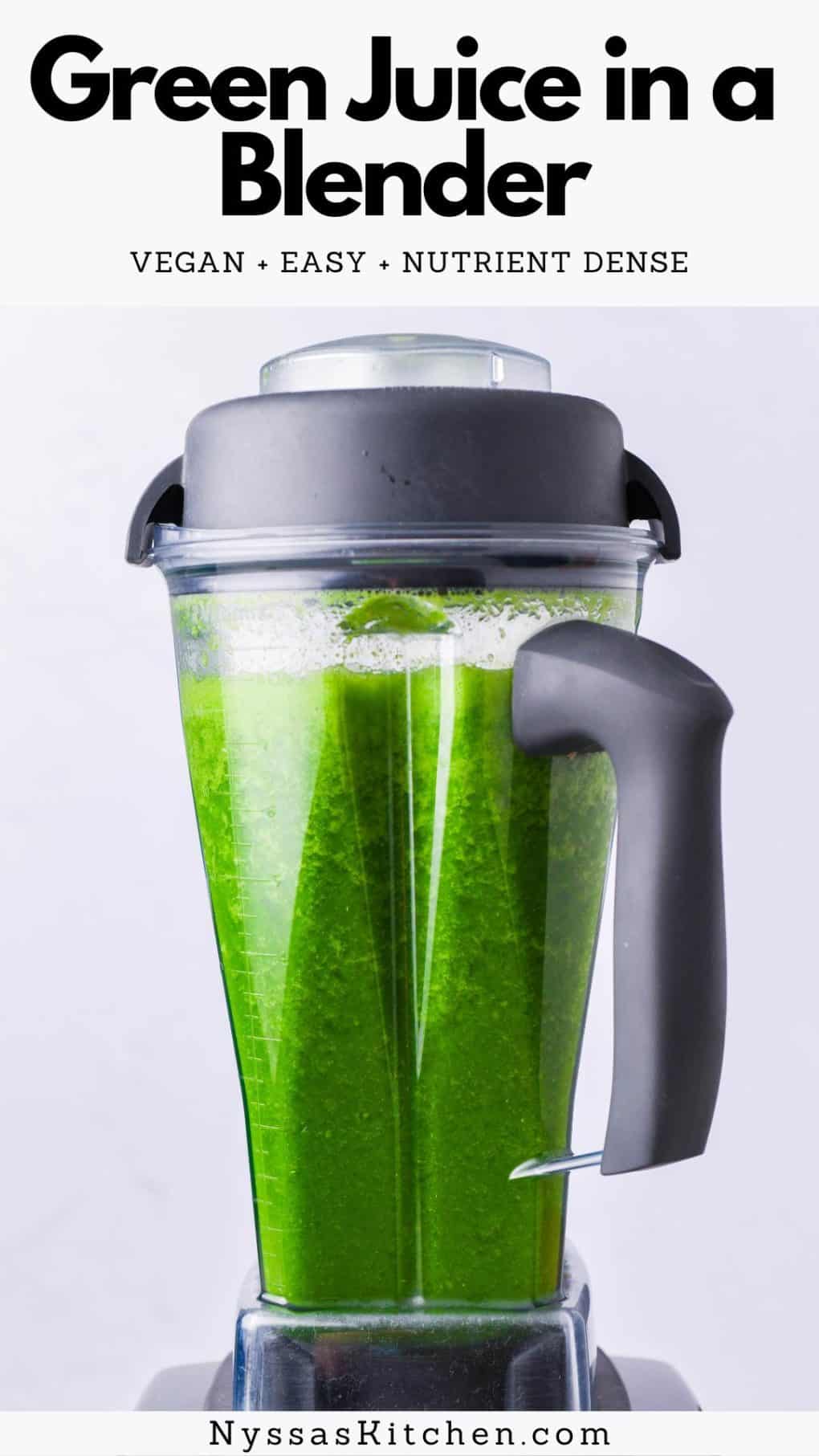
3. Blend Until Smooth
- Start on low speed, then move to high.
- Blend for 1–2 minutes, until everything looks smooth and uniform.
- Stop and stir if ingredients stick to the sides.
4. Strain (optional)
- If you prefer a thinner juice, pour mixture through a fine mesh strainer or cheesecloth.
- Use a spoon to press out as much liquid as possible.
- Save leftover pulp for smoothies or baking.
5. Serve Immediately
- Pour juice into glasses.
- Drink right away for maximum nutrients and freshness.
6. Clean Up
- Rinse blender and strainer right after use. This prevents stains and keeps your kitchen tidy.
Practical Example
Suppose you use the ingredient list above. After blending, you pour the juice through a strainer. You get about 2 cups of smooth green juice. The pulp leftover can be mixed into muffins or pancakes for extra fiber.
Green Juice Variations For Different Needs
Green juice can be tailored for different tastes and health goals. Here are some popular variations:
For Weight Loss
- Use more cucumber and celery, less fruit.
- Add parsley for detox benefits.
- Avoid high-sugar fruits like pineapple.
For Immunity Boost
- Add extra ginger and lemon.
- Use orange or kiwi for vitamin C.
For Energy
- Include spinach and kale for iron.
- Add mint and green apple for freshness.
For Kids
- Use baby spinach (milder taste).
- Include apple and pineapple for sweetness.
- Blend with coconut water for extra flavor.
For Digestion
- Add fennel or aloe vera (small piece).
- Include ginger and mint.
Seasonal Variations
- In summer, add watermelon or fresh mint.
- In winter, try beet greens or carrots.
Making green juice is flexible. Experiment with ingredients and find what works for your taste and needs.
Nutritional Benefits Of Green Juice
Green juice is packed with vitamins, minerals, and phytonutrients. Drinking it regularly can offer several health benefits:
- Hydration: High water content keeps you hydrated.
- Antioxidants: Helps fight cell damage and supports skin health.
- Fiber: Blender-based juice keeps some fiber, aiding digestion.
- Weight management: Low calorie, high volume helps control hunger.
- Immune support: Vitamins C, A, and K boost your immune system.
A 12-ounce serving of homemade green juice (using the basic recipe) contains:
- Calories: 70–90
- Vitamin A: 40% daily value
- Vitamin C: 60% daily value
- Iron: 10% daily value
- Fiber: 2–4 grams
Not all green juices are equal. Store-bought versions often have added sugar or less fiber. Homemade juice gives you full control over quality and nutrition.
Comparing Blender Vs Juicer Green Juice
You might wonder if using a blender is as good as using a juicer. Here’s a comparison to help you decide:
| Factor | Blender | Juicer |
|---|---|---|
| Fiber Content | High | Low |
| Ease of Use | Very Easy | Moderate |
| Cleanup | Quick | More Steps |
| Cost | Low | High |
| Versatility | Multiple Uses | Single Use |
| Texture | Thicker | Thin |
Blender juices are slightly thicker and more filling. Juicers make a clearer, more liquid juice but remove most fiber.
Credit: nyssaskitchen.com
Tips For Making The Best Green Juice In A Blender
Even simple recipes can be improved with a few tricks. Here are practical tips for better green juice:
- Chill your ingredients before blending. Cold produce makes juice taste fresher.
- Use a powerful blender for smoother texture. If your blender is weak, chop ingredients smaller.
- Add lemon or lime to brighten flavor and reduce bitterness.
- Start with mild greens (like spinach) if you’re new to green juice.
- Don’t overload with fruit—too much can raise sugar and calories.
- Drink juice immediately for maximum nutrition. Nutrients break down over time.
- Strain juice if preferred. Use a fine mesh sieve or cheesecloth.
- Save the pulp for baking, smoothies, or compost.
- Rotate your greens. Don’t use only one type every day to avoid oxalate buildup.
- Experiment with herbs—mint, parsley, and basil add flavor and extra nutrients.
Non-obvious Insights
- Blending leafy greens with a small amount of citrus (lemon or lime) helps break down plant fibers and improve nutrient absorption.
- Using cold water or ice cubes reduces foam and improves texture.
Common Mistakes To Avoid
Many beginners face problems when making green juice in a blender. Avoid these common mistakes for better results:
Using Too Many Strong Greens
Kale, arugula, and collard greens have a strong, bitter taste. Too much can make juice unpleasant. Mix with mild greens and fruits.
Not Enough Liquid
If you skip adding water or coconut water, your blender may struggle. Always use enough liquid to get a smooth blend.
Overloading Fruit
Green juice should focus on vegetables. Too much apple, pear, or pineapple raises sugar content.
Skipping Straining
If you want a clear juice, straining is essential. Otherwise, you get a thick smoothie, not juice.
Not Washing Produce
Always wash vegetables and fruits to remove dirt and pesticides. This is especially important for leafy greens.
Using Dull Blender Blades
Old, dull blades can’t break down tough greens well. Sharpen or replace blades if needed.
Storing Juice Too Long
Fresh green juice loses nutrients quickly. If you must store, keep in a sealed glass jar in the fridge for up to 24 hours.
Ignoring Ingredient Rotation
Using only spinach every day can lead to excess oxalate intake. Rotate greens for safety and variety.
How To Store Green Juice
Sometimes you want to make juice ahead of time. Here’s how to store green juice properly:
- Use airtight glass jars or bottles.
- Fill to the top to reduce air exposure.
- Refrigerate immediately.
- Drink within 24 hours for best nutrition and flavor.
If the juice separates, shake well before drinking. Don’t freeze green juice—it affects taste and texture.
Storage Comparison
Here’s a quick look at storage options:
| Container Type | Best for | Notes |
|---|---|---|
| Glass Jar | Short-term storage | Preserves flavor, avoids chemicals |
| Plastic Bottle | Travel | May absorb flavors, not ideal for long storage |
| Vacuum Flask | Keeping cold | Good for outdoor use, short-term only |
Glass jars are best for keeping juice fresh and tasty.
Serving Suggestions
Green juice is best enjoyed cold, right after blending. Here are ways to serve it:
- Pour over ice for extra chill.
- Garnish with mint leaves or lemon slices.
- Pair with breakfast or a light snack.
- Use as a base for smoothies—add banana or yogurt for creaminess.
For special occasions, serve green juice in tall glasses with a straw. Kids may enjoy it more with pineapple or apple added for sweetness.
Credit: www.veggieinspired.com
How To Clean Your Blender After Making Green Juice
Cleaning your blender quickly keeps it working well and prevents stains. Here’s how:
- Rinse blender right after use.
- Add warm water and a drop of dish soap.
- Blend for 30 seconds.
- Rinse and let air dry.
If your blender gets stained, blend lemon juice and baking soda for extra cleaning power.
Practical Green Juice Recipes
Here are three detailed recipes you can try at home:
Classic Green Juice
- 1 cup spinach
- 1 cup kale
- 1 cucumber
- 2 celery stalks
- 1 green apple
- ½ lemon
- 1-inch ginger
- 1 cup water
Blend, strain, and serve. Makes 2 servings.
Tropical Green Juice
- 1 cup baby spinach
- ½ cup pineapple chunks
- 1 small cucumber
- 1 green apple
- ½ lime, peeled
- 1 cup coconut water
Blend, strain, enjoy chilled.
Minty Green Juice
- 1 cup spinach
- 1 cup romaine lettuce
- 1 cucumber
- ¼ cup fresh mint leaves
- 1 pear
- ½ lemon
- 1 cup water
Blend, strain, serve over ice.
Each recipe takes about 5–10 minutes to prepare and serves 2 people. Adjust ingredients for taste and nutrition.
How Green Juice Fits Into A Healthy Lifestyle
Drinking green juice can be part of a balanced diet, but it’s not a magic cure. Here’s how to use it wisely:
- Drink 1–2 cups per day, not more.
- Eat whole vegetables and fruits as well.
- Use juice as a supplement, not a replacement for meals.
- Combine with exercise and hydration for best results.
Nutrition experts recommend variety. Green juice is a convenient way to add more greens, but don’t skip solid foods. For more on nutrition, check out EatRight.org.
Comparing Homemade Vs Store-bought Green Juice
Homemade green juice is fresher and healthier than most store-bought options. Here’s a comparison:
| Factor | Homemade | Store-Bought |
|---|---|---|
| Freshness | Excellent | Variable |
| Added Sugar | None | Often present |
| Fiber Content | Higher | Lower |
| Cost | Low | High |
| Preservatives | None | Often present |
| Customization | Full control | Limited |
Homemade juice lets you choose ingredients and avoid unwanted additives.
Frequently Asked Questions
How Much Green Juice Should I Drink Daily?
Most experts recommend 1–2 cups (8–16 ounces) per day. Drinking more may not offer extra benefits and could cause stomach upset. Balance green juice with whole fruits and vegetables.
Can I Use Frozen Greens For Green Juice?
Yes, frozen spinach or kale works well in a blender. Thaw before using for best texture. Frozen greens are as nutritious as fresh, sometimes even more.
Is Green Juice Safe For Children?
Green juice is safe for kids if you use mild greens (like spinach) and add fruit for taste. Avoid strong greens and too much ginger. Start with small servings.
What Is The Best Blender For Making Green Juice?
A high-speed blender (like Vitamix or Ninja) works best. If your blender is weak, chop ingredients smaller and blend longer. You don’t need a special juicer.
Can I Make Green Juice Ahead Of Time?
Yes, you can store green juice in a sealed glass jar in the fridge for up to 24 hours. Drink as soon as possible for best nutrition. Shake well before serving.
Making green juice in a blender is easy, affordable, and flexible. With the right ingredients, clear steps, and practical tips, anyone can enjoy fresh, healthy juice at home. Experiment with recipes and flavors, and make green juice a simple part of your daily routine.