Skip to content
Juicing citrus fruits at home can turn a simple kitchen into a fresh juice bar. Many people ask, Can you juice citrus in a juicer? The answer is yes, but the process and results depend on the type of juicer and the citrus fruit.
This article breaks down everything you need to know about juicing citrus in a juicer, including practical tips, common mistakes, and how to get the best juice. Whether you use oranges, lemons, limes, or grapefruits, you’ll find answers to questions you didn’t even know you had.
Understanding Citrus Fruits
Citrus fruits are known for their juicy pulp, bright flavor, and high vitamin C content. The most common citrus fruits used for juicing are oranges, lemons, limes, grapefruits, and tangerines. Each fruit has a slightly different taste and juice yield.
- Oranges are sweet and popular for breakfast juice.
- Lemons and limes are sour and often used for flavoring or cocktails.
- Grapefruits are bitter-sweet and have a high juice yield.
- Tangerines are smaller, less acidic, and easy to peel.
Citrus fruits have a thick skin (rind), a white pith, and inside, segments filled with juice sacs. The rind contains essential oils, which can add flavor but sometimes bitterness if juiced.
Types Of Juicers For Citrus
There are several types of juicers. Not all work equally well with citrus fruits. Here’s how each type handles citrus:
| Juicer Type | Best For | Pros | Cons |
|---|---|---|---|
| Citrus Press | All citrus fruits | Easy, fast, minimal prep | Only for citrus |
| Manual Hand Juicer | Small citrus, quick juice | Affordable, simple | Effort needed, low yield |
| Electric Citrus Juicer | Oranges, lemons, grapefruit | Quick, higher yield | Bulky, single purpose |
| Centifugal Juicer | Oranges, peeled citrus | Multipurpose, fast | Must peel, can be messy |
| Masticating Juicer | Lemons, oranges, mixed juice | High juice quality | Slow, must peel |
Specialized Citrus Juicers
Citrus presses and electric citrus juicers are designed for citrus only. They squeeze juice by pressing the fruit half against a reamer. These juicers extract juice without much pulp or bitterness from the rind.
Centrifugal And Masticating Juicers
These are general-purpose juicers. They can juice citrus, but you must peel the fruit first. If you juice citrus with the peel, the juice may taste bitter and contain unwanted oils.
Prepping Citrus For Juicing
Proper preparation makes a big difference in juice quality and yield. Here’s how to prepare citrus for various juicers:
For Citrus Press/electric Citrus Juicer
- Wash the fruit thoroughly.
- Cut the fruit in half crosswise.
- Place each half on the juicer and press.
You don’t need to peel or remove seeds unless you want to avoid seed taste.
For Centrifugal/masticating Juicers
- Wash the fruit.
- Peel off the rind completely. The rind contains bitter oils.
- Remove large seeds (especially from lemons and limes).
- Cut fruit into pieces small enough to fit the chute.
Some beginners forget to peel the fruit, causing bitter juice and clogging the juicer.
Extra Tips
- Roll citrus on the counter before cutting. This breaks up the juice sacs.
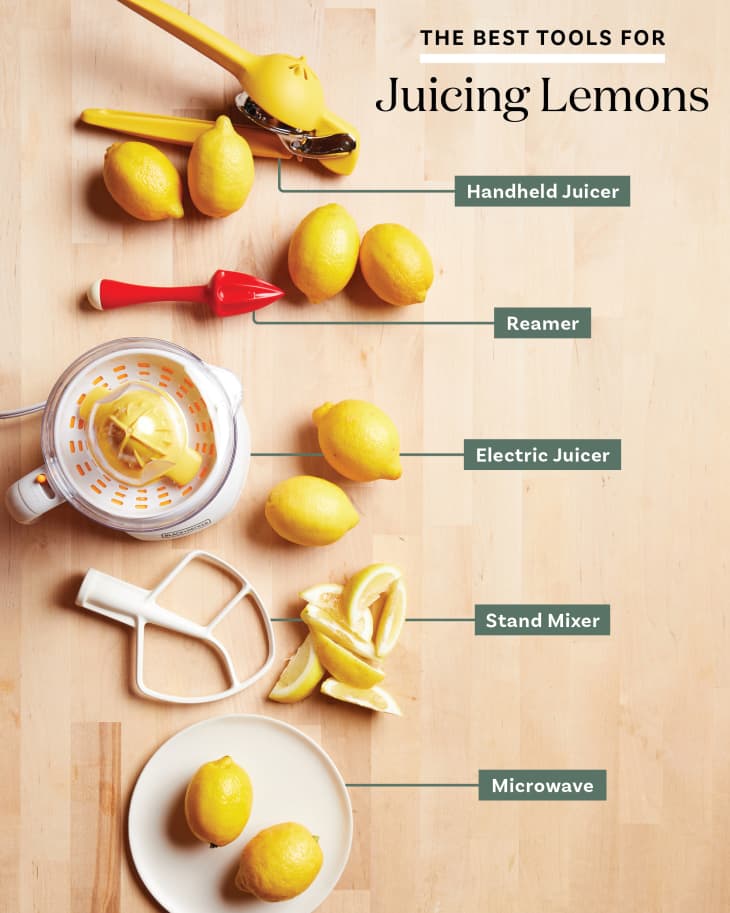
- If fruit feels dry, microwave it for 10 seconds to loosen juice.
- Room temperature citrus releases more juice than cold fruit.
The Juicing Process
Juicing citrus is simple but can change depending on the juicer. Here’s what to expect:
Using A Citrus Press
Place the cut half on the reamer, press down, and twist. The juice flows out, leaving pulp and seeds behind. This method is fast and keeps essential flavors.
Electric Citrus Juicer
Works like a manual press but powered. You press the fruit half on the reamer, and the machine spins, squeezing juice out. It’s efficient and produces more juice.
Centrifugal Juicer
After peeling, place citrus pieces in the chute. The juicer spins fast, separating juice from pulp. The juice may be frothy and contain more pulp. The taste is sweet but sometimes bitter if peel pieces sneak in.
Masticating Juicer
Insert peeled citrus pieces into the chute. The juicer crushes and squeezes slowly, producing high-quality juice with more nutrients. Juice yield is high, but the process takes longer.
:max_bytes(150000):strip_icc()/AR-Citrus-Juicing-Test-4x3-808e05589ae3449795b7be0f770dd4f1.jpg)
Credit: www.allrecipes.com
Comparing Juice Yield And Quality
Not all juicers produce the same amount or quality of juice. Let’s look at typical yields from different juicers for oranges:
| Juicer Type | Juice Yield (from 1 lb oranges) | Pulp Content | Flavor Quality |
|---|---|---|---|
| Citrus Press | 10-12 oz | Low | Pure, clean |
| Electric Citrus Juicer | 12-14 oz | Low | Bright, fresh |
| Centifugal Juicer | 9-11 oz | Medium | Can be bitter |
| Masticating Juicer | 11-13 oz | Medium | Rich, nutrient-dense |
Electric citrus juicers usually give the highest yield and best flavor. Centrifugal juicers sometimes produce juice with extra pulp and a slightly bitter taste if not peeled well.
Juice Storage And Shelf Life
Fresh citrus juice spoils quickly. Here’s what you need to know:
- Fresh juice lasts up to 24 hours in the fridge.
- Store in airtight glass containers to keep flavor.
- Do not freeze citrus juice for long periods. It loses taste and vitamin C.
- If you see separation or change in color, the juice is no longer fresh.
Pasteurized juice from stores lasts longer but loses some nutrients. Homemade juice is best enjoyed immediately.
Health Benefits Of Citrus Juice
Citrus juice is famous for its vitamin C, antioxidants, and hydration. A glass of fresh orange juice (about 8 oz) contains:
- 110% of daily vitamin C needs
- 10% potassium
- Only 110 calories
Lemon juice is low in calories and boosts immunity. Grapefruit juice may help with weight loss, but can interact with certain medications.
Non-obvious insight: Citrus juice also contains flavonoids, which are plant compounds that may lower inflammation and improve heart health. Most flavonoids are in the pulp, so juicing with a masticating juicer preserves more of them.
Common Mistakes When Juicing Citrus
Many people make errors that affect juice quality or juicer life. Avoid these mistakes:
- Juicing with the peel in centrifugal or masticating juicers. The peel is bitter and can clog the machine.
- Using cold citrus. Juice yield drops if fruit is cold.
- Overfilling the juicer. This can cause leaks or damage.
- Not removing seeds. Seeds can add a bitter taste and jam the juicer.
- Ignoring cleaning after juicing. Citrus pulp dries and sticks, making cleanup harder.

Credit: www.thekitchn.com
Juicing Citrus For Recipes And Drinks
Citrus juice is used in many recipes, from cocktails to salad dressings. Here are a few popular uses:
- Lemon juice for lemonade, marinades, and salad dressings
- Orange juice for breakfast, smoothies, and baking
- Lime juice for cocktails, salsa, and desserts
- Grapefruit juice for detox drinks and breakfast mixes
Juicing citrus at home allows control over flavor, sweetness, and pulp.
Juicing Citrus With Mixed Fruits
Some people add citrus to mixed juices with apples, carrots, or greens. Citrus brightens the flavor and adds vitamin C.
Non-obvious insight: Mixing citrus juice with other fruits can help mask bitterness from greens or vegetables. Citrus acts as a natural flavor booster.
However, when mixing, always peel citrus. The oils in the rind can overpower other flavors.
Cleaning And Maintenance After Juicing Citrus
Juicing citrus leaves sticky pulp and juice. Clean your juicer right after use:
- Disassemble parts and rinse under warm water.
- Use a brush to clean screens and filters.
- Dry completely before reassembling.
If you juice citrus often, deep clean the juicer weekly to avoid buildup and odors.
Choosing The Right Juicer For Citrus
Selecting a juicer depends on your needs and budget. Here’s a quick guide:
- For pure citrus juice – choose a citrus press or electric juicer. These are best for oranges, lemons, and grapefruit.
- For mixed juices – a centrifugal or masticating juicer works, but peel citrus first.
- For quick, small servings – a manual hand juicer is easy and affordable.
Consider these points:
- Juice yield: Electric citrus juicers win.
- Flavor quality: Citrus presses and masticating juicers preserve best flavor.
- Cleanup: Citrus presses are easiest to clean.
Credit: www.thekitchn.com
Comparing Juicing Citrus At Home Vs Store-bought Juice
Is it worth juicing citrus at home? Let’s compare:
| Aspect | Homemade Citrus Juice | Store-Bought Citrus Juice |
|---|---|---|
| Flavor | Fresh, pure | Processed, sometimes less fresh |
| Nutrient Content | High (vitamin C, flavonoids) | Lower (after pasteurization) |
| Preservatives | None | Often added |
| Shelf Life | 1-2 days | Weeks |
| Cost | Higher per glass | Lower per glass |
Fresh citrus juice tastes better and is healthier, but store-bought juice is convenient and cheaper.
Safety And Allergies
Citrus juice is safe for most people. However, some have citrus allergies, which can cause rashes or stomach upset. Grapefruit juice interacts with some medications (like statins), so check with your doctor if you take prescription drugs.
Environmental Impact Of Juicing Citrus
Juicing at home produces peels and pulp waste. Here are eco-friendly ways to handle it:
- Compost peels and pulp. They break down quickly.
- Use peels to freshen garbage cans or for homemade cleaners.
- Avoid plastic juicers; choose stainless steel or glass for durability.
Juicing Citrus For Kids
Kids love orange juice, but homemade juice is safer and fresher. Limit juice to 4-6 oz per day for children to avoid too much sugar. Mix juice with water for less sweetness.
Advanced Tips For Juicing Citrus
Experienced juicers use these tricks for maximum yield and flavor:
- Use a microplane to zest citrus before juicing. Zest adds flavor to recipes.
- Warm the fruit slightly before juicing.
- Alternate citrus with other fruits in the juicer to clean out sticky pulp.
The Final Verdict: Can You Juice Citrus In A Juicer?
Yes, you can juice citrus in most juicers, but preparation matters. Specialized citrus juicers make the process easy and deliver the best flavor. General-purpose juicers work well if you peel the fruit and remove seeds. Fresh citrus juice is healthier and tastier than store-bought, but requires more effort and cleaning.
Juicing citrus is not just possible; it’s simple, rewarding, and can fit any kitchen routine. Whether you want a quick glass of orange juice or a mixed fruit cocktail, you can do it at home with the right tools and tips.
Frequently Asked Questions
Can I Juice Citrus With The Peel On?
No, you should not juice citrus with the peel in centrifugal or masticating juicers. The peel has bitter oils and can clog the machine. For citrus presses, you only juice the cut half without peeling.
Which Juicer Gives The Most Juice From Oranges?
Electric citrus juicers usually give the highest yield. They squeeze more juice from each orange and keep pulp low. Masticating juicers also offer high yield but require peeling.
How Long Does Fresh Citrus Juice Last?
Fresh citrus juice lasts about 24 hours in the refrigerator. After that, flavor and nutrients drop. Store juice in glass containers and drink soon after juicing.
Is Juicing Citrus At Home Better Than Buying Juice?
Yes, juicing at home keeps more vitamin C and flavor. Store-bought juice is pasteurized, which reduces nutrients. Home juice is fresher but spoils faster.
Can I Mix Citrus Juice With Other Fruits?
Absolutely. Citrus mixes well with apples, carrots, and greens. Always peel citrus before mixing to avoid bitter flavors and oils.
For more details about citrus fruits and juicing, visit Wikipedia.
Juicing citrus at home can transform your health and meals. With the right juicer and prep, you’ll enjoy bright, fresh flavors every day.