If you’ve ever wondered “are air fryers dangerous to health,” you’re not alone. The short answer is no, not when used correctly. But the longer answer involves understanding where the real risks actually live, and that’s what we’re here to sort out.
A 2024 study published in Food Chemistry found that air frying can reduce acrylamide formation by up to 90% compared to deep frying. That’s a significant difference. But there are still a few things you need to know about temperature, coatings, and cooking habits before you can feel fully confident.
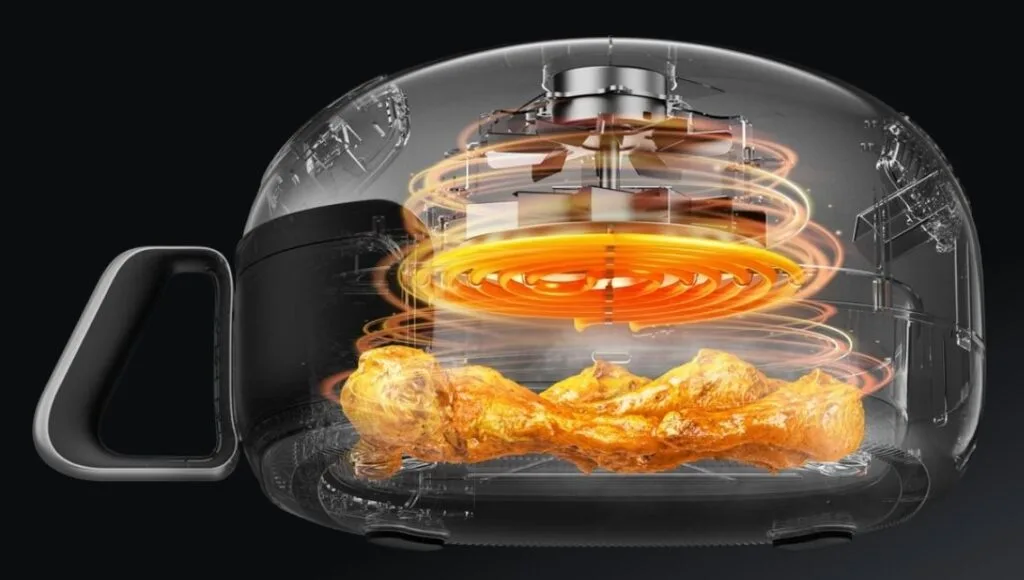
Image source: Web (Bing) / play.autumnofdoom.de (Web image (fair-use with source credit))
Quick Answer: Are air fryers dangerous to health
No, air fryers are not dangerous to health. The risks are real but manageable. Acrylamide forms in starchy foods above 250°F.
Non-stick coatings can off-gas above 500°F. Both risks are avoidable with proper use. The health benefits of reduced oil and fewer advanced glycation end products (AGEs) outweigh the small risks for most people.
The Real Risk You’re Worried About

Image source: Web (Bing) / everydayfamilycooking.com (Web image (fair-use with source credit))
Let’s address the big one. The cancer concern. When you cook starchy foods like potatoes or breaded items at high heat, a chemical called acrylamide forms.
It’s classified as a “probable human carcinogen” by the International Agency for Research on Cancer. That sounds scary.
But here’s what you need to understand. Acrylamide is not unique to air fryers. It forms in any high-heat cooking method.
Deep frying produces more acrylamide than air frying. Baking produces it too. Roasting produces it.
The difference is that air frying uses less oil and shorter cooking times, which actually reduces total acrylamide formation.
The USDA confirms that air frying can reduce acrylamide by 50% to 90% compared to deep frying. If you’re worried about what the downside of air fryers might be, this is the one most people point to. But the data shows it’s a net improvement over the alternative.
The real trick is temperature control. Keep your air fryer below 350°F for starchy foods. Cook potatoes until golden, not dark brown.
Darker browning means more acrylamide. It’s that simple.
How to Use an Air Fryer Safely (Without Overthinking It)

Image source: Web (Bing) / airfryerly.com (Web image (fair-use with source credit))
Safety comes down to a few practical habits. Here’s what you actually need to do.
Don’t overheat the thing. Every air fryer has a maximum temperature, usually around 400°F. Stay within that range. Never run it empty on a high preheat setting for more than a few minutes.
The non-stick coating can degrade above 500°F, and that’s when you risk fumes.
Use the right oil. Spray oils with propellants can damage the coating. A light mist from a pump sprayer works better. Our research on whether you can use spray oil safely shows that aerosol cans are the main problem, not the oil itself.
Keep the basket clean. Burnt food residue can smoke and produce unwanted compounds. Clean after every few uses. A simple soak in warm soapy water is enough.
Don’t crowd the basket. Overloading blocks airflow. Food cooks unevenly, and some pieces burn while others stay undercooked. Burnt food means more potential carcinogens.
Leave space for the hot air to circulate.
Watch your cooking times. A frozen french fry basket might take 12 minutes at 400°F. A chicken breast might take 20 minutes at 375°F. Use a meat thermometer.
Overcooking leads to charring, and charring produces heterocyclic amines (HCAs) and polycyclic aromatic hydrocarbons (PAHs).
Here’s a quick reference table for safe cooking temps:
| Food Type | Safe Temp Range | Max Recommended | Notes |
|---|---|---|---|
| Starchy vegetables (potatoes) | 325°F – 350°F | 350°F | Higher temps increase acrylamide |
| Lean meats (chicken, fish) | 350°F – 375°F | 375°F | Use meat thermometer |
| Red meats (steak, burgers) | 375°F – 400°F | 400°F | Flip halfway |
| Frozen foods (fries, nuggets) | 375°F – 400°F | 400°F | Shake basket mid-cook |
| Vegetables (broccoli, zucchini) | 350°F – 375°F | 375°F | Light oil spray helps |
Air Fryer Safety vs. Food Safety: What About Undercooked Food?
There’s one more risk to consider: undercooked food. An air fryer may brown food quickly, but that doesn’t mean meat or poultry is safely cooked inside.
Use a meat thermometer to check the thickest part of chicken, burgers, fish, or other meats before eating. Also, keep cooked food away from surfaces that have touched raw meat unless they’re properly cleaned.
The appliance itself isn’t the only safety concern. Proper food handling and checking internal temperatures matter, too.

Image source: Web (Bing) / storage.googleapis.com (Web image (fair-use with source credit))
When You Should Actually Be Concerned
For most people, air fryers are safe when used according to the manufacturer’s instructions. The main concerns come from overheating, damaged non-stick coatings, and certain household pets.
Non-stick coating. Many air-fryer baskets use PTFE-based coatings. These are generally stable at normal cooking temperatures, but severely overheating PTFE can produce fumes that may cause temporary flu-like symptoms known as polymer fume fever. Avoid running an empty air fryer at very high temperatures and always follow the manufacturer’s temperature limits.
Pet birds. Birds have extremely sensitive respiratory systems. Overheated PTFE fumes can be particularly dangerous to them, so keep air fryers with non-stick components away from pet birds and use good ventilation.
Damaged coating. If the basket is badly scratched, peeling, or flaking, replace it rather than continuing to use it. Follow the manufacturer’s care and replacement guidance for your specific model.
Frequently Asked Questions
Can air fryers cause cancer?
Air fryers themselves do not cause cancer. The concern is about acrylamide, which forms when starchy foods are cooked at high heat. Air frying produces less acrylamide than deep frying.
The FDA confirms that air frying is a healthier alternative for reducing acrylamide exposure.
Is the non-stick coating toxic?
Modern non-stick coatings are PFOA-free and safe under normal use. The risk comes from overheating above 500°F, which can release fumes. This is rare in home use.
Stick to the manufacturer’s temperature limits and avoid running the appliance empty.
Are air fryers safe for people with high cholesterol?
Yes, air fryers are generally safe and beneficial for people with high cholesterol. They require up to 80% less oil than deep frying. This reduces total fat and saturated fat intake.
Always pair with a balanced diet and consult your doctor for specific dietary advice.
Can I use an air fryer every day?
Daily use is fine for most people. The key is variety. Don’t cook only starchy foods at high temperatures.
Include vegetables, lean proteins, and whole foods. Rotate your cooking methods. Use the air fryer as one tool in your kitchen, not the only one.
Do air fryers produce harmful fumes?
Not under normal use. If you overheat the appliance or burn food, you may notice smoke. That smoke can contain compounds like acrolein and PAHs.
Keep your air fryer clean, avoid burning food, and use it in a well-ventilated kitchen. If you have birds, use a ceramic-coated or stainless steel model.
What is the healthiest way to use an air fryer?
Cook at lower temperatures when possible. Use a light oil spray instead of aerosol cans. Avoid overcooking or charring food.
Clean the basket regularly. Choose a model with a ceramic coating if you’re concerned about PTFE. Follow the manufacturer’s guidelines for temperature limits.
The Bottom Line: Is It Worth the Risk?
Air fryers are not dangerous to health when used properly. The risks are real but small and entirely manageable. The benefits of reduced oil, fewer advanced glycation end products, and lower acrylamide compared to deep frying make them a net positive for most people.
If you’re still unsure, weigh the risks against the alternatives. Deep frying produces more acrylamide and more trans fats. Grilling can produce more HCAs and PAHs.
Baking is neutral but takes longer. The air fryer sits somewhere in the middle, offering a good balance of convenience and health.
As of 2026, the research is clear. The FDA, the USDA, and peer-reviewed studies in journals like Food Chemistry all support the same conclusion. Air fryers are safe.
The danger is in how you use them, not in the appliance itself.
Keep your temperatures moderate. Clean your basket. Don’t burn your food. That’s the whole formula. The rest is just noise.