Skip to content
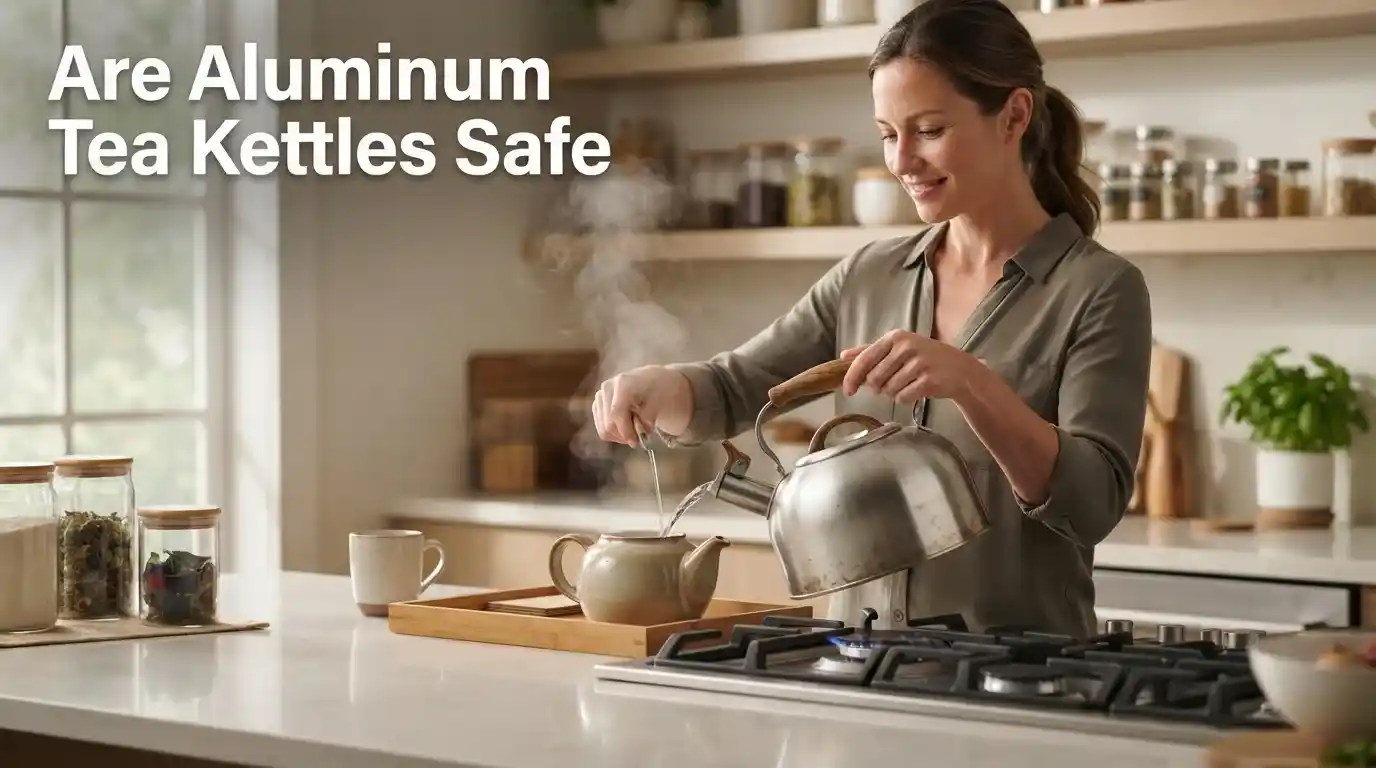
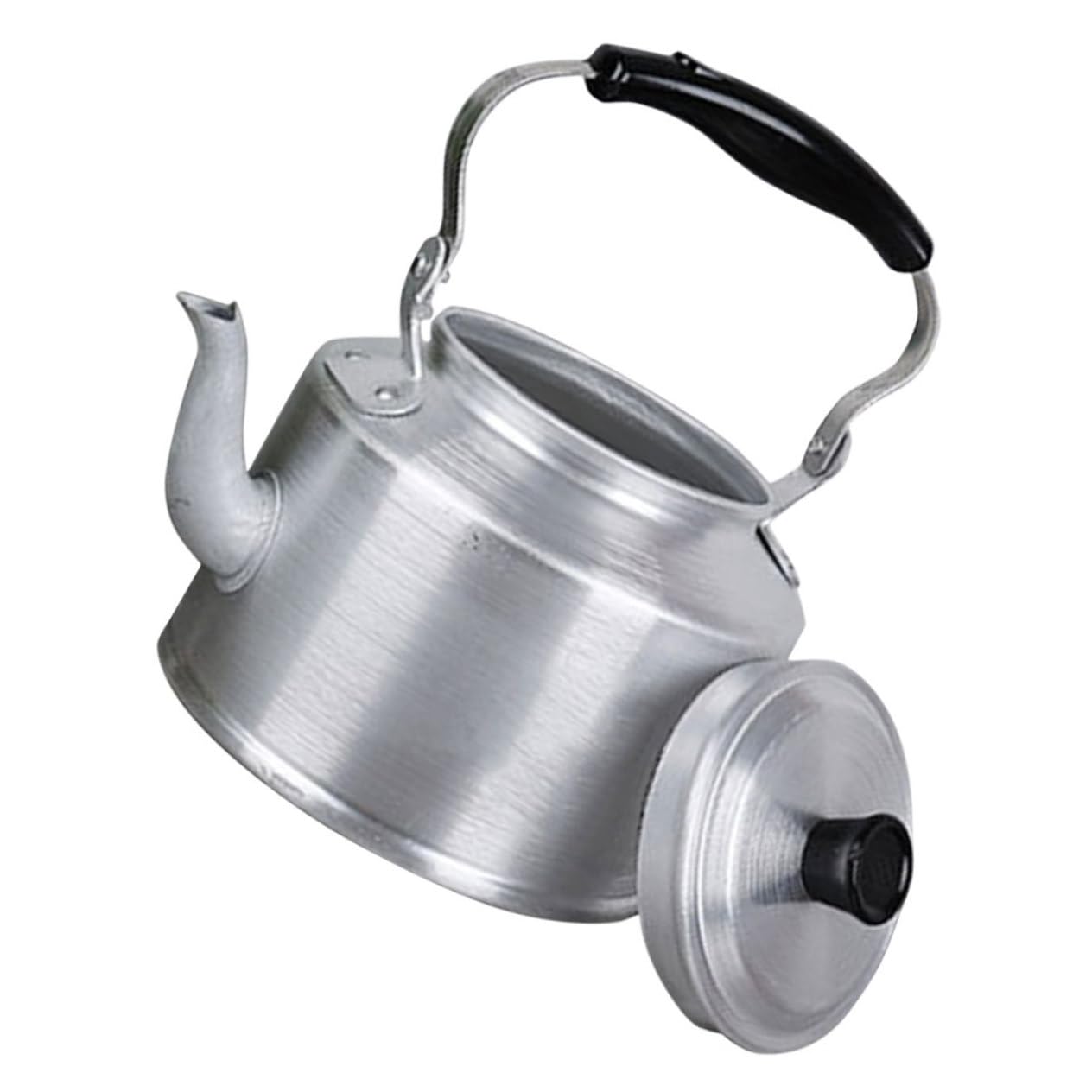
Many people enjoy a hot cup of tea every day. For many, the tea kettle is an essential kitchen tool. But as more people become aware of health and safety, there are questions about the materials used in tea kettles. One common material is aluminum. It’s lightweight, affordable, and heats water quickly. But is using an aluminum tea kettle safe for your health?
Let’s explore the facts, risks, benefits, and what science says, so you can make an informed decision for your kitchen.
Why Aluminum Tea Kettles Are Popular
Aluminum tea kettles have been used in homes for decades. There are several reasons why they are so common:
- Lightweight: Aluminum is much lighter than stainless steel or cast iron. This makes it easy to handle and pour.
- Heats Fast: Aluminum conducts heat very well. Water boils quickly, which is ideal for busy mornings.
- Affordable: Compared to other metals, aluminum kettles are often cheaper. This makes them attractive for people on a budget.
- Easy to Find: Most stores sell aluminum kettles, and they come in many shapes and sizes.
However, popularity does not always mean safety. Let’s look at how aluminum interacts with food and water.
How Aluminum Reacts With Water And Heat
Aluminum is a reactive metal. When exposed to air, it forms a thin layer of aluminum oxide. This layer protects the metal from further corrosion. But when you boil water, especially if you add acidic ingredients like lemon or tea leaves, the protective layer can break down.
Some studies show that small amounts of aluminum ions can leach into boiling water. The amount depends on:
- Water acidity: More acidic water increases leaching.
- Boiling time: Longer boiling can cause more aluminum to enter the water.
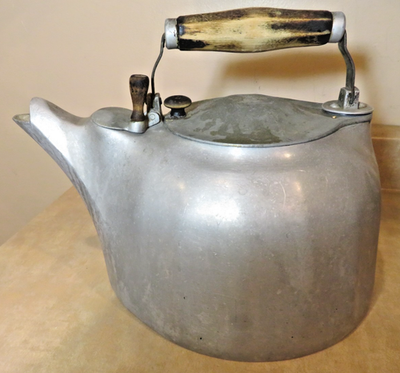
- Kettle age: Older kettles may have scratches or worn surfaces, increasing leaching.
This leads to the main concern: is drinking water boiled in aluminum harmful?
Potential Health Risks Of Aluminum Exposure
Aluminum is naturally present in the environment. We eat and drink tiny amounts every day. The body can process small doses without any harm. But high exposure over time may pose risks.
Key health concerns include:
- Alzheimer’s disease: Some early studies suggested a link between aluminum and Alzheimer’s. However, most recent research has not confirmed this connection. The Alzheimer’s Association states that there is no strong evidence that normal aluminum exposure increases risk.
- Kidney problems: People with kidney disease may not remove aluminum efficiently. This can lead to buildup in the body.
- Bone disorders: High aluminum exposure may affect bone strength, especially in those with kidney issues.
For healthy adults, the risk from boiling water in aluminum kettles is considered low. The average American consumes about 7–10 mg of aluminum daily, mostly from food additives. Drinking tea from an aluminum kettle adds only a tiny fraction to this amount.
Comparing Aluminum Kettles With Other Materials
Let’s see how aluminum stacks up against other common kettle materials.
| Material | Heat Conductivity | Weight | Safety Concerns | Price Range |
|---|---|---|---|---|
| Aluminum | Excellent | Light | Leaching (if scratched) | Low |
| Stainless Steel | Good | Medium | Safe, rare nickel leaching | Medium-High |
| Ceramic | Poor | Heavy | Glaze may contain lead | Medium |
| Glass | Poor | Light | Breaks easily | Medium |
| Copper | Excellent | Medium | Leaching if not lined | High |
Stainless steel is considered safest for boiling water. It is non-reactive and durable. Ceramic and glass are also safe, but they are heavier and can break. Copper is beautiful and heats quickly, but it must have a stainless steel or tin lining to prevent copper leaching.
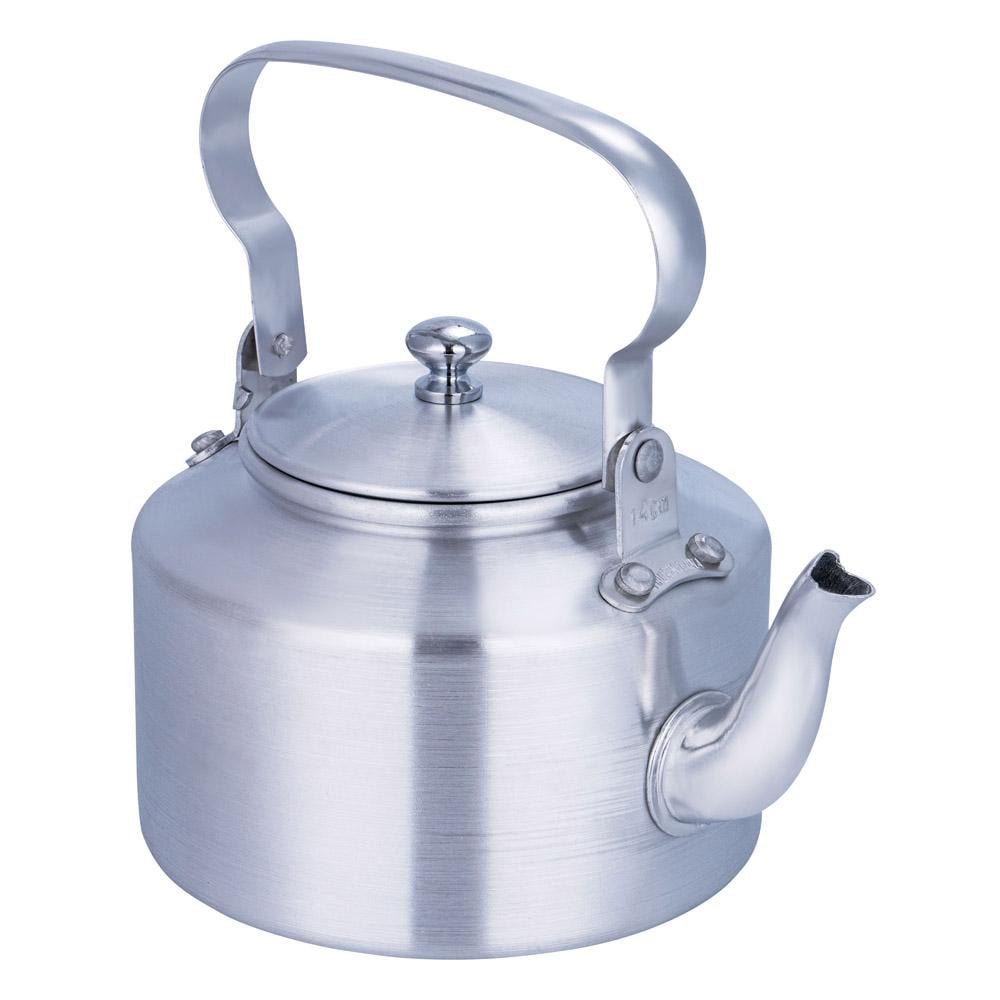
Credit: alsanidi.com.sa
What Science Says About Aluminum Kettle Safety
Many scientific studies have looked at aluminum exposure from cookware. Most agree that using aluminum pots and kettles does not pose a health risk for healthy people. For example:
- The World Health Organization (WHO) sets the safe limit for daily aluminum intake at 50 mg for adults.
- A typical cup of tea boiled in an aluminum kettle contains less than 0.1 mg of aluminum.
- Studies found that even after years of use, aluminum kettles did not significantly raise aluminum in boiled water, unless the kettle was heavily scratched or used with acidic liquids.
One non-obvious insight: the water’s mineral content matters. Hard water (rich in minerals) forms a layer inside the kettle, reducing aluminum leaching. Soft or distilled water increases leaching.
Another overlooked factor is cleaning. Using harsh cleaning pads can scratch the kettle, exposing more aluminum and increasing leaching. Gentle cleaning is safer.
How To Use Aluminum Tea Kettles Safely
If you own or plan to buy an aluminum tea kettle, there are steps you can take to minimize risks:
- Avoid boiling acidic liquids: Do not boil lemon water, vinegar, or strong tea directly in aluminum.
- Do not scratch the kettle: Use soft sponges for cleaning. Scratches remove the protective oxide layer.
- Check for lining: Some aluminum kettles have a nonstick or enamel lining. These offer extra protection.
- Replace old kettles: If your kettle is heavily scratched or corroded, replace it.
- Boil only water: Boil water, then steep tea in a separate pot or mug.
- Do not store water: Do not leave water sitting in the kettle for hours.
Following these tips keeps aluminum exposure very low.
Aluminum Kettle Myths And Misconceptions
Many online sources claim that aluminum cookware is very dangerous. Let’s clear up some common myths.
- Myth: All aluminum kettles cause Alzheimer’s. Studies do not support this. Most experts agree daily use is safe.
- Myth: Aluminum is banned in cookware. Aluminum is legal and widely used around the world.
- Myth: Aluminum leaches large amounts into water. In reality, the amount is very small, unless the kettle is damaged.
Some people worry about “heavy metal poisoning. ” Aluminum is not considered a heavy metal, and it is not toxic at low levels.
Aluminum Vs Stainless Steel: A Closer Look
Many people switch to stainless steel kettles for peace of mind. Here’s a direct comparison.
| Feature | Aluminum Kettle | Stainless Steel Kettle |
|---|---|---|
| Weight | Light | Medium |
| Heating Speed | Fast | Moderate |
| Durability | Scratches easily | Very durable |
| Safety | Safe if not scratched | Safe |
| Price | Low | Medium-High |
| Maintenance | Needs gentle cleaning | Easy to clean |
For most users, stainless steel offers slightly better safety and durability, but at a higher price and heavier weight. Aluminum is fine for boiling water if you follow basic care guidelines.
Should You Switch From Aluminum Kettles?
If you have kidney disease or are concerned about aluminum, switching to stainless steel, glass, or ceramic may give you peace of mind. But for healthy adults, there is no urgent need to stop using aluminum kettles. The main risk comes from damaged, scratched, or old kettles, and boiling acidic liquids.
If you are buying a new kettle, consider:
- Material safety
- Price
- Ease of cleaning
- Weight
- Durability
Choosing a kettle lined with enamel or stainless steel is a good option if you want extra protection.
Environmental Impact Of Aluminum Kettles
Aluminum production uses a lot of energy. But aluminum kettles are highly recyclable. If your kettle wears out, recycling is easy and reduces waste. Stainless steel is also recyclable, but heavier and requires more resources to manufacture. Glass and ceramic are less eco-friendly due to breakage and landfill issues.
Credit: www.amazon.com
What Experts Recommend
Most health organizations, including the World Health Organization and the US Food and Drug Administration, consider aluminum cookware safe for normal use. They recommend avoiding boiling acidic foods and replacing damaged cookware.
Some experts suggest boiling water in aluminum is less risky than cooking food, because water is less reactive. Still, if you have health concerns, choose a stainless steel kettle or a lined aluminum kettle.
You can find more detailed information from official resources such as CDC.
Frequently Asked Questions
Are Aluminum Tea Kettles Safe For Daily Use?
Yes, for most healthy adults, aluminum tea kettles are safe for daily use. The amount of aluminum that enters boiled water is very small, especially if the kettle is not scratched or damaged.
Can Aluminum Kettles Cause Health Issues?
Aluminum exposure from kettles is not enough to cause health issues for healthy people. If you have kidney disease, you should avoid aluminum cookware, as your body cannot remove aluminum efficiently.
Is It Safe To Boil Tea Or Coffee In An Aluminum Kettle?
It is better to boil only water in an aluminum kettle. Acidic ingredients like tea or coffee can increase aluminum leaching. Steep tea or coffee in a separate mug or pot.
How Can I Reduce Aluminum Exposure From My Kettle?
To reduce exposure, avoid boiling acidic liquids, clean gently to prevent scratches, and replace old or damaged kettles. If possible, choose a kettle with a lining.
What Material Is Safest For A Tea Kettle?
Stainless steel is considered the safest for boiling water. It does not react with water or tea and is easy to clean and maintain.
Credit: www.ebay.com
Final Thoughts
Aluminum tea kettles are popular for good reasons: they are light, affordable, and heat water quickly. The science shows that for most people, the risks are very low, especially if you use and care for your kettle properly. If you follow basic guidelines—boil only water, avoid scratching, and replace old kettles—you can enjoy your tea safely. If you have health concerns or kidney problems, switching to stainless steel or glass is a wise choice. Ultimately, the safest kettle is one that fits your needs and is used with care.