So, are brining bags the same as oven bags? Short answer: no. But it’s not a “one is good, one is bad” kind of no.
It’s a “know what you’re doing before you trust your dinner to a bag” kind of no.
Here’s the reality: oven bags are made from heat-resistant nylon that handle 400°F or more. Brining bags are almost always food-grade polyethylene, which is meant for cold use only. They look similar on a store shelf, but a few degrees in the wrong direction can ruin a roast or leak a gallon of saltwater all over your fridge.
We’ll help you sort out which bag goes where.
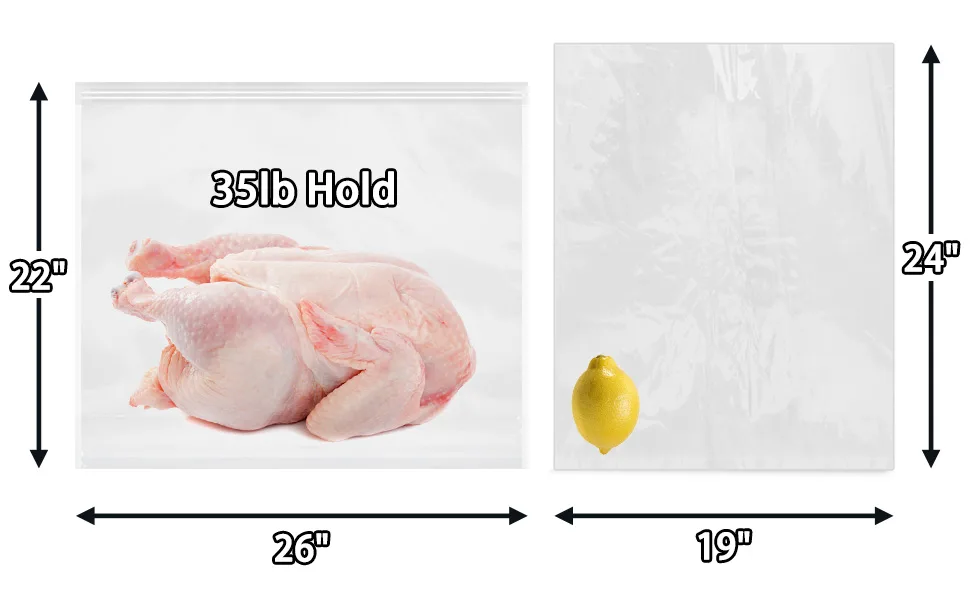
Image source: Bing (Web (fair-use with source credit))
Quick Answer
No, brining bags are not the same as oven bags. Brining bags are cold-use, food-grade polyethylene. Oven bags are heat-resistant nylon safe to 400°F.
Don’t swap them without reading the label.
The Short Answer: Same Shape, Very Different Jobs
Imagine a plastic bag wearing a costume. That’s essentially what’s happening here. Both bags are clear, disposable, and roughly the same size.
Both are designed to hold a turkey. But look closer at the packaging and you’ll see two completely different materials, built for two completely different jobs.
A brining bag is essentially a heavy-duty, leak-proof version of a food storage bag. It lives in the fridge, holds liquid brine around a raw bird, and never sees heat. An oven bag is a heat-resistant nylon pouch that steams food from the inside while it roasts at high temperatures.
The table below shows the core differences at a glance.
| Feature | Brining Bag | Oven Bag |
|---|---|---|
| Primary material | Food-grade polyethylene (LDPE) | Heat-resistant nylon |
| Safe temperature range | Fridge cold, 34–40°F | Up to 400°F / 205°C |
| Main purpose | Cold wet brining, marinating | Roasting, moist-heat cooking |
| Typical seal | Zip-top or twist-tie | Tie closure, heat-sealed ends |
| Leak resistance | Very high, liquid-tight | Good, but meant for oven use |
| Can it go in the oven? | No | Yes |
The shapes are the same. The jobs are not. That’s why the material matters more than the label.
Why the Material Matters More Than the Label
If you’ve ever pulled a bag out of a drawer and guessed, this section is for you. The reason brining bags and oven bags aren’t interchangeable comes down to polymer science. Boring?
A little. Important? Absolutely.
Oven bags are made from nylon, usually nylon 6 or a nylon blend. Nylon is a high-heat plastic that stays stable and flexible up to around 400°F. That’s why manufacturers like Reynolds stamp a maximum temperature right on the box.
Nylon bags won’t melt during a 350°F roast, and they won’t off-gas into your food at normal cooking temperatures.
Brining bags, on the other hand, are made from low-density polyethylene, the same flexible plastic used in produce bags and zip-top storage bags. LDPE has a melting point around 220°F to 260°F. That’s fine for a cold refrigerator, but it’s nowhere near oven-safe.
Put a brining bag in a 350°F oven and you’ll get melted plastic, leaking brine, and a ruined dinner. In our research, manufacturer specifications are clear on this: polyethylene is not for hot cooking.
The FDA also weighs in. Both materials are approved for food contact, but only under their intended temperature ranges. So the label isn’t just marketing.
It’s a safety instruction.
Start With Your Cooking Method: Cold Brine or Hot Roast?
The fastest way to know which bag you need is to stop looking at the bag and look at your recipe. What are you actually doing?
If you’re mixing water, salt, sugar, and seasonings, then submerging a turkey for 12 to 24 hours in the fridge, you’re wet brining. That’s a cold process. You need a brining bag.
If you’re taking a seasoned bird and roasting it in the oven at 325°F or higher, you’re cooking with dry heat. You need an oven bag, or at least a covered roasting pan.
If you’re planning to brine the turkey first and then roast it, you need both. There’s no single bag that does both jobs safely, and anyone who tells you otherwise is skipping the fine print.
This simple either-or clears up 90% of the confusion. Cold process means brining bag. Hot process means oven bag.
The only exception is when someone uses an oven bag for cold brining, which we’ll cover in a minute. But for the majority of home cooks, the decision splits right down the middle.
The Decision Tree: Which Bag Should You Use?
Let’s make this easy. Follow the branch that matches your situation, and you’ll never grab the wrong bag again.
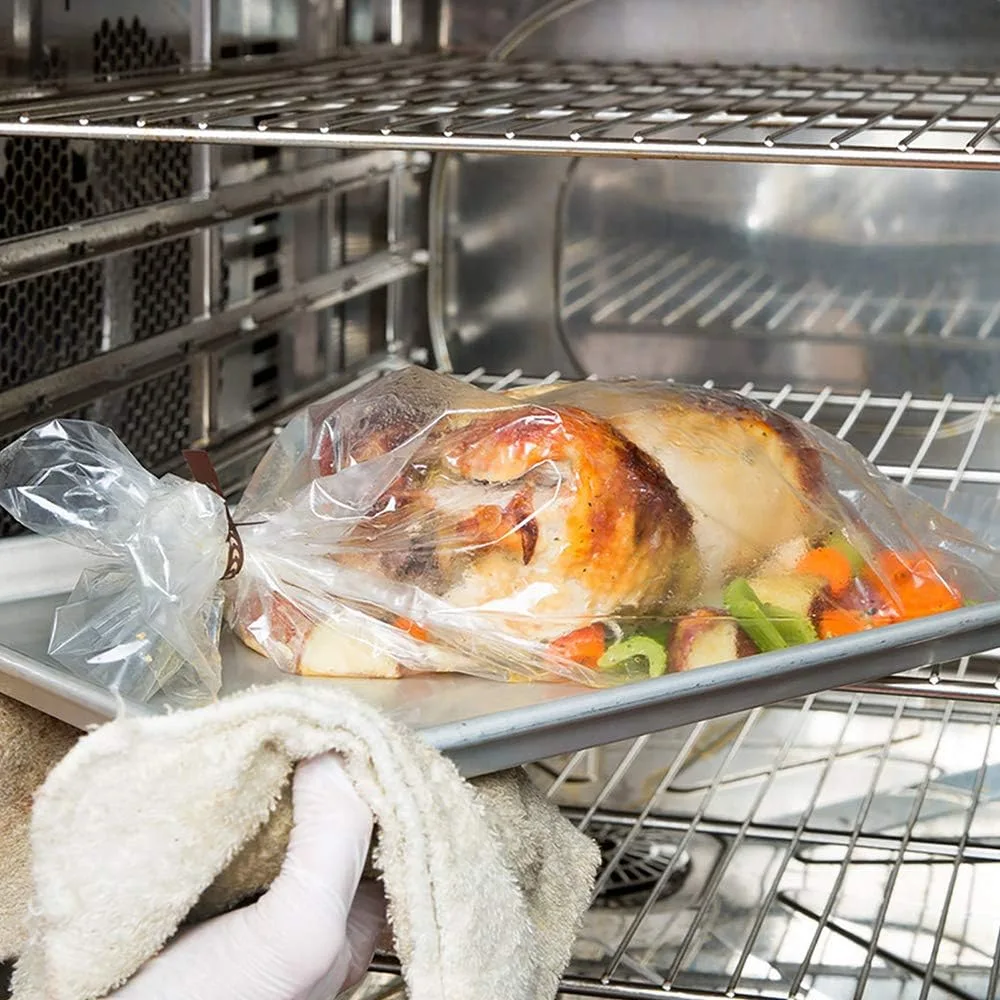
Image source: Web (Bing) / storage.googleapis.com (Web image (fair-use with source credit))
You’re Wet Brining in the Fridge
Use a brining bag. Look for one labeled “brining bag” or a large-capacity food storage bag with a tight seal. Fill it with your brine, add the turkey, squeeze out the air, and seal it.
Keep it cold. The whole process happens below 40°F, so standard kitchen plastic is completely fine.
Do not use an oven bag for this job. It’s made of nylon, which handles cold fine, but it’s expensive, and the tie closure doesn’t always provide a watertight seal. You might lose the brine onto your fridge shelves.
Use the right tool.
You’re Roasting or Slow-Cooking in a Hot Oven
Use an oven bag. Make sure the label says “oven cooking bag” or “roasting bag.” These are made to withstand temperatures up to 400°F. Shake some flour inside the bag before adding the meat, then set it in a roasting pan.
Cut a few slits in the top so steam can vent. This is the only bag that belongs in your oven.
A brining bag here would melt, split, and ruin your meal. The polyethylene can’t handle even low oven temperatures.
You Want One Bag to Do Everything
Stop right there. That bag doesn’t exist yet. You need two separate bags in your drawer.
An oven bag for roasting and a brining bag for marinating. It’s like owning a hammer and a screwdriver. They’re both tools, but you wouldn’t drive a nail with the screwdriver.
Aggregate reviews and kitchen forums are full of people who tried to make one bag work for both steps. The result is usually a smoky kitchen and a very frustrated cook. Save yourself the trouble.
Oven Bags: What They’re Made of and How Hot They Can Go
Oven bags are workhorses. They trap steam around the meat, which speeds up cooking and keeps everything moist. The bag also catches every drop of drippings, so cleanup is as simple as throwing the bag away.
In our research, most standard oven bags from major brands are rated up to 400°F. Some specialty versions reach 450°F, but always check the package.
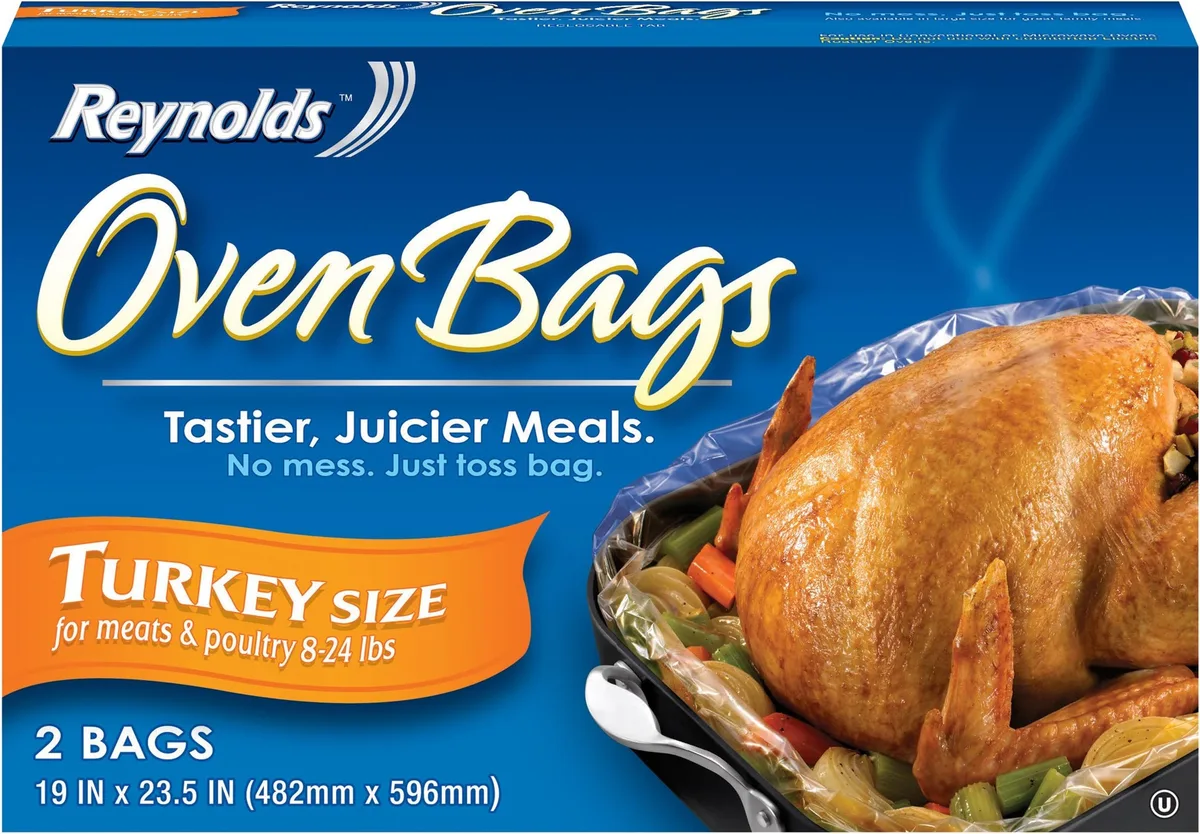
Image source: Bing (Web (fair-use with source credit))
The material is nylon, and that’s the trick. Nylon doesn’t melt at standard roasting temperatures. It also doesn’t react with fats, acids, or seasoning liquids.
That’s why you can cook a citrus-herb chicken in one without worrying about chemicals leaching into your food. The FDA sets strict food-contact standards for these plastics, and manufacturers design around them.
There’s a common misunderstanding that oven bags are just big plastic bags with a fancy name. They’re not. The thickness, the heat tolerance, and the venting design are all different from anything you’d use for storage.
If you’ve ever felt one next to a heavy-duty freezer bag, you’ll notice the oven bag is more of a film than a bag. It’s designed for heat transfer, not long-term storage.
When you use an oven bag, follow the instructions on the box. Most recommend adding a tablespoon of flour inside before adding the meat. The flour keeps the bag from sticking to the meat as it cooks.
Then you cut a few 1-inch slits in the top to let steam escape. Never let the bag touch the oven rack, the walls, or the heating element. Always place it in a shallow roasting pan.
These aren’t optional steps. They’re part of how the bag is meant to work.
One more thing: oven bags are single-use. Throw them away after cooking. They’re not designed for washing and reusing, especially after contact with raw meat.
The same goes for brining bags. Don’t rinse them out and try to save them. That’s a cross-contamination risk you don’t need.
Brining Bags: Built for Cold, Not Heat
Brining bags are the quiet workhorses of the kitchen. They sit in your fridge for 24 hours while a turkey soaks up seasoned liquid, and they never get celebrated for it. But they do a job no oven bag can handle well: holding a gallon or more of cold brine without leaking.
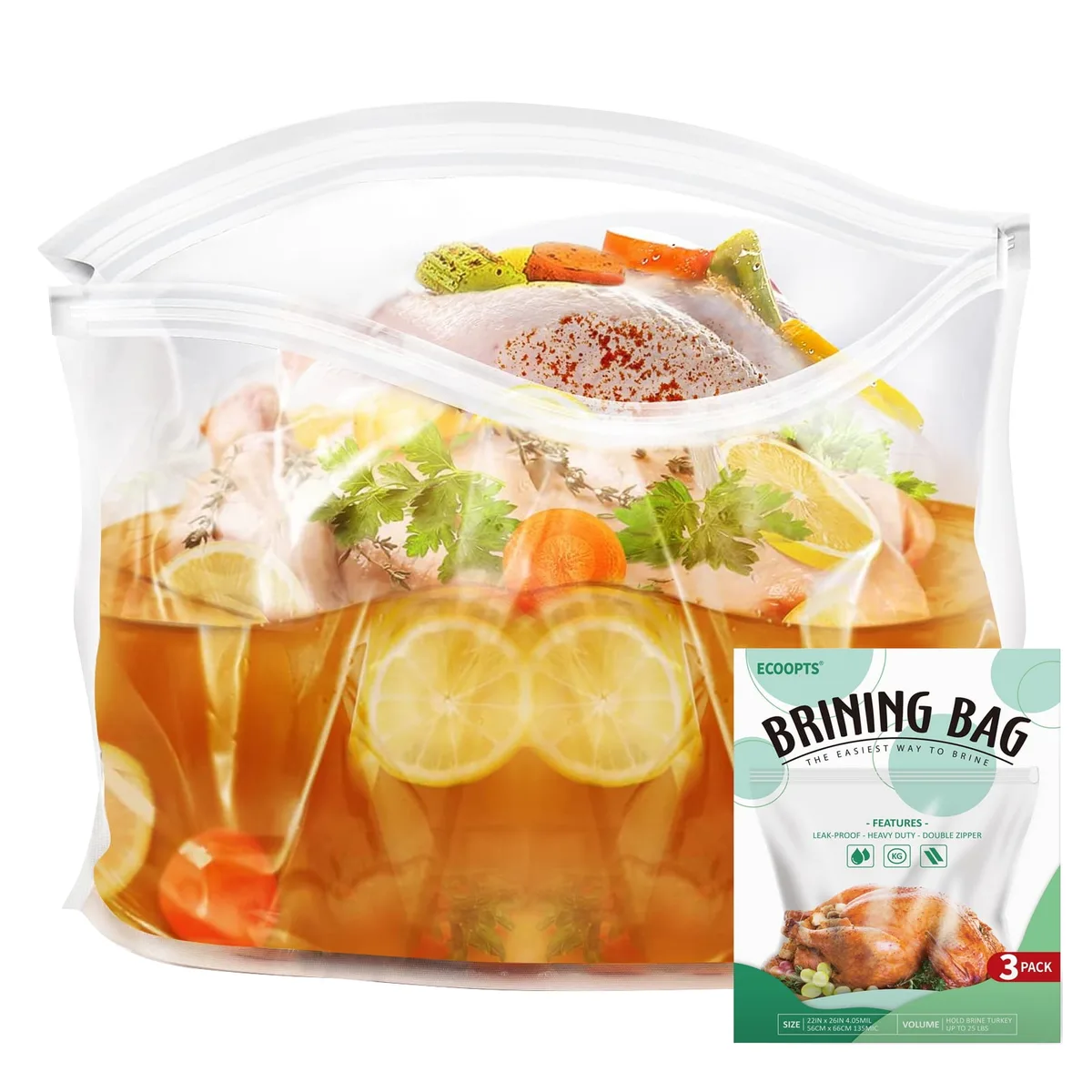
Image source: Web (Bing) / walmart.com (Web image (fair-use with source credit))
These bags are made from low-density polyethylene (LDPE), the same flexible plastic as heavy-duty freezer bags. LDPE stays durable at refrigerator temperatures, resists punctures, and creates a reliable moisture barrier. It’s also cheap to produce, which is why you usually find brining bags in multi-count packs.
The tradeoff is heat sensitivity. LDPE softens around 200°F and melts before reaching 260°F. That’s far below the 325°F minimum for roasting.
So while a brining bag is perfect for cold marinating, it’s a one-way ticket to a disaster in the oven.
Look for specific features when choosing a brining bag:
- A zip-top or double-seal closure that’s genuinely watertight
- Thick material that won’t tear on a turkey’s sharp bones
- Capacity around 2 to 3 gallons, which fits a 12 to 20 pound bird
- BPA-free, food-grade polyethylene labeling
Some cooks try to save money by using extra-large freezer bags. That works in a pinch, but freezer bags are thinner and more likely to puncture. A dedicated brining bag is worth the upgrade, especially for big holiday birds.
Oven Bag vs. Brining Bag: A Side-by-Side Comparison
If you’re short on time, here’s the whole comparison in one table. Keep this handy when you’re shopping or double-checking your drawer.
| Attribute | Brining Bag | Oven Bag |
|---|---|---|
| Material | Food-grade LDPE plastic | Heat-resistant nylon |
| Maximum safe temperature | Refrigerator only (about 40°F) | 400°F to 450°F, per manufacturer |
| Primary use | Cold wet brining, marinating | Roasting, steaming, braising in oven |
| Seal type | Zip-top or heat-sealed | Twist tie or open-end fold |
| Leak resistance | High | Moderate, not meant for liquid storage |
| Reusable? | No, single-use | No, single-use |
| Cost per bag | About $1 to $2 | About $1 to $2 |
The pricing is similar, so cost isn’t the deciding factor. Function is. If you’re buying one or the other, let your cooking method decide.
Oven bags are the right choice when your recipe calls for dry heat above 300°F. Brining bags are the right choice when your recipe calls for cold liquid and time.
There’s also a middle case worth mentioning. Some people roast vegetables or fish in oven bags at moderate temperatures. That’s fine.
But you wouldn’t brine vegetables in an oven bag overnight. The seal just isn’t sturdy enough for liquid.
Can You Swap Them? The Two Scenarios That Actually Work
Here’s where the decision tree gets interesting. There are two scenarios where swapping these bags is perfectly fine. They’re the exceptions, not the rules.
Scenario one: using an oven bag for cold brining. This works because oven bags are nylon, and nylon is safe at cold temperatures. You can absolutely pour brine into an oven bag, add your turkey, tie it shut, and refrigerate it overnight. The bag won’t leak or break down.
The only downside is the tie closure. It’s less secure than a zip seal, so you need to tie it tight and keep the bag upright in a pan.
Scenario two: using a brining bag for a dry rub or dry brine. If you’re dry brining, there’s no liquid. You’re rubbing salt and seasonings directly onto the meat, then sealing it in the fridge. A brining bag handles this perfectly.
The lack of liquid means no leak risk, and the bag keeps the meat’s natural juices from making a mess. This is one of the easiest wins in the kitchen.
What you can’t do is swap them in the other direction. Never put a brining bag in the oven, under the broiler, or in a toaster oven. The polyethylene will melt, and you’ll have a sticky, smoky, potentially dangerous mess.
There’s also a third option that works well for some cooks: skip the brining bag entirely and use a food-grade plastic container. A dedicated brining bucket or large stockpot does the same job without any bag. The bag is just a space-saving convenience.
What Happens If You Put a Brining Bag in the Oven?
Let’s be clear: no one should test this on purpose. But understanding the failure helps you respect the labels.
The first thing that happens is the bag softens. Around 200°F, the LDPE starts to lose its structure. It doesn’t just melt instantly, it droops, stretches, and gets tacky.
As the oven climbs toward roasting temperature, the bag splits open. Brine and meat juices spill onto the oven floor.
Then comes the smoke. Burning polyethylene releases a thick, acrid smoke that smells like hot plastic. It clings to your kitchen, your clothes, and your food.
Some people describe it as a chemical burning smell that takes days to clear.
There’s also a food safety concern. When polyethylene burns or degrades, it can release compounds you don’t want on your dinner. While the FDA approves LDPE for cold food contact, it doesn’t approve it for high-heat roasting.
The temperature range matters as much as the material.
If you accidentally put a brining bag in the oven, turn it off immediately. Open windows, ventilate the space, and remove the food. Don’t try to salvage the roast.
The risk of melted plastic residue and smoke contamination isn’t worth it.
Common Mistakes and How to Avoid Them
A few recurring errors show up in aggregate reviews and kitchen forums. We’ve seen them all, and they’re all avoidable.
Mistake one: ignoring the temperature rating. People grab whichever bag is closest and assume plastic is plastic. Check the box. If it doesn’t say oven-safe or roasting bag, it’s not for the oven.
Mistake two: using an oven bag for brining without a secondary container. The tie closure isn’t watertight when there’s a gallon of liquid inside. Place the bag in a pan while it sits in the fridge. That way, if the tie loosens, you don’t wake up to brine on the shelves.
Mistake three: overfilling the bag. A turkey needs room to move in the brine. If you pack the bag too tight, the liquid can’t circulate, and the brine won’t season evenly. Leave at least a few inches of space at the top.
Mistake four: reusing bags after raw meat. Even if the bag looks clean, it’s a single-use item. Rinsing doesn’t remove bacteria that can lurk in seams and creases. Throw it away after each use.
Mistake five: letting an oven bag touch the heating element. The bag can handle 400°F of ambient heat, but direct contact with a heating coil or oven rack is far hotter. Always use a roasting pan underneath, and keep the bag off the walls.
Avoid those five, and you’ll stay firmly on the safe side of the decision tree.
How to Brine a Turkey in a Bag the Right Way
Mix a wet brine using 1 cup of kosher salt per gallon of water, plus sugar and aromatics. Slide the turkey into a brining bag and pour the brine over it. Squeeze out the air, seal it tight, and set the bag in a shallow pan.
Refrigerate for 12 to 24 hours, flipping the bag once halfway through. Don’t leave it longer, or the meat turns mushy and overly salty.
When brining is done, pull the turkey out and pat it dry. Discard the bag. Never reuse it after raw meat contact.
How to Roast With an Oven Bag the Right Way
Shake 1 tablespoon of flour inside the bag before adding the turkey. That coating stops the meat from sticking to the nylon as it roasts.
Place the bag in a roasting pan, cut four 1-inch slits across the top, and tuck the loose ends underneath. Roast at 350°F and check doneness with a probe thermometer.
The bag cuts cook time by roughly 30 minutes per bird compared to open roasting. Rest the turkey for 15 minutes before carving.
Safe Temperatures and Handling Rules (The Non-Negotiables)
Keep the fridge at or below 40°F during any brining. Never leave a brining bag sitting out on the counter at room temperature.
Roast until the thickest part of the thigh reaches 165°F, per USDA guidance. Use an instant-read thermometer, not a guess.
Throw away both bags after they’ve touched raw meat. Wash your hands, the sink, and every utensil that came near the brine.
Quick Decision Checklist (Print This or Screenshot It)
- Need to hold cold liquid in the fridge? Use a brining bag.
- Need to roast above 300°F? Use an oven bag.
- Read the package label. If it doesn’t say oven-safe, keep it cold.
- Never let any bag touch the heating element or oven walls.
- Never reuse a bag that held raw meat.
Final Verdict: Own Both, and Read the Label Every Time
No, brining bags are not the same as oven bags. They’re made from different plastics, and they have completely different temperature limits.
Keep a pack of each in your drawer. Brining bag for the cold soak, oven bag for the hot roast. Check the label every single time.
As of 2026, no single bag does both jobs safely. So don’t fight the chemistry. Use the right tool, and your turkey will thank you.