Skip to content
Are Cast Iron Tea Kettles Safe
Tea lovers often search for the perfect kettle. Many choose cast iron tea kettles because they look beautiful, last long, and keep tea hot. But are they truly safe for everyday use? Understanding their safety can help you enjoy your tea with confidence.
Cast iron is a strong material. It has been used for cooking and boiling water for centuries. In Japan, cast iron kettles called Tetsubin are popular and symbolize tradition. However, some people worry about rust, heavy metals, and whether cast iron can affect water quality. Others wonder if these kettles are safe for modern kitchens and busy families.
This guide will explore the safety of cast iron tea kettles. You’ll learn about their benefits, risks, and how to use them safely. We’ll also compare cast iron with other kettle materials, share care tips, and answer common questions. By the end, you’ll know if a cast iron kettle is right for your tea routine.
What Are Cast Iron Tea Kettles?
Cast iron tea kettles are made from solid iron. They are usually coated inside with enamel or left uncoated, depending on the brand and style. These kettles can be used to boil water or brew tea directly.
Types Of Cast Iron Tea Kettles
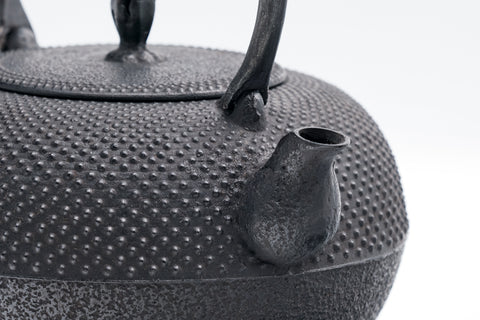
- Tetsubin: Traditional Japanese kettles, often uncoated inside.
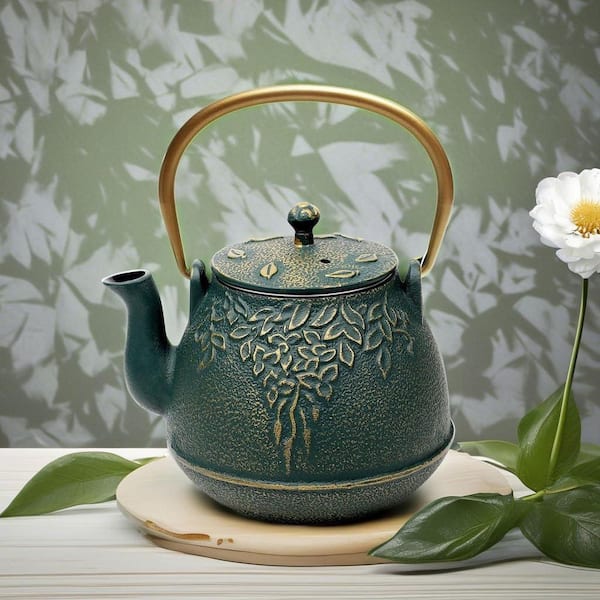
- Enamel-coated kettles: Modern versions with a protective enamel layer.
A Tetsubin is often used for boiling water, while enamel-coated kettles are safer for brewing tea. The enamel prevents rust and makes cleaning easier.
Benefits Of Cast Iron Tea Kettles
Cast iron tea kettles are popular for several reasons:
- Durability: Cast iron lasts for decades if cared for properly. It is resistant to dents and scratches.
- Heat retention: Cast iron keeps water hot for longer periods. This is perfect for slow tea drinking.
- Flavor enhancement: Some tea drinkers believe cast iron improves flavor by keeping the temperature steady.
- Aesthetic appeal: Cast iron kettles are often beautifully designed and add elegance to any kitchen.
Credit: ambassadoradvertising.com
Safety Concerns: Are Cast Iron Tea Kettles Safe?
Safety is the main concern for many people. Let’s look at the risks and facts.
Iron Leaching
Iron leaching happens when iron from the kettle enters your water. This is more common in uncoated kettles. For most people, this is not dangerous and may even be good. Iron is an important nutrient. However, too much iron can be harmful, especially for people with hemochromatosis (a condition where the body stores too much iron).
Studies show that water boiled in uncoated cast iron kettles absorbs small amounts of iron. For most healthy adults, this is safe and can help boost iron intake.
Rust Formation
Rust forms when iron is exposed to water and air. If you don’t dry your kettle well, rust can develop. Drinking water from a rusty kettle is not recommended. Rust can taste bad and may cause stomach upset.
Enamel-coated kettles do not rust easily. The enamel acts as a barrier. If the enamel is damaged, rust can still form.
Heavy Metals And Manufacturing Quality
Some low-quality kettles may contain heavy metals like lead or cadmium. This usually happens in fake or poorly made products. Always buy kettles from trusted brands and check for safety certifications.
Comparison With Other Kettle Materials
Let’s compare cast iron with stainless steel, glass, and ceramic kettles.
| Material | Durability | Heat Retention | Safety | Maintenance |
|---|---|---|---|---|
| Cast Iron | Very High | Excellent | Good (if enamel-coated) | Needs careful drying |
| Stainless Steel | High | Moderate | Very Good | Easy |
| Glass | Medium | Poor | Excellent | Easy |
| Ceramic | Medium | Good | Good | Fragile |
Cast iron stands out for durability and heat retention. Stainless steel is easier to maintain. Glass is safest but breaks easily.
How To Use Cast Iron Tea Kettles Safely
Proper use and care are key to safety.
Choose The Right Kettle
- Pick enamel-coated kettles for brewing tea.
- If you want to boil water, traditional Tetsubin is fine, but only use for water.
- Avoid kettles with damaged enamel.
First Use
- Rinse the kettle with warm water.
- Do not use soap inside enamel-coated kettles (soap can damage enamel).
- Dry completely after rinsing.
Daily Use
- Fill kettle with water, not above the spout line.
- Never heat an empty kettle. This can damage the enamel and cause cracks.
- Use low to medium heat. Cast iron heats slowly but keeps water hot.
- Pour out all water after use. Dry with a towel.
Preventing Rust
- Always dry the kettle after use.
- Store kettle with lid off to let air circulate.
- If rust appears, clean gently with a soft brush and rinse.
Cleaning Tips
- Never use metal brushes or harsh cleaners.
- For tough stains, fill kettle with water, boil, and let cool. Rinse.
- Avoid soaking kettle for long periods.

Credit: www.amazon.com
Common Mistakes With Cast Iron Tea Kettles
Many new users make simple mistakes:
- Heating empty kettles: Damages enamel and can cause cracks.
- Using soap inside: Soap can ruin the enamel and affect taste.
- Leaving water in kettle: Causes rust and bad taste.
- Buying from unknown brands: Risk of heavy metals or poor quality.
These mistakes can shorten the life of your kettle and affect safety.
Cast Iron Vs Other Tea Kettle Materials: Safety Comparison
Here’s a deeper look at how cast iron compares to other materials for safety.
| Feature | Cast Iron | Stainless Steel | Glass | Ceramic |
|---|---|---|---|---|
| Rust Risk | Moderate | Low | None | None |
| Heavy Metal Risk | Low (if certified) | Very Low | None | None |
| Heat Safety | Excellent | Good | Poor | Good |
| Longevity | High | High | Medium | Medium |
| Flavor Impact | Some (can enhance) | None | None | None |
Cast iron is safe if you follow basic care instructions. Stainless steel is a safer choice for people who worry about rust or iron leaching.
Credit: www.homedepot.com
Health Benefits And Risks Of Cast Iron Tea Kettles
Iron Supplementation
For people who need more iron, boiling water in uncoated cast iron kettles can help. The iron released is easy for the body to use. However, this is not enough for medical iron deficiency.
Risk For Certain People
People with high iron levels or hemochromatosis should avoid cast iron kettles, especially uncoated ones. Too much iron can harm the liver and other organs.
No Chemical Leaching
Unlike plastic or coated aluminum kettles, cast iron does not release chemicals. If you use an enamel-coated kettle, make sure the enamel is food safe.
How To Spot A Safe Cast Iron Tea Kettle
Not all kettles are created equal. Here are ways to ensure safety:
- Check for certifications: Look for FDA or similar food safety marks.
- Research the brand: Choose brands known for quality. Read reviews.
- Ask about enamel quality: Some cheap kettles use low-quality enamel.
- Avoid painted interiors: Paint can chip and contaminate water.
For more details on safe cookware materials, see Wikipedia.
Practical Tips For Long-lasting Safety
- Use filtered water to reduce mineral buildup.
- Inspect kettle regularly for cracks or rust.
- Never use kettles with damaged enamel.
- Always cool kettle before cleaning.
- Store in a dry place.
Real-life Example: Cast Iron Kettle In Daily Use
Maria, a tea enthusiast, uses a cast iron kettle every day. She always dries it after use, stores it with the lid off, and cleans gently. Her kettle has lasted over ten years with no rust or taste issues. Maria recommends enamel-coated kettles for beginners because they are easier to maintain.
Non-obvious Insights
Most people do not realize that boiling water in a cast iron kettle can slightly soften hard water, improving taste. Another overlooked detail is that cast iron kettles should not be used for brewing acidic teas, like hibiscus. Acid can damage the enamel and cause iron leaching.
Frequently Asked Questions
Can I Use A Cast Iron Tea Kettle On An Induction Stove?
Yes, most cast iron kettles work on induction stoves because iron is magnetic. Always check the manufacturer’s instructions to be sure.
Does Boiling Water In A Cast Iron Kettle Change The Taste?
A cast iron kettle can improve the taste by keeping water hot and softening hard water. Some people notice a slight mineral flavor, especially with uncoated kettles.
How Do I Remove Rust From A Cast Iron Tea Kettle?
Use a soft brush to remove surface rust. Rinse well, dry thoroughly, and boil water once before using again. Avoid harsh chemicals.
Is Drinking Water Boiled In A Rusty Kettle Harmful?
Drinking water from a rusty kettle is not recommended. Rust can cause stomach upset and tastes unpleasant. Always clean and dry your kettle to prevent rust.
Should I Buy A Traditional Tetsubin Or An Enamel-coated Kettle?
If you want to boil water only, a traditional Tetsubin is fine. For brewing tea, choose an enamel-coated kettle for easier maintenance and less risk of iron leaching.
Final Thoughts
Cast iron tea kettles are safe for most people if you follow basic care steps. They offer durability, heat retention, and a unique aesthetic. Risks like rust or iron leaching are easy to manage with proper use. Always choose quality brands and inspect your kettle regularly.
For people who need extra iron, cast iron kettles can be a helpful tool. However, those with iron-related health issues should be cautious. With the right kettle and care, you can enjoy delicious tea safely for years.