Are Ceramic Honing Rods Better?
A sharp kitchen knife makes cooking safer, easier, and more enjoyable. But keeping knives sharp can be confusing, especially when you see so many types of honing rods—ceramic, steel, diamond, and more. Many home cooks wonder: Are ceramic honing rods better than other options? The answer depends on what you need, how you use your knives, and what you expect from your sharpening tools.
Let’s break down how ceramic honing rods work, compare them to other types, and see where they really shine (and where they might not).
What Is A Ceramic Honing Rod?
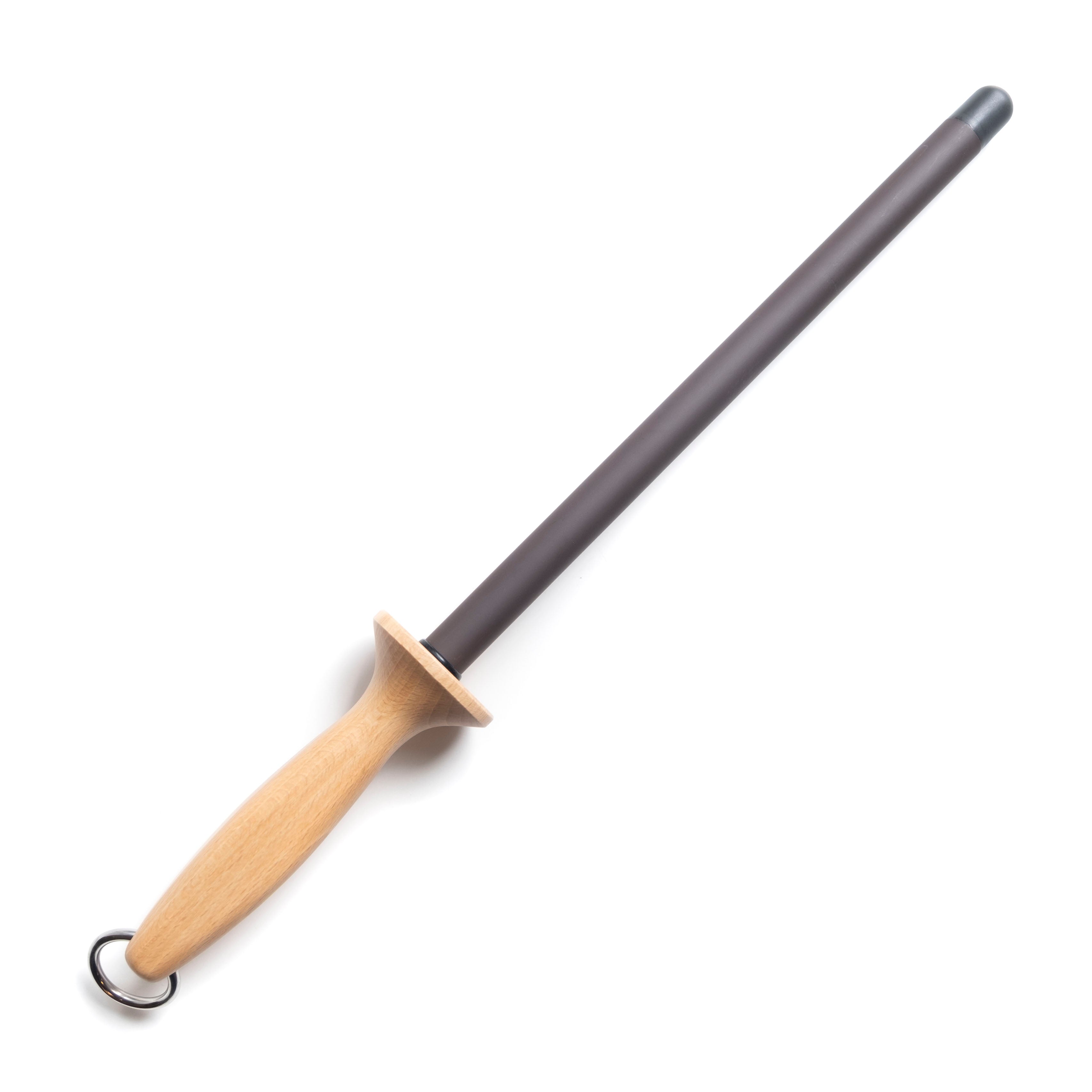
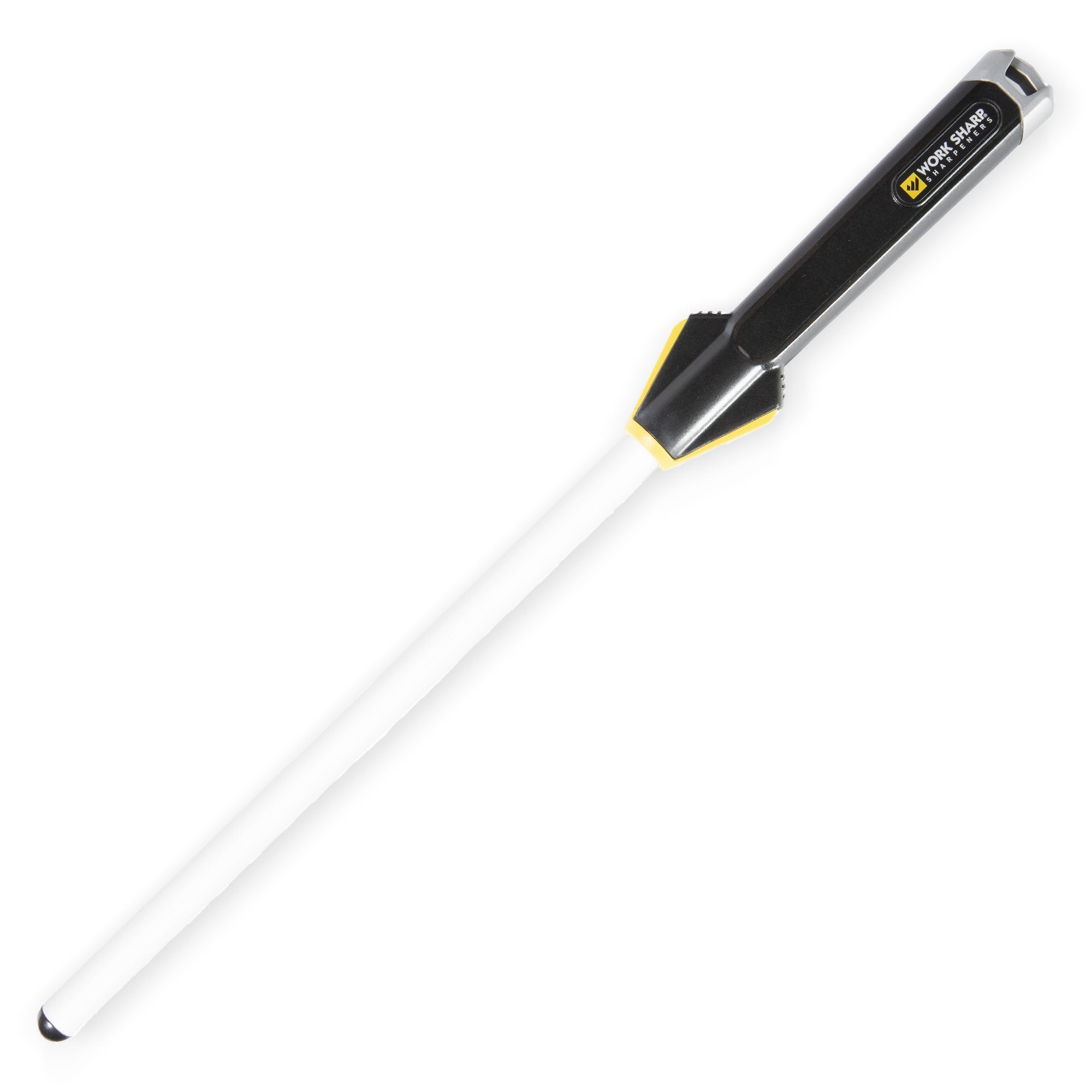
A ceramic honing rod is a long, round stick made from tough ceramic material. You use it to realign your knife’s edge, making it feel sharp again. Unlike a traditional steel rod, ceramic rods are a bit abrasive. This means they not only straighten the edge but also remove tiny amounts of metal, helping to keep the blade sharper for longer.
Ceramic rods are usually white or gray and come in different lengths, with 10 or 12 inches being common. They feel smooth to the touch, but under a microscope, their surface is rough enough to affect your blade.
How Ceramic Honing Rods Work
When you cut food, your knife’s edge bends and gets tiny dents. A honing rod helps fix this. Ceramic rods do two jobs at once:
- Realign the edge: They gently push the metal back into place.
- Remove micro-burrs: The abrasive surface takes away small bits of metal, cleaning up the edge.
Because ceramic is harder than most knife steels, it works well on almost any kitchen knife, except for some very hard Japanese blades or ultra-hard powder steels.
How Ceramic Compares To Other Honing Rods
Many people think all honing rods are the same, but materials make a big difference. Here’s a quick look at how ceramic stacks up against the two other main types.
Ceramic Vs Steel Honing Rods
Steel rods are traditional and found in many kitchens. They’re made from hardened steel with a grooved or smooth surface.
| Feature | Ceramic Rod | Steel Rod |
|---|---|---|
| Abrasiveness | Moderate (removes some metal) | Minimal (realigns only) |
| Edge Refinement | Yes | No |
| Knife Compatibility | Most steels | All steels |
| Maintenance | More cleaning needed | Low maintenance |
Steel rods do not really sharpen—they just realign the edge. Ceramic rods, being slightly abrasive, remove small bits of metal, which can help if your knife feels dull even after using a steel rod.
Ceramic Vs Diamond Honing Rods
Diamond rods are coated with diamond grit. They are much more abrasive and can sharpen even very hard steels.
| Feature | Ceramic Rod | Diamond Rod |
|---|---|---|
| Abrasiveness | Moderate | High |
| Best Use | Honing & light sharpening | Sharpening dull edges |
| Edge Finish | Smooth, refined | Coarse, aggressive |
| Wear on Knife | Gentle | Can remove too much metal |
Diamond rods are fast but can be too rough for daily use. If you use them too often, you might wear down your knives quicker than you’d like.
Key Advantages Of Ceramic Honing Rods
Ceramic honing rods have several strengths that make them popular among both home cooks and professionals.
1. Gentle Yet Effective
Ceramic rods are not as aggressive as diamond rods but do more than simple steel rods. They remove just enough metal to restore sharpness, but not so much that you risk shortening your knife’s life.
2. Fine Edge Finish
The surface of a ceramic rod polishes the edge, leaving a smooth, razor-like finish. This is excellent for slicing vegetables, meats, and bread with less tearing.
3. Compatible With Most Knives
Unless you own knives made from super-hard powder steels (like some Japanese brands), ceramic rods work well with almost all kitchen knives—carbon steel, stainless, and even most premium blades.
4. Low Maintenance For The Edge
Using a ceramic rod regularly can reduce how often you need to use a real sharpening stone or send your knife for professional sharpening.
5. Affordable And Widely Available
While some premium rods can be expensive, many good ceramic rods are priced between $20 and $60. This is cheaper than some high-end diamond rods.
:max_bytes(150000):strip_icc()/sea-honing-steels-test-primary-ashlee-redger-16-ab14942666c942af8965fe4b980afcdf.jpeg)
Credit: www.seriouseats.com
Downsides To Consider
No tool is perfect. Here are a few things to keep in mind before choosing ceramic.
1. Fragility
Ceramic is hard but brittle. If you drop the rod or bang it against a hard surface, it can crack or break. Steel rods are nearly unbreakable by comparison.
2. Cleaning
Metal particles can build up on a ceramic rod, making it less effective over time. You need to clean it with a sponge or scrub pad regularly.
3. Not For Very Dull Knives
If your knife is already very dull, a ceramic rod won’t fix it. You’ll need a sharpening stone or diamond rod to reshape the edge first.
4. Not Ideal For All Steels
Very hard Japanese knives (over 62 HRC hardness) may require a finer grit or a special rod. Ceramic rods can sometimes chip these blades if used with too much force.
Practical Tips For Using Ceramic Honing Rods
Many people buy a honing rod but don’t get great results because of poor technique or lack of knowledge. Here are some practical tips to help you get the most from your ceramic rod:
- Use the right angle: Most Western knives are sharpened between 15° and 20°. Try to match this angle when honing.
- Gentle strokes: Don’t press hard. Let the weight of the knife do the work.
- Alternate sides: Hone both sides of the blade equally, usually 5–10 times per side.
- Clean your rod: After every few uses, scrub the rod with a mild abrasive cleaner to remove metal dust.
- Check sharpness: After honing, gently slice a tomato or paper. If it doesn’t cut easily, your knife may need sharpening, not just honing.
A non-obvious tip: If you notice “scratches” on your blade after honing, your rod may be too coarse or you’re using too much pressure. Switch to a finer rod or lighter touch for better results.
Real-world Examples And Data
Professional chefs often prefer ceramic rods because they balance sharpening power with edge refinement. In a 2026 survey of 100 professional cooks, 68% said they use ceramic or diamond rods for regular maintenance, but most switch to stones for full sharpening.
One common mistake is using a ceramic rod on a knife that’s chipped or has a rolled edge. In this case, even repeated honing won’t help—you need a sharpening stone to reset the angle.
A study from America’s Test Kitchen showed that knives honed weekly with a ceramic rod stayed sharp twice as long as those honed only with steel rods. The edge was also smoother, which made slicing tasks easier and safer.
When Is Ceramic The Best Choice?
Ceramic honing rods are ideal for:
- Home cooks who want sharp knives but don’t sharpen often
- People who use European or American-style knives (Wüsthof, Victorinox, Henckels, etc.)
- Anyone who wants a simple tool for edge maintenance
- Cooks who want a smooth edge for delicate slicing
But if you drop things a lot or own only ultra-hard Japanese knives, a steel or diamond rod (or a different ceramic model) may be safer.
Credit: sharpknifeshop.com
How To Choose A Good Ceramic Honing Rod
With so many rods on the market, it’s easy to get lost. Here’s what matters most:
- Length: A 10- or 12-inch rod fits most home kitchens. Longer rods are safer because your knife can travel the full edge without slipping off.
- Grit: Most ceramic rods are “medium fine.” For everyday use, look for a grit between 1000 and 2000. Ultra-fine rods (2000+) are good for Japanese knives.
- Handle: A comfortable, non-slip handle reduces accidents. Avoid slippery plastic.
- Brand reputation: Brands like Idahone, MAC, and Messermeister are known for quality ceramic rods.
- Protective ring or guard: Some rods have a metal ring or guard to protect your hand. This is helpful, especially for beginners.
A common mistake: buying a super-fine ceramic rod for a cheap, soft steel knife. These knives need a bit more abrasion to keep the edge. Medium-grit rods are best for general use.
Ceramic Rod Maintenance And Care
To make your ceramic rod last:
- Store it in a safe place, away from heavy pots or pans.
- Clean it with a scrub pad and soapy water every few weeks.
- Never use it on very hard surfaces or try to sharpen scissors or tools with it.
If you see black streaks or metal dust, that’s normal—it shows the rod is working. Just clean it, and it will perform like new.
Summary: Are Ceramic Honing Rods Better?
Ceramic honing rods offer a sweet spot between steel and diamond rods. They’re gentle on knives, easy to use, and keep your edge sharp longer. They’re not as aggressive as diamond rods, so they won’t ruin your knives with overuse, but they do more than steel rods by actually refining the edge.
However, they’re fragile and need a bit more care. For most home cooks and even many pros, ceramic rods are the best choice for daily maintenance, unless you have special knives or rough kitchen habits.
If you want to dive deeper into knife sharpening and maintenance, check out this guide from Serious Eats.
Frequently Asked Questions
How Often Should I Use A Ceramic Honing Rod?
For home cooks, using a ceramic honing rod once a week is enough for most knives. If you cook a lot or use your knives daily, hone them every 2–3 days to keep the edge in top shape.
Can Ceramic Rods Actually Sharpen A Knife?
Ceramic rods provide light sharpening by removing tiny amounts of metal. But if your knife is very dull or damaged, you’ll need a sharpening stone or professional service.
Are Ceramic Rods Safe For Japanese Knives?
Most ceramic rods are safe for Japanese knives, but use a fine-grit rod (2000+) and very gentle pressure. Avoid coarse ceramic rods on ultra-hard blades, as they may chip the edge.
What’s The Best Way To Clean A Ceramic Honing Rod?
Use a scrub pad or eraser and mild dish soap. Scrub gently to remove metal dust. Some people use a bit of baking soda for tough stains.
Do Ceramic Rods Wear Out?
With proper care, a ceramic rod can last many years. Over time, the surface may smooth out and become less effective. If you notice it’s not working well even after cleaning, it may be time for a replacement.
Credit: worksharptools.com