Skip to content
Every morning, many people reach for a fresh glass of juice hoping for a healthy start. But not all juicers are equal. Recently, cold press juicers have gained attention for their ability to make juice with more nutrients, less foam, and better taste. Still, these machines often cost more and promise a lot. So, are cold press juicers really worth it for daily use? Let’s break down their benefits, drawbacks, and what you need to know before buying one.
What Is A Cold Press Juicer?
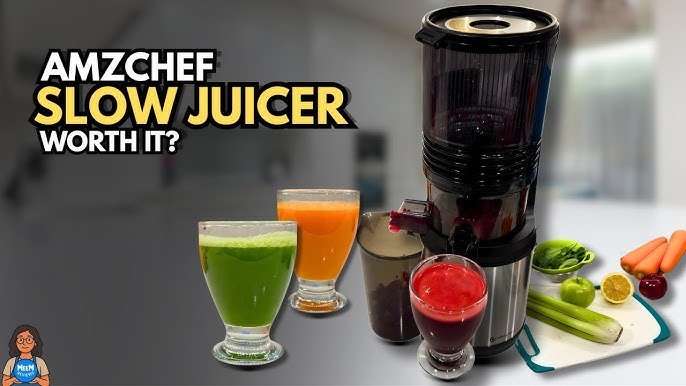
A cold press juicer, also called a masticating juicer, works differently from regular juicers. Instead of spinning blades at high speed, it uses a slow rotating auger to crush fruits and vegetables. This process squeezes out juice gently, without generating much heat. The low speed keeps air and heat away, which helps protect vitamins and enzymes.
In contrast, a centrifugal juicer uses fast spinning blades to shred produce and separate juice from pulp. This method is quicker but can cause oxidation, making juice less fresh and sometimes less nutritious.
Cold press juicers are often marketed as the healthier option. But is the difference big enough for daily use?
Nutritional Benefits: Is Cold Press Really Healthier?
One key selling point is the claim that cold press juicers preserve more nutrients. Let’s look at the facts.
Vitamin Retention
Cold press juicers keep juice cool during extraction. This is important because heat can destroy sensitive vitamins like vitamin C and some B vitamins. Research shows that cold press juice retains about 40% more vitamin C than juice made with centrifugal machines.
Enzyme Preservation
Enzymes help your body digest food and absorb nutrients. High heat and fast spinning can damage enzymes, but cold press juicers use gentle pressure, protecting them. This means your juice may be more beneficial for your digestion.
Less Oxidation
Oxidation makes juice spoil faster and reduces nutritional value. Because cold press juicers minimize air contact, your juice stays fresh longer. It also keeps its color, taste, and aroma.
Fiber And Yield
Cold press juicers often extract more juice from the same amount of produce. You get a higher yield and less waste. Some models also let you adjust the pulp level, so you can keep more fiber if you want.
Example Data
Studies comparing cold press and centrifugal juicers found:
- Cold press juice had 35% more antioxidants.
- Juice lasted up to 72 hours in the fridge without losing flavor.
- Centrifugal juice lost 50% of its nutrients within 24 hours.
So, for people who want maximum nutrition every day, cold press juicers do offer real advantages.
Comparing Cold Press And Centrifugal Juicers
To understand if cold press juicers are worth it, let’s compare them directly. Here’s a summary of the main differences:
| Feature | Cold Press Juicer | Centrifugal Juicer |
|---|---|---|
| Speed | Slow (50-110 RPM) | Fast (1,500-20,000 RPM) |
| Juice Quality | High, rich flavor, less foam | More foam, less flavor |
| Nutrient Retention | Better (more vitamins, enzymes) | Lower, due to heat/oxidation |
| Noise Level | Quiet | Loud |
| Price Range | $150-$500+ | $50-$200 |
| Cleaning Difficulty | Moderate | Easy |
| Produce Types | Works with leafy greens, nuts | Struggles with leafy greens |
| Juice Shelf Life | Up to 72 hours | 12-24 hours |
As you can see, cold press juicers excel in juice quality and nutrient retention. However, they take more time, cost more, and can be harder to clean.
Daily Use: What To Expect
If you plan to use a cold press juicer every day, there are practical points to consider.
Time Commitment
Cold press juicers are slower. It usually takes 10–15 minutes to make a glass of juice, compared to 2–5 minutes with centrifugal machines. Prep time also matters—fruits and vegetables often need to be cut into smaller pieces.
Cleaning
Cleaning is a common complaint. Most cold press juicers have several parts that need washing after each use. Some models have dishwasher-safe parts, but not all. If you don’t clean right away, pulp can dry and stick, making the job harder.
Consistency
Cold press juicers give a smooth, thick juice with little foam. You can also juice leafy greens, wheatgrass, and nuts—something centrifugal juicers can’t do well. This is great for people who want to try different recipes.
Noise
Cold press juicers are much quieter, which is helpful if you juice early morning or late at night.
Juice Storage
Because juice from cold press machines lasts longer, you can make larger batches and store them in the fridge for up to 3 days. This saves time for busy mornings.
Example: A Week With A Cold Press Juicer
Imagine you use a cold press juicer every morning:
- Day 1: Make carrot-apple juice. It takes 12 minutes, cleaning takes 7 minutes.
- Day 2: Try spinach-cucumber juice. Prep takes longer because leafy greens need extra washing.
- Day 3: Make almond milk. Cold press juicers can handle nuts, but you need to soak them overnight.
- Day 4–7: Repeat with different fruits and veggies. Juice tastes fresh, stays bright in color, and you notice less foam each day.
After a week, you notice:
- Your juice is more flavorful.
- You spend more time prepping and cleaning.
- You waste less produce because the juicer extracts more juice.
- You can store juice for later, which saves time.

Credit: londonjuicecompany.com
Cost: Is It Worth The Investment?
Cold press juicers are not cheap. Prices range from $150 for basic models up to $500 or more for premium brands. Let’s look at the economics.
Upfront Cost
A quality cold press juicer costs at least $200. Centrifugal models can be found for under $100. If you are on a tight budget, this is a big difference.
Long-term Savings
Because cold press juicers extract more juice, you may use less produce over time. For example, if you juice daily and save half a cup of juice each time, that adds up:
- 0.5 cup per day x 365 days = 182.5 cups per year
- If produce costs $2 per cup, you save $365 per year
Over 2–3 years, the savings can cover the price difference.
Repairs And Warranty
Cold press juicers tend to have stronger motors and parts, but repairs can be costly. Many brands offer long warranties, sometimes up to 10 years.
Comparing Costs
Here’s a quick look at potential costs over 3 years:
| Expense | Cold Press Juicer | Centrifugal Juicer |
|---|---|---|
| Initial Price | $250 | $80 |
| Produce Savings | -$600 | -$300 |
| Repairs/Parts | $50 | $30 |
| Total (3 years) | -$300 | $190 |
Cold press juicers can pay off if you juice often and value quality. But for occasional users, centrifugal juicers cost less and may be easier.
Cold Press Juicer Types And Popular Models
Not all cold press juicers are the same. Let’s look at the main types and some examples.
Horizontal Masticating Juicers
These models have a horizontal auger. They are slower but handle leafy greens and wheatgrass well. Example: Omega J8006.
Vertical Masticating Juicers
These are more compact and often faster. They work well for most fruits and vegetables but may struggle with tough greens. Example: Hurom H-AA.
Twin Gear Juicers
These have two gears that crush produce even more efficiently. Juice quality is highest, but these are expensive and take up more space. Example: Tribest Greenstar Elite.
Popular Models
Here’s a comparison of top cold press juicers:
| Model | Type | Price | Yield | Warranty |
|---|---|---|---|---|
| Omega J8006 | Horizontal | $260 | High | 15 years |
| Hurom H-AA | Vertical | $400 | Medium | 10 years |
| Tribest Greenstar Elite | Twin Gear | $530 | Highest | 12 years |
| Kuvings Whole Slow Juicer | Vertical | $450 | High | 10 years |
When choosing a model, consider space, budget, and warranty.
Who Should Use A Cold Press Juicer Daily?
Cold press juicers are best for:
- People who want maximum nutrition
- Those who juice leafy greens, wheatgrass, or nuts often
- Anyone who wants to store juice for later
- Families who juice daily and want to save on produce
On the other hand, if you only juice occasionally, or don’t care about foam or shelf life, a centrifugal juicer may be enough.
Non-obvious Insight
Many beginners overlook the importance of produce selection. Cold press juicers work better with fresh, crisp produce. If you use wilted or soft fruits, your juice can turn out watery. Also, some models struggle with certain ingredients like bananas or avocados, which are better for blending.
Another detail: cold press juicers can make more than juice. Many models let you make nut milk, sorbet, baby food, or even pasta. If you want a versatile kitchen appliance, this adds value.
Common Mistakes With Cold Press Juicers
Understanding mistakes can help you get the most from your juicer.
- Not cleaning immediately: Pulp dries fast and becomes hard to remove. Clean right after use.
- Overloading the chute: Feeding too much produce at once can block the auger. Go slow.
- Using wrong produce: Avoid overripe fruits and vegetables. They can clog the machine and reduce juice quality.
- Ignoring maintenance: Lubricate parts if needed and check for wear.
- Buying a model without warranty: Repairs can be expensive, so choose a brand with a long warranty.
Practical Tips For Daily Use
If you want to use a cold press juicer every day, here are some tips:
- Prep produce ahead: Wash and cut fruits and veggies in advance, store in containers.
- Make juice in batches: Juice for 2–3 days at once, store in airtight bottles.
- Clean immediately after juicing: Saves time and keeps your machine healthy.
- Experiment with recipes: Try leafy greens, root vegetables, and nut milks for variety.
- Store juice in glass containers: Plastic can absorb flavors and odors.
Non-obvious Insight
Many people think cold press juicers are only for health fans. In fact, they are popular with chefs and bartenders because of the rich, vibrant juice they produce. If you enjoy entertaining or want to make cocktails, cold press juice can raise your drinks to a new level.
Environmental Impact
Cold press juicers can help reduce food waste. Because they extract more juice, less pulp ends up in the trash. Some people use leftover pulp in recipes like muffins, soups, or compost. The machines themselves use less electricity than fast juicers, which is a small but positive impact.
Is Cold Press Juicing A Trend Or A Lasting Choice?
Some wonder if cold press juicing is just a trend. However, data suggests it’s here to stay. The global juicer market is expected to grow by 6% yearly, with cold press models leading the way. People are more health-conscious and willing to invest in appliances that support their goals.
Alternatives To Cold Press Juicers
If you’re not ready for a cold press juicer, consider these options:
- Centrifugal juicer: Fast, cheap, easy for basic juicing.
- Blender: For smoothies, not juice, but keeps all the fiber.
- Manual press: For citrus fruits only, simple and cheap.
Cold press juicers offer the best quality, but alternatives can suit some needs.
Health And Safety Tips
Juicing every day can be healthy, but remember:
- Don’t rely only on juice for nutrition. Whole fruits and vegetables provide fiber.
- Clean your juicer thoroughly to avoid bacteria growth.
- Use fresh, high-quality produce. Wash carefully to remove pesticides.
- If storing juice, use airtight bottles and refrigerate right away.
Where To Find Reliable Information
Before buying, read reviews and compare models. Look for tests by experts and real user experiences. For more scientific data, see Healthline for detailed articles about juicing methods and benefits.

Credit: www.walmart.com
Frequently Asked Questions
How Long Does Cold Press Juice Last?
Cold press juice can last up to 72 hours in the fridge. Use airtight glass containers and keep juice cold. After 3 days, flavor and nutrients may decline.
Can I Juice Leafy Greens Every Day With A Cold Press Juicer?
Yes, cold press juicers handle leafy greens well. They extract more juice and nutrients compared to centrifugal models. Add lemon or apple for better flavor.
Is It Safe To Drink Cold Press Juice Daily?
Drinking cold press juice daily is safe if you use fresh produce and clean the machine properly. Remember to keep a balanced diet and not rely only on juice.
Are Cold Press Juicers Hard To Clean?
Cold press juicers have more parts and can take longer to clean. Many models include dishwasher-safe parts. Cleaning right after use makes the process easier.
What Is The Difference Between Cold Press And Centrifugal Juicers?
Cold press juicers use a slow auger to extract juice, keeping nutrients intact and producing less foam. Centrifugal juicers use fast spinning blades, which can cause heat and reduce juice quality.
Final Thoughts
Cold press juicers offer clear benefits for daily use—higher nutrition, better flavor, and longer-lasting juice. They are quieter and can handle a wider range of ingredients. However, they cost more, take longer, and require more cleaning. If you value quality and plan to juice every day, a cold press juicer is a smart investment.
For those who only juice sometimes, or want quick results, centrifugal juicers may be enough. Think about your goals, habits, and budget before making a decision. With the right approach, daily cold press juicing can become a healthy, enjoyable part of your routine.
Credit: www.youtube.com