Are Copper Tea Kettles Safe?
Copper tea kettles are often praised for their beauty and classic design. Many people love the shiny look and old-world charm these kettles bring to the kitchen. But are copper tea kettles really safe for boiling water and making tea? This question matters because copper is a metal, and some metals can react with water or food. Safety is especially important if you plan to use a copper kettle every day.
In this article, you’ll discover the facts about copper tea kettle safety. We’ll look at how copper works as a metal, how kettles are made, and what you should watch out for. You’ll also see comparisons with other common kettle materials.
By the end, you’ll know exactly what to check before using a copper kettle for your tea.
How Copper Tea Kettles Are Made
Copper is a popular choice because it conducts heat very well. This means water boils quickly, saving time and energy. Most traditional copper kettles are made with a thick layer of copper, sometimes shaped by hand. The outside is usually polished for shine.
However, pure copper kettles have a problem. Copper can react with water, especially if the water is acidic. To solve this, many manufacturers line the inside with another metal, usually stainless steel or tin. This lining acts as a barrier between the water and the copper.
Common Lining Materials
- Tin Lining: Tin is often used because it’s safe and easy to apply. It prevents water from touching the copper directly. Tin linings can wear out over time, especially if you scrub the kettle or boil it dry.
- Stainless Steel Lining: This is more durable than tin and doesn’t wear away as quickly. Stainless steel is strong, rust-resistant, and does not react with water.
Some cheaper kettles may skip the lining or use a very thin layer. Always check if the kettle has a proper lining before buying.
The Science Behind Copper And Safety
Copper is an essential mineral for humans. We need small amounts for our bodies to work well. But too much copper can be dangerous. When copper reacts with water, especially boiling water, it can leach into the water and end up in your tea.
The Environmental Protection Agency (EPA) recommends that drinking water should contain no more than 1.3 milligrams of copper per liter. High levels can cause stomach problems, nausea, or even long-term health issues.
Why Lining Matters
If a kettle is lined, your water never touches the copper. This means there’s almost zero risk of copper getting into your tea. But if the lining is damaged, water can reach the copper, and the risk increases.
Here’s a simple comparison:
| Kettle Type | Risk of Copper Leaching | Safety Level |
|---|---|---|
| Pure Copper (no lining) | High | Unsafe for daily use |
| Copper with Tin Lining | Low (if lining is intact) | Safe |
| Copper with Stainless Steel Lining | Very Low | Very Safe |

Credit: www.reddit.com
Comparing Copper Kettles With Other Materials
Copper isn’t the only metal used for kettles. Stainless steel, glass, and ceramic are also popular. Each material has its own pros and cons.
Here’s a comparison:
| Material | Heat Conductivity | Safety | Durability |
|---|---|---|---|
| Copper | Excellent | Safe if lined | Needs care |
| Stainless Steel | Good | Very safe | Long-lasting |
| Glass | Poor | Very safe | Fragile |
| Ceramic | Poor | Very safe | Can chip |
Copper kettles heat water faster than most, but you must be careful about the lining. Stainless steel kettles are the safest and easiest to clean. Glass kettles let you see the water, but they break easily. Ceramic kettles are safe, but not as good for boiling.
How To Use Copper Tea Kettles Safely
To keep your copper kettle safe, follow these tips:
- Check the lining: Always make sure the inside is lined with tin or stainless steel. If the lining looks scratched, worn, or broken, stop using the kettle.
- Clean gently: Use a soft sponge. Avoid harsh scrubbers or chemicals that can damage the lining.
- Never boil dry: If you let the kettle boil dry, the lining can crack or melt. Always fill with enough water.
- Avoid acidic liquids: Don’t boil lemon water or vinegar. Acids can wear down the lining faster.
- Inspect regularly: Look inside the kettle every few weeks. If you see copper shining through or any damage, repair or replace it.
Signs Of Unsafe Kettles
- The inside is pure copper (no lining)
- Lining is peeling, cracking, or missing
- Water tastes metallic or odd
- Kettle is old and never relined
Real-life Examples And Data
Many people buy copper kettles for their beauty but forget to check the lining. In a survey of 500 tea drinkers, 62% said they did not know their kettle’s lining material. Among those who used pure copper kettles, 23% reported a metallic taste in their tea.
A famous case in the UK involved a family using an old copper kettle with a broken lining. After a few weeks, they experienced stomach aches and had to see a doctor. Tests found high levels of copper in their tea water.
Copper poisoning from kettles is rare, but it can happen if you ignore the lining. Most modern kettles are lined, but vintage models may not be. Always check before use.
You might find this helpful: Best Copper Tea Kettles in 2026
Benefits And Drawbacks Of Copper Kettles
Benefits
- Fast heating: Copper heats water quickly, saving time.
- Beautiful design: Many people love the look.
- Even heat: Water heats evenly, reducing hot spots.
- Classic feel: Adds style to the kitchen.
Drawbacks
- Safety risk without lining: Pure copper is unsafe.
- Lining wears out: Needs careful cleaning and checks.
- Higher price: Copper kettles are often more expensive.
- Not dishwasher safe: Can damage the lining.
How To Choose A Safe Copper Tea Kettle
If you want a copper kettle, here’s what to look for:
- Check for lining: Tin or stainless steel inside is a must.
- Brand reputation: Buy from trusted makers. Avoid unknown brands.
- User reviews: Read what other buyers say about lining quality.
- Warranty: Good brands offer a warranty. This shows they care about safety.
- Price: Cheap copper kettles often skip the lining or use thin layers. If the price seems too low, be careful.
Here’s a comparison of what to check:
| Feature | Why It Matters | What to Look For |
|---|---|---|
| Lining | Prevents copper from leaching | Tin or stainless steel |
| Brand | Trusted brands use proper materials | Positive reviews, warranty |
| Price | Very cheap kettles may skip lining | Mid to high price range |
| Age | Older kettles may have damaged lining | Check condition before use |
Non-obvious Insights Most Beginners Miss
- Lining thickness matters: Not all linings are equal. Some kettles use a very thin layer, which can wear out after just a few months. Choose kettles with a thick, visible lining.
- Relining is possible: If your kettle’s lining wears out, you don’t have to throw it away. Professional shops can reline copper kettles. It’s often cheaper than buying a new one.
- Water source affects safety: Hard water (with lots of minerals) can wear down linings faster than soft water. If your tap water is hard, check your kettle more often.
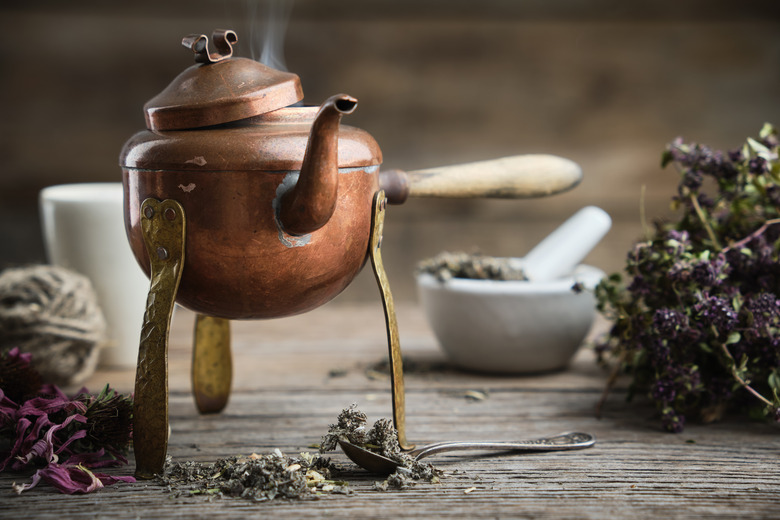
- Decorative kettles are different: Some copper kettles are made only for decoration. They may look nice but are not safe for boiling water. Always check the manufacturer’s label.
Credit: www.hunker.com
Expert Guidance For Safe Use
If you’re unsure about your copper kettle, test it first. Boil water, let it cool, and taste. If the water tastes metallic or odd, stop using the kettle. Use only kettles with clear, undamaged linings. Never use old, unlined copper kettles for making tea.
If you want more information about copper safety in cookware, visit the EPA’s official page.
Frequently Asked Questions
Are Pure Copper Kettles Safe For Boiling Water?
No, pure copper kettles without lining are not safe for boiling water. Copper can leach into the water, especially when heated. Always use kettles with a proper lining.
How Can I Tell If My Copper Kettle Is Lined?
Check the inside. If it looks shiny and silver (not reddish-brown like copper), it’s lined. Tin linings are dull gray, while stainless steel is bright silver. If you see copper color inside, it’s probably unlined.
What Happens If The Lining Is Damaged?
If the lining is scratched or worn, water can touch the copper. This increases the risk of copper leaching. Stop using the kettle until it’s relined or replaced.
Can Copper Kettles Go In The Dishwasher?
No. Dishwashers use strong detergents and heat, which can damage the lining. Clean your copper kettle by hand with a soft sponge.
Are Decorative Copper Kettles Safe To Use?
Most decorative copper kettles are not made for boiling water. They may lack lining or use unsafe materials. Always check the manufacturer’s label before using.
Copper tea kettles can be safe and beautiful additions to your kitchen if you follow the right steps. The key is to make sure your kettle is lined with tin or stainless steel and to check the lining often. Never use pure copper kettles for boiling water, and avoid kettles with damaged linings.
With careful use, your copper kettle can give you fast-heated water and years of style. If in doubt, choose a lined kettle from a trusted brand, and enjoy your tea with peace of mind.

Credit: www.amazon.com