Are Enamel Tea Kettles Safe?
Tea kettles come in many shapes and materials, but enamel tea kettles stand out for their beautiful colors and classic design. Many people wonder if these kettles are safe for daily use, especially with boiling water and high heat. If you are considering buying an enamel tea kettle or already own one, understanding the safety factors is important. This guide will help you make an informed decision by looking at safety, durability, health risks, and practical tips.
What Is An Enamel Tea Kettle?
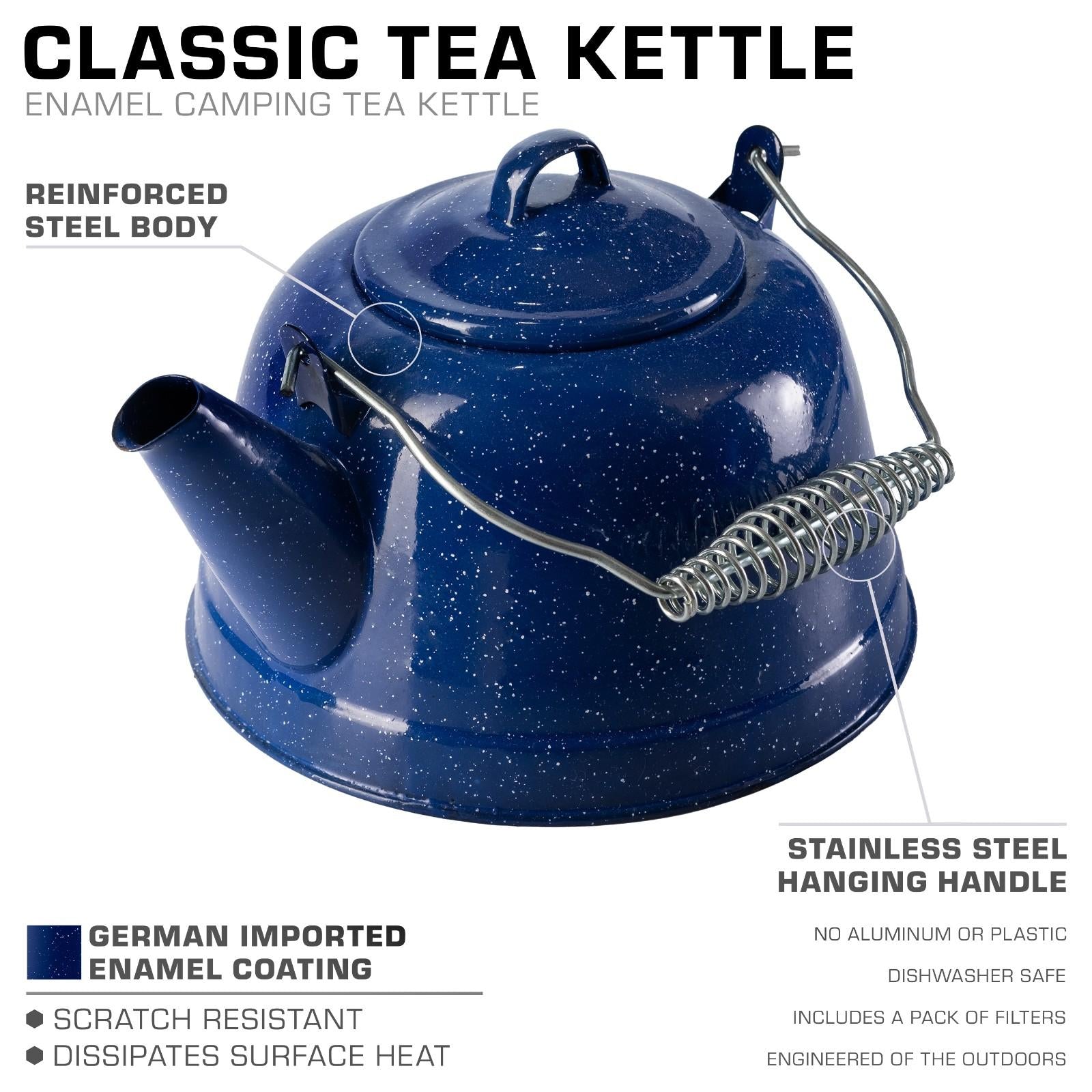
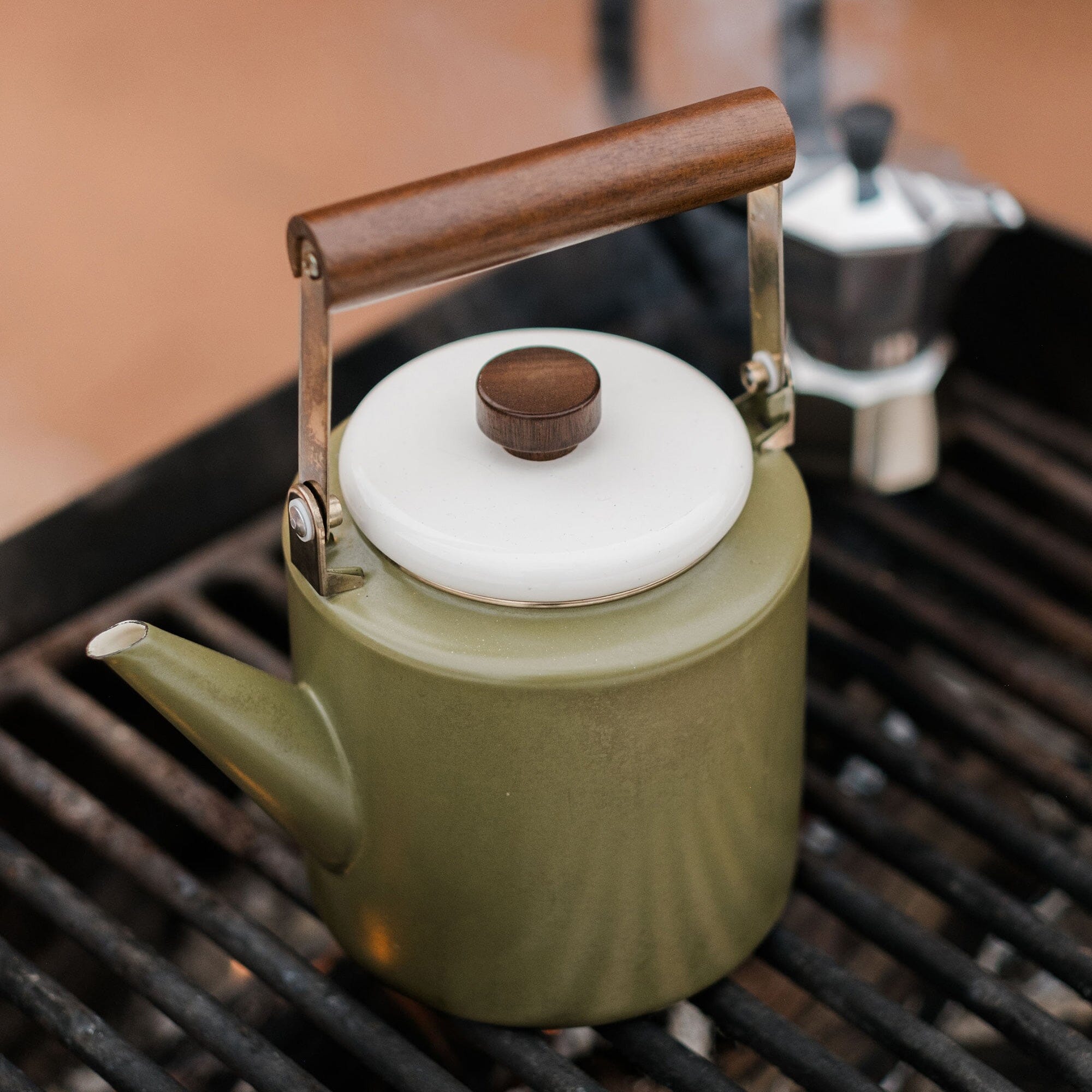
An enamel tea kettle is made from metal (usually steel or cast iron) covered with a glass-like coating called enamel. The enamel layer protects the metal from rust and gives the kettle a shiny, colorful finish. The kettle can be used to boil water on stovetops and is popular for its style and easy cleaning.
Enamel kettles are found in homes, cafes, and even restaurants. Brands like Le Creuset, Chantal, and Cuisinart offer enamel kettles in many designs. This coating is not only decorative—it is also designed to act as a barrier between water and the metal.
Are Enamel Tea Kettles Safe For Daily Use?
Safety depends on how the kettle is made, used, and cared for. Here are key points to consider:
- Food-Safe Enamel Coatings: Most modern enamel tea kettles use food-grade enamel that does not leach chemicals into boiling water. This coating is made to withstand high temperatures and is tested for safety.
- No Heavy Metal Leaching: The enamel layer prevents lead, cadmium, or other harmful metals from touching your water. Older kettles (especially antique or imported ones) may not meet modern safety standards, so always check the origin and certification.
- Heat Resistance: Enamel is strong, but it can crack or chip if dropped or exposed to sudden temperature changes. A damaged enamel surface can expose the metal underneath, which might rust or leach metals.
- Dishwasher Safety: Some enamel kettles are labeled as dishwasher safe, but hand washing is usually better to avoid chips.
- Safe for Most Stovetops: Enamel kettles work well on gas, electric, and induction stoves. However, always check the manufacturer’s instructions.
Health Risks: What Should You Know?
There are a few health risks to be aware of, but most are avoidable with good care:
- Chipped Enamel: If the enamel chips, boiling water can touch the metal underneath. This can cause rust or, in rare cases, metal leaching. Small chips usually do not cause problems, but large cracks should be fixed or the kettle replaced.
- Lead and Cadmium Concerns: Some older or cheaply made kettles may have unsafe levels of lead or cadmium in the enamel. These metals are toxic. Always buy from trusted brands and look for certifications like FDA approval or “lead-free” labels.
- Overheating: Enamel kettles should not be heated when empty. Overheating can damage the enamel and the kettle itself.
- Flavor and Odor: Enamel is non-reactive, so it does not change the taste of your water or tea. However, if the kettle is damaged, you might notice a metallic taste.
Comparing Enamel Tea Kettles To Other Materials
How do enamel tea kettles compare to other common kettle types? Here’s a simple comparison:
| Kettle Type | Safety | Durability | Flavor Impact |
|---|---|---|---|
| Enamel | High (if not chipped) | Moderate (can chip) | None |
| Stainless Steel | Very High | Very High | None |
| Glass | High | Low (can crack) | None |
| Copper | Moderate (needs lining) | High | Possible metallic taste |
| Cast Iron | High (with enamel) | Very High | None |
Enamel kettles are safe when used correctly, but stainless steel is usually the safest and most durable. Glass kettles offer a clean look but are fragile. Copper kettles must have a lining to avoid metal leaching.
Credit: coletticoffee.com
Data On Enamel Kettle Safety
Studies on enamel-coated cookware show that well-made enamel does not leach chemicals at normal cooking temperatures. For example, a 2026 study found no detectable levels of lead or cadmium in water boiled in new, certified enamel cookware. However, chipped enamel surfaces can expose underlying metals.
Here’s a summary of findings from recent research:
| Study/Source | Main Finding | Year |
|---|---|---|
| FDA Guidelines | Certified enamel is lead-free | 2020 |
| Consumer Reports | No leaching in intact enamel kettles | 2026 |
| EU Safety Study | Chipped enamel increases risk | 2019 |
This data confirms that enamel tea kettles are safe as long as the coating is intact and the kettle comes from a reputable manufacturer.
How To Choose A Safe Enamel Tea Kettle
Choosing the right kettle is important for both safety and satisfaction. Here are some practical tips:
- Buy from Trusted Brands: Stick to well-known brands with good reviews and safety certifications.
- Check for Lead-Free Certification: Look for labels or documentation showing the kettle is lead-free and cadmium-free.
- Inspect the Enamel: Before buying, check for any cracks, chips, or uneven surfaces. If buying online, read customer reviews.
- Choose the Right Size: Pick a kettle that fits your needs. Smaller kettles heat faster but hold less water.
- Handle Design: Make sure the handle stays cool and is easy to grip.
- Stovetop Compatibility: Check that the kettle works with your stove (gas, electric, induction).
- Warranty: Look for kettles with a warranty or satisfaction guarantee.
Caring For Your Enamel Tea Kettle
Proper care keeps your kettle safe and looking good. Here are some tips:
- Hand Wash: Use mild soap and a soft sponge. Avoid steel wool or harsh cleaners that can scratch the enamel.
- Dry Thoroughly: After washing, dry the kettle to prevent water spots and rust.
- Avoid Sudden Temperature Changes: Don’t pour cold water into a hot kettle or vice versa. This can crack the enamel.
- Don’t Heat When Empty: Heating an empty kettle can damage the enamel and warp the metal.
- Repair or Replace if Chipped: Small chips can sometimes be repaired, but large chips may require replacing the kettle.
Common Mistakes When Using Enamel Tea Kettles
Even experienced users make mistakes that can reduce safety or lifespan. Here are some common errors:
- Heating Without Water: Always check there is water in the kettle before placing it on the stove.
- Using Metal Utensils: Metal spoons or whisks can scratch or chip the enamel.
- Letting Water Stand: Leaving water in the kettle for hours can cause stains or increase rust risk if the enamel is chipped.
- Ignoring Chips: Using a kettle with a large chip is risky. Replace or repair it.
- Storing Wet: Always dry your kettle before storing.

Credit: www.amazon.com
Non-obvious Insights For Safe Use
Most guides cover basic care, but here are some tips many beginners miss:
- Check for Hidden Chips: Sometimes chips are under the lid or at the spout. Inspect these areas regularly, especially if you hear a strange noise or see rust spots.
- Don’t Use Abrasive Cleaners: Even “gentle” abrasive cleaners can wear down the enamel over time. Stick to soft cloths.
- Avoid High Heat: Use medium heat for boiling. High heat can cause the enamel to crack, especially if the kettle is empty or nearly dry.
The Environmental Impact Of Enamel Tea Kettles
Enamel kettles last longer than plastic or cheap metal kettles if cared for well. They are recyclable if the enamel is removed, but most recycling centers do not accept them as-is. Choosing a durable kettle reduces waste. Also, enamel kettles do not release microplastics or toxic fumes, unlike some plastic kettles.
Real-world Example: A Family’s Experience
The Smith family used a cheap enamel kettle for years. After noticing a strange taste in their tea, they checked the kettle and found a large chip at the spout. After replacing it with a certified, lead-free kettle, the taste improved, and they felt safer. Their experience shows the importance of checking for damage and buying from trusted brands.
Cost And Value Comparison
Is an enamel tea kettle worth the price? Here’s a quick look:
| Kettle Type | Average Price | Longevity | Maintenance |
|---|---|---|---|
| Enamel | $30–$80 | 5–10 years | Medium |
| Stainless Steel | $20–$60 | 10–20 years | Low |
| Glass | $25–$50 | 2–5 years | Medium |
| Copper | $50–$120 | 10–20 years | High |
Enamel kettles offer good value if you prefer style and are willing to care for them. Stainless steel is best for durability and low maintenance.
Credit: barebonesliving.com
Where To Find More Information
If you want detailed safety guidelines or certification info, visit the FDA Food Safety page. This resource explains how cookware is tested and certified.
Frequently Asked Questions
Are Enamel Tea Kettles Safe For Boiling Water?
Yes, enamel tea kettles are safe for boiling water if the enamel is intact and the kettle is certified as lead-free. Avoid using kettles with large chips or cracks.
Can Enamel Tea Kettles Go In The Dishwasher?
Some enamel kettles are labeled dishwasher safe, but hand washing is usually better. Dishwashers can cause chips, especially over time.
What Should I Do If My Enamel Kettle Is Chipped?
If the chip is small and does not expose metal, you can keep using it. Large chips or exposed metal mean you should replace the kettle to avoid health risks.
Is Enamel Better Than Stainless Steel For Tea Kettles?
Stainless steel is more durable and low maintenance, but enamel kettles are stylish and non-reactive. Both are safe if made well.
Do Enamel Tea Kettles Affect The Taste Of Tea?
No, enamel does not affect the taste of tea. If you notice a metallic taste, check for chips or damage.
Final Thoughts
Enamel tea kettles offer a safe, stylish way to boil water when used and cared for properly. The most important safety factors are buying from trusted brands, checking for chips, and following care instructions. While stainless steel is more durable, enamel kettles add color and charm to any kitchen. If you love tea and want a kettle that looks good and works well, an enamel tea kettle is a safe choice—just keep an eye on the enamel and handle it gently.