Are Kitchenaid Stand Mixer Bowls Interchangeable
Kitchenaid stand mixers are famous for their power, style, and reliability. Many home bakers and professionals love these mixers because they make kitchen tasks easier. But as you use your Kitchenaid mixer, you may wonder: are Kitchenaid stand mixer bowls interchangeable? Can you use different bowls for different models, or switch between materials? This question is important for anyone wanting to upgrade, replace, or add new bowls to their collection. Let’s explore the facts, clear up confusion, and help you make the best choice for your kitchen.
Understanding Kitchenaid Stand Mixer Models
Before discussing bowl compatibility, it’s important to know that Kitchenaid mixers are not all the same. The company offers several types, each with its own design and features.
- Classic Series: Entry-level, 4.5-quart bowl
- Artisan Series: Popular, 5-quart bowl
- Professional Series: Larger, 6-7 quart bowl
- Mini Series: Compact, 3.5-quart bowl
Each series has unique bowl sizes and attachment styles. The shape and mounting system of the bowl may look similar, but small differences can affect compatibility. Some models use a tilt-head design, while others use a bowl-lift system.
Tilt-head Vs Bowl-lift
- Tilt-Head Mixers: The top lifts up, making it easy to add ingredients or change the bowl.
- Bowl-Lift Mixers: The bowl is raised and lowered with a lever; the head stays fixed.
These designs are not just cosmetic. The way the bowl attaches is different for each type, which is a key factor in interchangeability.
Are Kitchenaid Mixer Bowls Interchangeable?
The simple answer: not all Kitchenaid mixer bowls are interchangeable. Compatibility depends on the model, bowl size, and how the bowl attaches to the mixer.
Tilt-head Mixer Bowls
All tilt-head mixers have a similar locking system. Most 4.5-quart and 5-quart bowls for tilt-head mixers will fit Artisan, Classic, and some other tilt-head models. But, there are exceptions.
For example, the Artisan Mini uses a smaller, 3.5-quart bowl. This bowl will not fit standard tilt-head models because of the size difference and the way it locks.
Bowl-lift Mixer Bowls
Bowl-lift models come in several sizes: 5-quart, 6-quart, and 7-quart. The bowls are designed to fit onto two arms that lift and hold them. While some 6-quart bowls may fit other bowl-lift mixers, you should not assume all bowl-lift bowls will fit every bowl-lift model.
Mixing Bowl Material Options
Kitchenaid bowls come in stainless steel, glass, and ceramic. Each material offers benefits, but compatibility is still tied to the mixer model.
- Stainless steel: Durable, lightweight, most common
- Glass: Transparent, useful for seeing ingredients, heavier
- Ceramic: Stylish, resistant to scratches, can chip if dropped
You can often buy a glass or ceramic bowl as an accessory for your tilt-head mixer, but not all models support these materials. Always check the model number.
Quick Compatibility Overview
Here’s a simple comparison of bowl compatibility for popular Kitchenaid stand mixer types:
| Stand Mixer Type | Bowl Type | Interchangeable? |
|---|---|---|
| Tilt-Head (Artisan, Classic) | 4.5 & 5-quart stainless, glass | Yes, usually |
| Tilt-Head (Mini) | 3.5-quart | No, only Mini bowls |
| Bowl-Lift (Professional) | 5, 6, 7-quart stainless | Sometimes, but check model |
| Bowl-Lift (Commercial) | 8-quart | No, unique size |
Key Factors Affecting Bowl Compatibility
1. Bowl Mounting System
The way a bowl attaches is the most important factor. Tilt-head bowls use a twist-lock at the base. Bowl-lift bowls have two side hooks. Trying to use a bowl from one system on the other will not work.
2. Bowl Capacity
Even within the same mounting system, bowl size matters. A 5-quart bowl may fit a tilt-head mixer, but a 3. 5-quart bowl from a Mini will not fit.
3. Material And Shape
Some glass or ceramic bowls have unique shapes or handles. If the bowl is too wide or the handle is positioned differently, it may block the mixer’s head or attachments.
4. Model Year And Series
Kitchenaid sometimes updates its designs. Older mixer models might not accept newer bowls, even if the size looks similar. Always check the model number before buying a replacement or accessory bowl.
How To Check If Your Bowl Is Interchangeable
If you want to use a different bowl, follow these steps:
- Find your mixer’s model number. It’s usually on the bottom or back of the mixer.
- Check the bowl size and type. Is it tilt-head or bowl-lift? What is the capacity?
- Look for official compatibility lists. Kitchenaid’s website or product manual often has a list of compatible bowls.
- Try fitting the bowl. If you have access to the bowl, try attaching it to your mixer. Don’t force it; if it doesn’t fit easily, it’s not compatible.
- Ask customer support. If you’re unsure, contact Kitchenaid support for advice.
Common Mistakes When Buying Replacement Bowls
Many people make simple mistakes when shopping for new bowls. Avoid these to save time and money.
- Assuming all tilt-head bowls fit all tilt-head mixers. Always check model and size.
- Buying bowl-lift bowls for tilt-head mixers. They are not compatible.
- Ignoring bowl material differences. Some mixers do not support glass or ceramic bowls.
- Forgetting about handle placement. A bowl with a unique handle may block the mixer head.
Real-life Examples
To show how compatibility works, let’s look at some examples.
Example 1: Artisan Vs Classic Tilt-head
The Artisan and Classic mixers both use 4.5-quart and 5-quart bowls. In most cases, you can swap bowls between these models. However, if the bowl has a special handle or is made of glass, check the product description for compatibility.
Example 2: Mini Mixer Bowl
The Artisan Mini uses a 3.5-quart bowl. This bowl is smaller and has a different locking mechanism than standard tilt-head bowls. You cannot use a regular 4.5-quart or 5-quart bowl on the Mini, and vice versa.
Example 3: Bowl-lift Professional Series
Professional models use larger bowls, usually 6-quart or 7-quart. Some models support both sizes, but others only fit one. For example, a 6-quart bowl may fit a 7-quart mixer, but an 8-quart bowl from a commercial model will not fit a home model.
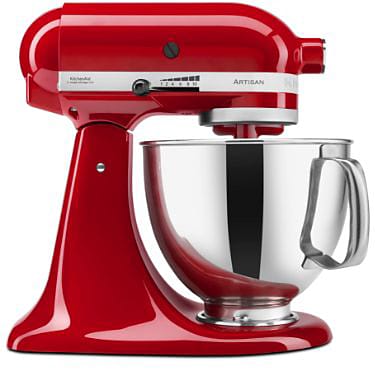
Credit: www.kitchenaid.ca
Benefits Of Having Multiple Bowls
Many bakers like to have more than one bowl. Here’s why:
- Save time: Mix dough in one bowl, whip cream in another without washing between steps.
- Experiment with recipes: Try different doughs or batters side by side.
- Backup for big batches: Use a larger bowl when making double recipes.
If your model supports different bowl types, you can choose between glass, stainless steel, and ceramic for different tasks.
Data: Popular Kitchenaid Bowl Sizes And Features
Here’s a comparison of Kitchenaid’s most common bowls:
| Capacity | Material | Fits Mixer Type | Extra Features |
|---|---|---|---|
| 3.5-quart | Stainless Steel | Mini Tilt-Head | Lightweight, easy to clean |
| 4.5-quart | Stainless Steel | Classic Tilt-Head | Standard locking base |
| 5-quart | Glass | Artisan Tilt-Head | Pour spout, measurement marks |
| 6-quart | Stainless Steel | Professional Bowl-Lift | Side handles |
| 7-quart | Ceramic | Professional Bowl-Lift | Decorative patterns |
Non-obvious Insights For Bowl Compatibility
- Attachment Height Matters: Even if a bowl fits the base, the height of the bowl can affect how attachments (like the whisk or paddle) reach ingredients. Some bowls are deeper or shallower; mixing performance may change if the bowl is not an exact match.
- Accessory Limitations: Some specialty bowls (like glass with a pour spout) may not work well with all attachments, especially older or third-party beaters.
- Dishwasher Safety: Not all bowls are dishwasher-safe. For example, some ceramic bowls need handwashing, while stainless steel usually survives the dishwasher.
- Temperature Handling: Glass bowls can go in the microwave for melting butter or chocolate, but stainless steel cannot. Ceramic bowls hold heat longer, which helps with dough rising.
Practical Tips For Choosing The Right Bowl
- Always check compatibility before buying. Look for your mixer’s model number and recommended bowl types.
- Consider bowl material based on your needs. Glass for visibility, stainless steel for durability, ceramic for style.
- Think about handles and weight. If you bake often, a lighter bowl is easier to use.
- Buy from trusted sources. Avoid cheap, third-party bowls unless they are verified for your mixer.
For more detailed compatibility information, you can visit the official Kitchenaid site: Kitchenaid Mixer Bowls.

Credit: www.kitchenaid.com
Frequently Asked Questions
Can I Use A Glass Bowl On Any Kitchenaid Stand Mixer?
No, glass bowls are only compatible with certain tilt-head models. Check your mixer’s manual or the Kitchenaid website to confirm.
What Happens If I Use The Wrong Bowl For My Mixer?
If the bowl does not fit properly, the mixer may not work. Attachments may not reach ingredients, or the bowl may not lock in place. This can cause damage to both the bowl and mixer.
Are Third-party Mixer Bowls Safe To Use?
Some third-party bowls are made to fit Kitchenaid mixers, but they might not meet the same quality standards. Always check reviews and compatibility before buying.
Can I Use A Bowl-lift Mixer Bowl On A Tilt-head Mixer?
No, bowl-lift and tilt-head bowls use different attachment systems. They are not interchangeable.
How Can I Check If A Replacement Bowl Is Compatible?
Find your mixer’s model number and look for compatibility information from the seller or manufacturer. You can also contact Kitchenaid support for advice.
Kitchenaid stand mixer bowls are not universally interchangeable, but understanding your mixer’s model, bowl size, and attachment system makes choosing the right bowl easy. Always check compatibility before buying, and enjoy the flexibility that comes with having multiple bowl options.
With the right bowl, your Kitchenaid mixer will continue to be a reliable partner in your kitchen for years to come.