Skip to content
Mashing potatoes is a classic kitchen task, but it often raises questions—especially when it comes to equipment. If you own a stand mixer, you might wonder: *Can you mash potatoes in a stand mixer?* The answer isn’t just yes or no. It depends on your expectations, technique, and the kind of mashed potatoes you love. Let’s explore how stand mixers handle this job, what results to expect, and how to avoid common mistakes.
Why People Use Stand Mixers For Mashed Potatoes
Home cooks are always searching for ways to save time and reduce effort. The stand mixer is a workhorse in many kitchens, handling everything from bread dough to whipped cream. When it comes to potatoes, using a stand mixer seems like a shortcut to creamy, fluffy mash—especially if you’re preparing a large batch for a family dinner or the holidays.
Stand mixers offer several advantages:
- Speed: They can mash and mix quickly, especially with the right attachment.
- Consistency: The paddle attachment can create smooth, lump-free potatoes.
- Hands-free: You can work on other tasks while the mixer does the job.
However, there’s a catch. Using a stand mixer the wrong way can ruin your potatoes, making them gluey instead of light and creamy. Understanding why this happens is key to mastering mashed potatoes with a stand mixer.
The Science Behind Mashing Potatoes
To understand the best method, it helps to know what happens when you mash potatoes. Potatoes contain starch granules. When you cook and mash potatoes, these granules break down and release starch. If you overwork the potatoes, the starch mixes with the liquid and forms a sticky, glue-like texture.
A stand mixer is powerful. If you use it at high speed for too long, it can easily overwork the potatoes. This is the main reason some people end up with pasty mashed potatoes, especially when using machines.
Stand Mixer Vs. Other Mashing Methods
Let’s compare the stand mixer to other common tools for mashing potatoes. This will help you decide which approach works best for you.
| Tool | Texture | Effort | Batch Size | Risk of Gluey Potatoes |
|---|---|---|---|---|
| Stand Mixer (Paddle) | Smooth to fluffy | Low | Large | Medium to high |
| Hand Masher | Chunky to creamy | Medium | Small to medium | Low |
| Potato Ricer | Very light, no lumps | High | Small | Very low |
| Food Processor | Gummy/paste-like | Low | Medium | Very high |
Stand mixers are best when you need to mash a large amount of potatoes quickly and with minimal effort. If you like perfectly fluffy mashed potatoes, a stand mixer can deliver—but only if you use it carefully.
How To Mash Potatoes In A Stand Mixer: Step-by-step
Getting the best results with a stand mixer involves more than just tossing in your cooked potatoes and turning it on. Here’s how to do it right.
1. Choose The Right Potato
The type of potato you use affects the final texture. Russet and Yukon Gold potatoes are the most popular choices for mashed potatoes. Russets are starchy and create fluffy mash, while Yukon Golds are creamier and slightly buttery.
2. Cook Potatoes Properly
Cut potatoes into even pieces so they cook at the same rate. Boil them in salted water until they’re fork-tender. Overcooking can make them watery, while undercooked potatoes will be lumpy.
3. Drain Well And Dry
Water is the enemy of fluffy mashed potatoes. After boiling, drain the potatoes and return them to the hot pot for a minute or two. This step helps evaporate excess moisture.
4. Use The Right Stand Mixer Attachment
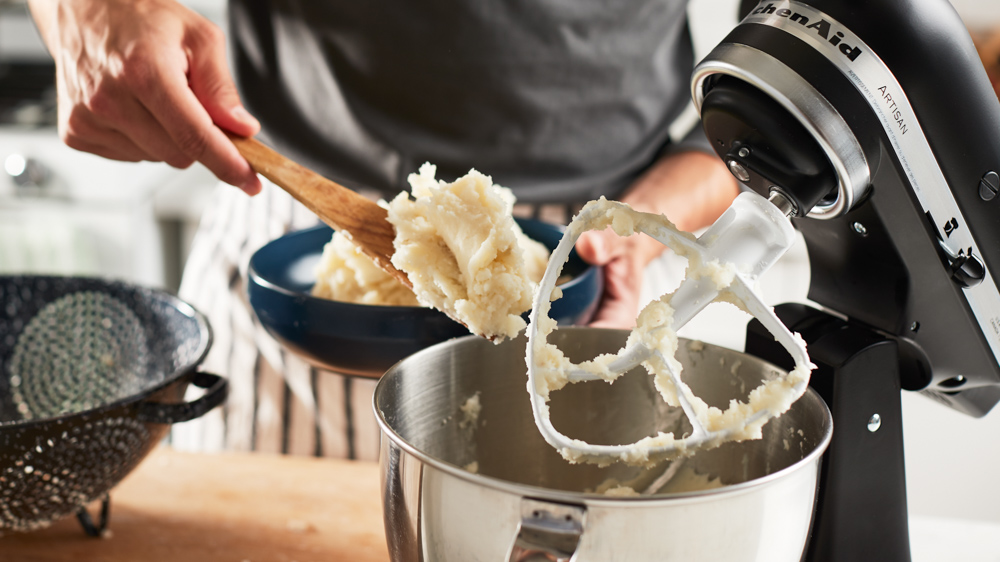
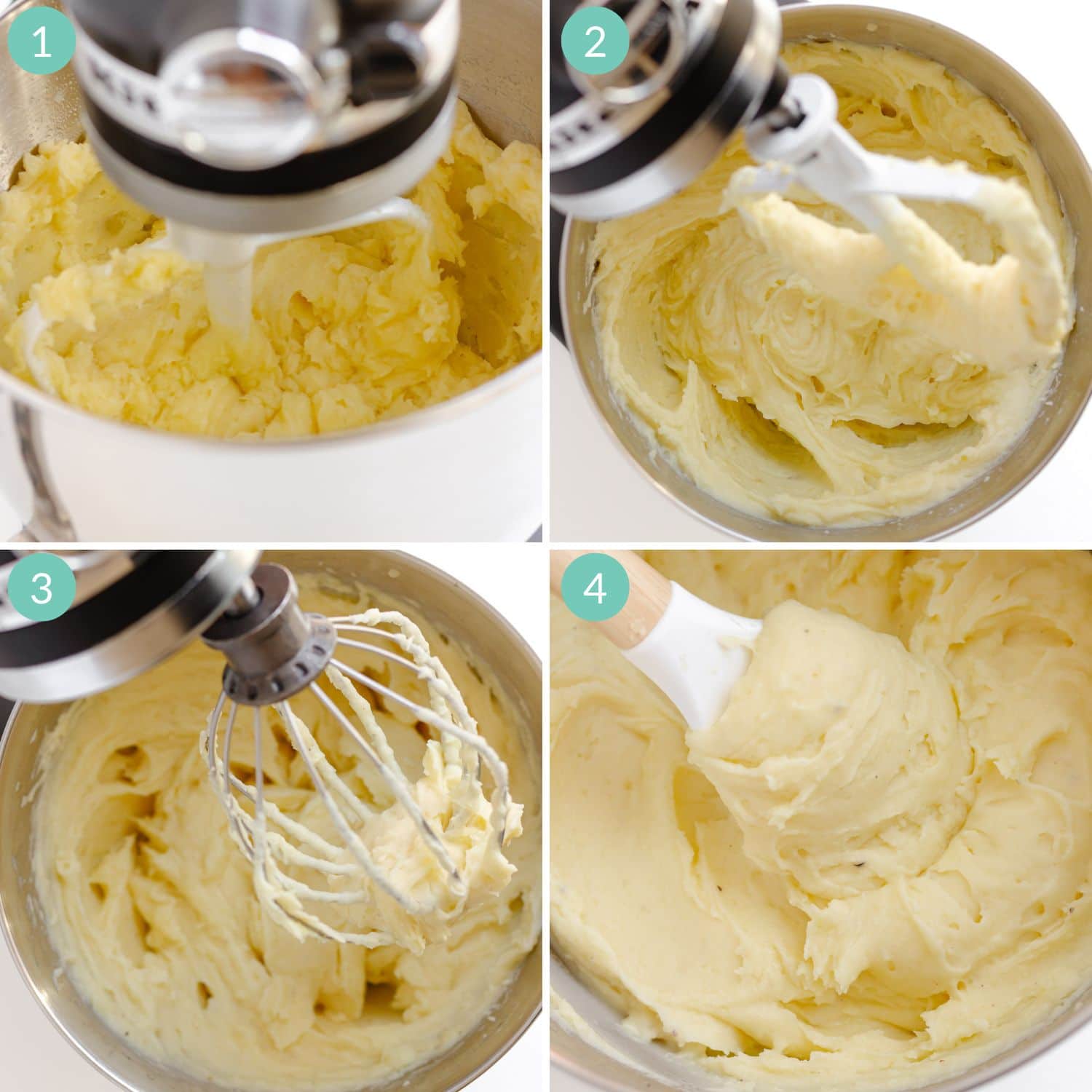
Most stand mixers come with several attachments. For mashed potatoes, use the paddle attachment (sometimes called the flat beater). Avoid the whisk (it incorporates too much air) and the dough hook (not designed for mashing).
5. Mash First, Then Mix
For the smoothest texture, break up the potatoes by hand before using the stand mixer. You can use a potato masher or a fork. This step helps prevent overmixing.
6. Add Fat And Liquid Gradually
Warm your butter, cream, or milk before adding it. Cold dairy can cool the potatoes and make them stiff. Add the butter first, then pour in the milk or cream slowly while mixing at low speed.
7. Mix On Low Speed
Turn the stand mixer on low speed. Mix just until the potatoes are smooth. Stop as soon as you reach the desired texture. Overmixing is the number one cause of gluey mashed potatoes.
8. Season And Serve
Taste your mashed potatoes. Add more salt, pepper, or other seasonings as needed. Serve hot for the best flavor and texture.
Common Mistakes When Using A Stand Mixer
Making mashed potatoes in a stand mixer can be simple, but there are a few common errors that can ruin the dish.
- Overmixing: The most frequent mistake. Even a few seconds too long can turn perfect mash into a sticky mess.
- Using the wrong attachment: Only use the paddle. The whisk or dough hook won’t give the right results.
- Adding cold dairy: Cold butter or milk can cause lumps. Always use warm or room-temperature ingredients.
- Skipping the drying step: Wet potatoes won’t absorb butter or cream well, leading to bland and watery mash.
- Working with the wrong potato variety: Waxy potatoes (like Red Bliss) don’t mash smoothly and can turn gluey faster.
How Stand Mixer Brands Compare For Mashed Potatoes
Not all stand mixers are the same. Some brands and models perform better for mashed potatoes because of their bowl shape, attachment design, or motor strength.
Here’s a quick comparison of three popular stand mixer brands:
| Brand | Bowl Size | Attachment Quality | Best For |
|---|---|---|---|
| KitchenAid | 4.5–7 qt | High | Large batches, smooth mash |
| Bosch | 6.5 qt | Good | Medium to large batches |
| Cuisinart | 5.5 qt | Medium | Medium batches, basic mashing |
KitchenAid mixers are popular for mashed potatoes because their paddle attachment covers more surface area. Bosch mixers have strong motors, making them suitable for heavy doughs and large quantities of potatoes. Cuisinart mixers are more affordable but may not be as efficient for large family gatherings.
Credit: www.kitchenaid.co.uk
Tips For Perfect Mashed Potatoes In A Stand Mixer
Many cooks have learned the hard way, but you can avoid disaster with these practical tips:
- Don’t walk away: Even a few extra seconds can turn smooth potatoes into glue. Watch closely as you mix.
- Use room-temperature butter: It blends faster and more evenly, giving a richer taste.
- Warm your milk or cream: Cold liquid can cause the potatoes to seize up.
- Salt the water: Seasoning starts when you boil the potatoes, not just at the end.
- Start with broken-up potatoes: Don’t let your mixer do all the work from the start.
- Work in batches: If you have a lot of potatoes, mix in smaller portions for more control.
When Not To Use A Stand Mixer
There are times when a stand mixer isn’t your best choice:
- If you prefer chunky mashed potatoes, use a hand masher.
- For ultra-light, restaurant-style mash, use a potato ricer.
- If you’re making a small batch, the mixer might not work efficiently.
If you’re making potatoes for a crowd, though, a stand mixer can be a lifesaver.
Real-world Example: Thanksgiving Dinner
Imagine preparing mashed potatoes for a group of 12 during Thanksgiving. Using a hand masher could take 20 minutes and leave you tired. A stand mixer can handle the whole batch in under five minutes. But you need to pay attention to the speed and timing.
By stopping to check the consistency every 10 seconds, you can achieve fluffy, crowd-pleasing potatoes without any gluey mess.
Stand Mixer Mashed Potatoes: A Basic Recipe
If you want to try mashing potatoes in a stand mixer, follow this simple recipe:
Ingredients:
- 4 pounds Russet potatoes
- 1 cup whole milk (warmed)
- 1/2 cup unsalted butter (room temperature)
- 2 teaspoons salt
- Freshly ground black pepper to taste
Instructions:
- Peel and cut potatoes into 2-inch chunks.
- Boil in salted water until tender (about 15–18 minutes).
- Drain and return to the pot to dry for 1–2 minutes.
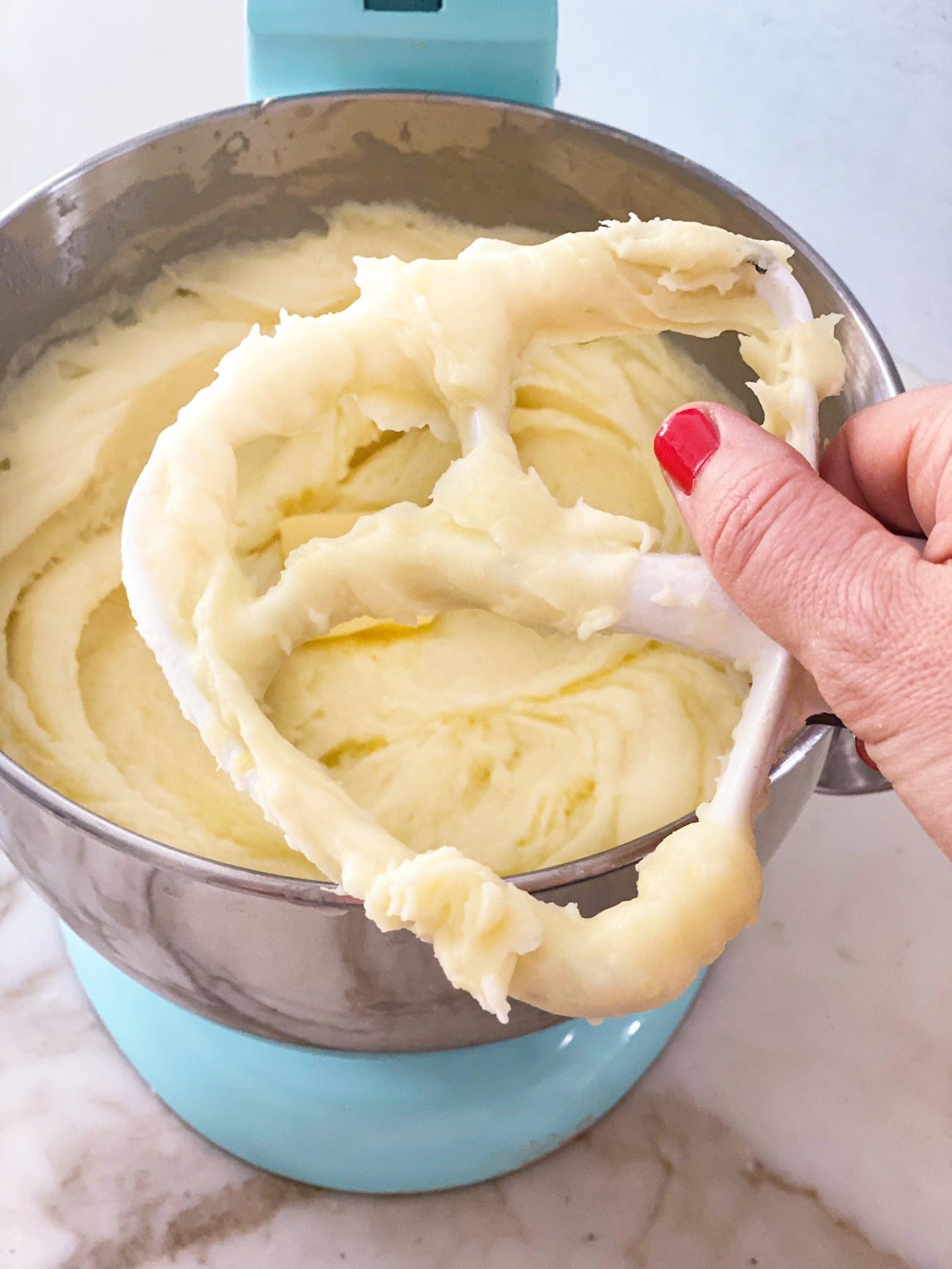
- Break up potatoes by hand and transfer to the mixer bowl.
- Add butter and half the milk.
- Using the paddle attachment, mix on low speed for 15–30 seconds.
- Scrape the bowl, add the rest of the milk, and mix until just smooth.
- Season and serve immediately.
This recipe serves 6–8 people and can be doubled for larger groups.
Credit: thefamilyfoodkitchen.com
Two Non-obvious Insights
- Potato temperature matters: Potatoes should be mashed while still hot. If they cool down, the starches set and the texture suffers—even with a stand mixer.
- Don’t add all the liquid at once: Pouring in milk or cream gradually gives you better control. Potatoes can absorb more liquid than you think, but adding it slowly prevents soup-like mash.
Stand Mixer Potatoes Around The World
While creamy mashed potatoes are a classic side in the US and Europe, other cultures use different techniques. In France, chefs use a food mill for the famous “pommes purée. ” In Ireland, “colcannon” and “champ” add green onions or cabbage.
In India, “aloo bharta” is mashed by hand with spices and herbs. Stand mixers are becoming more common in home kitchens worldwide, helping cooks create both traditional and new mashed potato dishes.
Is Mashing Potatoes In A Stand Mixer Right For You?
If you value speed and convenience, a stand mixer is a great tool for mashed potatoes—just be mindful of the risks. If you prefer a rustic texture or are cooking for only one or two people, a hand masher or ricer might be better.
The most important thing is to know what you want and match your method to your taste.
For more details on kitchen science and best practices, check out this Serious Eats guide.
Frequently Asked Questions
Can You Make Mashed Potatoes In A Stand Mixer Without Them Becoming Gluey?
Yes, but you need to use the paddle attachment, mix on low speed, and stop as soon as the potatoes are smooth. Overmixing is the main cause of gluey potatoes.
What Is The Best Stand Mixer Attachment For Mashed Potatoes?
The paddle attachment (also called the flat beater) is best. It gently mashes and mixes without overworking the starch.
Can You Use A Hand Mixer Instead Of A Stand Mixer?
You can use a hand mixer, but it’s easier to overmix and create gluey potatoes. Use it on low speed, and stop as soon as the potatoes are fluffy.
Is It Safe To Mash Sweet Potatoes In A Stand Mixer?
Yes, sweet potatoes can be mashed in a stand mixer with the paddle attachment. Their texture is softer, so mix gently to avoid overworking.
How Do Restaurants Make Their Mashed Potatoes So Smooth?
Many restaurants use a potato ricer or food mill first, then finish with a mixer and plenty of butter and cream. This method creates ultra-smooth, rich mashed potatoes.
No matter your method, the key to great mashed potatoes is attention to detail. With a stand mixer and a few smart steps, you can make perfect mash for any occasion.
Credit: www.mapleandmango.com