Skip to content
Making fresh pasta at home is a rewarding experience. The process of kneading dough by hand can be relaxing for some, but for others, it feels like hard work. Many home cooks wonder if a stand mixer can make pasta dough preparation easier without sacrificing quality.
If you’re considering using your stand mixer for this purpose, you’re not alone. Let’s explore if you really can knead pasta dough in a stand mixer, how it compares to hand-kneading, and what you should know before you start.
Why Kneading Matters For Pasta Dough
Kneading is not just mixing. It’s a key step that develops gluten, the protein network that gives pasta its structure and bite. Proper kneading turns a rough ball of flour and eggs into a smooth, elastic dough. If the dough is under-kneaded, your pasta may fall apart when boiled. If over-kneaded, it can become tough or dry. Achieving the perfect texture matters, and the technique you use can affect the final result.
How A Stand Mixer Works For Kneading
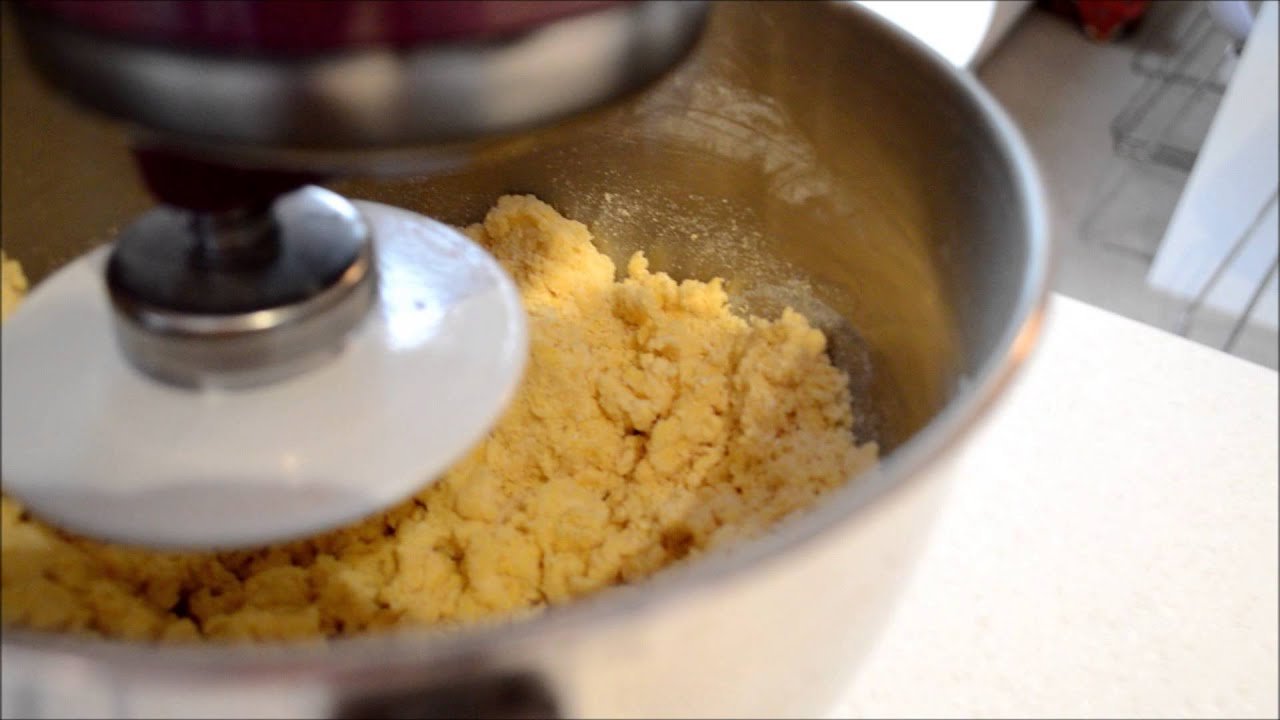
A stand mixer uses a dough hook to mimic the motion of hand-kneading. This attachment turns and stretches the dough, building gluten efficiently. Most popular stand mixers—like the KitchenAid—have variable speed settings and a sturdy motor, making them capable of handling stiff pasta dough.
The Basic Process
- Add your flour and eggs to the mixer bowl.
- Start mixing on low speed until the ingredients begin to come together.
- Increase to medium-low, letting the dough hook knead for several minutes.
- Check the dough’s texture—it should be smooth and just a bit tacky.
You may need to adjust the process depending on your specific recipe and mixer model.
Credit: www.youtube.com
Hand-kneading Vs. Stand Mixer: A Practical Comparison
Understanding the differences can help you choose the best method for your kitchen. Let’s break down the key points in a side-by-side format.
| Aspect | Hand-Kneading | Stand Mixer |
|---|---|---|
| Effort | High physical effort | Low effort, mostly hands-free |
| Time Required | 8–12 minutes | 5–7 minutes |
| Control | More tactile feedback | Less control, but consistent kneading |
| Clean-Up | Messy countertop | Single bowl to clean |
| Batch Size | Easy for any size | Best for medium/large batches |
Key Takeaways
- Stand mixers save time and physical effort, especially for large batches.
- Hand-kneading gives more direct control over the dough’s texture.
- Beginners may find it easier to learn by hand, but mixers deliver reliable results.
Can All Stand Mixers Knead Pasta Dough?
Not every stand mixer is created equal. Pasta dough is dense and stiff, putting extra stress on the motor. Here’s what to consider before you begin:
Motor Power
A mixer should have a powerful motor (at least 250 watts) to handle pasta dough without overheating. Cheaper, less powerful models can struggle, possibly burning out the motor.
Dough Hook Type
Most mixers come with a C-shaped or spiral dough hook. Both work for pasta dough, but spiral hooks are often more efficient for dense mixtures.
Bowl Size
A 4. 5 to 5-quart bowl is usually enough for 1–2 pounds of pasta dough. Overfilling can make kneading uneven and strain the mixer.
Mixer Durability
Repeatedly making stiff doughs can wear out lower-end machines. Check your user manual to see if pasta dough is recommended for your mixer. Some warranties do not cover damage from heavy doughs.
Credit: www.youtube.com
Step-by-step Guide: Kneading Pasta Dough In A Stand Mixer
If you’re ready to try, follow these steps for reliable results.
Ingredients
- 2 cups (250g) all-purpose or “00” flour
- 3 large eggs
- Extra flour (for dusting if needed)
This makes enough dough for about 4 servings of pasta.
Instructions
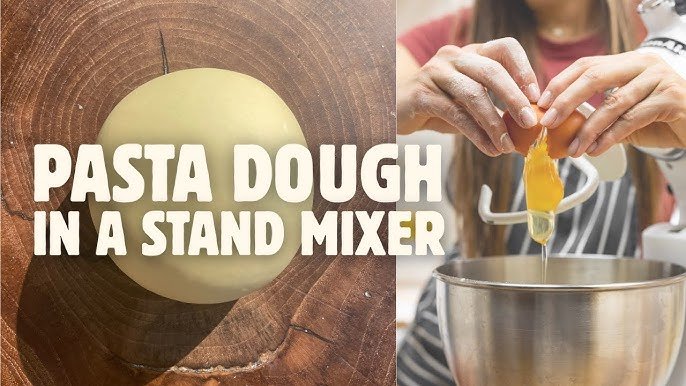
- Add Ingredients: Place the flour in the mixer bowl. Make a well in the center and crack the eggs into it.
- Mix: Attach the dough hook. Start on low speed to combine the eggs and flour. Scrape the sides as needed.
- Knead: Increase to speed 2 (never higher). Let the dough hook knead for about 5–7 minutes. The dough should pull away from the bowl and form a rough ball.
- Adjust Texture: If the dough is too dry, add water a teaspoon at a time. If too sticky, sprinkle in more flour.
- Check Elasticity: Pinch the dough—if it feels smooth and elastic but not sticky, it’s ready. If not, knead for another minute.
- Rest the Dough: Wrap in plastic wrap and let it rest at room temperature for 30–60 minutes before rolling.
Practical Tips
- If the mixer starts to strain or stall, stop and finish kneading by hand.
- Never use high speeds—this can damage the machine and overwork the dough.
- If making very small amounts (under 1 cup of flour), hand-kneading may work better because the hook may not engage the dough well.
Common Mistakes When Kneading Pasta Dough In A Stand Mixer
Avoid these pitfalls for better pasta every time.
- Overloading the Bowl: Too much dough can overload the motor and lead to uneven kneading.
- Running the Mixer Too Fast: Pasta dough needs gentle, steady kneading. High speeds cause overheating and poor texture.
- Not Scraping the Bowl: Dry flour can sit at the bottom or sides if not incorporated early.
- Skipping the Rest: Resting allows gluten to relax, making rolling easier. Don’t skip this step.
- Ignoring Mixer Strain: If your mixer sounds strained or gets hot, stop immediately to avoid motor damage.
Is The Pasta As Good As Hand-kneaded?
Many Italian chefs still swear by hand-kneading, saying it gives the best texture and flavor. However, blind taste tests show that stand mixer-kneaded dough is nearly identical in taste and texture, especially when using high-quality flour and fresh eggs.
The biggest difference is the tactile feedback. When kneading by hand, you can feel small changes and adjust as needed. With a stand mixer, you must rely on visual cues and experience. After a few tries, most home cooks find the results very satisfying.
When To Avoid The Stand Mixer
There are times when hand-kneading is better:
- If making extra-small batches (less than 1 cup of flour)
- If your mixer is low-powered or has a plastic gearbox
- If you want the traditional, hands-on experience
Otherwise, a stand mixer is a reliable and efficient choice.
Stand Mixer Vs. Food Processor For Pasta Dough
Some cooks use a food processor instead of a stand mixer. Let’s compare both for pasta dough.
| Aspect | Stand Mixer | Food Processor |
|---|---|---|
| Mixing Power | Gentle, steady kneading | Very fast, can overwork dough |
| Batch Size | Medium to large batches | Small to medium batches |
| Control | Good for texture | Less control, risk of over-kneading |
| Clean-Up | One bowl | Blades and bowl need careful cleaning |
| Dough Temperature | Stays cool | Blades can warm the dough |
Stand mixers are generally better for pasta dough because they knead slowly and don’t heat the dough, which can affect gluten development.
Cost And Time: Stand Mixer Efficiency
Using a stand mixer can save both time and energy. On average, kneading pasta dough by hand takes 10–15 minutes and a fair amount of effort. With a stand mixer, you can finish kneading in 5–7 minutes and spend that time prepping your sauce or cleaning up.
The stand mixer also helps with batch consistency. Each batch is kneaded with the same speed and motion, reducing mistakes that can come from uneven hand-kneading, especially for beginners.
Credit: www.thelittlekitchen.net
Non-obvious Insights For Better Results
- Humidity Matters: On humid days, your dough may need more flour. On dry days, more water. Stand mixers don’t “feel” the dough, so check often.
- Resting is Non-Negotiable: Even if the dough looks perfect, gluten needs time to relax. Skipping the rest will make your pasta hard to roll and shape.
- Use the Right Flour: “00” flour gives a silkier texture and is more forgiving in a stand mixer. All-purpose flour works, but may need more careful kneading.
Cleaning Up After Kneading
Stand mixers are easier to clean than most people think. The dough hook and bowl can usually go in the dishwasher, but check your manual. Always scrape off extra dough before washing. If dough gets stuck in the hook, soak it in warm water first.
When Stand Mixers Don’t Work Well
Even top models have limits. Very stiff doughs (low hydration) can cause strain. If your mixer starts to “walk” on the counter or make loud noises, stop immediately. Finish kneading by hand to protect your machine. Also, if you want to knead dough with lots of add-ins (like herbs or spinach), add those after the initial kneading to avoid uneven mixing.
Real-world Experiences
Many home cooks have switched to stand mixers after struggling with hand-kneading. They report more consistent results and less mess. However, some purists argue that hand-kneading is a way to connect with the dough and Italian tradition. It’s a personal choice, but for busy kitchens, stand mixers are a trusted tool.
A 2022 survey of home cooks in the US found that over 60% of people who make fresh pasta use a stand mixer for kneading. The main reasons given were “time savings” and “ease of use.”
For more background on the science of gluten and dough development, the Wikipedia entry on pasta is a helpful resource.
Frequently Asked Questions
Can You Knead All Types Of Pasta Dough In A Stand Mixer?
Most traditional egg pasta doughs work well in a stand mixer. Very dry or whole wheat doughs may need extra attention, and gluten-free doughs often require different attachments or methods.
What Speed Should You Use On The Stand Mixer For Pasta Dough?
Always use low to medium-low speed (usually speed 2 on KitchenAid). Higher speeds can overwork the dough and stress the motor.
How Do You Know When The Dough Is Kneaded Enough?
The dough should be smooth, elastic, and slightly tacky. Pinch a piece—if it stretches without tearing, it’s ready. If it’s sticky or rough, knead for another minute.
Can Kneading In A Stand Mixer Overwork The Dough?
Yes, if you mix too long or use high speeds, the gluten can become too tight. Stick to the recommended 5–7 minutes and check the dough’s feel.
Is It Safe For My Stand Mixer To Knead Pasta Dough Regularly?
Most high-quality mixers handle occasional pasta dough well. For regular use, check your manual and avoid overloading the bowl. Let the motor cool between batches if making a lot.
Making pasta dough in a stand mixer is both possible and practical. With the right approach, you can enjoy homemade pasta without the workout. Whether you’re a busy home cook or a pasta lover looking for a shortcut, your stand mixer can be your new best friend in the kitchen.