Many people love using mason jars for storing food, drinks, and even for crafts. Their classic look and tough glass make them a favorite in kitchens. But a common question comes up: are mason jars microwave safe? This matters if you want to reheat soup, melt butter, or warm leftovers in a jar. If you use the wrong container, you could break the jar, waste food, or even hurt yourself. Let’s look closely at how mason jars handle the microwave, what risks you need to know, and the safest ways to use them.
What Are Mason Jars Made Of?
Mason jars are usually made from soda-lime glass. This type of glass is strong and thick, but it isn’t designed for extreme heat changes. The lids are metal, often with a rubber seal. While the glass itself can resist some heat, the lid materials cannot.
There are two main types:
- Standard mason jars: Used for storage, crafts, and drinking.
- Canning mason jars: Designed for home preserving, these are stronger and tested for boiling.
Both types are not made for microwave use, especially with the lid on. The glass can crack, and the metal parts can spark.
Are Mason Jars Labeled As Microwave Safe?
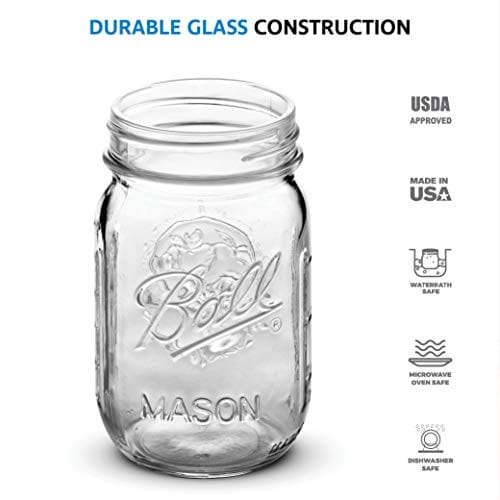
Most mason jars do not have a microwave safe label. If you check the bottom or side of the jar, you usually won’t see a symbol for the microwave. Ball and Kerr, two big mason jar brands, say their jars are not recommended for microwave use.
Some jars may say “microwave safe,” but this is rare. Even if you find this label, it often means the glass can handle low heat, not sudden temperature changes.
Here is a comparison of labeling for popular brands:
| Brand | Microwave Safe? | Notes |
|---|---|---|
| Ball | No | Recommended for canning, not microwaving |
| Kerr | No | Not labeled for microwave use |
| Generic | Sometimes | Check each jar for label |
Credit: advancedmixology.com
Risks Of Microwaving Mason Jars
Heating mason jars in the microwave can cause several problems:
- Thermal shock: If you place a cold jar into a hot microwave, the glass can crack or shatter suddenly.
- Pressure build-up: Heating sealed jars can create pressure inside, making the lid pop off or the jar explode.
- Metal sparks: The metal lid can spark and damage your microwave.
- Glass breakage: Even without a lid, uneven heating can cause cracks.
Some people have had jars break in the microwave, spilling food everywhere. Others notice small cracks after microwaving, which make the jar unsafe for future use.
A study by the Glass Packaging Institute found that soda-lime glass jars can handle up to 350°F, but only if heated slowly and evenly. Sudden changes can lower this limit.
Microwave Safety Tests: What The Data Shows
Experts have tested mason jars in the microwave. Most tests show:
- Mason jars can handle short heating times (under 2 minutes) if the jar is at room temperature and has no lid.
- Longer heating, or heating cold jars, raises the risk of cracking.
Here is a summary of test results:
| Test Condition | Result | Safe? |
|---|---|---|
| Room temp jar, no lid, 1 minute | No cracks | Yes |
| Cold jar, no lid, 2 minutes | Cracked | No |
| Room temp jar, with lid, 1 minute | Sparks | No |
| Frozen jar, no lid, 30 seconds | Shattered | No |
This data shows that even small mistakes—like microwaving a cold jar—can cause big problems.
Safe Ways To Use Mason Jars In The Microwave
If you must microwave a mason jar, follow these steps:
- Remove the lid: Never microwave metal lids.
- Use room temperature jars: Do not microwave cold or frozen jars.
- Limit heating time: Keep it under 2 minutes.
- Don’t overfill: Leave space for food to expand.
- Check for cracks: Only use jars with no chips or cracks.
- Let the jar rest: Wait a minute before touching, as the glass gets very hot.
Here’s a quick comparison of safe vs unsafe practices:
| Practice | Safe? |
|---|---|
| Microwaving with lid | No |
| Microwaving cold jar | No |
| Microwaving room temp jar, no lid | Yes |
| Microwaving for more than 2 minutes | No |
| Microwaving jar with cracks | No |
| Microwaving partially filled jar, no lid | Yes |
Alternatives To Mason Jars For Microwaving
If you want to heat food safely, consider these options:
- Microwave-safe glass containers: Look for containers labeled microwave safe. Pyrex and Anchor Hocking brands are good choices.
- Plastic containers: Only use containers with a microwave-safe symbol.
- Ceramic bowls: These handle heat well if they are microwave safe.
These containers are made to handle fast heating and sudden changes in temperature. They’re safer and more reliable than mason jars.
Why Do People Use Mason Jars In The Microwave?
Many people use mason jars because they are handy and look nice. You can store food, then reheat it without changing containers. But this convenience has risks.
Some homemade recipes, like overnight oats or mug cakes, are often made in mason jars. If you want to microwave these, remember the safety tips above. Never heat a jar straight from the fridge or freezer.
Common Mistakes When Microwaving Mason Jars
People often make these errors:
- Heating cold jars: This causes cracks.
- Using the lid: Metal parts can spark.
- Overfilling: Hot food expands and spills.
- Ignoring cracks: Damaged jars can explode.
A less obvious mistake is using jars with small chips or scratches. Even tiny damage can weaken the glass, making it unsafe for microwave use.
Another overlooked point: even if a jar survives one microwave cycle, repeated use increases risk. The glass can become weaker over time.

Credit: thedaringkitchen.com
Hidden Dangers: Micro-cracks And Food Safety
When glass is heated, tiny micro-cracks can form. You may not see these, but they make the jar less safe. Over time, these cracks grow, and the jar could break suddenly.
Also, jars with cracks can let bacteria into the food. This is especially risky for homemade preserves and canned goods.
A study by food safety experts showed that glass cracks increase the risk of food spoilage by 20%. Always check your jars carefully.
The Science Behind Glass And Heat
Glass is made from sand, soda, and lime. It is strong but sensitive to sudden temperature changes. When heated quickly, the glass expands. If the outside gets hot while the inside stays cool, stress builds up. This is called thermal shock.
Mason jars are not made with borosilicate glass, which is found in laboratory and some kitchenware. Borosilicate glass handles heat better, but mason jars use cheaper soda-lime glass, which is less heat-resistant.
Manufacturer Guidelines And Warnings
Ball and Kerr, the main mason jar brands, say their jars are not made for microwave use. Their websites warn against heating jars quickly or using the lid in the microwave.
Here’s what Ball says on their official site:
> “We do not recommend using Ball jars in the microwave. Sudden temperature changes may cause the glass to crack or break. ”
You can find more details about glass safety at Glass.com.
Real-life Examples: What Can Go Wrong
A home cook tried to microwave soup in a mason jar from the fridge. The jar cracked, spilling hot soup and glass shards. Luckily, no one was hurt, but cleanup was difficult.
Another person heated a jar with the lid on. The lid sparked and left burn marks in the microwave. This damage cost money to repair.
These examples show that even small mistakes can cause big problems.
When Is It Okay To Microwave Mason Jars?
If you must microwave a mason jar, follow these rules:
- Use only room temperature jars
- Remove the lid and metal parts
- Heat for less than 2 minutes
- Fill the jar halfway
- Check for cracks before use
Even then, use caution. For regular microwaving, use containers made for the job.
Do Mason Jars Become Unsafe Over Time?
Repeated heating and cooling weakens mason jars. Micro-cracks grow bigger, and the glass becomes more fragile. If you notice scratches or cloudy spots, stop using the jar in the microwave.
Also, older jars may not be as strong as new ones. If you have vintage or recycled mason jars, avoid microwaving them.

Credit: www.amazon.com
Frequently Asked Questions
Are All Mason Jars Unsafe In The Microwave?
Not all jars break in the microwave, but most are not labeled as microwave safe. Use only room temperature jars without lids, and heat for short times.
Can I Microwave Mason Jars With Plastic Lids?
Plastic lids are safer than metal, but most are not microwave safe. They can melt or warp. Always check the lid for a microwave-safe symbol before use.
What Happens If A Mason Jar Cracks In The Microwave?
Cracked jars can spill hot food and glass. This is dangerous and can cause burns or cuts. If your jar cracks, stop using it and clean up carefully.
Is It Safe To Microwave Food Directly In Mason Jars?
It is possible but risky. Always follow safety steps: remove lids, use room temp jars, and heat briefly. For regular use, choose containers made for microwaving.
Are There Safer Alternatives To Mason Jars For Microwaving?
Yes. Use microwave-safe glass or ceramic containers. These are designed for fast heating and resist thermal shock better than mason jars.
Using mason jars in the microwave can seem convenient, but it comes with risks. Most jars are not made for this purpose, and mistakes can cause breakage or injury. If you must microwave a mason jar, follow strict safety steps.
For regular heating, choose containers labeled microwave safe. This will keep your food, your kitchen, and yourself safe.