Are Microfiber Mops Better Than Sponge Mops?
Cleaning floors is a task every home faces, but the tools you use can make a big difference. Many people still debate: Are microfiber mops better than sponge mops? These two mop types look simple, but they work in very different ways. The right choice can save you time, effort, and even money. This guide will break down how microfiber and sponge mops work, their strengths and weaknesses, and which one is best for your cleaning needs.
How Microfiber Mops Work
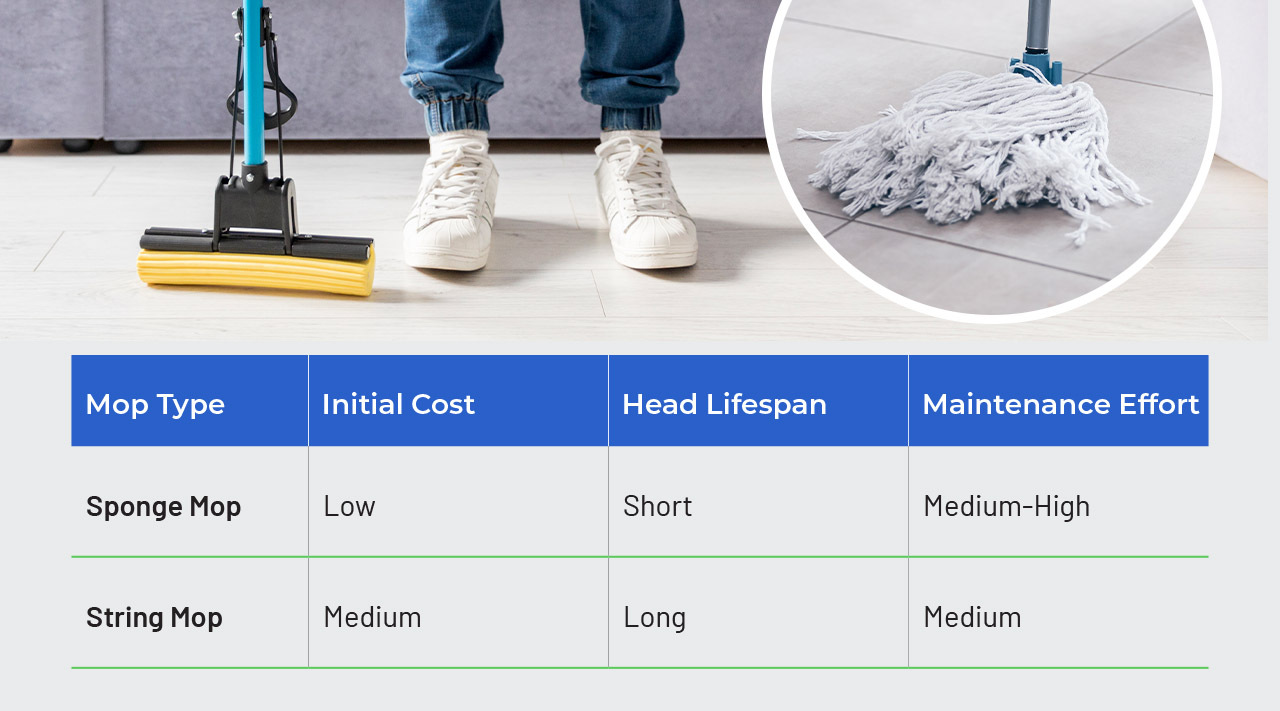
Microfiber mops use cloth pads made from tiny synthetic fibers. These fibers are much thinner than a human hair and split many times to create a lot of surface area. This lets them grab dirt, dust, and even bacteria more effectively than regular cloth.
When you glide a microfiber mop across the floor, the fibers pick up and hold particles instead of just pushing them around. Most microfiber mops are used damp, not soaking wet, which means floors dry faster and you use less water.
Some advanced models have removable, washable pads, while others use disposable ones.
One less-known benefit: microfiber mops can clean well even without strong chemicals. Their structure physically lifts debris, which is helpful for anyone trying to reduce chemical use at home.
How Sponge Mops Work
Sponge mops have a long handle with a flat, absorbent sponge at the end. To use, you dip the sponge in water and cleaner, mop the floor, then squeeze out the dirty water with a built-in wringer. This design is simple, and sponge mops are found in many stores.
The sponge soaks up spills and can cover a large area with each pass. But, because the sponge holds a lot of water, floors can stay wet for longer. Some sponges are made to scrub tough stains, but most are softer and better for light cleaning.
A hidden downside: sponges can trap bacteria, especially if not rinsed and dried properly. This can lead to odors or even spread germs on the next use.
Microfiber Vs. Sponge: Head-to-head Comparison
To see the differences clearly, here is a direct comparison of key features.
| Feature | Microfiber Mop | Sponge Mop |
|---|---|---|
| Cleaning Power | High (removes dirt, dust, bacteria) | Medium (good for spills, less for dust) |
| Drying Time | Fast (uses less water) | Slow (leaves floors wetter) |
| Durability | Very durable (washable pads) | Moderate (sponges wear out faster) |
| Hygiene | Resists bacteria (if cleaned) | Can harbor bacteria |
| Maintenance Cost | Low (reusable pads) | Medium to high (replace sponges often) |
Cleaning Performance: What Really Matters
When choosing between microfiber and sponge mops, cleaning performance is key. Here are some factors to consider:
- Dirt and Dust Removal: Microfiber’s fibers trap even tiny particles, making it better for dust and allergens. Sponge mops can miss fine dust because the sponge mostly soaks, not picks up.
- Stain and Spill Handling: Both mop types can handle spills, but sponge mops absorb liquid quickly. For sticky stains or dried messes, microfiber excels as it can scrub lightly without scratching most floors.
- Floor Types: Microfiber is safe for almost every floor—hardwood, tile, laminate, and vinyl. Sponge mops are also versatile, but their rougher texture can sometimes harm delicate finishes if used too hard.
- Chemical Use: Microfiber often needs little or no cleaning solution. Sponge mops usually need more water and soap to clean well.
A practical tip: many people don’t realize that using hot water with microfiber can damage the fibers over time. Cold or lukewarm water is better for pad life.
Credit: thecleaningstation.com
Hygiene And Health Considerations
Clean tools help keep your home healthy. Microfiber has a clear advantage here. The split fibers not only grab dirt but also pick up bacteria. Several studies show microfiber mops can remove up to 99% of bacteria from floors, often with just water.
Sponge mops, on the other hand, can become a breeding ground for germs. After a few uses, the sponge can smell musty if not dried thoroughly. This can transfer germs back onto the floor, especially in kitchens or bathrooms.
To keep any mop clean:
- Wash microfiber pads in hot water and let them dry fully.
- Replace sponge mop heads often—every month or sooner if they smell or break down.
- Store your mop in a dry area, not in a wet bucket.
One insight people miss: adding a disinfectant to mop water does not always overcome a dirty mop head. Cleanliness of the tool matters as much as the cleaning solution.
Cost And Maintenance Over Time
Initial cost is often similar for both mop types, but their long-term costs differ.
| Expense | Microfiber Mop | Sponge Mop |
|---|---|---|
| Starter Kit | $15–$40 | $10–$30 |
| Replacement Heads/Pads | $10–$20 (lasts 6–12 months) | $5–$15 (lasts 1–2 months) |
| Laundry/Upkeep | Machine washable, reusable | Must buy new sponges regularly |
Microfiber pads can be washed hundreds of times. If you buy a set of three or four pads, they may last a year or more. Sponge mops need new heads more often because they break down and can’t be cleaned as deeply.
This adds up, especially in homes with large floor areas.
Credit: thecleaningstation.com
Environmental Impact
Today, people care more about eco-friendly cleaning. Microfiber mops use less water and last longer, reducing waste. You don’t need as many chemicals, so fewer harsh cleaners go down the drain.
However, microfiber is made from synthetic materials (usually polyester and nylon). Washing them can release microplastics, which are a concern for the environment. Washing in full loads and using a filter bag can reduce this risk.
Sponge mops can be made from cellulose (plant-based) or synthetic foam. Cellulose is biodegradable, but most sponges sold are synthetic and not easy to recycle.
If eco-friendliness is your top concern:
- Choose microfiber pads marked “recycled” or “eco-friendly.”
- For sponge mops, look for real cellulose sponges and compost them if possible.
Ease Of Use And Comfort
Good cleaning tools should be easy and comfortable. Microfiber mops are generally lighter, especially flat models. They glide smoothly across the floor and don’t need heavy wringing. Most have swivel heads for corners and under furniture.
Sponge mops can be heavier when wet. You need to press the wringer to squeeze out water, which can take effort. The sponge can drag, especially on rough floors or grout lines.
Microfiber’s lightness makes it popular for people with back or joint pain. Some models even have spray triggers, so you don’t have to carry a bucket.
A tip not everyone knows: microfiber mops work well for walls and ceilings, while sponge mops are too heavy and drip too much.
Where Each Mop Shines
Both mop types have their ideal uses. Here’s where each stands out:
Microfiber Mops:
- Quick daily cleaning and dusting
- Allergy control (removing fine dust)
- Homes with pets (removes hair easily)
- Hardwood and laminate floors (less water)
Sponge Mops:
- Soaking up large spills
- Scrubbing sticky kitchen messes
- Unsealed stone or tile floors (with lots of grout)
- Budget-friendly for small spaces
If you have young children or pets, microfiber’s ability to capture germs and hair is a big advantage. If your kitchen gets heavy spills, a sponge mop’s absorption is helpful.
Common Mistakes People Make
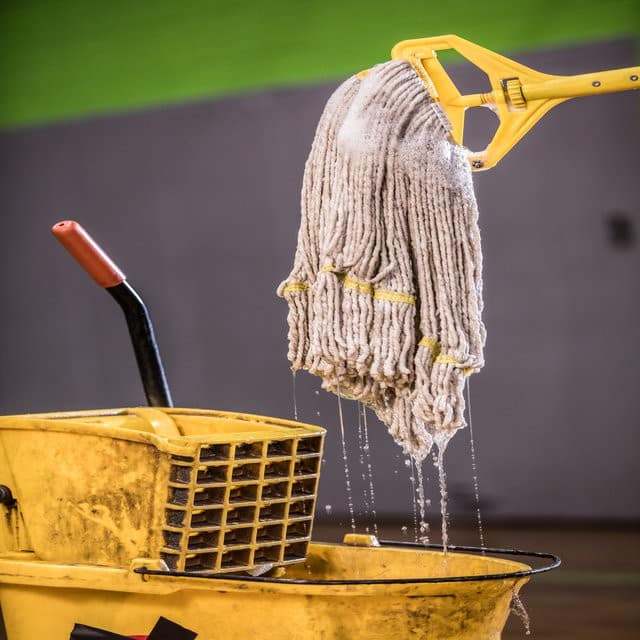
- Not rinsing mop heads: Both microfiber and sponge mops need frequent rinsing during use. Otherwise, you just spread dirt.
- Using too much water: Especially on wood or laminate, too much water can cause damage. Microfiber’s damp, not wet, cleaning avoids this problem.
- Skipping pad or sponge replacement: Old mop heads can’t clean well. Microfiber pads last longer, but even they need replacing after heavy wear.
- Ignoring manufacturer care instructions: Hot water, bleach, or fabric softener can ruin microfiber pads. Sponge mops can break down with harsh chemicals.
- Mopping without sweeping first: Both mops perform better if you sweep or vacuum up large debris before you mop.
Credit: usa.ungerglobal.com
What The Experts And Studies Say
Research backs up microfiber’s cleaning power. According to a study from the University of California, Davis, hospitals using microfiber mops used 95% less water and chemicals but removed more bacteria than traditional mops. This is why many hospitals and hotels have switched to microfiber for daily cleaning.
Sponge mops still have their place for quick cleanups and heavy spills. But for everyday cleaning, experts recommend microfiber for hygiene and efficiency.
For more on cleaning science, see this Wikipedia entry on microfiber.
Which Should You Choose?
The “best” mop depends on your home, habits, and needs. Ask yourself:
- Do you want the cleanest floors with the least effort? Go with microfiber.
- Need a cheap tool for occasional big spills? A sponge mop is enough.
- Want to avoid chemicals? Microfiber works well with just water.
- Don’t like laundry? Sponge mops can be thrown away, but create more waste.
Many homes actually use both: microfiber for regular cleaning, sponge for tough jobs. If you choose only one, microfiber is the clear winner for most modern homes.
Frequently Asked Questions
What Is The Main Difference Between Microfiber And Sponge Mops?
Microfiber mops use fine synthetic fibers to trap dirt and bacteria, needing less water and chemicals. Sponge mops use an absorbent sponge to soak up spills and require more water. Microfiber offers better cleaning for dust and germs, while sponge mops are best for large liquid messes.
Are Microfiber Mops Safe For All Floors?
Yes, microfiber mops are safe for most floor types, including hardwood, tile, laminate, and vinyl. Always use a damp—not wet—pad and check your floor’s care instructions to avoid water damage or scratching.
How Often Should I Replace Mop Heads?
Microfiber pads can last 6–12 months with regular washing. Replace them if they lose shape or stop cleaning well. Sponge mop heads should be replaced every 1–2 months, or sooner if they smell or fall apart.
Can Microfiber Mops Remove Bacteria Without Chemicals?
Yes, studies show microfiber mops can remove up to 99% of bacteria with just water, thanks to their split fiber design. For extra disinfection, you can use a safe floor cleaner, but it’s not always needed.
Which Mop Is More Eco-friendly?
Microfiber mops use less water and fewer chemicals, making them more eco-friendly in daily use. However, they are synthetic and can release microplastics. Choose recycled or high-quality microfiber, and wash pads in full loads to minimize impact. Sponge mops made from cellulose are biodegradable, but most are synthetic and less green.
A cleaner home starts with the right tool. Take your time, consider your needs, and choose the mop that makes your cleaning easier, faster, and healthier.