Non stick baking sheets have become a kitchen essential for many home cooks and professional bakers. They promise easy food release, less mess, and quicker cleanup. But with their growing popularity, questions about their safety have also increased. Are non stick baking sheets safe for your health?
What should you know before using them in your kitchen? This article will answer these questions in detail, helping you make informed choices about your cookware.
What Are Non Stick Baking Sheets?
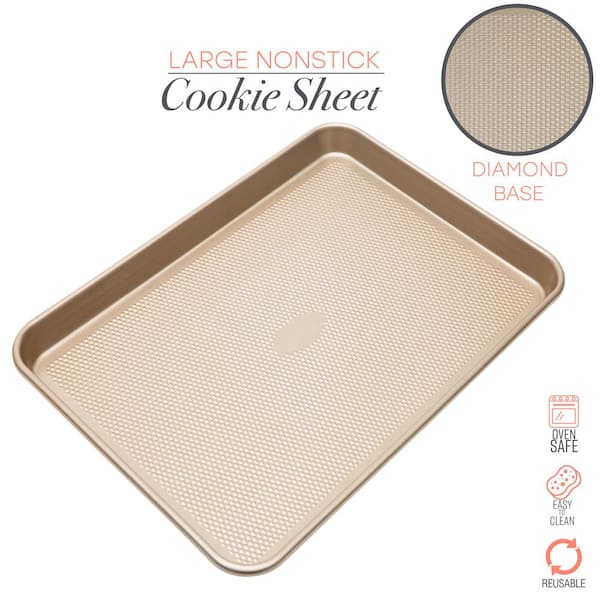
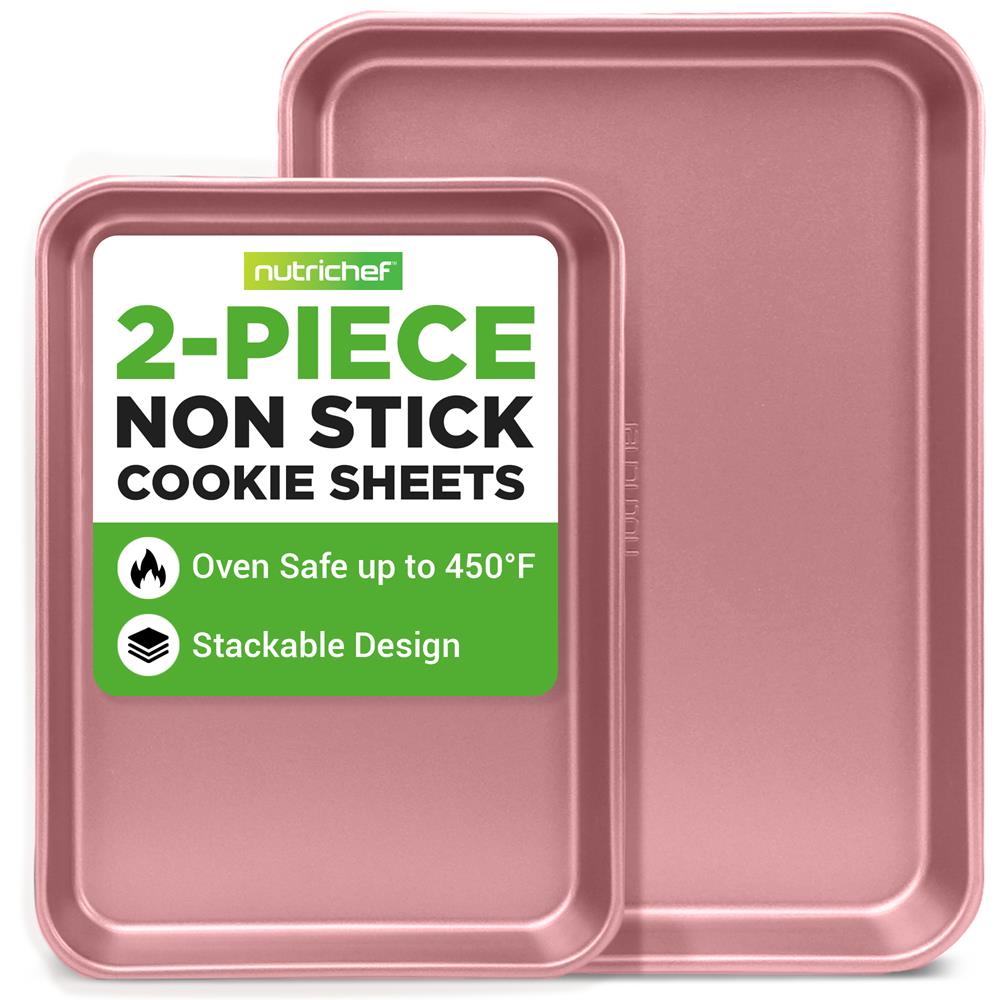
Non stick baking sheets are metal trays, usually made from aluminum or steel, coated with a layer that prevents food from sticking. This coating is most often made from polytetrafluoroethylene (PTFE), known by the brand name Teflon. Some sheets use silicone or ceramic coatings as alternatives.
These sheets are popular because they make baking cookies, roasting vegetables, and preparing other foods much easier. You don’t need to use as much oil or parchment paper, and cleaning is simple. But the safety of the non stick coating has been debated, especially as research has uncovered potential risks.
How Non Stick Coatings Work
The non stick surface creates a barrier between the food and the metal. PTFE, for example, is a synthetic compound that is smooth and slippery. When heated, it prevents food from bonding to the tray. This means you can remove baked goods without scraping or damaging them.
Silicone coatings are flexible and heat-resistant, often used for baking mats or sheets. Ceramic coatings are newer and claim to be safer, offering non stick properties without chemicals like PTFE.
Credit: www.homedepot.com
Are Non Stick Baking Sheets Safe? The Main Concerns
Safety concerns about non stick baking sheets focus mostly on the chemical coatings. Here are the main points you should know:
1. Ptfe And High Temperatures
PTFE is generally stable at normal baking temperatures. However, when exposed to temperatures above 500°F (260°C), it can break down and release fumes. These fumes may cause a condition called polymer fume fever in humans, leading to flu-like symptoms. This is rare in home kitchens, but possible if you accidentally preheat an empty sheet or use it under a broiler.
Birds are especially sensitive to these fumes. Even a small amount can be deadly for pet birds, which is why experts recommend never using non stick cookware in homes with birds.
2. Pfoa And Manufacturing
Perfluorooctanoic acid (PFOA) was once used in making PTFE coatings. PFOA has been linked to health issues like cancer and hormone disruption. The good news is that most manufacturers in the US and Europe stopped using PFOA after 2013. If you buy new baking sheets, they are likely PFOA-free. However, older sheets may still contain traces.
3. Scratching And Wear
Non stick coatings can wear down over time, especially if you use metal utensils, sharp knives, or abrasive scrubbers. Scratches can expose the metal underneath, causing uneven heating and possible leaching of metals. If the coating flakes off, tiny particles may mix with your food.
4. Other Chemicals
Some non stick sheets use ceramic or silicone coatings. These are generally considered safer, but low-quality products may contain unknown additives. Always check for certifications and buy from reputable brands.
Comparing Types Of Non Stick Baking Sheets
Different types of non stick baking sheets offer unique features and safety profiles. Here’s a comparison of the most common types:
| Type | Coating Material | Safe Temperature Range | Health Concerns |
|---|---|---|---|
| PTFE (Teflon) | Polytetrafluoroethylene | Up to 500°F (260°C) | Fumes at high heat, possible flaking |
| Ceramic | Ceramic minerals | Up to 450°F (232°C) | Usually safe, some brands may use additives |
| Silicone | Silicone polymer | Up to 450°F (232°C) | Generally safe, can degrade over time |
| Uncoated Aluminum | None | Up to 600°F (315°C) | May react with acidic foods |
Credit: pyleusa.com
Are Non Stick Baking Sheets Safer Than Other Options?
When comparing safety, non stick baking sheets are convenient, but not always the safest option. Here’s how they stack up against alternatives:
1. Stainless Steel
Stainless steel baking sheets do not have a coating, so there’s no risk of chemical release or flaking. They can handle higher temperatures and are durable. However, food may stick more, making cleanup harder. Using parchment paper or light oil can help.
2. Aluminum
Aluminum sheets are lightweight and cheap. But they can react with acidic foods, causing a metallic taste and sometimes leaching aluminum into food. Using a silicone baking mat or parchment paper reduces this risk.
3. Silicone Baking Mats
Silicone mats are reusable and offer good non stick performance. They are considered safe for most people, but low-quality mats may contain fillers or break down over time.
4. Ceramic-coated Sheets
Ceramic-coated sheets claim to be free of PTFE and PFOA. They are safer at moderate temperatures, but coatings can chip or wear off after repeated use.
| Material | Durability | Stick Resistance | Safety Score |
|---|---|---|---|
| PTFE Non Stick | Medium | High | Moderate |
| Stainless Steel | High | Low | High |
| Silicone Mat | Medium | High | High |
| Ceramic-Coated | Medium | Medium | High |
How To Use Non Stick Baking Sheets Safely
If you choose to use non stick baking sheets, follow these steps to reduce risks:
- Never heat empty sheets above 500°F. Always have food or batter on the tray before placing it in the oven.
- Avoid broilers and open flames. Non stick coatings break down quickly under direct, high heat.
- Use soft utensils like silicone or wood to prevent scratching the coating.
- Hand wash gently. Avoid abrasive sponges or harsh cleaners.
- Check for damage. If the coating is flaking or peeling, replace the sheet.
- Keep away from birds. Non stick fumes can be fatal to pet birds.
- Don’t stack sheets tightly. This prevents rubbing and scratching.
Cleaning And Maintenance Tips
Proper care extends the life of your non stick baking sheets and keeps them safe:
- Wait for the sheet to cool before washing. Sudden temperature changes can damage the coating.
- Use mild soap and warm water. Avoid dishwasher cycles unless the manufacturer says it’s safe.
- Dry thoroughly. Moisture can cause rust on steel trays and damage coatings.
- Store carefully. Keep sheets flat, and don’t stack heavy items on top.
Many people make the mistake of scrubbing too hard or using metal tools, which shortens the sheet’s lifespan and increases risks. A soft sponge and gentle cleaning are best.
What Do Scientific Studies Say?
Research on non stick coatings has focused mainly on PTFE and PFOA. Here are some key findings:
- The EPA banned PFOA in most cookware manufacturing after 2013, lowering risks for new products.
- Studies show PTFE is safe at normal cooking temperatures, but harmful fumes can be released above 500°F.
- A 2019 study found that most non stick baking sheets in the US are PFOA-free, but imported or older products may not be.
- Ceramic and silicone coatings have not shown significant health risks in studies, but long-term effects are still being researched.
For more details, you can read official recommendations from the US EPA.
How Manufacturers Are Improving Safety
Manufacturers now focus on safer production and clearer labeling. Here’s what’s changing:
- PFOA-free labels are common, showing the product is made without harmful chemicals.
- Some brands use reinforced coatings to resist scratching and last longer.
- Newer ceramic and silicone coatings offer safer alternatives for health-conscious buyers.
Always look for certifications like FDA approval or LFGB (European food safety standard). These show the product has passed safety tests.
Common Myths And Misconceptions
Many people believe myths about non stick baking sheets. Let’s clear up some confusion:
- “Non stick sheets are always toxic.” This is not true. Modern sheets made after 2013 are much safer.
- “Scratched sheets are fine if you don’t see flakes.” Even tiny scratches can weaken the coating and cause uneven heating.
- “You can use them at any temperature.” Always follow the manufacturer’s temperature limits to avoid health risks.
- “Ceramic coatings never chip.” All coatings can wear out over time, especially with heavy use.
Signs Your Non Stick Baking Sheet Is Unsafe
It’s important to know when to replace your sheet. Watch for these signs:
- Visible scratches or flaking on the surface
- Discoloration or patches where the coating is missing
- Warping or uneven shape, which can cause food to cook unevenly
- Strong odors during baking, which could mean the coating is breaking down
If you notice any of these, it’s safer to buy a new sheet.
Making The Right Choice: What To Look For
When buying a non stick baking sheet, consider these factors:
- Material: Choose a sheet made from high-quality aluminum or steel with a strong, certified coating.
- Coating type: Look for PTFE, ceramic, or silicone coatings with clear safety certifications.
- Brand reputation: Buy from well-known brands with positive reviews.
- Temperature rating: Make sure the sheet can handle the temperatures you need.
- Warranty: Some brands offer replacements if the coating fails.
Avoid buying cheap, unbranded sheets, as they may use lower-quality materials or unknown chemicals.

Credit: www.amazon.com
Practical Insights Most Beginners Miss
Many beginners don’t realize:
- Temperature limits matter. Always check the maximum temperature rating. Overheating is the main cause of chemical release.
- Stacking sheets can scratch them. Store sheets flat and separate to protect the coating.
- All coatings wear out eventually. Even high-quality sheets should be replaced every few years, depending on use.
These small steps can make a big difference in safety and performance.
Environmental Impact: Are Non Stick Baking Sheets Eco-friendly?
Non stick coatings like PTFE are not biodegradable. When sheets are thrown away, the coating doesn’t break down in landfills. Manufacturing also uses energy and chemicals. Ceramic and silicone coatings are somewhat better but still have environmental costs.
Some brands now offer recycled aluminum sheets, which reduce waste. Silicone mats are reusable and last for years, making them eco-friendlier than single-use parchment paper.
Real-life Examples And Experiences
Many home cooks share stories about their non stick sheets. Some notice flaking after just a year, while others have used the same sheet for five years with careful cleaning. One common mistake is using metal spatulas, which quickly damage the coating.
Professional bakers often prefer stainless steel for durability, but use silicone mats for sticky foods like cookies. This combination offers both safety and convenience.
Pros And Cons Of Non Stick Baking Sheets
Let’s break down the main advantages and disadvantages:
| Pros | Cons |
|---|---|
| Easy food release | Coating can scratch or flake |
| Quick cleanup | Fumes at high heat |
| Less oil needed | Not eco-friendly |
| Lightweight | Needs careful handling |
| Affordable | May need replacing every few years |
Frequently Asked Questions
Are Non Stick Baking Sheets Safe For Baking Cookies?
Yes, they are generally safe for baking cookies, as cookies usually bake at temperatures below 400°F. Avoid using the sheet under a broiler or at very high heat. Check for scratches and replace old sheets as needed.
Can I Use Metal Utensils On Non Stick Baking Sheets?
It’s best not to use metal utensils. Metal can scratch the coating, leading to flaking and possible chemical exposure. Use silicone, plastic, or wooden tools instead.
What Should I Do If My Baking Sheet Starts Flaking?
If you see flaking or peeling, stop using the sheet. Small coating particles can mix with food and may pose health risks. Replace the sheet with a new, high-quality one.
Are Ceramic-coated Baking Sheets Safer Than Ptfe Ones?
Ceramic coatings are considered safer because they don’t release fumes or contain PFOA. However, they can chip and wear out. Always buy from trusted brands and follow care instructions.
How Long Do Non Stick Baking Sheets Last?
With proper care, most non stick baking sheets last 2–5 years. Heavy use, high temperatures, and rough cleaning shorten their lifespan. Replace them when you see signs of damage.
Final Thoughts
Non stick baking sheets are safe for most home bakers when used correctly. The main risks come from overheating, scratching, and using old or low-quality sheets. By choosing well-made, PFOA-free products and caring for them properly, you can enjoy the convenience without worry.
Remember, safety starts with the right information and smart habits. If you’re unsure, stainless steel with a silicone mat is a reliable, safe option. With these tips, you can bake confidently and keep your kitchen safe for years to come.