Are Plastic Coffee Mugs Safe?
Plastic coffee mugs are everywhere. You see them in homes, offices, and cafes. They are cheap, light, and often come in bright colors. But many people ask: Are plastic coffee mugs safe? This question matters because we drink hot coffee every day, and we want to stay healthy.
In this article, you will learn about the safety of plastic mugs, what types are safest, what chemicals are involved, and what experts say. You will also see how plastic compares to other materials and get practical advice for everyday use.
Understanding Plastic Coffee Mugs
Plastic mugs are made from different types of plastics. The most common types are:
- Polypropylene (PP)
- Polycarbonate (PC)
- Polystyrene (PS)
- Melamine
Each type has different properties and uses. For example, polypropylene mugs are usually microwave-safe and sturdy, while melamine mugs are colorful and popular for outdoor use.
Plastic mugs are popular because they do not break easily, are lightweight, and often cost less than glass or ceramic. However, the safety depends on the type of plastic and how you use the mug.
Key Chemicals In Plastic Mugs
Many plastic mugs contain chemicals that help make them strong, flexible, or heat-resistant. The most discussed chemicals are:
- Bisphenol A (BPA): Used in polycarbonate plastics. BPA can leak into drinks, especially when heated.
- Phthalates: Added to make plastics flexible. Phthalates are rarely used in rigid mugs but can be present in lids or handles.
- Melamine: Used in colorful, hard mugs. Melamine is safe at room temperature but can leak into hot drinks if heated too much.
These chemicals are a concern because they can affect your health. Studies show that BPA and phthalates may disrupt hormones, while melamine can cause kidney issues if consumed in high amounts.

Credit: www.homedepot.com
How Safe Are Plastic Mugs For Hot Drinks?
The safety of plastic mugs depends on three things: the type of plastic, temperature, and how old the mug is.
- Type of Plastic: Polypropylene is generally safe for hot drinks. Polycarbonate mugs can leak BPA if used with very hot liquids.
- Temperature: Heating plastic increases the chance of chemicals leaking. The hotter the drink, the higher the risk.
- Age of Mug: Old or scratched mugs release more chemicals. If your mug is damaged, replace it.
A 2019 study from the National Institutes of Health found that BPA levels in coffee increased when plastic mugs were used with hot liquids. The amount was still below US safety limits, but experts recommend avoiding very hot drinks in certain plastics.
Comparing Plastic, Ceramic, And Stainless Steel Mugs
To understand safety, it helps to compare plastic mugs to other common materials. Here is a simple comparison:
| Material | Heat Resistance | Chemical Leaching Risk | Durability | Weight |
|---|---|---|---|---|
| Plastic | Medium | Medium to High (depends on type) | High | Low |
| Ceramic | High | Low | Medium | Medium |
| Stainless Steel | High | Low | High | Medium |
Ceramic and stainless steel mugs are safer for hot drinks. They do not leak chemicals, even with boiling liquids. Plastic mugs are more likely to release chemicals, especially if heated or scratched.

Credit: www.amazon.com
Bpa-free And Safer Plastic Options
Many manufacturers now offer BPA-free plastic mugs. This means the mug does not contain the main chemical linked to health risks. Look for mugs labeled “BPA-free” or “food-safe.” Polypropylene mugs are a good choice for safety.
Here is a quick guide to safer plastic types:
| Plastic Type | Common Label | Safe for Hot Drinks? |
|---|---|---|
| Polypropylene (PP) | #5 | Yes |
| Polycarbonate (PC) | #7 | No (contains BPA) |
| Melamine | N/A | No (unless room temperature) |
| Polystyrene (PS) | #6 | No (can melt with heat) |
Always check the bottom of your mug for the recycling code. Choose #5 (polypropylene) for best safety with hot drinks.
Real-life Examples And Data
A survey by the Consumer Product Safety Commission showed that 62% of people use plastic mugs daily, mostly because they are easy to carry and less likely to break. Yet, 40% of those surveyed did not know what type of plastic their mug was made from.
In another study, scientists heated coffee in different mugs and measured chemical levels:
- Plastic mugs (especially old or scratched): Higher BPA and melamine levels.
- Ceramic mugs: No chemical leaching detected.
- Stainless steel mugs: No chemical leaching detected.
The data suggests that if you use plastic mugs, you should avoid microwaving them and replace them regularly.
Practical Tips For Safe Use
Here are some practical tips to stay safe when using plastic coffee mugs:
- Check the label: Use mugs labeled BPA-free and food-safe.
- Avoid microwaving: Do not microwave plastic mugs unless they are marked microwave-safe.
- Watch for damage: Replace mugs if they are scratched or cracked.
- Limit heat: Use plastic mugs for warm, not boiling drinks.
- Clean gently: Wash with a soft sponge. Avoid harsh cleaners that can scratch the surface.
- Do not use melamine mugs for hot drinks: Melamine is best for cold drinks or room temperature.
A common mistake is using old or damaged plastic mugs. Even if they look clean, small cracks can increase chemical leaks.
You might find this helpful: Best Coffee Mugs to Keep Coffee Hot
What Do Health Experts Say?
Health experts agree that most modern plastic mugs are safe if used correctly. The US Food and Drug Administration (FDA) sets strict safety limits for chemicals like BPA and melamine. Most mugs in stores meet these limits.
However, experts warn that children and pregnant women should avoid plastics with BPA, just to be extra safe. If you are concerned, choose ceramic or stainless steel mugs for hot drinks.
For more details, you can read official advice from the FDA.
Environmental Impact
Plastic mugs do not last as long as ceramic or stainless steel mugs. When thrown away, they can take hundreds of years to break down. Many are not recycled, adding to landfill waste.
Ceramic and stainless steel mugs are reusable for many years and have a smaller environmental footprint. If you care about the planet, switching to reusable mugs is a smart choice.
Table: How Long Different Mugs Last
| Material | Average Lifespan | Recyclable? |
|---|---|---|
| Plastic | 2-5 years | Sometimes |
| Ceramic | 5-20 years | No |
| Stainless Steel | 10-50 years | Yes |
This shows that plastic mugs need to be replaced more often and are less eco-friendly.
Non-obvious Insights Most People Miss
- Heat makes a big difference: Many people think plastic mugs are safe if labeled “food-safe.” But even food-safe plastics can leak chemicals with boiling drinks or repeated microwaving.
- Scratches matter: Small scratches, often invisible, can increase chemical leaching. It’s not just about visible cracks.
- Label confusion: Not all “BPA-free” mugs are safe for hot drinks. Some use other chemicals that have not been well studied.
Final Thoughts
Plastic coffee mugs are convenient, cheap, and popular. But safety depends on the type of plastic, how you use the mug, and how often you replace it. For hot coffee, ceramic and stainless steel mugs are the safest choice. If you use plastic mugs, pick BPA-free polypropylene, avoid microwaving, and replace them if damaged.
Always check the label and handle your mugs with care. If you want to protect your health and the planet, consider switching to more durable options.
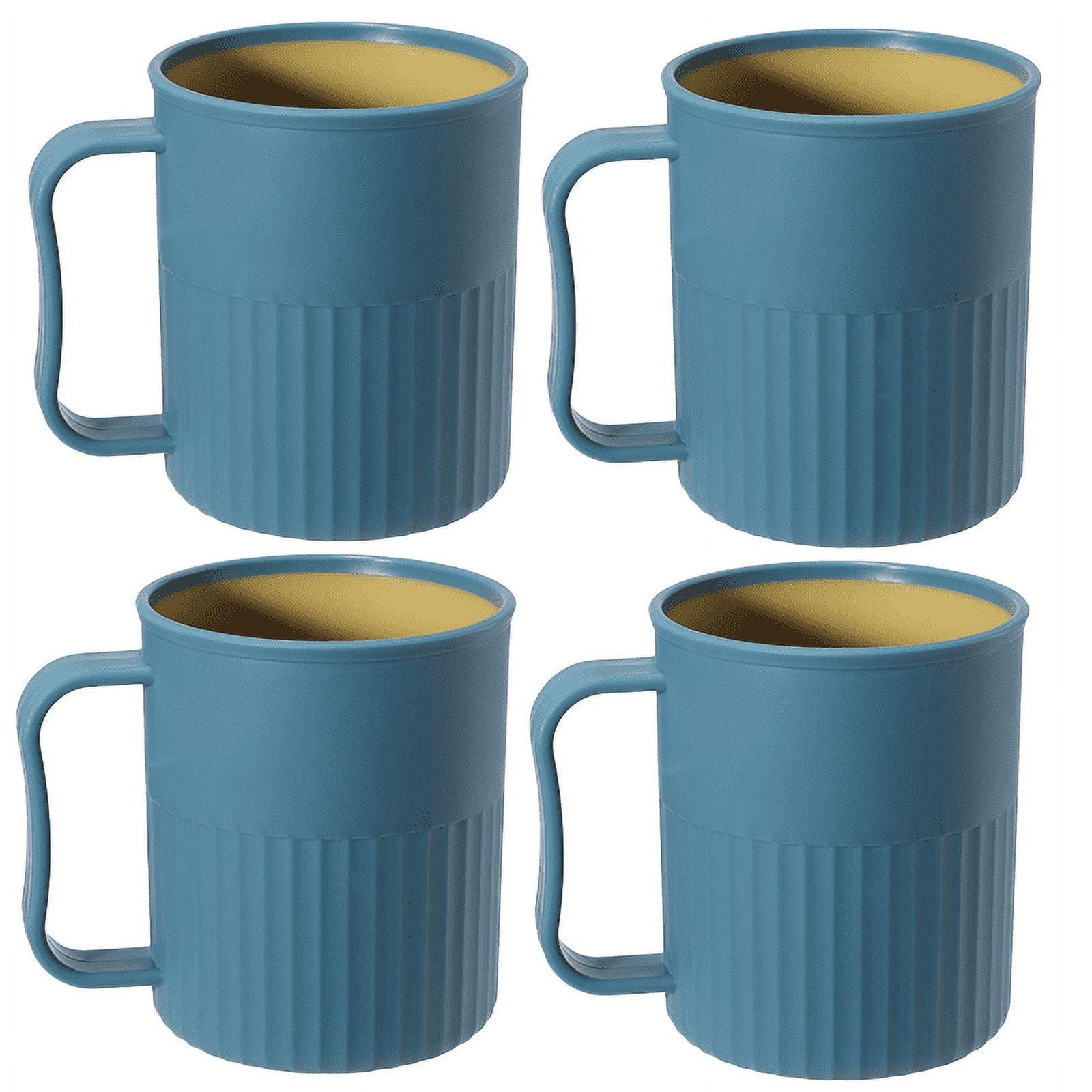
Credit: www.walmart.ca
Frequently Asked Questions
Are All Plastic Coffee Mugs Unsafe For Hot Drinks?
No, not all plastic mugs are unsafe. Polypropylene (#5) mugs are safer for hot drinks, especially if they are labeled BPA-free. Avoid polycarbonate and melamine mugs for very hot drinks.
Can I Microwave My Plastic Coffee Mug?
Only microwave mugs marked “microwave-safe. ” Even then, avoid microwaving for long periods. Heating increases the risk of chemical leaching.
How Can I Tell If My Mug Is Bpa-free?
Look for a “BPA-free” label or check the recycling code on the bottom. Mugs with code #5 (polypropylene) are usually BPA-free.
Is It Safe To Use Old Or Scratched Plastic Mugs?
No, old or scratched mugs can leak more chemicals. It’s best to replace them, even if they look clean.
What Is The Safest Material For Coffee Mugs?
Ceramic and stainless steel mugs are safest for hot drinks. They do not leak chemicals and last longer than plastic mugs.