Skip to content
Many people use vacuum sealer bags to keep food fresh, store leftovers, and even cook sous vide. But sometimes you want to reheat or cook food quickly in the microwave. Is it safe to use vacuum sealer bags for this purpose?
Can you put these bags in the microwave without risking your health or damaging your appliance? This question matters more than you might think. Using the wrong bag can cause melting, chemical leaks, or even fires. Let’s explore the facts, bust myths, and help you use vacuum sealer bags confidently in your kitchen.
What Are Vacuum Sealer Bags Made Of?
Vacuum sealer bags are typically made from polyethylene and nylon. These materials create a strong, airtight seal that keeps air and moisture out. Polyethylene is used because it is flexible and safe for food contact. Nylon adds strength and helps the bag hold its shape under vacuum pressure.
Most bags are multi-layered. The inner layer touches the food, while the outer layer provides extra durability. Some brands add specialized coatings to improve sealing or reduce freezer burn. Not all bags are the same, though. Lower-quality bags may use cheaper plastics or include materials that break down under heat.
Common Materials In Vacuum Sealer Bags
Here’s a quick comparison of materials:
| Material | Heat Resistance | Food Safety |
|---|---|---|
| Polyethylene (PE) | Up to 175°F (79°C) | FDA-approved for food |
| Nylon (PA) | Up to 392°F (200°C) | Safe for food contact |
| PVC | Up to 158°F (70°C) | Not recommended for food |
Most quality vacuum sealer bags avoid PVC due to health risks, especially when heated.
Are Vacuum Sealer Bags Microwave Safe?
The answer isn’t simple. Some vacuum sealer bags are safe for the microwave, while others are not. It depends on the materials and the manufacturer’s instructions.
Microwave Safety Indicators
Look for these signs when choosing a bag:
- Microwave-safe label: Only use bags clearly marked as microwave safe.
- FDA approval: Bags should be approved for food use, which suggests safer materials.
- Temperature ratings: Check the maximum temperature the bag can handle. Microwaves often heat unevenly and can create hot spots.
Brands like FoodSaver and Seal-a-Meal offer bags labeled safe for microwave use. However, generic or unbranded bags may not be tested for microwave safety.
Risks Of Microwaving Non-microwave-safe Bags
Using the wrong bag can lead to:
- Melting or warping: Non-microwave-safe bags may melt, causing plastic to leak into food.
- Chemical leaching: Some plastics release harmful chemicals, like bisphenol A (BPA) or phthalates, when heated.
- Bag rupture: Air-tight bags without venting can explode or tear due to steam build-up.
- Fire hazard: Rare, but possible if bags touch microwave walls or get too hot.
According to the FDA, heating plastics not designed for microwaving increases the risk of toxins entering food.
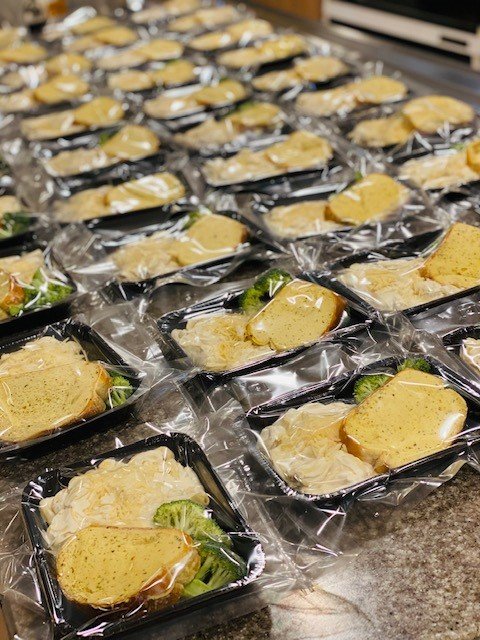
Credit: richrosendaleshop.com
How To Safely Microwave Vacuum Sealer Bags
If you want to microwave food in vacuum sealer bags, follow these steps to reduce risk:
- Check the label: Only use bags marked as microwave safe.
- Vent the bag: Cut a small slit or poke holes to let steam escape.
- Avoid high-fat foods: Oils get hotter than water and may cause melting or burns.
- Do not reuse bags: Reusing bags may weaken their structure and make them unsafe.
- Monitor heating time: Short bursts are safer than long sessions.
- Keep bag off microwave walls: This prevents hot spots that might burn the plastic.
Example Of Safe Microwaving
Suppose you want to reheat frozen vegetables sealed in a FoodSaver bag:
- Take the bag out of the freezer.
- Cut a small slit in the top.
- Place the bag in the center of the microwave.
- Heat for 1–2 minutes, checking halfway.
- Carefully open the bag—steam can burn.
This method works for most simple foods. Avoid microwaving bags with sauces, cheese, or oils for more than a minute.
Vacuum Sealer Bags Vs. Other Microwave Containers
How do vacuum sealer bags compare to other containers when microwaving? Here’s a quick overview:
| Container Type | Microwave Safety | Best Uses |
|---|---|---|
| Vacuum sealer bags | Only if labeled microwave safe | Steaming vegetables, reheating leftovers |
| Glass containers | Always microwave safe | Heating, cooking, storing |
| Plastic containers | Depends on label | Reheating, storing |
| Silicone bags | Generally microwave safe | Cooking, freezing, reheating |
Glass is safest, but lacks the convenience of bags. Silicone bags are gaining popularity because they are durable and heat-resistant.
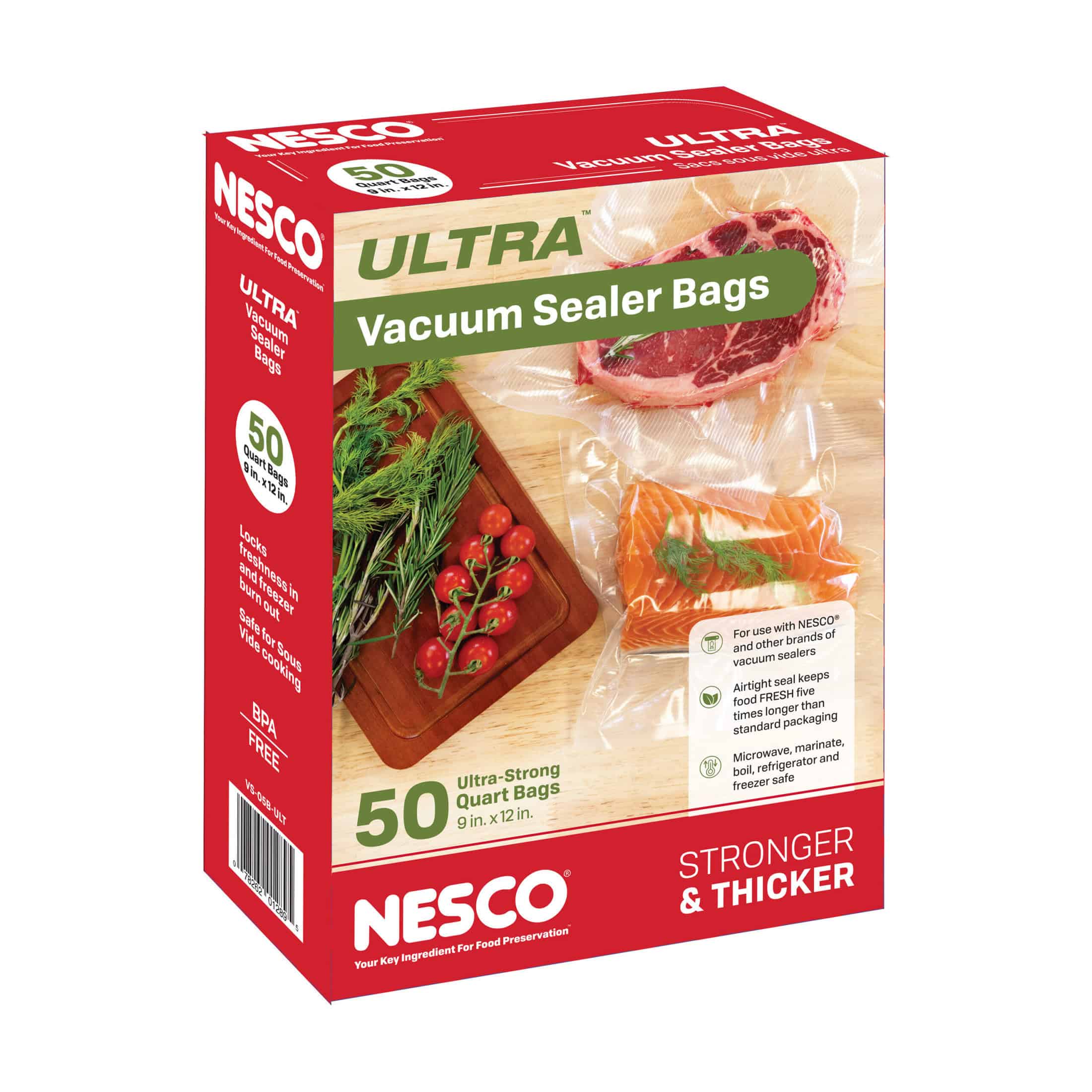
Credit: www.nesco.com
Common Mistakes When Microwaving Vacuum Sealer Bags
Many people make errors that can be dangerous or reduce food quality. Here are the most common mistakes:
- Microwaving non-microwave-safe bags: This is the biggest risk. Always check the packaging.
- No venting: Forgetting to cut a vent can cause the bag to burst.
- Heating too long: Extended heating can melt the bag or ruin the food.
- Microwaving fatty foods: Fat heats quickly and can damage bags or cause burns.
- Not checking for BPA-free labeling: Some older bags may contain BPA, which can leach into food.
A non-obvious mistake: Some people microwave bags that have been reused or washed. Cleaning can weaken the bag’s structure, making it unsafe for heat.
How Manufacturers Test Microwave Safety
Reputable brands test their bags under strict conditions:
- Temperature trials: Bags are heated to above typical microwave temperatures to see if they melt or deform.
- Food contact tests: Samples are checked for leaching chemicals during heating.
- Steam pressure tests: Bags are monitored for rupture risk under steam buildup.
Some manufacturers publish their test results, showing the maximum safe temperature. For example, FoodSaver bags are tested up to 212°F (100°C), which matches boiling water.
Manufacturers must also follow FDA guidelines for food-safe plastics. Bags that pass these tests usually have clear labeling.
Health Concerns With Microwaving Plastics
Plastic safety is a hot topic. Studies show that heating certain plastics can release chemicals linked to health issues. BPA, phthalates, and other additives have been connected to hormone disruption and cancer risks.
Vacuum sealer bags from reputable brands are usually BPA-free. Always look for this marking. Avoid old or unknown bags.
A 2020 study found that heating plastics above their rated temperature caused chemical migration into food, especially with fatty or acidic foods. Even BPA-free bags may release minor chemicals, but the risk is much lower if you follow heating guidelines.
Environmental Impact Of Microwave Use
Microwaving vacuum sealer bags creates waste. Most bags are single-use, so after heating, you throw them away. This adds plastic to landfills. Some brands offer recyclable or compostable bags, but these are less common.
Reusable alternatives like silicone bags or glass containers are better for the environment. If you must use vacuum sealer bags, try to limit microwave use and recycle when possible.
Credit: genomicgastronomy.com
Practical Tips For Safe Microwaving
These tips help you avoid mistakes and keep your food safe:
- Always read manufacturer instructions.
- Cut a vent before microwaving.
- Do not microwave bags with metal clips or ties.
- Place the bag on a microwave-safe plate to catch leaks.
- Avoid microwaving liquids in bags—use a bowl instead.
- If unsure, transfer food to a glass or ceramic container.
Quick Comparison: Foodsaver Vs. Generic Bags
| Brand | Microwave Safe | BPA-Free | Max Temperature |
|---|---|---|---|
| FoodSaver | Yes (with venting) | Yes | 212°F (100°C) |
| Generic | Varies | Not always | Unknown |
| Seal-a-Meal | Yes | Yes | 212°F (100°C) |
When in doubt, choose a well-known brand with clear safety data.
- You might find this helpful: Best Vacuum Sealers for Beginners
Real-life Examples
Sarah, a busy mom, uses FoodSaver bags to freeze cooked meals. She often microwaves them for quick dinners. By venting the bags and using short bursts, she avoids spills and keeps her food safe. She tried generic bags once, but they melted and ruined her meal.
John, a college student, microwaved soup in a vacuum bag without venting. The bag burst, making a mess and nearly burning him. He learned to poke holes and use a bowl for liquids.
These stories show that following simple steps can make a big difference.
Frequently Asked Questions
Can All Vacuum Sealer Bags Go In The Microwave?
No. Only bags marked as microwave safe should be used. Most generic or older bags are not tested for microwave use and may melt or leak chemicals.
What Happens If I Microwave A Bag Without Venting?
The bag can burst due to steam build-up. This can cause burns, messes, and even damage your microwave. Always cut a small slit before microwaving.
Are Vacuum Sealer Bags Safe For Reheating Liquids?
It’s better to transfer liquids to a microwave-safe bowl. Bags are not designed to handle the rapid expansion of hot liquids and may burst or leak.
Can I Reuse Vacuum Sealer Bags In The Microwave?
No. Reusing bags weakens the plastic and increases the risk of melting or chemical leaching. Always use a fresh, microwave-safe bag.
How Do I Know If My Vacuum Sealer Bag Is Bpa-free?
Check the packaging or the manufacturer’s website. Most reputable brands, like FoodSaver, state BPA-free on the label. If the bag is generic and not labeled, assume it may contain BPA.
Vacuum sealer bags offer convenience and freshness. But when it comes to microwaving, safety must come first. Always check for microwave-safe labels, use proper venting, and avoid heating bags with unknown materials. If you’re unsure, use glass or silicone containers instead. Being careful protects your health, your food, and your kitchen. For more information on food-safe plastics, visit FDA Food Packaging Materials. Making smart choices lets you enjoy quick meals without worry.