Skip to content
Juicing is a fun and healthy way to enjoy more fruits in your daily life. For beginners, choosing the right fruits can make the process easy, tasty, and rewarding. Many fruits work well for juicing, but some are much better for people just starting out.
These fruits are easy to find, simple to prepare, and have flavors that mix well. When you pick the right fruits, your first juicing experience will be smooth and enjoyable. This guide focuses on the best fruits for beginner juicing recipes, offering practical advice, nutrition facts, and helpful tips to get you started.
Why Fruit Matters In Beginner Juicing
Fresh fruit juices are rich in vitamins, minerals, and antioxidants. They boost energy, support digestion, and help you stay hydrated. For beginners, using fruits with high water content and natural sweetness is important. These fruits are easier to juice and taste good without adding sugar.
Juicing is also a great way to eat more fruit, especially if you struggle to get your daily servings. According to the CDC, only about 12% of Americans eat enough fruit each day. Juicing can help fill this gap, especially for picky eaters or busy people.
Best Fruits For Beginner Juicing
Many fruits can be juiced, but some are better for beginners. They are easy to handle, require little preparation, and taste great alone or mixed with other fruits. Here are the top choices:
Apples
Apples are a classic juicing fruit. They’re sweet, affordable, and available year-round. Their flavor blends well with almost any other fruit or vegetable.
- Nutrition: Rich in vitamin C, fiber, and antioxidants.
- Preparation: Just wash, core, and slice. No need to peel if you use a good juicer.
- Tip: Use sweeter varieties like Fuji, Gala, or Honeycrisp for best results.
Oranges
Oranges bring a bright, tangy flavor and lots of juice. They’re loaded with vitamin C and help boost immunity.
- Nutrition: High in vitamin C, folate, and potassium.
- Preparation: Peel and remove seeds. Segmenting is optional.
- Tip: Try mixing orange juice with apple or carrot for a gentle introduction to juicing blends.
Pineapple
Pineapple is juicy, sweet, and tropical. It masks the taste of vegetables and adds a fresh aroma.
- Nutrition: Contains vitamin C, manganese, and bromelain (an enzyme that aids digestion).
- Preparation: Remove the skin and core, cut into chunks.
- Tip: Pineapple pairs well with mint and ginger for a refreshing juice.
Watermelon
Watermelon is perfect for summer juicing. Its high water content makes juicing easy, and the mild sweetness suits most palates.
- Nutrition: Good source of vitamin A, vitamin C, and lycopene.
- Preparation: Remove rind and seeds, chop into cubes.
- Tip: Mix with lime for a thirst-quenching drink.
Grapes
Grapes are small but powerful. They’re naturally sweet, so you don’t need to add sugar.
- Nutrition: Rich in antioxidants, especially resveratrol.
- Preparation: Just wash and remove stems. No peeling required.
- Tip: Use seedless grapes for smoother juice.
Pears
Pears offer a gentle sweetness and creamy texture. They blend well with apples and other mild fruits.
- Nutrition: High in fiber and vitamin K.
- Preparation: Wash, core, and slice. No need to peel.
- Tip: Bartlett and Anjou varieties are juicier.
Strawberries
Strawberries are popular for their bright color and sweet taste. They add a pleasant aroma to juices.
- Nutrition: High in vitamin C, folate, and antioxidants.
- Preparation: Wash and remove stems.
- Tip: Strawberries combine well with apple or orange.
Mango
Mango adds a tropical flavor and creamy texture. It’s a bit thicker than other fruits but works well in mixes.
- Nutrition: Rich in vitamin A, vitamin C, and beta-carotene.
- Preparation: Peel, remove pit, and cut into chunks.
- Tip: Blend with pineapple or orange for a tropical juice.
Kiwi
Kiwi has a tangy taste and is packed with nutrients. It’s a good way to add a little tartness to juices.
- Nutrition: High in vitamin C, vitamin E, and potassium.
- Preparation: Peel and slice.
- Tip: Mix with apple or strawberry for a balanced flavor.
Blueberries
Blueberries are rich in antioxidants and have a mild, sweet taste. They’re great for boosting the nutrition of your juice.
- Nutrition: Contains vitamin C, vitamin K, and anthocyanins.
- Preparation: Wash thoroughly.
- Tip: Blend with apple or pear for a smoother juice.
Fruit Juicing Comparison Table
Here’s a quick look at how these fruits stack up in terms of juicing ease, sweetness, and nutrition.
| Fruit | Juicing Ease | Sweetness | Nutrition Highlight |
|---|---|---|---|
| Apple | Very Easy | High | Vitamin C, Fiber |
| Orange | Easy | Medium-High | Vitamin C |
| Pineapple | Easy | High | Manganese, Bromelain |
| Watermelon | Very Easy | Medium | Lycopene, Vitamin A |
| Grape | Easy | High | Antioxidants |
| Pear | Easy | Medium | Fiber, Vitamin K |
| Strawberry | Easy | Medium | Vitamin C, Folate |
| Mango | Medium | High | Vitamin A, Beta-carotene |
| Kiwi | Medium | Medium | Vitamin C, Potassium |
| Blueberry | Easy | Medium | Antioxidants |
How To Start Juicing With Fruits
Starting with fruit juicing is simple if you follow a few steps. Here’s a practical approach:
- Choose 2-3 fruits from the list above. Mixing fruits helps balance flavor and nutrition.
- Wash all fruits thoroughly to remove dirt and pesticides.
- Prepare fruits by peeling, coring, or slicing as needed.
- Juice in small batches to avoid waste. Start with one cup per recipe.
- Drink immediately for the best taste and nutrition.
Juicing Example Recipes
Here are three easy recipes for beginners:
Apple-orange Juice
- 2 apples
- 2 oranges
- Prep: Wash apples, core and slice. Peel oranges.
- Juice together for a sweet, tangy drink.
Pineapple-strawberry Juice
- 1/2 pineapple
- 1 cup strawberries
- Prep: Peel and chop pineapple. Wash and stem strawberries.
- Juice for a tropical, colorful blend.
Watermelon-grape Juice
- 2 cups watermelon cubes
- 1 cup grapes
- Prep: Remove watermelon rind and seeds. Wash grapes.
- Juice for a refreshing, hydrating drink.
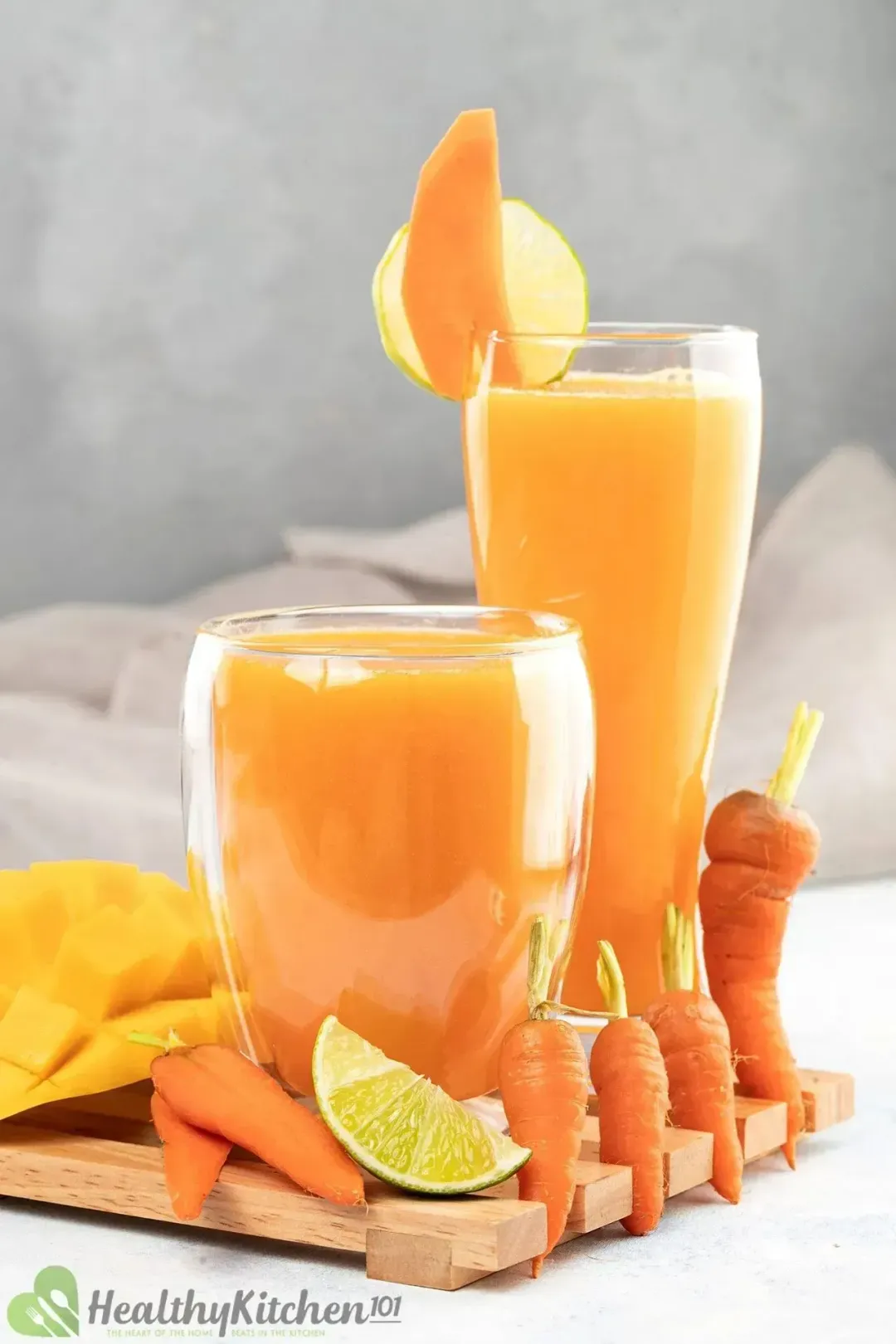
These recipes are simple, require minimal prep, and use fruits with high water content for easy extraction.
Credit: healthyrecipes101.com
Choosing The Right Fruits: Factors To Consider
When you pick fruits for juicing, think about these factors:
- Juicing yield: Some fruits produce more juice than others. Watermelon, oranges, and apples are high-yield.
- Flavor balance: Mixing sweet and tart fruits creates a pleasant taste.
- Availability: Choose fruits that are fresh and easy to find in your area.
- Cost: Apples, oranges, and watermelon are usually affordable.
- Nutrition: Aim for variety to get different vitamins and minerals.
Beginners often miss that some fruits, like bananas, are not suitable for juicing. Bananas are better for smoothies because they don’t contain much juice. Also, citrus fruits like lemons and limes are strong in flavor and best used in small amounts.
Fruit Juicing Mistakes Beginners Make
Juicing is simple, but some common mistakes can affect the outcome:
- Using too many fruits: Overmixing can make flavors muddy and overpowering.
- Not removing seeds or pits: Seeds from apples, grapes, and cherries can affect taste and may be unsafe.
- Juicing underripe or overripe fruits: Underripe fruits have less juice and flavor; overripe fruits can create a mushy texture.
- Leaving peels on strong-flavored fruits: Orange and pineapple peels should be removed; their oils can make juice bitter.
- Storing juice too long: Fresh juice loses nutrients quickly. Drink within 15-30 minutes for best results.
A non-obvious tip: use a small amount of lemon juice in recipes to preserve color and add a fresh note. Another insight: always rotate fruit choices. This keeps your juices exciting and ensures a wider range of nutrients.

Credit: www.amazon.com
Fruit Juicing Nutrition Table
See how the top fruits compare in calorie count and vitamin C content:
| Fruit | Calories (per 100g) | Vitamin C (mg/100g) |
|---|---|---|
| Apple | 52 | 4.6 |
| Orange | 47 | 53.2 |
| Pineapple | 50 | 47.8 |
| Watermelon | 30 | 8.1 |
| Grape | 69 | 10.8 |
| Pear | 57 | 4.3 |
| Strawberry | 32 | 58.8 |
| Mango | 60 | 36.4 |
| Kiwi | 41 | 92.7 |
| Blueberry | 57 | 9.7 |
Practical Tips For Beginner Juicers
- Start simple: Use 1-2 fruits per recipe until you learn what flavors you like.
- Experiment with ratios: Adjust fruit amounts to find your preferred sweetness or tartness.
- Clean your juicer promptly: Fruit residue can stick and become hard to clean.
- Taste before serving: If the juice is too strong, dilute with water or add a mild fruit like apple.
- Freeze extra juice: If you make too much, freeze it in ice trays for smoothies.
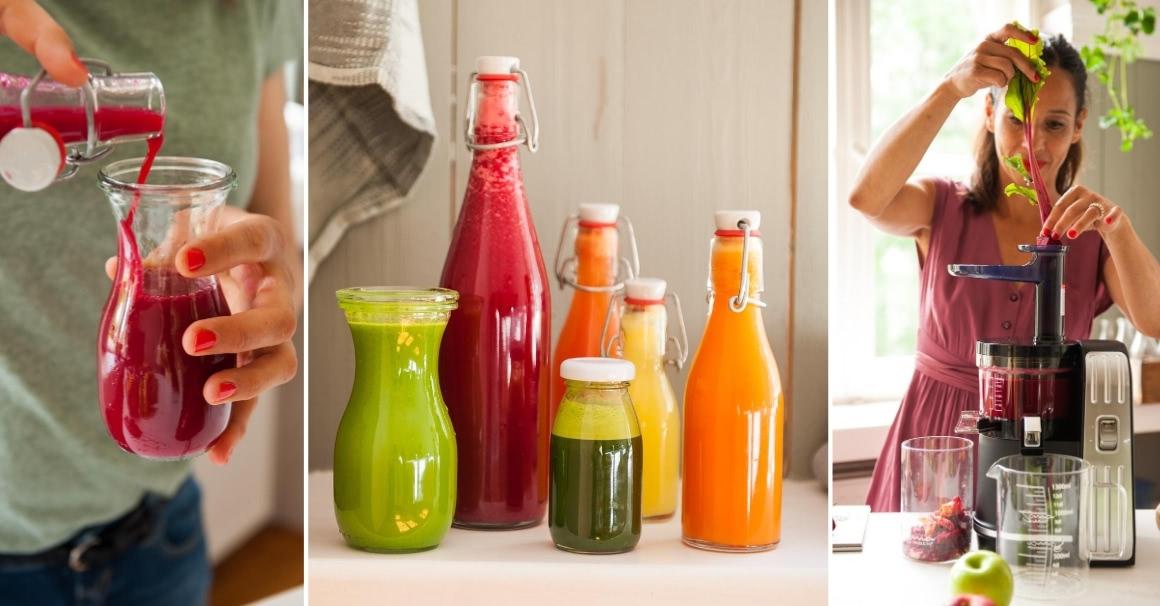
Many beginners overlook the importance of using ripe fruit. Ripe fruits are juicier, sweeter, and easier to process. Also, don’t forget to vary your fruit types; rotating helps prevent taste fatigue and provides a broader range of nutrients.
For more juicing advice and science-backed tips, check out Healthline’s Juicing Guide.
Credit: gruenesmoothies.eu
Frequently Asked Questions
What Fruits Should I Avoid When Juicing?
Avoid fruits like banana and avocado. They are too thick and don’t yield juice. Also, skip peels of citrus fruits and pineapple.
How Long Can I Store Fresh Fruit Juice?
Fresh juice is best consumed within 15-30 minutes. If necessary, store in the fridge for up to 24 hours in an airtight container, but nutrients decrease quickly.
Can I Mix Vegetables With Fruit In Beginner Recipes?
Yes, but start with mild vegetables like carrot or cucumber. Mixing too many strong vegetables can overpower the fruit flavor.
Is It Necessary To Peel All Fruits Before Juicing?
No. Most fruits like apples, pears, and grapes can be juiced with skin. Peel citrus, pineapple, and mango for the best taste.
Will Juicing Help Me Lose Weight?
Juicing can support weight loss if used wisely. Use mostly low-calorie fruits and avoid adding sugar. Remember, juice lacks fiber, so balance with whole fruits.
Juicing is a simple, enjoyable way to get more nutrients and flavor in your daily routine. With the right fruits, you can create juices that taste great and support your health. As a beginner, focus on easy-to-juice fruits with natural sweetness and high water content.
Experiment, keep things simple, and enjoy the benefits of homemade fruit juice.