Brewing great drip coffee at home is easier than most people think, but one detail makes all the difference: grind size. If you’ve ever wondered why your coffee tastes bitter, weak, or just not right, the answer is often in how you grind your beans. Getting the best grind size for drip coffee unlocks flavor, aroma, and a cup that feels balanced. Many beginners use pre-ground coffee and wonder why their home brew never matches café quality. The secret is simple but overlooked: matching grind size to your drip method, water temperature, and even the freshness of your beans.
Let’s dive into how grind size affects drip coffee, how to find the sweet spot, and the mistakes most people make.
Why Grind Size Matters In Drip Coffee
When water flows through ground coffee, it extracts flavor and aroma. If the grind is too fine, water struggles to pass through, causing over-extraction—the coffee tastes bitter and harsh. If the grind is too coarse, water passes too quickly, leading to under-extraction—the coffee tastes weak, sour, or flat. Drip coffee uses gravity or a pump to pull water through a filter, so grind size controls the speed and completeness of extraction.
Two key insights most beginners miss:
- Freshness matters: Coffee starts losing aroma and flavor minutes after grinding. Grinding just before brewing improves taste, regardless of grind size.
- Uniformity is critical: Cheap grinders make uneven particles. This causes some pieces to over-extract and others to under-extract, ruining balance.
The Ideal Grind Size For Drip Coffee
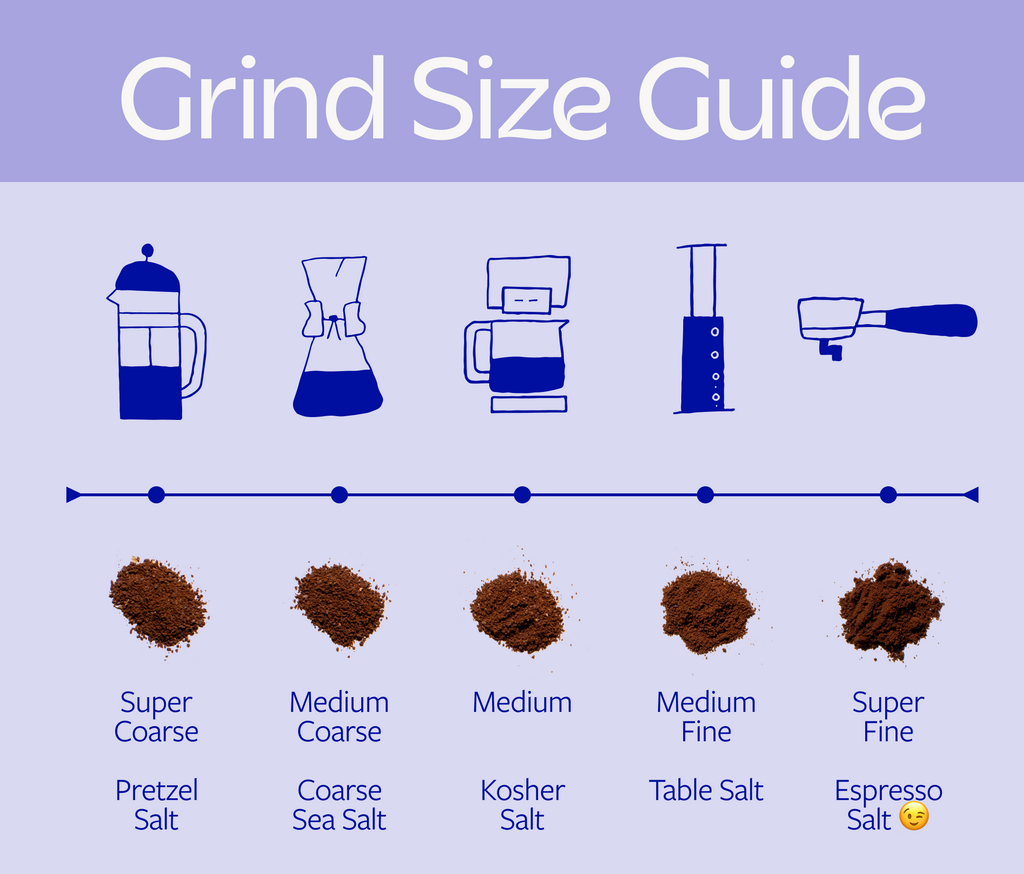
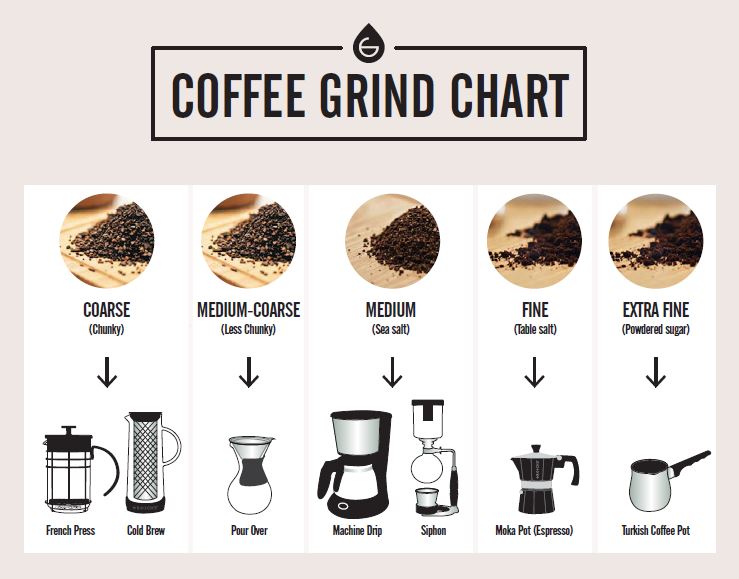
For most drip machines and pour-over methods, the medium grind is best. This grind looks and feels like rough sand or kosher salt—larger than table salt, but not chunky like sea salt.
Why medium grind works:
- It lets water flow at the right speed—neither too fast nor too slow.
- It balances flavor, extracting sweetness, acidity, and bitterness evenly.
But not all drip coffee makers are the same. Let’s compare common methods:
| Drip Method | Best Grind Size | Why It Works |
|---|---|---|
| Automatic Drip Machine | Medium | Consistent flow, even extraction |
| Pour-Over (e.g., Chemex, V60) | Medium-Fine to Medium | Controls extraction, adapts to filter type |
| Flat-Bottom Filter | Medium | Prevents clogging, good flavor balance |
| Cone Filter | Medium-Fine | Encourages slower flow for full flavor |
How To Choose And Adjust Grind Size
Choosing the right grind is only half the story. The other half is adjusting it to match your taste, equipment, and coffee beans. Here’s how to do it:
- Start with medium grind: Use it for all standard drip machines and pour-over devices.
- Taste your coffee: If it’s bitter or harsh, try a coarser grind. If it’s sour or weak, try a finer grind.
- Notice brew time: Drip coffee should brew in 3–5 minutes. If it’s much faster, go finer. If slower, go coarser.
- Switch grinders if needed: Burr grinders create even particles. Blade grinders make uneven grinds, so flavors are less consistent.
Practical Example
Let’s say you use a standard drip machine. Grind your beans to a sand-like texture, brew, and taste. If the coffee tastes flat, reduce the grind size slightly. If it tastes bitter, increase the grind size. Small changes (half a grind setting) often make a big difference.
Comparing Grind Size And Brew Strength
Different grind sizes produce different strengths and flavors. This matters for people who like strong coffee or milder brews. Here’s a quick comparison:
| Grind Size | Brew Time | Flavor Profile |
|---|---|---|
| Fine | 2–3 min | Strong, sometimes bitter |
| Medium | 3–5 min | Balanced, sweet, full-bodied |
| Coarse | 5–7 min | Weak, sometimes sour |
Most drip methods work best between medium-fine and medium. If you change grind size, adjust brew time to avoid bitterness or sourness.
Credit: mansio.ch
Common Mistakes When Grinding For Drip Coffee
Many coffee lovers make small errors that ruin their brew. Here are the most frequent mistakes:
- Using pre-ground coffee: It’s convenient but loses flavor quickly. Always grind beans just before brewing.
- Grinding too fine: This causes the filter to clog and results in bitter, muddy coffee.
- Grinding too coarse: Water passes too quickly, producing thin, sour coffee.
- Ignoring uniformity: Cheap blade grinders make uneven grind sizes. Burr grinders are better, even if entry-level.
- Not adjusting for different beans: Dark roasts and light roasts extract differently. Light roasts often need a slightly finer grind to bring out flavor.
How Water Temperature And Brew Time Affect Grind Size
Grind size isn’t the only factor. Water temperature and brew time play a big role in extraction:
- The best water temperature for drip coffee is 195–205°F (90–96°C). Too cool, and coffee tastes weak; too hot, and coffee tastes burnt.
- Brew time should be 3–5 minutes for most drip methods. If you use a coarse grind, you may need a longer brew time. Finer grinds work best with shorter times.
For example, if your drip machine heats water to only 185°F, use a finer grind to boost extraction. If your machine is fast (2 minutes), use a finer grind or add more coffee.
:max_bytes(150000):strip_icc()/sea-primary-coffee-grinders-oct-24-nsimpson-207-b439c1ef1a674697b2825604e5321d5c.jpeg)
Credit: www.seriouseats.com
Choosing The Right Grinder
Grinders make a huge difference. Here’s how to pick one for drip coffee:
| Grinder Type | Price Range | Grind Uniformity | Best For |
|---|---|---|---|
| Burr Grinder | $40–$300 | Excellent | Consistent drip coffee |
| Blade Grinder | $15–$50 | Poor | Quick, but inconsistent |
| Manual Burr Grinder | $20–$60 | Good | Budget, travel |
Burr grinders produce even particles, which helps extract flavor evenly. If you use a blade grinder, shake it while grinding to improve uniformity, but it won’t match a burr grinder.
Adjusting Grind Size For Different Beans
Not all beans are the same. Light roasts often need a slightly finer grind because they’re denser and less porous. Dark roasts, being softer, can extract faster with a medium grind.
Example: If you switch from a dark roast to a light Ethiopian roast and your coffee tastes sour, try a finer grind and a slightly longer brew time.
How Much Coffee Should You Use?
Grind size affects how much coffee you need. The standard ratio is 1:16—one part coffee to sixteen parts water. For drip coffee:
- Use 1–2 tablespoons of ground coffee per 6 ounces of water.
- If you use a finer grind, start at the lower end (1 tablespoon). For coarser grind, use more (closer to 2 tablespoons).
If your coffee tastes weak, increase the amount of coffee or use a finer grind. If it tastes strong or bitter, decrease the coffee or use a coarser grind.
Practical Tips For Perfect Drip Coffee
- Grind just before brewing: Maximizes freshness and aroma.
- Clean your grinder regularly: Old grounds can add bitterness.
- Store beans in an airtight container: Keeps them fresh longer.
- Experiment with grind settings: Small changes can improve flavor.
- Check your filter type: Cone filters often need a finer grind than flat-bottom filters.
Credit: grosche.ca
Real Data: Grind Size Vs. Extraction
Studies show that the right grind size improves extraction yield. Extraction yield measures how much soluble coffee is pulled from the grounds.
- Medium grind with standard drip machine: 18–22% extraction yield (ideal)
- Fine grind: 23–25% yield (often over-extracted)
- Coarse grind: 14–16% yield (under-extracted)
A balanced extraction yield means sweet, aromatic, and full-bodied coffee. Most experts agree that extraction yields above 22% taste bitter, while below 18% taste weak.
For more on extraction science, check this research paper.
Frequently Asked Questions
What Is The Best Grind Size For A Drip Coffee Maker?
The medium grind is best for most drip coffee makers. It resembles rough sand or kosher salt. Medium grind allows water to flow at the right speed, extracting balanced flavors without clogging the filter.
Can I Use Pre-ground Coffee For Drip Brewing?
Yes, but freshly ground coffee is better. Pre-ground coffee loses aroma and flavor quickly. If you use pre-ground, choose the medium grind and store it in an airtight container for up to a week.
How Do I Know If My Grind Size Is Correct?
Taste your coffee. If it’s bitter, grind coarser. If it’s sour or weak, grind finer. Brew time should be 3–5 minutes. If your coffee brews much faster or slower, adjust grind size accordingly.
What Happens If I Use The Wrong Grind Size?
Wrong grind size causes over-extraction (bitter) or under-extraction (weak/sour). Fine grinds clog the filter and make muddy coffee. Coarse grinds let water through too fast, making the coffee thin.
Does Grinder Type Matter For Drip Coffee?
Yes. Burr grinders produce uniform particles, improving extraction and flavor. Blade grinders are less consistent, causing uneven extraction. If possible, use a burr grinder for drip coffee.
Getting the best grind size for drip coffee transforms your daily cup from average to delicious. The right grind unlocks flavor, balance, and aroma that rivals café coffee. Don’t ignore freshness, grind uniformity, or brew time—these subtle details matter more than most people realize. Start with a medium grind, adjust based on taste and brew time, and use a burr grinder if you can. With these steps, you’ll enjoy a consistently great cup every morning.