You use your blender every day to whip up smoothies, sauces, and soups. But have you ever stopped to think about how to use it safely?
One small mistake can lead to serious injuries or damage to your kitchen. This article will give you simple, practical blender safety tips that protect you and your loved ones. Keep reading to discover easy ways to avoid accidents and make your blending experience smooth and safe.
Your hands and your blender will thank you!
Choosing The Right Blender
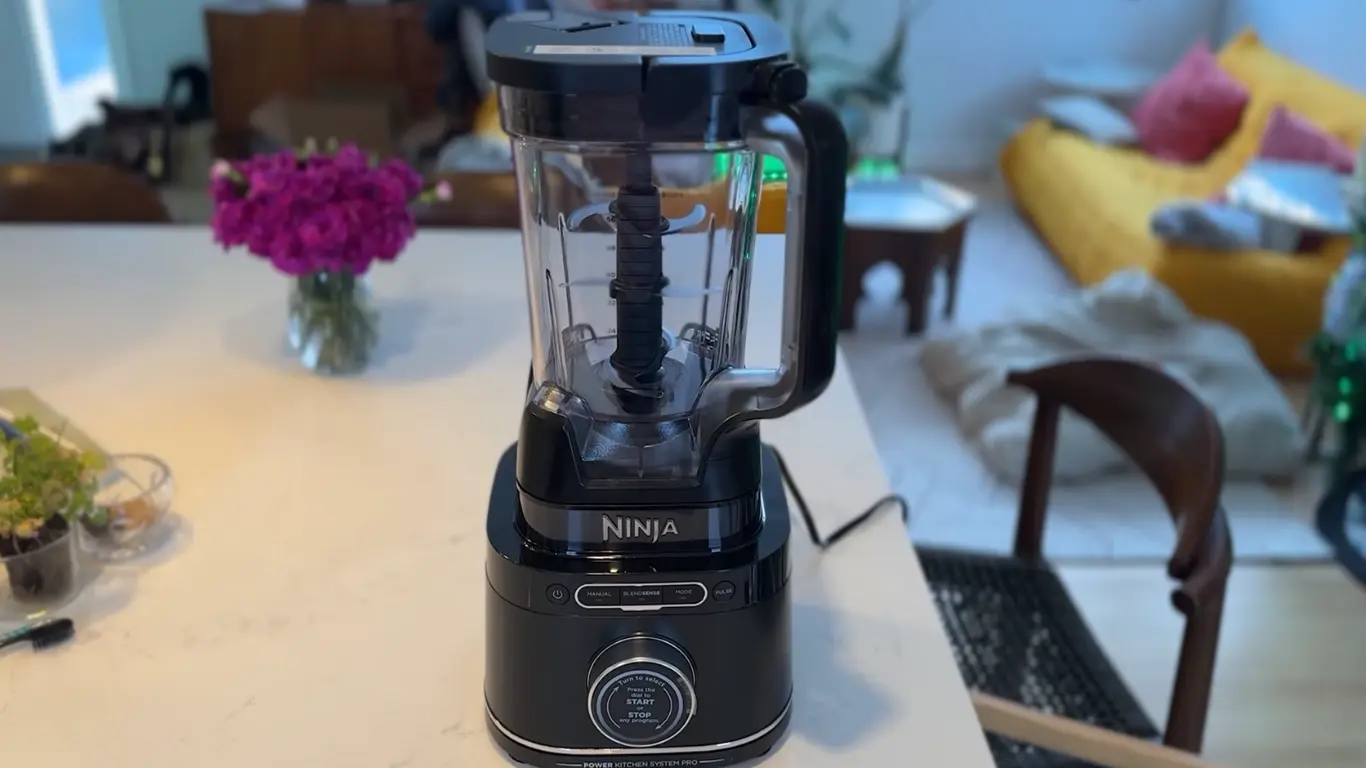
Choosing the right blender is important for safety and ease of use. The right blender fits your needs and keeps you safe in the kitchen. Consider different factors before buying to avoid accidents and get the best results.
Consider Blender Types
Blenders come in many types. Countertop blenders are strong and good for big jobs. Personal blenders are smaller and good for quick, single servings. Choose one that fits your kitchen space and the tasks you do most.
Check Safety Features
Look for blenders with safety locks that stop the blades if the jar is not attached. Non-slip bases prevent the blender from moving during use. Overheat protection stops the motor from burning out. These features reduce accidents.
Assess Power And Capacity
Power matters for how well a blender works. Higher wattage means stronger blades and smoother blends. Capacity is about the jar size. Large jars are good for families. Small jars suit single servings. Pick what matches your typical use.
Preparing Your Blender for Safe Use
Preparing your blender for safe use is essential to avoid accidents. Taking a few simple steps before blending ensures a smooth and secure experience. These preparations protect both you and your kitchen.
Read The User Manual
Start by reading the user manual carefully. It explains how your blender works and highlights safety rules. Manuals often include important tips for your specific model. Knowing these details reduces risk and helps you use the blender correctly.
Inspect Blender Components
Check all parts before use. Look for cracks in the jar or damage to the blades. Make sure the lid fits tightly. Faulty components can cause spills or injuries. Replace any broken parts to keep the blender safe.
Secure Blender On Stable Surface
Place the blender on a flat, stable surface. Avoid uneven or slippery areas. A steady base prevents the blender from tipping over during use. This simple step keeps your workspace safe and clean.
Operating The Blender Safely
Operating a blender safely helps prevent accidents and keeps your kitchen clean. Following simple steps reduces risks and ensures smooth use. Small actions can protect your hands and the appliance.
Avoid Overfilling
Do not fill the blender jar above the maximum line. Overfilling causes spills and splashes. This can lead to messes or injuries from hot liquids. Leave space for ingredients to move and blend properly.
Keep Hands And Utensils Away
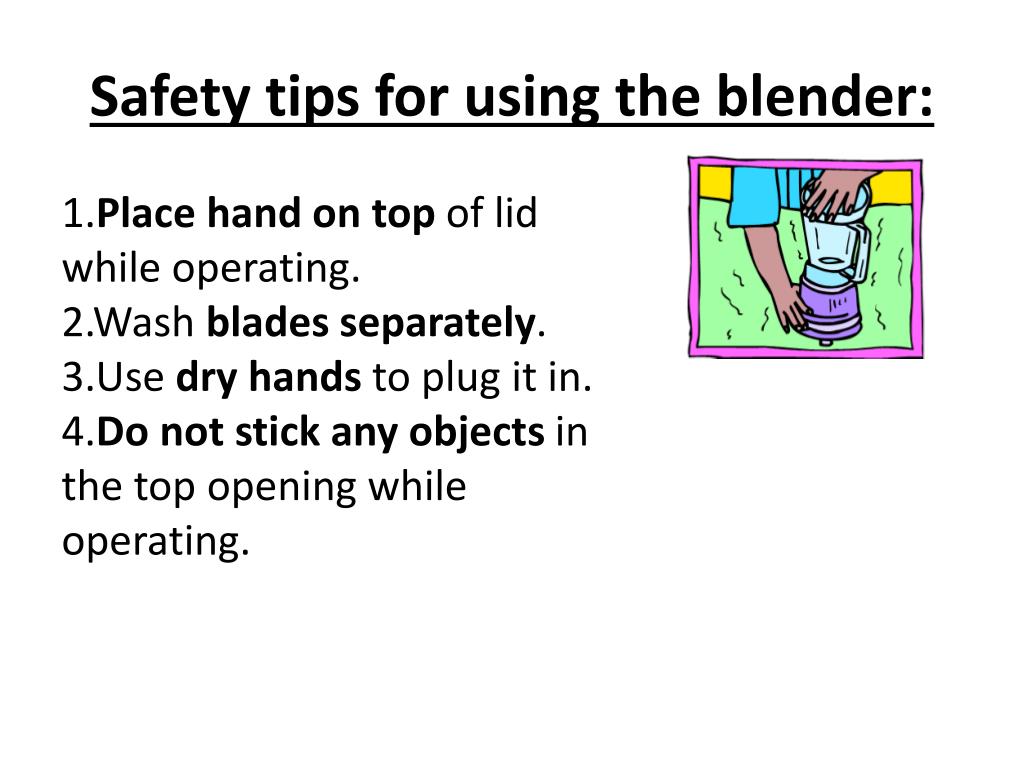
Never put your hands or utensils inside the jar while blending. Blades spin very fast and can cause serious cuts. Use a spatula only when the blender is off and unplugged. Always keep fingers clear of the lid opening.
Start At Low Speed
Begin blending at the lowest speed setting. This prevents sudden splashes and gives you more control. Gradually increase speed as needed. Starting slow protects the motor and avoids ingredient flying out.
Credit: www.slideserve.com
Handling Blades With Care
Blender blades are very sharp and need careful handling. Mishandling blades can cause serious cuts. Taking simple safety steps protects your fingers and keeps your blender working well. This section covers the best ways to handle blender blades safely.
Remove Blades Safely
Always unplug the blender before removing blades. Hold the blades by the base, not the sharp edges. Use a cloth or gloves to protect your hands. Turn the blade assembly slowly to unscrew it. Do not rush or force the blades out. Keep your fingers away from the cutting edges.
How to Clean Blender Blades Safely Without Touching Sharp Edges
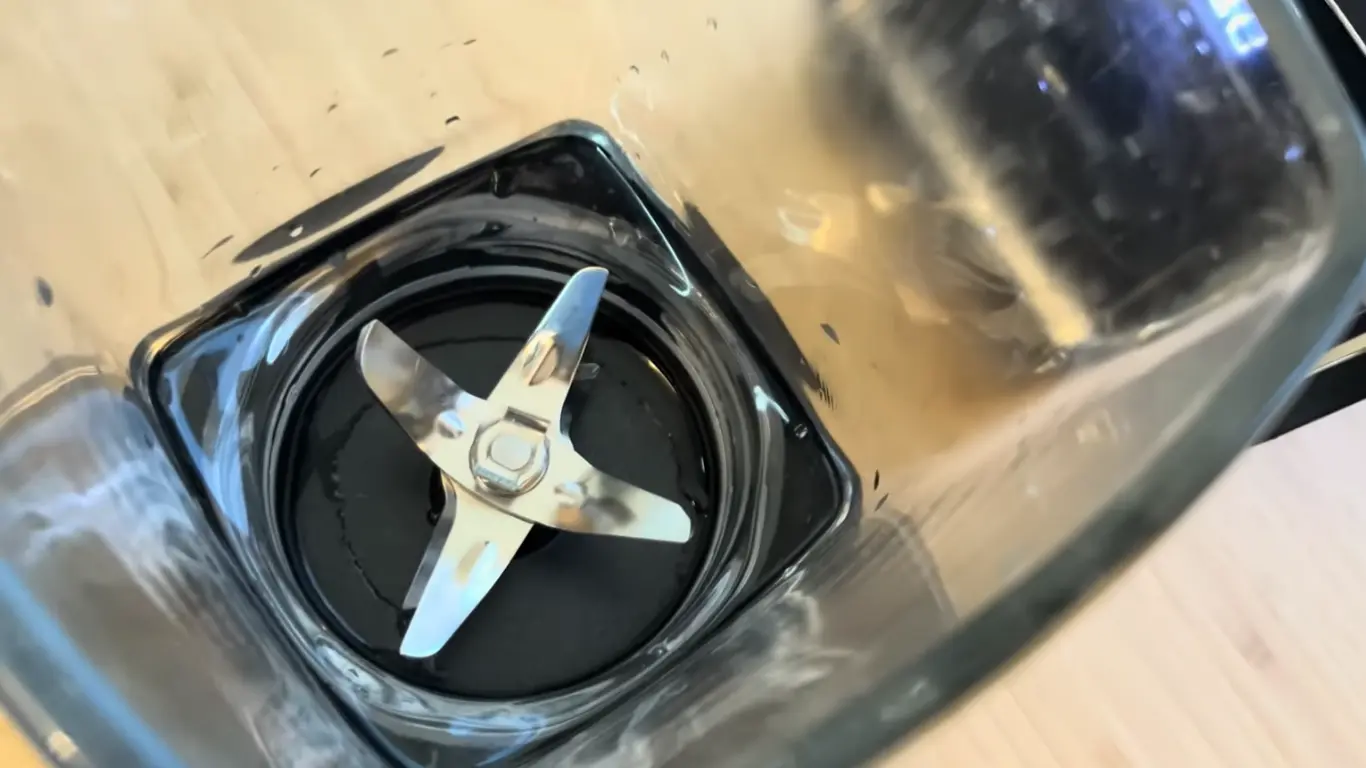
Clean blades with warm, soapy water right after use. Use a brush to reach hard spots without touching sharp edges. Avoid putting blades directly in the dishwasher. Dry blades carefully with a towel to stop rust. Never wash blades while still attached to the blender.
Store Blades Securely
Keep blades in a safe place away from children. Store blades in their original container if possible. Use blade covers or wrap them in a thick cloth. Avoid placing blades loosely in drawers or cabinets. Secure storage prevents accidents and keeps blades sharp longer.
Cleaning And Maintenance Tips
Keeping your blender clean and well-maintained helps it last longer. It also keeps your kitchen safe and your drinks tasting fresh. Follow these simple cleaning and maintenance tips to protect your blender and yourself.
Unplug Before Cleaning
Always unplug the blender before cleaning it. This stops the blender from turning on by mistake. It is the safest way to avoid accidents. Never clean the blender while it is still plugged in.
Use Safe Cleaning Tools
Use soft sponges or cloths to clean the blender parts. Avoid sharp or rough tools that can damage the blades or container. Use warm soapy water for cleaning. Be gentle to keep all parts in good condition.
Regularly Check For Damage
Look at your blender often to find any cracks or loose parts. Damaged parts can cause leaks or stop the blender from working properly. Replace or fix any broken parts right away. This keeps your blender safe and efficient.
Preventing Common Blender Accidents
Blenders are common kitchen tools. They help make smoothies, soups, and sauces fast. But accidents happen if you are not careful. Knowing how to prevent common blender accidents keeps you safe. It also protects your blender from damage.
Avoid Hot Liquids
Do not blend very hot liquids. Hot liquids can splash out and burn you. Let hot soups or drinks cool before blending. Use a towel to hold the lid tight. Start blending at low speed. This stops sudden splashes.
Watch For Electrical Hazards
Keep the blender base dry. Water and electricity can cause shocks. Unplug the blender before cleaning it. Check the cord for damage. Do not use the blender if the cord is frayed or broken. Use a dry hand to plug or unplug the blender.
Keep Blender Away From Children
Blenders have sharp blades. Keep the blender out of children’s reach. Teach kids not to touch the blender. Always supervise children in the kitchen. Store blender parts safely after use. This prevents accidental cuts or injuries.
Frequently Asked Questions
How Can I Safely Operate A Blender?
Always read the manual before use. Secure the lid firmly. Avoid overfilling and keep hands away from blades during operation.
What Precautions Prevent Blender Accidents?
Unplug the blender before cleaning. Handle blades carefully to avoid cuts. Use a stable surface to prevent tipping.
How To Clean A Blender Without Injury?
Disassemble the blender carefully. Use a brush to clean blades. Never immerse the motor base in water.
Can I Blend Hot Liquids Safely?
Allow hot liquids to cool slightly. Blend in small batches with the lid vented. Hold the lid tightly to avoid spills.
Final Thoughts: Why Following These Blender Safety Tips Keeps Your Kitchen Injury-Free
Blender safety matters for every kitchen user. Always handle blades with care. Keep the blender away from children. Clean the device properly after use. Never blend hot liquids without caution. Follow the manual’s instructions closely. These simple steps prevent accidents and injuries.
A safe kitchen is a happy kitchen. Stay alert and protect yourself daily. Safety keeps your blending experience smooth and worry-free. Remember, a little care goes a long way.