Skip to content
Bread Maker Yeast Vs Active Dry Yeast
Baking fresh bread at home is a simple joy, but choosing the right yeast can be confusing. If you own a bread machine or love making bread by hand, you’ve probably seen two common yeast types: bread maker yeast (often called instant yeast) and active dry yeast. They look similar, but they work differently and can change your baking results. Understanding these differences helps you make better bread, avoid mistakes, and save time.
This guide dives deep into bread maker yeast vs active dry yeast. You’ll learn how each yeast works, how to use them, and which one suits your baking style. We’ll cover the science, practical advice, and real examples, so even if you’re new to baking, you’ll feel confident choosing and using yeast.
Plus, you’ll find comparison tables, helpful tips, and answers to common questions.
What Is Yeast And Why Does It Matter?
Yeast is a tiny living organism. It’s a type of fungus that eats sugars and produces carbon dioxide and alcohol. In bread baking, carbon dioxide makes the dough rise, giving bread its soft texture.
Choosing the right yeast affects:
- How fast your dough rises
- Bread flavor and texture
- How easy your baking process is
Bread maker yeast and active dry yeast are both Saccharomyces cerevisiae, but they’re processed differently. This changes how you use them and how your bread turns out.
Bread Maker Yeast: Fast And Easy
Bread maker yeast is often called instant yeast or rapid-rise yeast. It’s designed for quick action, especially in bread machines. The grains are finer, and you don’t need to dissolve it in water before mixing with flour.
How Bread Maker Yeast Is Made
Manufacturers dry the yeast at lower temperatures, which keeps more yeast cells alive. The grains are tiny, so they mix easily with flour. This yeast sometimes includes extra ingredients, like ascorbic acid (vitamin C), to improve dough strength.
How It Works In Bread Machines
Bread machines mix, knead, and bake bread automatically. Bread maker yeast works perfectly for this because:
- It activates quickly, even in cool dough
- It mixes well with dry ingredients
- It supports fast baking cycles
If you use instant yeast, you can skip the step of dissolving yeast in water. Just add it directly to the flour, salt, and other dry ingredients.
Key Benefits
- Speed: Dough rises faster, so you can bake bread in less time.
- Convenience: No need to proof (activate) yeast in water.
- Consistency: Reliable results, especially in machines.
Common Brands
Popular brands include Fleischmann’s RapidRise, SAF Instant, and Red Star Quick-Rise.
Active Dry Yeast: Classic And Versatile
Active dry yeast is the traditional choice for home bakers. It comes as larger, dry granules. Before mixing it with flour, you must dissolve it in warm water to “proof” it.
How Active Dry Yeast Is Made
This yeast is dried at higher temperatures, which kills some yeast cells. The remaining cells are dormant but reactivate when you add warm water.
Proofing And Usage
Proofing means dissolving yeast in warm (100–110°F) water with a little sugar. If bubbles form, the yeast is alive and ready. You then add it to the dough.
Active dry yeast works in:
- Traditional bread recipes
- Pizza dough
- Buns and rolls
It’s slower than bread maker yeast, but some bakers believe it gives bread a richer flavor.
Key Benefits
- Flavor: Many bakers say active dry yeast creates better bread taste.
- Control: Proofing lets you see if your yeast is alive.
- Versatility: Suitable for hand-mixed doughs and slow rises.
Common Brands
Well-known brands are Fleischmann’s Active Dry, Red Star, and SAF Traditional.
Comparing Bread Maker Yeast And Active Dry Yeast
Let’s look at the main differences side by side. This helps you pick the right yeast for your baking needs.
| Feature | Bread Maker Yeast (Instant) | Active Dry Yeast |
|---|---|---|
| Granule Size | Small, fine | Larger, coarse |
| Activation | Add directly to dry ingredients | Must dissolve in warm water |
| Rise Speed | Fast | Slower |
| Best For | Bread machines, quick recipes | Traditional recipes, slow rises |
| Flavor | Good, but milder | Rich, more complex |
| Shelf Life | Long (if unopened) | Long (if unopened) |
| Proofing Required | No | Yes |

Credit: www.cravethegood.com
How To Use Bread Maker Yeast And Active Dry Yeast
Using each yeast properly is important. Mistakes can lead to flat, dense, or sour bread.
Using Bread Maker Yeast
- Add yeast directly to dry ingredients
- No proofing needed
- Works in quick-rise recipes and bread machines
Example: For a bread machine, put flour, salt, sugar, yeast, and other ingredients into the pan. Start the cycle. The yeast activates during mixing.
Using Active Dry Yeast
- Dissolve yeast in warm water (100–110°F)
- Add a pinch of sugar to help proof
- Wait 5–10 minutes for bubbles
Example: Mix 1 packet (2¼ tsp) of yeast with ½ cup warm water and 1 tsp sugar. After bubbles appear, add to flour and other ingredients.
Converting Between Yeasts
Sometimes, you need to substitute one yeast for another. Here’s how to do it:
| Recipe Calls For | Substitute With | How To Adjust |
|---|---|---|
| Active Dry Yeast | Bread Maker Yeast (Instant) | Use 25% less instant yeast |
| Bread Maker Yeast (Instant) | Active Dry Yeast | Use 25% more active dry yeast; proof before adding |
Example: If a recipe asks for 2 tsp active dry yeast, use 1½ tsp instant yeast.
How Yeast Affects Bread Texture And Flavor
Yeast not only makes dough rise, but it also changes the bread’s flavor and texture. The speed and method of rising are important.
Fast Rise Vs Slow Rise
Bread maker yeast works fast. This is good for quick recipes, but sometimes the flavor is milder. Slow rises (with active dry yeast) let flavors develop longer.
- Fast rise: Softer, lighter bread; less complex flavor
- Slow rise: Chewier crust; deeper flavor; more aroma
Some artisan bakers use slow rises on purpose. They let dough rise overnight in the fridge, even with instant yeast, to improve taste.
Crumb And Crust Differences
Instant yeast often creates a fine, even crumb (the inside texture). Active dry yeast can give larger holes and a chewy crust, especially with slow rises.
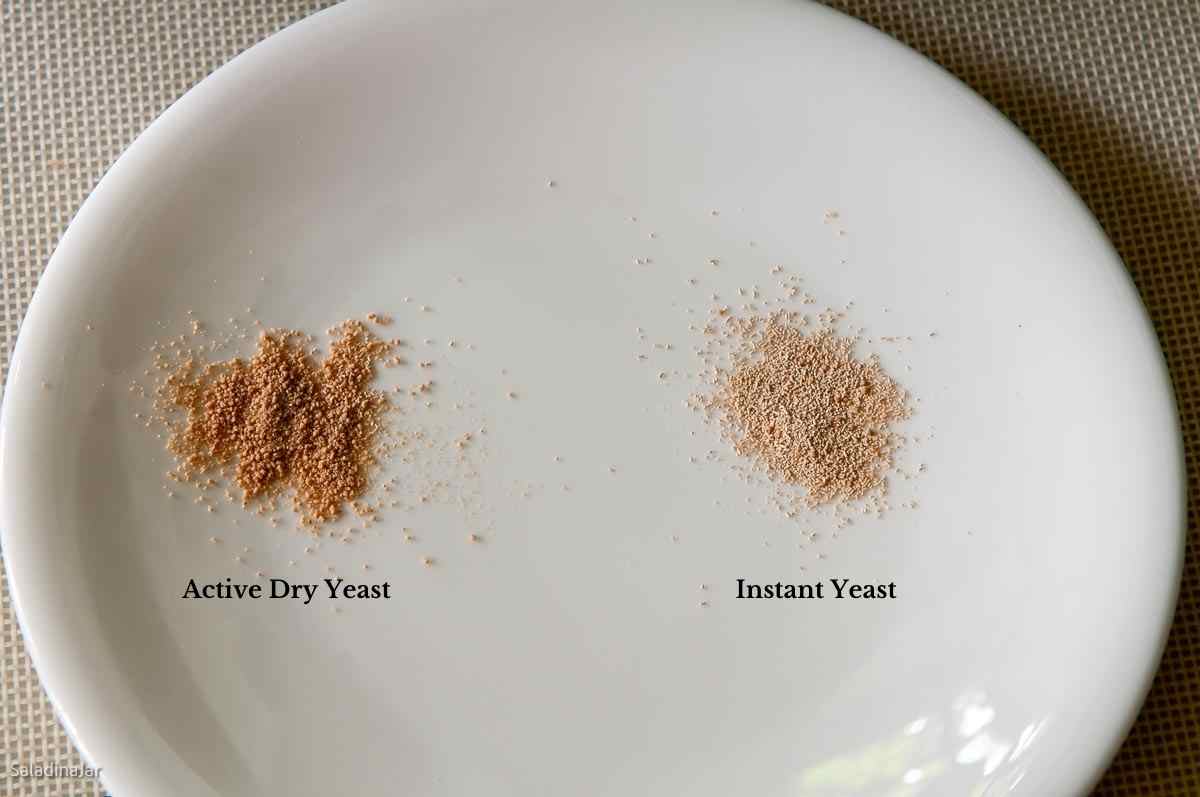
Credit: saladinajar.com
Practical Tips For Choosing And Using Yeast
Choosing the right yeast depends on your recipe, time, and baking style. Here are practical tips:
- For bread machines, always use bread maker yeast. It works best with quick cycles.
- For artisan bread, or slow-rise recipes, use active dry yeast for richer flavor.
- If you’re short on time, instant yeast saves you 30–60 minutes per loaf.
- Proof active dry yeast if you’re unsure it’s fresh. If it doesn’t bubble, it’s dead.
- Store yeast in a cool, dry place. Once opened, keep it in the fridge or freezer.
Non-obvious Insight 1
Many beginners don’t realize that instant yeast can be used for cold fermentation. You can mix dough with instant yeast, put it in the fridge overnight, and get flavor similar to slow rises with active dry yeast.
Non-obvious Insight 2
If your yeast is old, proofing is always a good idea—even for instant yeast. Sometimes instant yeast loses power over time. Mix with warm water to check for bubbles before using.
Common Mistakes When Using Yeast
Mistakes happen, especially for new bakers. Here are some to avoid:
- Using water that’s too hot: Yeast dies above 120°F. Always check with a thermometer.
- Adding salt directly to yeast: Salt can kill yeast. Mix salt with flour, not directly with yeast.
- Not proofing active dry yeast: Skipping this step can lead to flat bread.
- Using too much yeast: More yeast doesn’t always mean better rise; it can make bread taste yeasty.
- Not storing yeast properly: Moisture and heat can ruin yeast.
Bread Maker Yeast And Active Dry Yeast In Different Recipes
Different recipes need different yeast types. Here are some examples:
Bread Machine Recipes
- Always use bread maker yeast
- Add directly to dry ingredients
- Quick cycles (2–3 hours)
Example Recipe: Basic white bread in a machine
- 3 cups bread flour
- 1½ tsp salt
- 2 tbsp sugar
- 2 tbsp oil
- 1¼ cups water
- 2 tsp bread maker yeast
Mix all in machine pan, select “Basic” cycle.
Artisan Bread
- Use active dry yeast for slow rise
- Proof in warm water
- Let dough rise 8–12 hours
Example Recipe: Rustic country loaf
- 3 cups all-purpose flour
- 1¼ cups water
- 2 tsp salt
- 1 tsp active dry yeast
Proof yeast in water with a pinch of sugar. Mix with flour and salt. Let rise overnight, then shape and bake.
Pizza Dough
- Both yeast types work
- Instant yeast for quick dough
- Active dry yeast for chewy crust
Shelf Life And Storage
Yeast can last a long time if stored right. Here’s what you need to know:
| Yeast Type | Unopened Shelf Life | Opened Shelf Life | Storage Tips |
|---|---|---|---|
| Bread Maker Yeast | 2 years | 4–6 months (fridge) | Keep cool, dry; refrigerate after opening |
| Active Dry Yeast | 2 years | 4–6 months (fridge) | Keep cool, dry; refrigerate after opening |
Tip: Label your yeast container with the opening date. If you bake infrequently, buy small packages.
Yeast And Nutrition
Yeast is not just for rising dough. It adds some nutrition to bread. Both types are similar:
- Contains B vitamins
- Adds protein
- No fat or cholesterol
During baking, most yeast cells die, but they still contribute flavor and nutrients.
Yeast Alternatives: Why Not Just Use One Type?
Some bakers ask: “Can I use only bread maker yeast or only active dry yeast for all recipes?” The answer is yes, but results vary.
- Instant yeast is more flexible. It works for most recipes, including slow rises.
- Active dry yeast can be used in bread machines if proofed first, but it’s less reliable.
If you bake often and want simplicity, instant yeast is a good choice. For traditional recipes and deeper flavors, keep active dry yeast on hand.
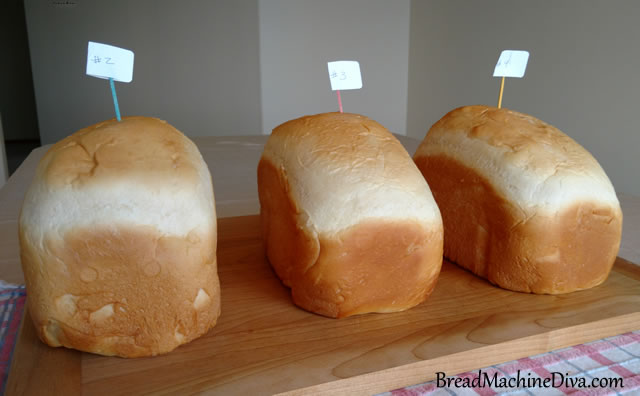
Credit: www.breadmachinediva.com
The Role Of Additives In Yeast
Instant yeast sometimes includes ascorbic acid or enzymes to improve dough strength and shelf life. This is helpful for bread machine recipes, which mix and rise quickly.
Active dry yeast usually has no additives. This makes it a favorite for bakers who want pure ingredients.
Real-world Example: Beginner’s Bread Mistake
A beginner tried to use active dry yeast in a bread machine without proofing. The bread came out dense and did not rise well. The machine’s quick cycle didn’t give the yeast enough time to activate. If the baker had used bread maker yeast, the loaf would have been light and fluffy.
Expert Advice: When To Use Each Yeast
- Use bread maker yeast for fast baking, bread machines, and when you don’t want to proof yeast.
- Use active dry yeast for recipes that rise slowly, artisan breads, and when you want to check yeast quality before baking.
If you want to experiment, try both types in the same recipe and compare the results.
Scientific Data: Yeast Performance
A study published in the Journal of Food Science found that instant yeast produces a faster rise and more uniform crumb, while active dry yeast creates a stronger flavor profile. The difference in granule size and drying methods explains these results.
For more scientific details, see Wikipedia on Baker’s Yeast.
Frequently Asked Questions
What Happens If I Use Bread Maker Yeast In A Recipe That Calls For Active Dry Yeast?
Bread maker yeast works faster, so your dough will rise quicker. You may need to reduce the amount by about 25%. The bread will be lighter but may have a milder flavor.
Can I Use Active Dry Yeast In A Bread Machine?
Yes, but you must proof it first in warm water. If you add it dry, the bread may not rise well, especially in quick cycles.
How Do I Know If My Yeast Is Still Good?
Proof a small amount in warm water with sugar. If bubbles form after 5–10 minutes, the yeast is alive. If not, it’s dead and should be replaced.
Is There A Difference In Taste Between Bread Maker Yeast And Active Dry Yeast?
Active dry yeast often creates richer, more complex flavors, especially with slow rises. Bread maker yeast gives milder, cleaner flavors.
Can I Use Both Types Of Yeast Together?
You can, but it’s not common. Most recipes use one type. Mixing may change the rise time and flavor, so it’s best to stick with the yeast your recipe recommends.
Choosing between bread maker yeast and active dry yeast is not just about convenience. It’s about how you want your bread to taste, feel, and look. By understanding the differences and following best practices, you can bake bread that fits your style—whether you use a machine, make it by hand, or experiment with new recipes. With these tips and insights, you’re ready to bake bread that’s fluffy, flavorful, and exactly how you want it.