Can A Coffee Maker Boil Water?
Many people use their coffee maker every morning. It’s easy, fast, and creates a fresh cup of coffee. But what if you want to use your coffee maker to boil water? Maybe you want hot water for tea, instant noodles, or even to clean something. This question seems simple, but the answer is more complex than most people expect. Understanding how a coffee maker works can help you use it better and avoid mistakes that could damage the machine or affect your health.
How Does A Coffee Maker Heat Water?
To answer if a coffee maker can boil water, you first need to know how it heats water. Most home coffee makers use a metal tube and a heating element. Cold water goes into a reservoir, flows through the tube, and gets heated.
The water is then pushed up and out, through coffee grounds, and finally into the pot.
The heating element’s job is to warm the water quickly. But it’s not designed to boil it. Most coffee makers heat water to around 195–205°F (90–96°C). This is the best temperature for brewing coffee, but it’s a bit lower than water’s boiling point (212°F/100°C).
Typical Coffee Maker Temperatures
Here’s a simple comparison of water temperatures in different devices:
| Device | Water Temperature (°F) | Boiling Capability |
|---|---|---|
| Standard Drip Coffee Maker | 195–205 | No |
| Kettle (Electric/Stovetop) | 212 | Yes |
| Single-Serve Pod Machine | 180–200 | No |
| Espresso Machine | 190–200 | No |
Most coffee makers simply cannot reach boiling point. This is intentional, because boiling water can burn coffee grounds and ruin taste.
Why Coffee Makers Don’t Boil Water
There are several reasons manufacturers design coffee makers this way:
- Coffee Taste: If water is too hot (boiling), it extracts bitter compounds from coffee grounds. Keeping water below boiling creates a smoother flavor.
- Safety: Boiling water produces steam and pressure. This can be dangerous in a sealed appliance. Lower temperatures reduce risk.
- Energy Use: Boiling water takes more energy. Coffee makers are made to be efficient.
- Machine Longevity: High heat can damage parts over time. Lower heat protects the machine.
Brewing Vs Boiling
Coffee brewing and water boiling are two separate processes. Brewing requires hot, but not boiling, water. Boiling is only needed if you want purified water or are cooking.
Credit: 1130thetiger.com
Can Any Coffee Maker Boil Water?
Some specialized machines can boil water, but these are rare. Most home and office coffee makers cannot.
Exceptions: Percolators And Some Commercial Machines
- Percolators: These old-fashioned devices do sometimes bring water close to boiling. They cycle water through coffee grounds multiple times. However, even here, water often does not reach a full rolling boil.
- Commercial Machines: Some professional machines (used in cafes) have separate boilers for steam and hot water. They can produce water above 200°F, but rarely boil it fully.
Here’s a look at various coffee maker types:
| Coffee Maker Type | Boiling Water? | Typical Use |
|---|---|---|
| Drip Coffee Maker | No | Home brewing |
| Percolator | Sometimes | Camping, classic style |
| French Press | No (requires external boiled water) | Manual brewing |
| Espresso Machine | No (steam for milk only) | Espresso, cappuccino |
| Commercial Brewer | Rarely | Café, restaurant |
Using A Coffee Maker To Heat Water: What To Expect
If you use your coffee maker just for water, you’ll get hot water, but not boiling water. This hot water is fine for:
- Making tea (most teas brew at lower temperatures)
- Preparing instant coffee or cocoa
- Cooking oatmeal
- Cleaning small items
However, some tasks require boiling water:
- Cooking pasta or rice
- Sterilizing bottles or utensils
- Purifying water for drinking
For these, a coffee maker won’t work well. You need a kettle or a pot.
Real-life Example
Suppose you want to make instant noodles. Most brands suggest using boiling water. If you use water from a coffee maker, your noodles may cook more slowly or have a chewy texture. This is because the water is not hot enough to soften the noodles fully.
Health And Safety Concerns
Using a coffee maker to boil water for sterilization or purification is risky. Because the water isn’t boiling, harmful bacteria or viruses might survive. The CDC recommends boiling water for at least 1 minute to make it safe to drink. Coffee makers cannot meet this standard.
Cleaning And Maintenance
If you try to boil water in a coffee maker by running cycles repeatedly, you may damage the heating element. This can lead to leaks, burnt smells, or even fire hazards. Coffee makers are not built for repeated high-heat cycles.
Alternatives For Boiling Water
If you need boiled water, you have better options:
- Electric Kettle: Fast, easy, and efficient. Most models boil water in under 5 minutes.
- Stovetop Kettle: Simple, reliable, and works anywhere there’s a stove.
- Microwave: Can boil water quickly, but watch for superheating (water gets hotter than boiling point without bubbling).
- Pot on Stove: Classic method, great for larger amounts.
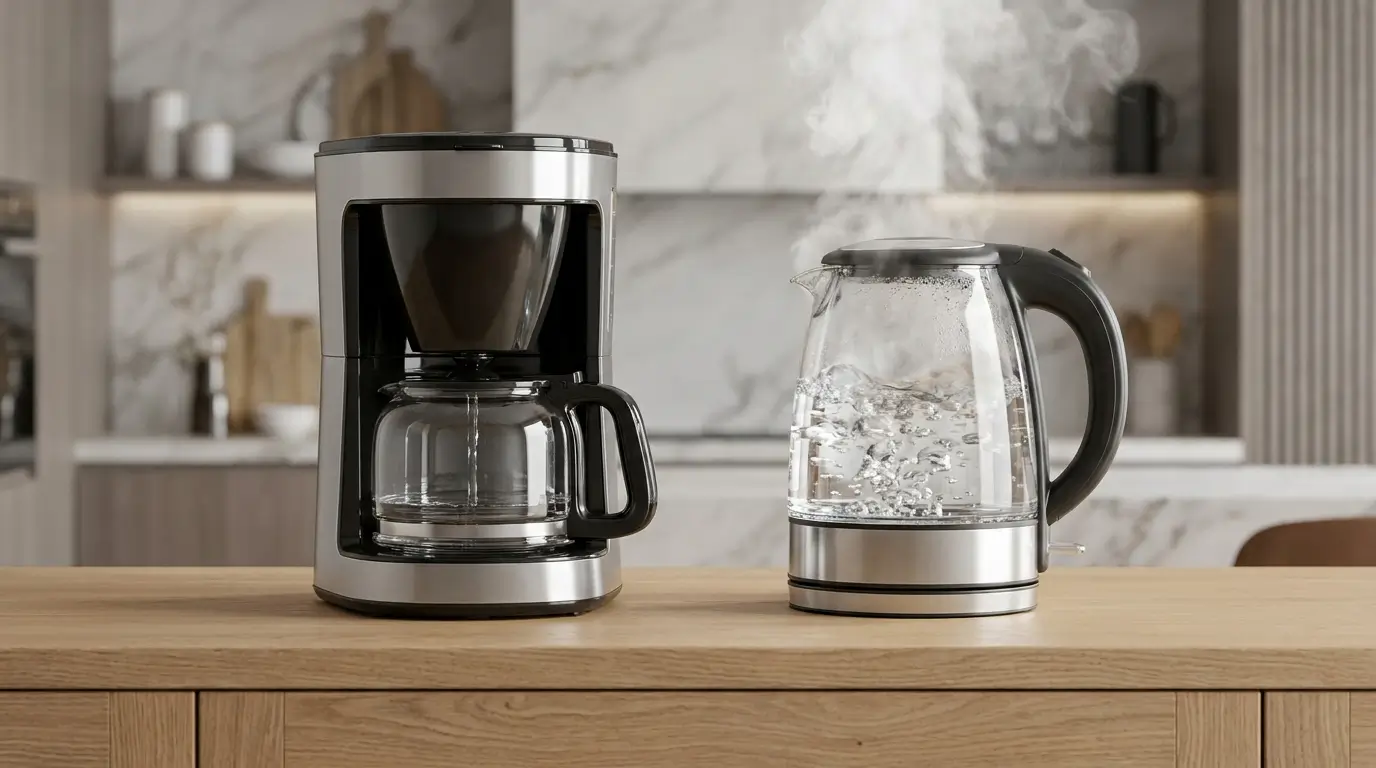
Comparison: Coffee Maker Vs Kettle
Here’s a quick comparison between a coffee maker and an electric kettle:
| Feature | Coffee Maker | Electric Kettle |
|---|---|---|
| Max Temperature | 195–205°F | 212°F |
| Boiling Ability | No | Yes |
| Speed | 5–10 min (brew cycle) | 2–5 min |
| Safety | Lower risk | Can be hot/steamy |
| Versatility | Brews coffee | Boils water for many uses |
Non-obvious Insights Most People Miss
- Altitude Changes Boiling Point: At higher altitudes, water boils at lower temperatures. If you live in a mountain area, your coffee maker’s hot water may be closer to boiling. However, most home coffee makers still can’t reach boiling point.
- Coffee Maker Water Path May Affect Taste: Even if you run water through an empty machine, old coffee residue inside the tubes can give the water a slight taste or smell. For truly clean hot water, use a kettle or pot.
Can You Hack A Coffee Maker To Boil Water?
Some users try to modify their coffee maker to make water hotter. This is risky and not recommended. Changing the thermostat or adding extra heat can cause:
- Electrical hazards
- Machine breakdown
- Warranty loss
Coffee makers are built for one purpose: brewing coffee. If you need boiling water, use the right tool.
Practical Tips For Getting Hotter Water
If you must use your coffee maker for hot water, here are a few tricks to get it as hot as possible:
- Preheat: Fill the reservoir with hot tap water instead of cold. The coffee maker will heat it further.
- Run Two Cycles: Run the machine once with water, then quickly run a second cycle. This may raise the temperature a bit (but still won’t reach boiling).
- Clean Regularly: Mineral buildup can reduce heating efficiency. Clean your machine with vinegar monthly.
These methods may help, but none will make your coffee maker boil water fully.
Common Mistakes To Avoid
- Assuming coffee maker water is boiling: Many people think steaming hot water means boiling. This is not true.
- Using coffee maker water for sterilization: It’s not hot enough to kill germs or bacteria.
- Ignoring taste transfer: Water run through a coffee maker may taste like old coffee.
- Trying to cook with coffee maker water: Foods needing boiling water won’t cook properly.
When Is Coffee Maker Water Hot Enough?
For most drinks and instant foods, coffee maker water is hot enough. It’s perfect for:
- Tea (especially green or white teas, which use lower temperatures)
- Instant coffee
- Hot chocolate
- Instant oatmeal
- Cup noodles (with longer wait time)
For anything needing actual boiling, choose a kettle or pot.
The Science Behind Coffee Maker Heating
Coffee makers have a simple heating system. Water flows through a metal tube, heated by an electrical coil. This coil is controlled by a thermostat, which keeps the temperature below boiling. If the water boiled, it would turn to steam and create pressure, which could crack the coffee maker’s plastic parts.
The brewing temperature is chosen carefully. At 195–205°F, coffee flavors are extracted well. Below this range, coffee is weak. Above this, it’s bitter.
Expert Guidance: What Should You Use?
If you need water for coffee, tea, or instant foods, your coffee maker is fine. For boiling water—sterilizing, cooking, or purifying—use a kettle, pot, or microwave. For best results and safety, use appliances designed for boiling.
If you’re looking for more details on boiling points and appliance safety, check Wikipedia’s boiling point page.
Frequently Asked Questions
Can I Use Coffee Maker Water For Tea?
Yes, most teas brew well at 190–200°F. Green, white, and herbal teas often use lower temperatures. Black teas may benefit from boiling water, but coffee maker water still works.
Can Coffee Maker Water Kill Bacteria?
No. Water must boil for at least 1 minute to kill most bacteria and viruses. Coffee makers do not reach boiling temperature, so their hot water is not safe for sterilizing or purifying.
Is It Safe To Run Water Only Through A Coffee Maker?
Yes, but expect a slight coffee taste or smell unless you clean the machine well. It’s safe for making hot drinks or instant foods, but not for sterilization.
Will Running Multiple Cycles Make Water Boil?
No. Even running several cycles won’t make water reach boiling point. The heating element is limited by the thermostat and design.
Can I Damage My Coffee Maker By Trying To Boil Water?
Yes. Repeated high-heat cycles, trying to force boiling, or modifying the machine can damage the heating element, cause leaks, or create fire hazards. Always use your coffee maker as designed.
Coffee makers are perfect for brewing coffee and heating water for drinks and simple foods. But if you need boiling water, choose a kettle, pot, or microwave. Knowing the limits of your coffee maker helps you use it safely and get the best results.