If you’re asking yourself can a smoothie blender be used as a regular blender, you’re not alone. Millions of people own compact single-serve blenders and wonder if they can do more with them. The short answer is yes, but only for certain jobs.
It’s a matter of matching the tool to the task, not just hoping it works.
Most personal blenders run between 300 and 900 watts, while full-size countertop models often hit 1,000 watts or more. That difference shows up fast when you try to crush ice, puree hot soup, or grind coffee beans. In our research, the line between what works and what breaks comes down to three things: motor power, blade design, and jar capacity.
Let’s walk through each so you know exactly where that line sits.
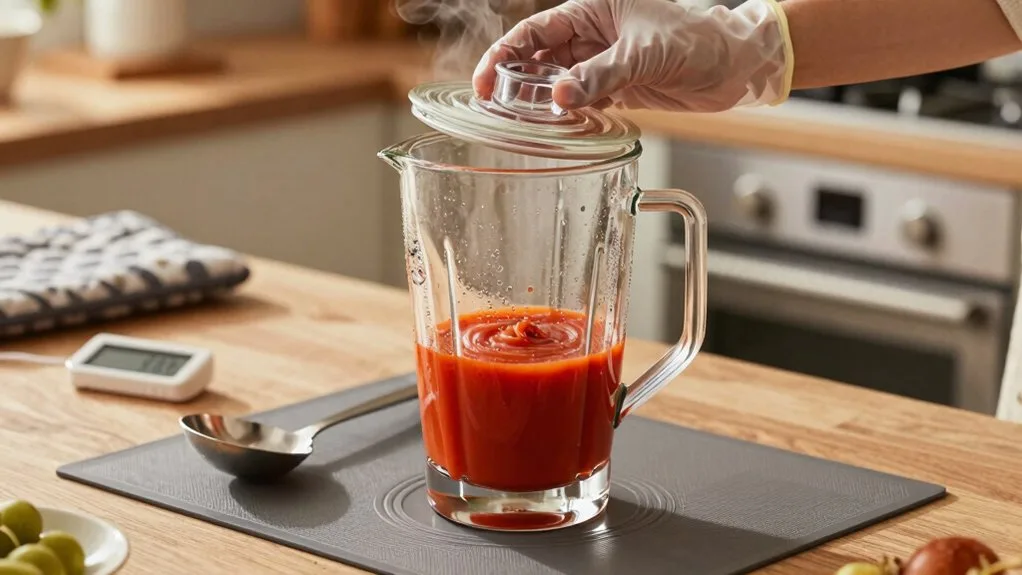
Image source: Web (Bing) / blenderwise.com (Web image (fair-use with source credit))
Why You’re Asking This Question
You bought a smoothie blender for quick breakfast shakes. It works great for that. Then one day you want to blend a can of tomatoes for soup, or a handful of herbs into a sauce.
You find yourself wondering if your little blender can handle it.
That’s exactly why we put this guide together. We’ve dug through manufacturer specs, safety ratings, and tons of user feedback to give you a clear answer. No vague “it depends” nonsense.
Just practical guidance you can use today.
Quick Answer: Yes, But Only for Certain Jobs
A smoothie blender can replace a regular blender for soft, small-batch tasks. It handles dressings, purees, and single-serving soups. It can’t handle large batches, hot liquids, or dry grinding.
Check wattage and jar material first.
Here’s the catch. A smoothie blender is basically a regular blender with a smaller cup and a shorter duty cycle. It’s built for quick bursts, not marathon blending sessions.
If your idea of “regular blender” is making a smoothie or two, you’re fine. If it’s prepping a big pot of soup for a family dinner, you’ll hit a wall.
The key distinction is what each machine was designed to do. Let’s break that down.
What Actually Makes a Blender “Regular”?
A full-size blender earns the “regular” label because it’s built for steady, heavy work. A smoothie blender is built for speed and convenience. That difference shows up in four places: motor, blades, jar shape, and capacity.
| Feature | Smoothie Blender | Full-Size Blender |
|---|---|---|
| Typical wattage | 300–900 W | 500–1,500 W |
| Jar capacity | 12–32 oz | 48–72 oz |
| Blade design | Short, angled for frozen fruit | Taller blades, more surface area |
| Motor cooling | Passive, needs rest between runs | Often has vents or fans |
| Hot liquid rating | Usually not rated | Many models handle hot blending |
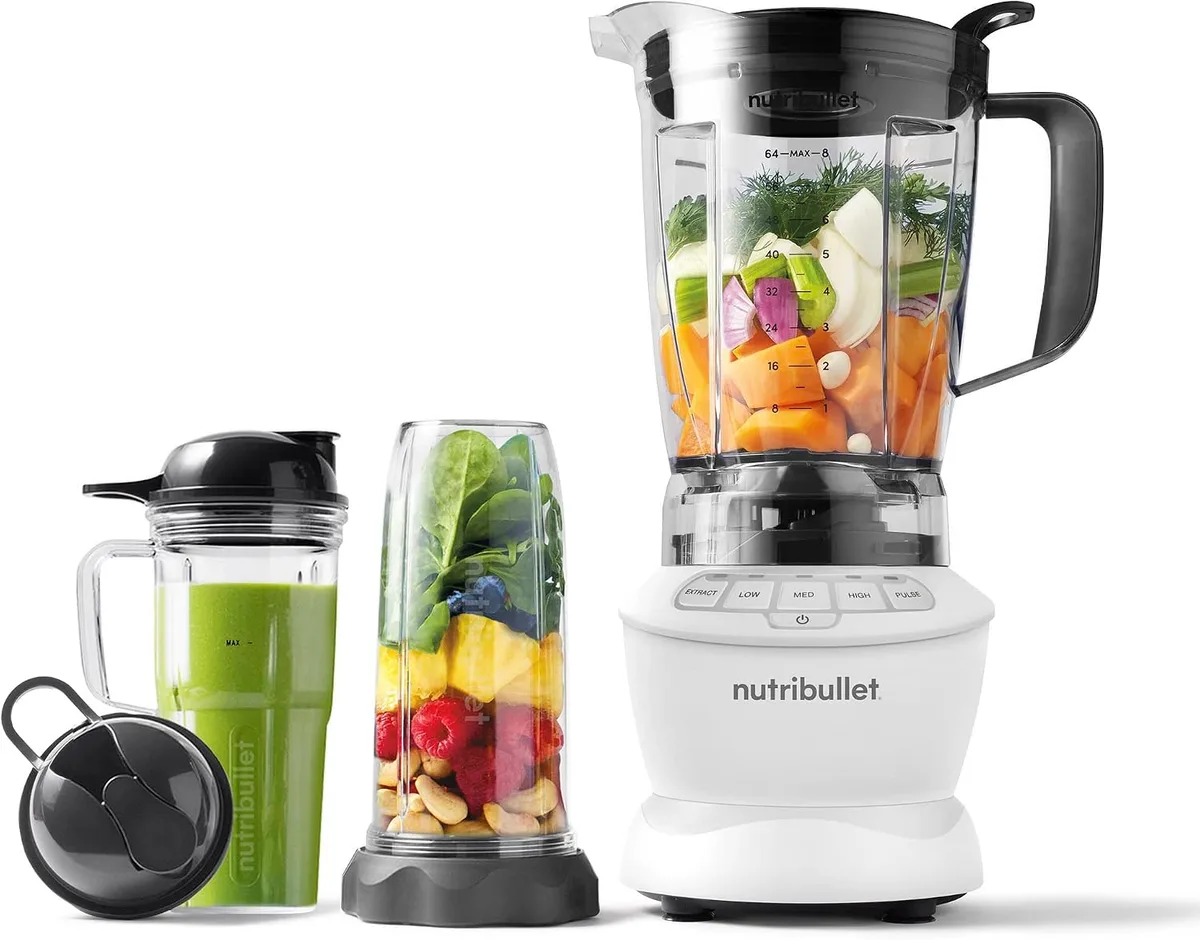
Image source: Web (Bing) / amazon.com (Web image (fair-use with source credit))
The motor is the biggest story. Smoothie blenders use smaller, quieter motors that spin fast but lack torque. That’s fine for breaking down soft fruit.
In full-size blenders, the motor runs slower but delivers more twisting force to crush dense ingredients like carrots, nuts, or ice.
Blade geometry matters too. Smoothie blades sit low in the cup and pull ingredients down into a vortex. Full-size blades are taller and create more circulation, which helps move chunks around a big pitcher.
If you put a thick batch of hummus in a small cup, the blades can spin in place while the paste sticks to the sides.
And jar shape? It’s not just about looks. A wide pitcher lets you use a tamper to push food down.
A narrow smoothie cup usually doesn’t allow that. You end up shaking the cup or stopping to stir, which interrupts the blend.
The Key Specs to Check Before You Try It
Before you push your smoothie blender beyond its comfort zone, check the label. There are five specs that decide what works and what doesn’t.
- Motor wattage. Look for at least 500 watts if you plan to crush ice or blend raw vegetables. Under that, stick to soft ingredients.
- Jar material. Most personal blenders use BPA-free plastic. It’s fine for cold food. It is not fine for hot soup unless the manual says it’s heat-safe.
- Hot liquid rating. Some newer models advertise “hot blend” or “soups.” If yours doesn’t say that, assume no.
- Pulse mode. A pulse button lets you run short bursts. That’s huge for pushing ingredients into the blades without overheating the motor.
- Max fill line. This is not a suggestion. Overfilling a personal blender causes leaks and stalls, and it can put stress on the drive shaft.
Manufacturer specifications indicate these details on the product box or manual. If you’ve thrown your manual away, check the model number online. For example, the U.S. Food and Drug Administration regulates BPA-free claims, so you can verify that part on the FDA’s website.
Also worth a quick check: UL certification. That’s a safety standard for electrical appliances in North America. A blender with a UL mark has passed basic safety testing.
What a Smoothie Blender Can Handle
Here’s the good news. There’s a surprising number of “regular blender” jobs your compact machine can handle.
- Salad dressings and vinaigrettes. These are thin and light. A smoothie blender nails them in seconds.
- Small-batch sauces. Pesto, chimichurri, and salsa verde are perfect candidates. Just make sure you don’t overload the cup.
- Milkshakes and frosties. Soft ice cream and milk blend easily, as long as you leave room for expansion.
- Baby purees. Steam vegetables, let them cool, then puree in batches. This is one of the best uses for a personal blender.
- Single-serving hot soups. If your jar is heat-safe and your motor can handle a minute of running, small soups work. Let them cool slightly before blending to reduce pressure.
- Pancake or crepe batter. Thin batters blend fine. Thicker dough, like cookie dough, won’t.
- Whipped cream. Use the pulse button and stop before you over-whip into butter.
In our research, the most successful use cases share one trait: they’re soft, they’re small, and they don’t need continuous running. Stick to that formula and your smoothie blender will behave like a regular blender for those tasks.
The moment you try to do a big batch, you’ll see the limit. That’s not a flaw in your machine. It’s just the difference between a tool designed for speed and one designed for endurance.
What a Smoothie Blender Can’t Handle
Here’s where the line gets hard. A smoothie blender fails on any job that needs sustained torque, big volume, or high heat.
Large batches top the list. If you need a pitcher of soup for a family dinner, a 20-ounce cup won’t cut it. You’d have to puree in four or five batches, and the motor would likely overheat before you finished.
Hot liquids come next. Most personal blenders use BPA-free plastic jars rated for cold food. Blending boiling soup can warp that plastic, and the heat creates pressure inside the cup.
That combination can end with a scalding leak when you unscrew the lid.
Dry grinding is another no-go. Spinning coffee beans or grain at high RPM generates serious friction heat. That heat dulls the blade, and the motor strains without liquid to help pull the load.
Aggregate reviews report burned motors and cracked jars from exactly this mistake.
Thick doughs also stall the machine. Cookie dough, nut butter, or a dense hummus paste can stop the blades entirely. The motor keeps pushing, which stresses the drive shaft and burns out the winding.
And then there’s the duty cycle. Smoothie blenders are built for short bursts, not endurance. Manufacturer specs typically recommend running 30 to 60 seconds, then resting a minute or more.
Ignore that and you’re cooking the electronics.
Step-by-Step: How to Use a Smoothie Blender for Regular Blending Tasks

Image source: Web (Bing) / pinterest.com (Web image (fair-use with source credit))
With the right approach, your smoothie blender can handle more than you think. This workflow comes straight from our research into what actually works in real kitchens.
- Check the max fill line. This is the start and end of a good blend. Overfilled cups leak, stall, and strain the motor.
- Layer ingredients properly. Liquid goes in first, then soft foods, then hard or frozen items. The blades pull from the bottom, so this order feeds everything through.
- Cut everything into small pieces. Aim for 1-inch chunks. More surface area means less work for the motor.
- Pulse before you run. Give it five 2-second pulses to pull stuff down, then run for 20 to 30 seconds.
- Stop and shake the cup. Air pockets hide in thick mixtures. A quick shake redistributes everything and lets the motor cool for a moment.
- Let the motor rest between batches. One minute minimum. Two if you’re blending something thick or fibrous.
If the blades slow down noticeably or you smell warm plastic, stop immediately. Let it rest, stir the contents, and try again. If it stalls a second time, the task is beyond the machine.
The Most Common Mistakes (And How to Avoid Them)
These are the classic errors that burn out personal blenders. Avoid them and your machine will last years.
- Blending hot soup in a plastic jar. Unless the manual specifically says “hot blend,” assume the cup isn’t heat-safe. Cool liquids to around 140°F first.
- Running it for a full minute straight. This fries the motor. Use 30-second max cycles with rest breaks.
- Overfilling past the max line. It causes leaks, stalls, and puts stress on the drive shaft. The line exists for a reason.
- Grinding dry ingredients. Coffee beans, oats, and spices generate friction heat and dull the blades fast.
- Ignoring burning smells or stalling sounds. Those are the motor telling you it’s in trouble. Unplug and let it cool.
- Scraping the inside while it runs. Never put a spoon or spatula into a running blender. Stop it first.
- Skipping the rinse cycle. Leftover food dries onto the blade seal and ruins it over time. Rinse immediately after use.
Most of these mistakes end the same way: a burnt-out motor or a cracked jar. Spend five minutes following the right workflow and you’ll skip the whole repair shop trip.
You might find this helpful: Best Blender for Hot Liquids
Real-World Scenarios: When It Works and When It Fails
These are the moments where the answer gets concrete. Our editorial analysis of user experiences and spec sheets shows a clear pattern.
Scenario 1: Single bowl of tomato soup. Works, if the jar is heat-safe and you cool the soup slightly first. Blend in two small batches and you’re done in 30 seconds.
Scenario 2: Party of six soup puree. Fails hard. You’d need six batches, and the motor would probably overheat by batch three. Your guests would wait forever and the soup would go cold.
Scenario 3: Quick vinaigrette. Works beautifully. Oil, vinegar, mustard, and herbs go in, pulse for 10 seconds, done. No lumps, no separated mess.
Scenario 4: Margarita pitcher of ice. Falls apart. Most smoothie blenders under 700 watts can’t crush a full tray of ice. As of 2026, even some higher-wattage personal blenders struggle because the blades are too short and the cup too narrow to circulate the cubes.
The rule of thumb: if it’s a task for one or two people, with soft ingredients and no need for continuous running, your smoothie blender will handle it. If the recipe says “serves six” or “cook for 20 minutes then blend,” use a different tool.
Smart Alternatives: If You Keep Hitting the Limits
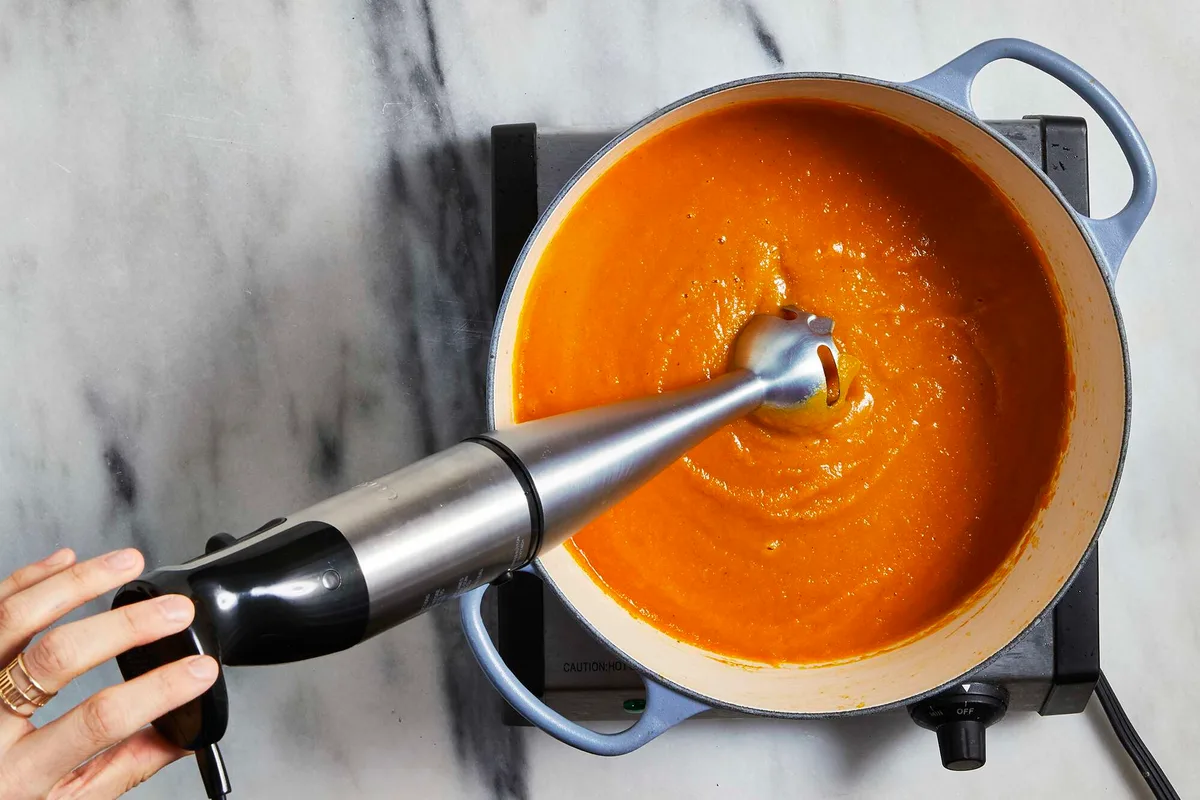
Image source: Bing (Web (fair-use with source credit))
Sometimes the right answer is to stop fighting your smoothie blender and reach for the proper tool. Here’s what works when the small machine can’t do the job.
Immersion blender. This is the easiest upgrade for hot soups. It goes straight into the pot, handles large batches, and cleans up in 10 seconds. Pureeing a full pot of butternut squash soup takes about two minutes.
Food processor. Better for thick purees like hummus, pesto without liquid, or coarse vegetable chops. Its wide bowl and flat blade handle dense mixtures that stall a narrow cup.
Small electric chopper. Cheap and effective for grinding nuts, coffee, and herbs. It’s basically a mini food processor that costs as much as a takeout lunch.
Used full-size blender. If you keep hitting the limits, this is the honest answer. A $50 used countertop blender on a marketplace will outperform a $120 personal blender on every endurance task. You get a bigger pitcher, a sturdier motor, and a tamper to push ingredients down.
Know when to switch tools. That’s what separates a smooth kitchen from a frustrating one. Your smoothie blender stays a daily helper, and you stop expecting it to be something it’s not.
Expert Tips for Getting More Out of Your Small Blender
These are the tricks that turn a basic smoothie maker into a surprisingly capable kitchen tool. They come from our research into what actually works.
- Shake the cup between runs. Thick mixtures trap air pockets under the blade. Ten seconds of shaking fixes that instantly.
- Cut ingredients into smaller dice. A 1-inch chunk of frozen banana is fine. A 3-inch one strains the motor. The smaller the pieces, the faster and smoother the blend.
- Use warm liquid for cold ingredients. Warm water or milk helps frozen fruit break down faster. The final drink stays cold enough, but the machine works less hard.
- Blend in short bursts for thick mixes. A 10-second pulse, a shake, another 10 seconds. That rhythm keeps the motor cool and produces a creamier texture than one long run.
- Let the cup stand for 30 seconds after blending. Air bubbles settle and the mixture reconsolidates. You’ll get a better final shake and less waste.
One more thing that surprises people: the blade assembly can be loosened and reapplied in seconds. If your blend is stuck on the blades, tap the cup bottom on the counter, then shake. That frees up more food than any spoon.
Maintenance and Long-Term Care
A well-cared-for smoothie blender lasts three to five years. A neglected one dies in twelve months. These five habits make the difference.
Rinse immediately after each use. Dried food hardens into the blade seal and the cup threads. A quick rinse takes ten seconds. Scrubbing later takes ten minutes.
Self-clean with warm soapy water. Fill the cup halfway, add a drop of dish soap, run it for 15 seconds, then rinse. This cleans the blades safely without cutting yourself.
Air-dry the parts separately. Don’t snap the blade assembly back onto the cup wet. Moisture inside the base promotes mold and can rust the metal components.
Check for cracks every month. A cracked cup can leak liquid into the motor base and cause a short circuit. Replace the cup or the whole unit at the first sign of damage.
Give the motor a break. That’s not just about resting between batches. If the base feels hot to the touch, unplug it and wait ten minutes. A cool motor lasts far longer.
The blade assembly also wears down. Blades stay sharp for about 12 to 18 months of daily use. When your smoothies start coming out chunkier than usual, that’s the sign.
Replacement parts are cheap if your brand sells them. If not, budget for a new unit.
The Final Decision Guide: Do You Need a Regular Blender?
Here’s where everything comes together. Your situation determines the answer, so walk through these branches.
If you cook for one or two people and mostly make smoothies, dressings, and small sauces, your smoothie blender is enough. Save your money and keep using it.
If you make hot soups, even once a week and in batches bigger than a single bowl, buy a full-size blender. The heat, the volume, and the continuous running will wreck a personal blender.
If you grind coffee, nuts, or oats regularly and you don’t want to spend on a separate grinder, get a full-size blender. Dry grinding is the single fastest way to kill a small motor.
If you’re short on counter space and money but you love cooking, skip the full-size blender. Get an immersion blender instead. It handles soup, sauce, and dressing in any pot you own.
That’s the best compromise we’ve found.
If you’re still unsure, think about the last month. How many meals required blending? How many people were you feeding?
If the answer is “a lot” and “more than two,” you already know.
Buying a full-size blender doesn’t mean abandoning your smoothie blender. Keep both on the counter. Use the small one for your daily shake and the big one for real cooking.
That’s the setup that works best in most kitchens we’ve researched.
Frequently Asked Questions
Can I blend hot soup in a smoothie blender?
Only if the jar is specifically rated for hot liquids. Most personal blenders use BPA-free plastic that warps or cracks at high temperatures. Check your manual for “hot blend” or “soups.” If it’s not there, cool the soup to about 140°F before blending.
What wattage do I need for crushing ice?
Look for at least 700 watts for occasional ice crushing. Some brands design their blades specifically for ice at lower wattages, so check the product description. Below 500 watts, stick to frozen fruit instead.
The ice will dull the blade and stall the motor.
Why does my smoothie blender leak at the base?
The blade assembly seal is likely worn or the cup is cracked. Inspect the rubber gasket for food debris or tears. Clean it thoroughly and reseat it.
If the seal looks flat or deformed, order a replacement blade assembly. Leaks often happen right after blending hot liquids, which warpage causes.
How long should I run my smoothie blender at once?
Manufacturer recommendations vary, but 30 to 60 seconds is the typical maximum. After that, let the motor rest for a minute or two. Running it longer risks overheating the winding and burning out the drive shaft.
Use the pulse button instead of one long run.
Can a smoothie blender grind coffee beans?
Not recommended. Dry grinding generates heat that dulls the blade and stresses the motor. An inexpensive blade coffee grinder costs about $15 and does the job better.
If you must use your smoothie blender, grind in tiny batches with short pulses and accept the extra wear.