Can A Solar Generator Run A Refrigerator?
Many people want to use solar generators for their homes or travels. One big question comes up: Can a solar generator run a refrigerator? Refrigerators use a lot of power, and they are important for keeping food safe. If you plan to use solar energy, understanding this topic is critical. In this article, you’ll find clear answers, real numbers, and practical advice. You’ll learn how solar generators work with refrigerators, what to check before buying, and common mistakes to avoid. By the end, you’ll know if solar is right for your fridge—and how to make it work.
How Much Power Does A Refrigerator Need?
Before connecting any solar generator, you must know how much power your refrigerator uses. Not all refrigerators are the same. The power needs depend on size, age, and efficiency.
Typical Power Consumption
Most home refrigerators use between 100 and 800 watts. Smaller models, like mini fridges, often need 50 to 150 watts. Large, older fridges can need over 700 watts. But there’s a catch: refrigerators don’t run at full power all the time.
- Startup (Surge) Power: When the compressor starts, it needs extra energy—sometimes 2-3 times the normal running power.
- Running Power: Once started, the fridge uses less power, often 100-200 watts for standard models.
Real-life Example
A common 18 cubic feet fridge usually needs:
- Surge Power: 1200 watts (for a few seconds)
- Running Power: 150 watts (most of the day)
Mini fridge: 1.7 cubic feet
- Surge Power: 300 watts
- Running Power: 60 watts
How To Check Your Fridge’s Power
- Look for the energy label on the back or inside door.
- Use a plug-in watt meter for accurate measurement.
- Search your model number online for specs.
Not knowing the surge power is a common mistake. Many people buy a solar generator based only on running power and find it won’t start their fridge.
What Is A Solar Generator?
A solar generator is a portable power system. It combines a battery, inverter, and solar panels (sometimes optional). The panels charge the battery. The inverter turns battery power into electricity for your appliances.
Main Parts
- Battery: Stores energy. Capacity measured in watt-hours (Wh).
- Inverter: Converts DC to AC power.
- Solar Panels: Collect sunlight and charge battery.
Solar generators come in many sizes. Some are small for phones; others are big enough for home backup.
Can A Solar Generator Run A Refrigerator?
The answer is yes—if the generator is big enough. But it’s not as simple as plugging in. You need to check three things:
- Surge Power: The generator’s inverter must handle the fridge’s startup surge.
- Running Power: The generator must supply enough watts for normal operation.
- Battery Capacity: The battery must store enough energy to run the fridge for the needed hours.
Let’s compare the requirements for different fridge sizes and solar generators.
| Fridge Type | Running Watts | Surge Watts | Minimum Battery Size (Wh) for 24h |
|---|---|---|---|
| Mini Fridge | 60 | 300 | 1,440 |
| Standard Fridge | 150 | 1200 | 3,600 |
| Large Fridge | 350 | 1800 | 8,400 |
If your solar generator can match or exceed these numbers, it should run your fridge. But in real life, fridges cycle on and off, and solar charging may not be constant.
Choosing The Right Solar Generator
Selecting a solar generator is more than just looking at watt numbers. Here are the key factors:
1. Battery Capacity
This is the most important. It’s measured in watt-hours (Wh). For a fridge:
- Mini fridge: At least 1,500 Wh
- Standard fridge: At least 3,600 Wh
- Large fridge: At least 8,000 Wh
If you want to run the fridge for less than 24 hours, divide the battery size needed.
2. Inverter Size
The inverter must handle surge power. If your fridge needs 1200 watts at startup, the inverter must support at least that amount—even if running watts are lower.
3. Solar Panel Output
Panels recharge the battery. If you want to run your fridge daily, you need enough solar power to refill the battery each day.
4. Portability
If you plan to move the generator, weight and size matter. Large models can be heavy.
5. Reliability
Look for trusted brands and user reviews. Some cheaper models overstate their specs.
Example Comparison
Here’s a comparison of two popular solar generators for running a standard fridge:
| Model | Battery (Wh) | Inverter (W) | Solar Panel (W) | Can Run Standard Fridge? |
|---|---|---|---|---|
| Jackery Explorer 2000 | 2,160 | 2,200 | Up to 400 | Yes (for about 14 hours) |
| Goal Zero Yeti 3000X | 3,032 | 2,000 | Up to 600 | Yes (for about 20 hours) |
Both can run a standard fridge, but only for a limited time before the battery needs recharging.

Credit: www.jackery.com
Real-world Performance And Limitations
Solar generators are reliable, but there are limits. Weather, solar panel size, and battery capacity all affect performance.
Weather And Sunlight
Solar panels need sunlight. Cloudy days reduce charging speed. If you live in a rainy area, you may need a bigger battery.
Efficiency Loss
Some energy is lost during conversion. If your generator’s battery is 1,000 Wh, you may only get about 850 Wh usable power.
Continuous Vs. Intermittent Use
Fridges cycle on/off. In hot weather, they run more often. If you open the fridge a lot, power use goes up.
Backup Use
Many people use solar generators as backup power. If the grid fails, solar can keep food cold for a few hours or a day.
Common Mistakes When Using Solar Generators For Refrigerators
Many beginners make mistakes that waste money or lead to disappointment. Here are some to avoid:
- Ignoring Surge Power: Buying a generator based only on running watts, not surge.
- Underestimating Battery Needs: Choosing too small a battery for how long you want to run the fridge.
- Too Few Solar Panels: Not enough solar power to recharge the battery daily.
- Poor Placement: Solar panels in shade or dirty panels reduce charging.
- Wrong Connections: Using the wrong cable or plug type can damage equipment.
- Not Checking Energy Use: Some fridges use more power than expected—always check your own appliance.
An extra tip: Many people forget to account for other devices plugged in at the same time. If you run lights or other appliances with the fridge, add their power needs too.

Credit: www.ankersolix.com
Practical Tips For Success
If you want your solar generator to run your fridge smoothly, follow these advice:
- Measure your fridge’s real power use with a watt meter.
- Choose a generator with at least 20% more battery than your calculated needs.
- Keep solar panels clean and facing the sun for maximum charging.
- Use energy-efficient refrigerators if possible. Newer models save power.
- Limit fridge opening to reduce cycling and save energy.
- Have backup power options like extra battery packs or grid connection if possible.
Can You Run More Than One Appliance?
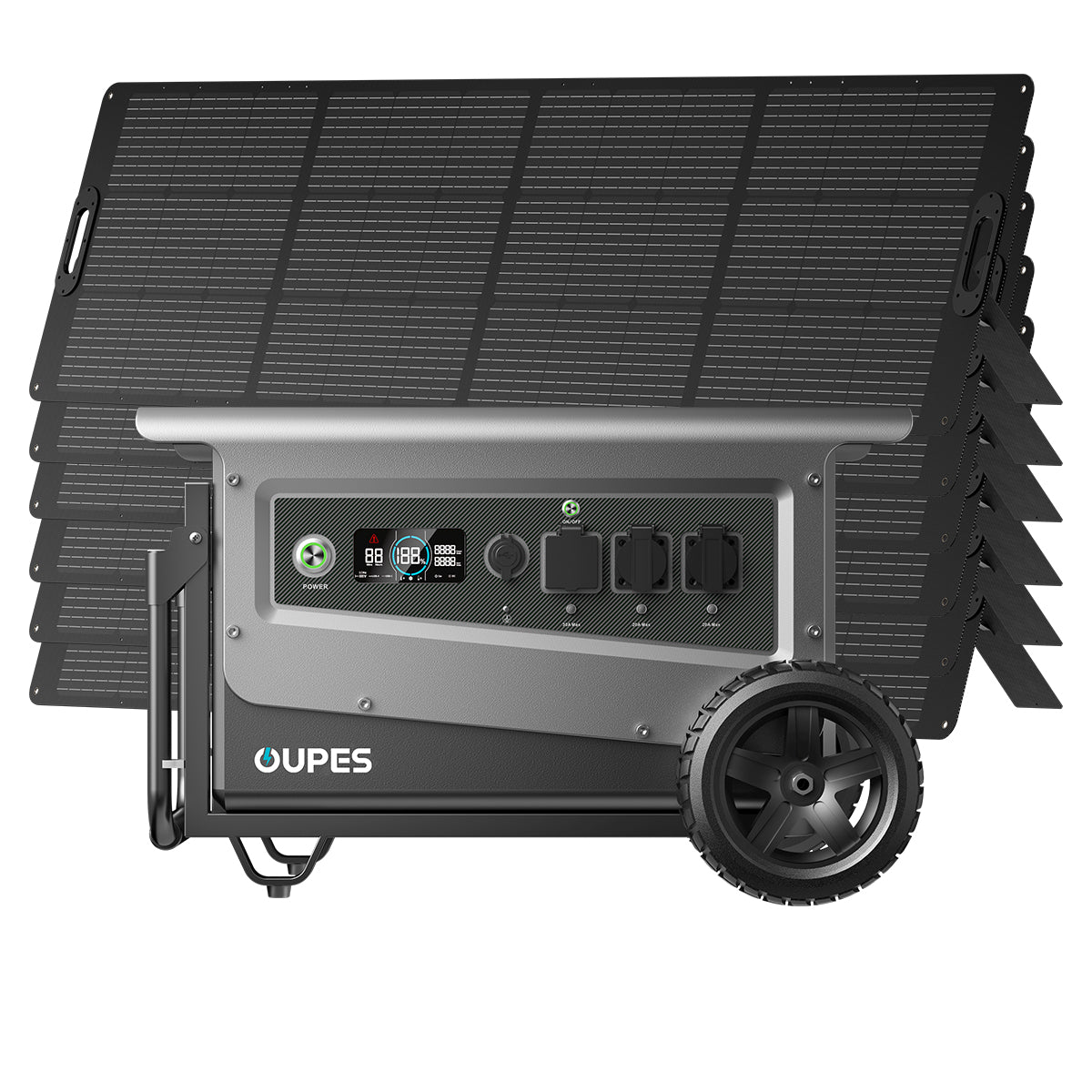
Yes, but be careful. Every extra appliance uses more power. If you run a fridge and a microwave, both surge at startup. The generator must handle the combined surge and running watts. Always check your generator’s limits.
Credit: oupes.com
Environmental Impact And Cost
Solar generators use clean energy. They reduce reliance on fossil fuels and lower your carbon footprint. Over time, they can save money compared to using gas generators or paying high electricity bills. The upfront cost is higher, but many people find it pays off after a few years.
Solar Generator Vs. Gas Generator For Refrigerators
Solar generators are quieter and cleaner than gas. But gas generators can run longer in bad weather. Solar is better for indoor use and for those who want to avoid fumes.
| Feature | Solar Generator | Gas Generator |
|---|---|---|
| Noise | Silent | Loud |
| Emissions | None | CO2, Fumes |
| Run Time | Limited by battery | Unlimited (with fuel) |
| Maintenance | Low | High |
| Indoor Use | Safe | Unsafe |
Frequently Asked Questions
How Long Can A Solar Generator Run A Refrigerator?
It depends on the generator’s battery size and your fridge’s power use. For example, a 2,000 Wh generator can run a standard fridge (150 watts) for about 13 hours before needing a recharge. If you add solar panels, you can recharge and extend run time.
Do Solar Generators Work With All Refrigerators?
Not always. Some old or large fridges need more surge power than most portable solar generators provide. Always check your fridge’s surge watt requirement and compare it to the generator’s inverter rating.
Can I Use Solar Generators During Cloudy Or Rainy Days?
Yes, but charging will be slower. You may need a bigger battery or more panels to compensate. For long cloudy periods, consider a backup like grid power or extra batteries.
Is It Safe To Use Solar Generators Indoors?
Yes. Solar generators produce no fumes and are safe for indoor use. Unlike gas generators, you don’t need ventilation or worry about carbon monoxide.
What Is The Best Solar Generator For Running A Refrigerator?
There is no single “best” option. Look for models with high battery capacity, strong inverter (surge watts), and fast solar charging. Brands like Jackery and Goal Zero are popular. For more technical details, see Energy.gov.
Solar generators offer a clean, quiet way to keep your fridge running. If you choose the right size and follow practical advice, you can enjoy reliable refrigeration—even off the grid. Remember to check your fridge’s real power needs, plan for surge power, and keep your panels in top shape.
With careful planning, solar energy can be a smart solution for your refrigerator and beyond.