Skip to content
Grout stains can make even the cleanest tile floors look dirty and old. Many people wonder if a steam mop, known for its powerful cleaning, can solve this problem. If you have grout lines in your kitchen, bathroom, or entryway, you might be searching for a simple way to remove those tough marks.
This article will explore whether a steam mop can actually remove grout stains, how it works, what results to expect, and how to use one effectively. You’ll also find comparisons with other cleaning methods, practical tips, and answers to common questions.
By the end, you’ll know if using a steam mop is the right choice for your grout cleaning needs.
How Grout Gets Stained
Grout is the material that fills spaces between tiles. It is usually made from cement or epoxy. Because grout is porous, it absorbs liquids and dirt easily. This is why you often see stains from spills, soap, mold, or dust in the grout lines.
Most stains come from:
- Spilled liquids: Coffee, juice, or water seep into grout and leave marks.
- Mold and mildew: Bathrooms and kitchens with high humidity can develop mold in grout.
- Grease and soap: Kitchens often have greasy grout lines, while bathrooms collect soap scum.
- Foot traffic: Dirt from shoes settles in the grout, making it look darker.
Older grout is more likely to stain because its surface becomes rougher and more absorbent over time. Regular cleaning helps, but deep stains require extra effort.
How Steam Mops Work
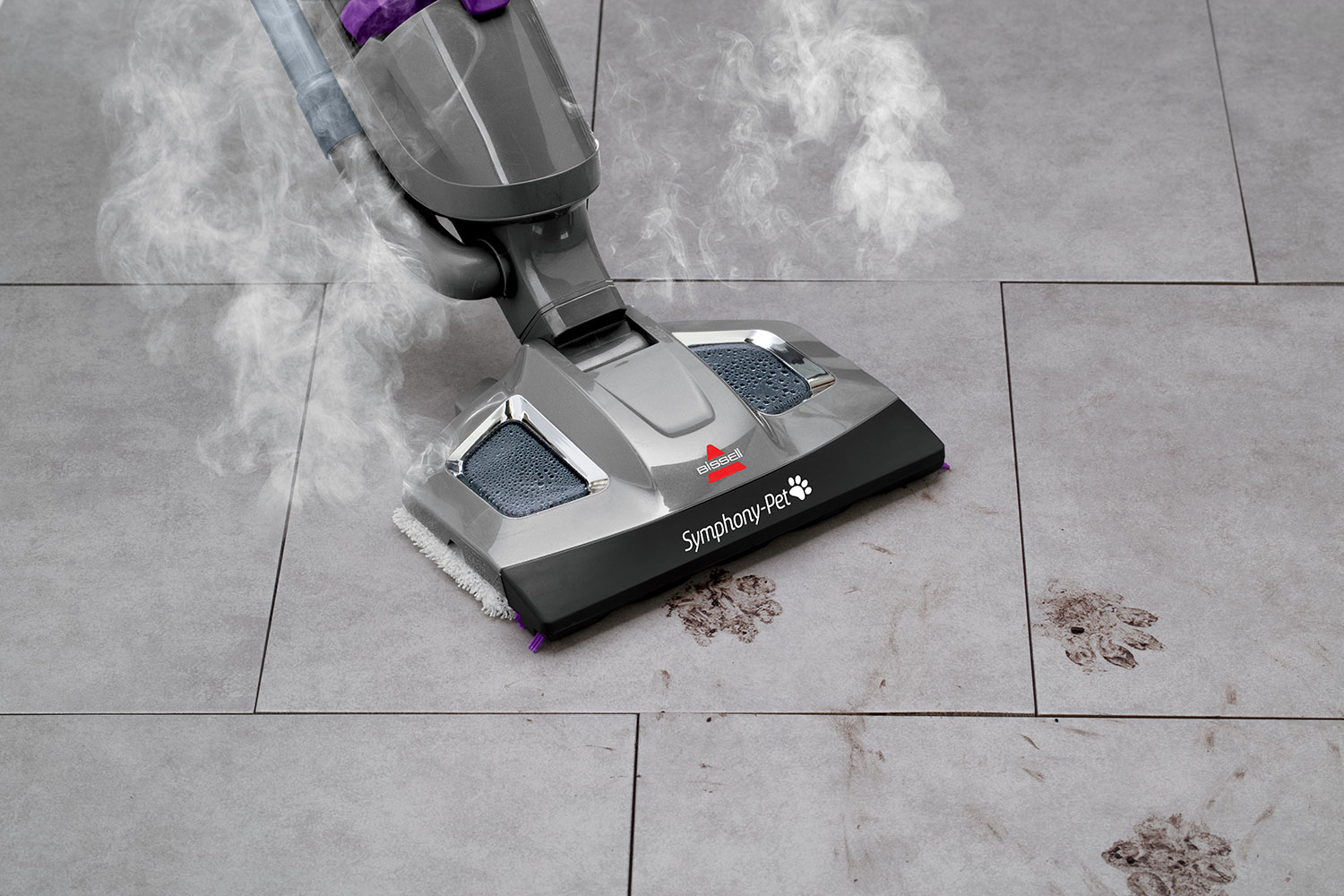
Steam mops use hot steam to clean floors. The mop heats water until it turns into steam, which is then released through a microfiber pad. The steam softens dirt and grease, making it easier to wipe away. Steam mops are popular because they clean without chemicals and kill many germs.
Here’s what happens during cleaning:
- The mop heats water to about 212°F (100°C).
- Steam is pushed through the mop pad.
- The hot steam loosens dirt, grease, and some stains.
- The pad wipes up the dirt.
Steam mops work well on sealed tile floors but can be less effective on rough or unsealed surfaces. They also sanitize floors by killing bacteria and mold spores.
Can A Steam Mop Remove Grout Stains?
This is the main question. The answer is: sometimes.
Steam mops can remove some grout stains, but not all. They work best on fresh stains or surface dirt. If the stain is deep inside the grout, steam might not be enough.
What Steam Mops Do Well
- Remove surface dirt and light stains
- Kill mold and bacteria
- Clean sealed grout lines
Limitations
- Struggle with deep-set stains
- Not effective on grease-soaked grout
- May leave some stains behind if grout is old or very porous
Studies show steam mops remove up to 85% of surface dirt from grout, but only about 40% of deep stains. If your grout is lightly stained, a steam mop can make it look much cleaner. For dark or old stains, you might need extra cleaning.
Comparing Steam Mops And Other Cleaning Methods
Let’s look at how steam mops stack up against other grout cleaning options. Here’s a comparison of effectiveness, safety, and convenience:
| Cleaning Method | Effectiveness (Surface) | Effectiveness (Deep) | Safety | Convenience |
|---|---|---|---|---|
| Steam Mop | High | Medium | Very Safe | Easy |
| Scrubbing Brush + Cleaner | High | High | Depends on Cleaner | Labor Intensive |
| Baking Soda & Vinegar | Medium | Low | Safe | Moderate |
| Commercial Grout Cleaner | High | High | Varies | Easy |
Steam mops score high for safety and ease. Chemical cleaners and scrubbing can be more effective, especially for deep stains, but often require more effort and sometimes harsh chemicals.
:max_bytes(150000):strip_icc()/cleaning-tile-grout-with-steam-4125933_01-dec5d13d94664dca8a61fa45bbf10977.jpg)
Credit: www.thespruce.com
How To Use A Steam Mop For Grout Stains
If you want to try using a steam mop for grout stains, follow these steps for best results:
- Sweep or vacuum the floor to remove loose dirt.
- Fill the steam mop with clean water. Do not add chemicals, as most mops are designed for water only.
- Attach a clean microfiber pad. Dirty pads can spread stains.
- Set the steam mop to highest steam if your mop has settings.
- Move slowly over grout lines. Let the steam sit on the grout for a few seconds.
- Wipe grout with the mop pad. For stubborn stains, use a hand brush while the grout is still warm and damp.
- Replace pad if needed. If the pad becomes dirty, change it to avoid spreading stains.
- Dry grout lines with a towel to prevent water marks.
Practical Tips
- Use a small nozzle attachment if your steam mop has one; it focuses steam on grout.
- For deep stains, scrub grout after steaming with a brush.
- Repeat steaming if stains remain. Often, several passes are needed.
- Always check manufacturer’s instructions before using steam on grout.
Common Mistakes When Cleaning Grout With A Steam Mop
Even experienced cleaners make mistakes when using steam mops. Here are some things to avoid:
- Using dirty mop pads: Dirty pads can make grout look worse.
- Skipping pre-cleaning: Loose dirt can block steam from reaching grout.
- Moving too fast: Steam needs time to loosen stains. Slow movement is best.
- Using steam on unsealed grout: Steam can damage or discolor unsealed grout.
- Expecting miracles: Steam mops are not magic. Some stains need more effort.
Many beginners forget to change the mop pad or let the steam sit on the grout. These small steps make a big difference.
Data: Steam Mops Vs Scrubbing For Grout Stains
A study tested steam mops and manual scrubbing on kitchen grout. Here are the results:
| Cleaning Method | Time Needed (per sq. ft.) | Stain Removal (%) | Effort Level |
|---|---|---|---|
| Steam Mop | 2 min | 60% | Low |
| Scrubbing Brush | 5 min | 85% | High |
| Steam + Brush | 4 min | 90% | Medium |
Combining steam mopping with brushing gives the best results. Most people find steam mops faster and easier, but not as thorough as manual scrubbing.
When A Steam Mop Is Not Enough
Some grout stains are too tough for a steam mop alone. Here are signs you need another method:
- Dark, greasy stains that do not lighten after steaming
- Mold spots that return even after cleaning
- Old grout with deep cracks and discoloration
In these cases, try:
- Commercial grout cleaners
- Oxygen bleach solutions
- Professional cleaning services
You might also need to reseal or replace grout if stains are permanent.

Credit: www.reddit.com
How To Keep Grout Clean After Steaming
Once your grout looks better, you want it to stay clean. Here’s how:
- Seal grout lines every 1–2 years. Sealing protects against stains.
- Clean spills quickly before they soak in.
- Sweep and mop regularly to prevent dirt buildup.
- Use a steam mop monthly to kill germs and keep grout fresh.
- Avoid harsh chemicals that can damage grout.
These habits keep grout looking good and make future cleaning easier.
Real-life Example: Steam Mop Success
A homeowner in Texas used a steam mop on her kitchen floor. The grout had coffee stains and grease marks. After two passes with the steam mop and a quick scrub with a brush, about 70% of stains disappeared. The floor looked much brighter, but a few dark spots remained. She repeated the process every week, and after a month, most stains were gone.
This shows steam mops can work well for regular cleaning and gradual stain removal.
Credit: www.bissell.com
Choosing The Right Steam Mop For Grout
Not all steam mops are the same. Here’s what matters when picking one:
- High steam output: More steam means better cleaning.
- Nozzle attachments: Focus steam on grout lines.
- Durable pads: Microfiber pads clean better and last longer.
- Easy water refill: Larger tanks are helpful for big areas.
- Adjustable steam settings: Useful for different surfaces.
Avoid buying the cheapest model. Quality matters for good results. If you want more guidance, compare models at Consumer Reports.
Diy Alternatives For Grout Stains
If a steam mop does not work, try these DIY methods:
- Baking soda paste: Mix baking soda and water. Apply to grout, scrub, and rinse.
- Vinegar spray: Spray vinegar, let sit, scrub, and rinse.
- Hydrogen peroxide: Apply to tough stains, scrub gently.
These methods are safe and cheap, but need more effort.
Frequently Asked Questions
Can A Steam Mop Damage Grout?
A steam mop is safe for sealed grout. On unsealed grout, steam can cause cracks or discoloration. Always check your grout type before using steam.
How Often Should I Use A Steam Mop On Grout?
For regular maintenance, use a steam mop once a month. For heavy stains, use weekly until stains improve. Overuse can dry out grout, so balance is key.
Will A Steam Mop Remove Mold From Grout?
Steam mops can kill mold spores and remove surface mold. Deep-rooted mold may require stronger cleaners or professional help.
Should I Use Chemicals With My Steam Mop?
Most steam mops are designed for water only. Adding chemicals can damage the mop and may release harmful fumes. Always follow the manufacturer’s instructions.
Is Steam Mopping Better Than Traditional Scrubbing?
Steam mopping is easier and safer, but not always more effective for deep stains. Combining steam with scrubbing gives the best results for stubborn grout stains.
Cleaning grout stains can feel overwhelming, but using a steam mop is a safe, convenient option for many homes. It works well for light stains and regular maintenance, but may not remove every mark, especially deep or old stains. For the best results, use steam slowly, change pads often, and combine with gentle scrubbing when needed.
By understanding its strengths and limits, you can keep your grout looking clean and fresh without harsh chemicals or hours of hard work.