Steam mops are becoming a popular cleaning tool in homes and businesses. Many people are drawn to them because they promise to clean without chemicals—just water and heat. But a question often comes up: Does a steam mop kill bacteria? If you want your floors not just clean but also hygienic, it’s important to know if steam mops really make a difference.
In this article, you’ll learn how steam mops work, what science says about their ability to kill bacteria, and how to use them for the best results.
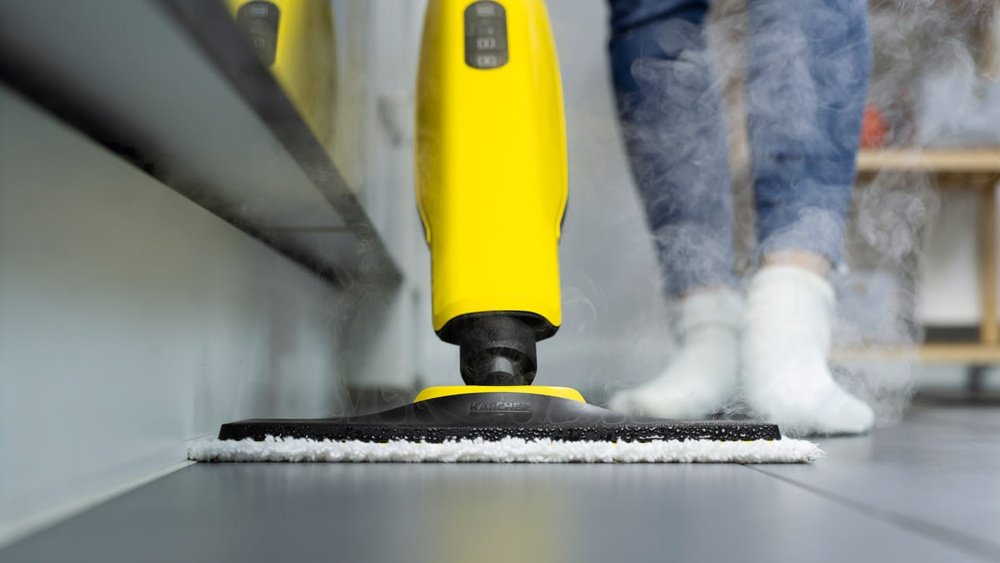
How Steam Mops Work
A steam mop uses hot steam to clean floors. You fill the mop’s tank with water, plug it in, and after a minute or two, steam starts to come out. When you push the mop over the floor, the steam loosens dirt and helps remove stains.
What makes steam mops stand out is the high temperature of the steam. Most models heat water to between 212°F and 250°F (100°C to 121°C). This is hotter than the water from a normal mop, and it’s the heat that can kill bacteria.
Key Components Of A Steam Mop
- Water tank: Holds the water you’ll turn into steam.
- Heating element: Warms the water quickly.
- Steam jets: Release steam through a cleaning pad.
- Microfiber pad: Picks up loosened dirt and debris.
Steam mops are designed for sealed hard floors such as tile, vinyl, laminate, and sealed wood. They are not safe for unsealed wood or waxed floors, as the heat and moisture can cause damage.
Steam And Bacteria: What Science Says
It’s important to understand how steam affects bacteria. Bacteria are tiny organisms that can cause illness. Some are more resistant than others, but most bacteria cannot survive high heat for long.
How Heat Kills Bacteria
When bacteria are exposed to temperatures above 160°F (71°C), their proteins and cell structures start to break down. At the boiling point of water (212°F or 100°C), most common bacteria die within seconds to a few minutes.
Research On Steam Cleaning
Studies show that steam cleaning can kill 99.9% of common household bacteria like *E. coli* and *Salmonella* if the steam makes direct contact for at least 10–20 seconds. For example, a study published in the *American Journal of Infection Control* found that steam disinfection reduced bacteria on hospital floors almost as well as strong chemical cleaners.
However, there are limits. Some bacteria, such as bacterial spores, are much tougher and may require longer exposure or higher temperatures to kill. Steam mops are effective for everyday cleaning, but they are not a substitute for medical-level sterilization.
Comparing Steam Mops To Other Cleaning Methods
How do steam mops stack up against traditional cleaning tools like regular mops, disinfectant sprays, or wipes? Here’s a comparison:
| Cleaning Method | Bacteria Removal | Chemicals Used | Drying Time |
|---|---|---|---|
| Steam Mop | Very high (up to 99.9%) | No | Fast |
| Traditional Mop | Moderate | Often yes | Slow |
| Disinfectant Spray | High (if used correctly) | Yes | Fast |
| Wipes | High (for small areas) | Yes | Fast |
Steam mops are strong at killing most bacteria, fast-drying, and don’t leave chemical residues. However, you must use them correctly for the best results.
What Influences A Steam Mop’s Germ-killing Power
Not every steam mop is equally effective. A few factors decide how well it will kill bacteria:
1. Temperature
The hotter the steam, the more bacteria it can kill. Look for a mop that reaches at least 212°F (100°C).
2. Contact Time
The steam must touch the surface long enough—usually at least 10–20 seconds per area. If you move the mop too quickly, it may not kill all bacteria.
3. Surface Type
Flat, hard surfaces like tile or vinyl allow steam to make full contact. Uneven or porous surfaces, such as grout or textured tiles, may hide bacteria in tiny cracks where steam may not reach as well.
4. Pad Cleanliness
A dirty microfiber pad can spread bacteria instead of removing it. Change or wash the pad regularly during cleaning.
5. Water Quality
Hard water can create mineral build-up in your mop, which may lower the steam temperature over time. Use distilled water if possible.
How To Use A Steam Mop For Maximum Bacteria Removal
To get the best results, follow these practical tips:
- Vacuum or sweep first. Remove dust, hair, and debris so the steam can reach the floor directly.
- Fill with clean water. Use distilled water to prevent mineral build-up.
- Let the mop heat fully. Wait until it’s producing a steady stream of hot steam.
- Move slowly. Glide the mop over each section for at least 10–20 seconds to ensure the steam has time to work.
- Replace pads as needed. If the pad looks dirty, switch it out—don’t just keep mopping.
- Focus on high-touch areas. Spend extra time where germs are likely, like entryways, kitchens, and bathrooms.
- Allow to dry. Let floors air-dry before walking on them.
Practical Example
If you’re cleaning a kitchen, start by sweeping up crumbs and dirt. Fill the steam mop and let it heat. Mop the floor, pausing for a few seconds on sticky spots. Change the pad if it gets very dirty. Finally, let the kitchen floor dry before letting pets or kids walk across.
Steam Mops And Viruses
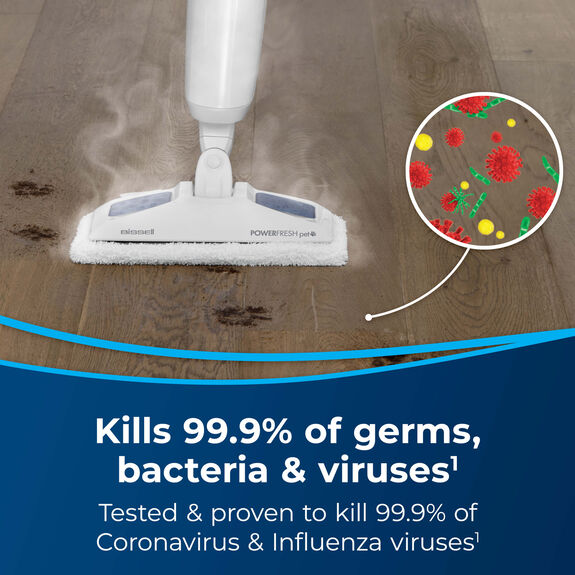
Many people wonder if steam mops also kill viruses. Steam at high temperatures can destroy many viruses, especially those that spread through surfaces, like influenza and some coronaviruses. However, viruses are often more fragile than bacteria, so they usually don’t survive high heat.
But there’s a catch: the mop’s steam must touch the virus directly. If the virus is deep in carpet fibers or inside porous surfaces, steam may not reach it. For sealed hard floors, steam mops can reduce both bacteria and viruses, but always check your mop’s manual for details.
Limitations And Common Mistakes
Steam mops are powerful, but there are some things they can’t do:
- Not a replacement for disinfectants during outbreaks of strong viruses (like norovirus or COVID-19).
- Not for all floors. Unsealed wood, waxed floors, or some laminates can be damaged by steam.
- Not for carpets unless the mop has a special attachment.
- Don’t use with bleach or cleaners. Adding anything other than water can break the mop and create dangerous fumes.
- Moving too fast. Rushing means less contact time and less germ-killing.
Common Mistakes To Avoid
- Using on the wrong floor type
- Not cleaning the pad often enough
- Skipping the sweeping or vacuuming step
- Using tap water in hard water areas
- Not allowing the mop to heat fully
Steam Mop Models And Their Bacteria Claims
Manufacturers often claim their steam mops kill 99.9% of bacteria. But is this true for all products? Here’s a look at three popular steam mop models:
| Model | Max Temperature | Claimed Bacteria Reduction | Best for Floor Type |
|---|---|---|---|
| Bissell PowerFresh | Up to 212°F | 99.9% | Tile, vinyl, sealed wood |
| Shark Genius | Up to 212°F | 99.9% | Tile, laminate, sealed wood |
| O-Cedar Microfiber | Up to 212°F | 99.9% | All sealed hard floors |
It’s important to note that these numbers are based on lab tests. Real-world results depend on how you use the mop—temperature, contact time, and pad cleanliness all matter.
Are Steam Mops Safe?
Using steam mops is generally safe for homes, especially if you have kids or pets and want to avoid chemicals. The steam evaporates quickly, so floors dry faster and there’s little residue. But because steam is very hot, always keep hands and feet away from the steam jet.
Non-obvious Insights For Better Cleaning
Many people overlook a few key points:
- Steam mops don’t remove stains by themselves. If there are sticky spills, you may need to scrub or soak them first.
- Killing bacteria doesn’t mean removing all allergens. Dust mites and pollen may need different cleaning methods.
- Steam can loosen old wax or finish on floors, which may cause dull spots over time.
Also, if you use your mop in the bathroom or kitchen, always wash pads in hot water after each use to avoid spreading bacteria the next time you clean.

Credit: www.fortador-usa.com
When To Use A Steam Mop Vs. Other Methods
Steam mops are best for everyday cleaning of sealed floors, especially in kitchens, bathrooms, and entryways. Use a disinfectant spray or wipe if you need to sanitize after illness, or for deep cleaning high-risk areas.
If you have pets, steam mops are a good way to clean up muddy paw prints and reduce bacteria without leaving chemical smells. For large messes or after raw meat spills, combine steam cleaning with a disinfectant for added safety.
Summary Table: Steam Mop Pros And Cons
Here’s a quick overview to help you decide if a steam mop is right for your home:
| Pros | Cons |
|---|---|
| – Kills most bacteria and some viruses – No chemicals needed – Fast drying – Easy to use | – Not for all floor types – Needs slow movement – Pads require frequent washing – Not medical-level sterilization |
Credit: www.bissell.com
Final Thoughts
So, does a steam mop kill bacteria? Yes—if you use it correctly, a steam mop can kill up to 99.9% of common household bacteria on hard, sealed floors. It’s a powerful tool for everyday cleaning, especially if you want to avoid harsh chemicals. However, it’s not a substitute for disinfectants in cases of serious illness, and it won’t sterilize like medical equipment. For best results, pay attention to steam temperature, contact time, and pad cleanliness. Used wisely, steam mops can help keep your home cleaner and healthier.
For more on how steam cleaning affects germs, see the Wikipedia page on steam cleaners.
Frequently Asked Questions
Can I Use Vinegar Or Cleaning Solutions In My Steam Mop?
No. Most manufacturers recommend using only water. Adding vinegar, bleach, or other solutions can damage the mop and may release harmful fumes.
Does A Steam Mop Sanitize As Well As Bleach?
A steam mop can kill most common bacteria, but bleach is stronger against some germs and viruses. For everyday cleaning, steam is usually enough. For outbreaks or after illness, use a disinfectant.
How Often Should I Wash The Mop Pads?
Wash the pads after every use, especially if you clean high-germ areas like bathrooms or kitchens. Dirty pads can spread bacteria instead of removing them.
Can A Steam Mop Be Used On Carpets To Kill Bacteria?
Only if your mop has a special carpet attachment. Even then, steam may not reach deep into fibers. For deep carpet cleaning, use a carpet cleaner or professional service.
Will A Steam Mop Damage My Hardwood Floors?
Only use a steam mop on sealed hardwood floors. Unsealed or waxed wood can be damaged by heat and moisture. Always check your floor warranty before using a steam mop.