Can A Tea Kettle Explode?
A tea kettle is a common tool in kitchens around the world. You use it almost every day to make tea or coffee. It seems safe, but have you ever wondered if your tea kettle could explode? The idea sounds scary, but it’s not just a wild thought. In rare cases, kettles have exploded and caused serious injuries or damage. Understanding why this happens, how to prevent it, and what signs to watch for can keep you safe.
This article takes a calm, expert look at the risks, the science behind kettle explosions, real-world examples, and practical safety tips. By the end, you’ll know exactly how to use your kettle safely and confidently.
How Tea Kettles Work
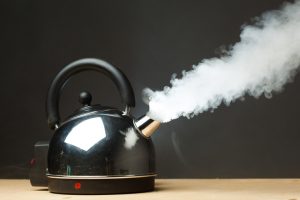
Tea kettles are simple devices. They usually consist of metal or glass containers that hold water. You place the kettle on the stove, or use an electric version, and heat the water until it boils. As the water heats up, it turns into steam. Steam escapes through a spout or a whistle, signaling when the water is ready.
Most kettles have:
- A lid that closes tightly
- A spout for pouring
- A handle for carrying
- Sometimes, a whistle to alert you
Modern electric kettles also have automatic shut-off features to prevent overheating. Older stovetop kettles rely on manual removal from the heat source.
The kettle is designed to handle boiling water and steam, but problems can arise if steam cannot escape or if the kettle is damaged.
Can A Tea Kettle Actually Explode?
The idea of a kettle exploding is not just a myth. It can happen under certain circumstances, though it’s rare. Here’s how:
- Pressure builds up inside the kettle when steam cannot escape
- A blocked spout or sealed lid prevents steam release
- Structural weakness or a manufacturing defect causes the kettle to fail
When pressure becomes too high, the kettle can burst open, sending boiling water and steam everywhere. This is not a typical explosion like a bomb, but more like a sudden burst.
Real-life Cases
There are documented incidents of tea kettles exploding. For example, in 2019, a family in the US suffered burns when their electric kettle’s lid malfunctioned. The kettle didn’t shut off, and pressure built up until it burst. In another case, a metal stovetop kettle exploded because the whistle spout was blocked by mineral buildup.
Most cases involve:
- Faulty manufacturing
- Blocked spouts
- Ignoring warning signs
Why Do Tea Kettles Explode? (the Science)
Let’s break down the science behind kettle explosions. Water boils at 212°F (100°C), creating steam. Normally, steam escapes through the spout or whistle. If blocked, pressure inside the kettle rises quickly.
Key Factors
| Factor | Risk Level | Typical Cause |
|---|---|---|
| Blocked Spout | High | Mineral buildup, stuck whistle |
| Sealed Lid | Medium | Improper design, tight fitting |
| Manufacturing Defect | High | Weak metal, poor welds |
| Overfilling | Medium | Water covering vents |
| Ignoring Auto Shut-off | High | Broken electric safety |
A typical kettle handles steam pressure well. But if pressure exceeds safe levels, weak spots can burst open. Electric kettles have thermostats and auto shut-off, but if these fail, overheating can occur.
The Role Of Steam Pressure
Steam needs room to expand. If trapped, pressure rises fast. For example, a kettle with a blocked spout can reach up to 2-3 times normal atmospheric pressure within minutes. That’s enough to break weak metal or pop off the lid.
Types Of Kettles And Their Risks
Different kettle designs pose different risks. Understanding these helps you choose safer options.
Stovetop Kettles
These are made of metal (stainless steel, aluminum, copper) or glass. They rely on manual removal from heat. Risks include:
- Blocked spouts due to mineral deposits
- Loose or damaged lids
- Old or corroded metal
Electric Kettles
Electric kettles are popular for their speed and convenience. They usually have safety features:
- Auto shut-off
- Boil-dry protection
However, risks arise if:
- The auto shut-off fails
- The lid doesn’t open
- The kettle is overfilled
Glass Kettles
Glass kettles offer a visual check for boiling. They are less likely to explode but can crack or shatter if defective or handled improperly.
Comparing Kettle Types
Here’s a quick comparison of kettle risks:
| Kettle Type | Main Risk | Explosion Likelihood |
|---|---|---|
| Stovetop Metal | Blocked spout, corrosion | Moderate |
| Electric | Auto shut-off failure | Low |
| Glass | Cracking under pressure | Rare |
| Old or Damaged | Structural weakness | High |
Credit: www.stanleylouis.com
How To Prevent Tea Kettle Explosions
Prevention is simple if you follow a few key steps. Most accidents happen due to neglect or lack of awareness.
- Clean your kettle regularly. Mineral buildup blocks spouts and whistles, increasing risk.
- Check for damage. Look for cracks, corrosion, or loose parts.
- Never overfill. Fill below the maximum line to avoid covering vents.
- Use the right heat setting. Avoid maximum heat unless needed.
- Replace old or faulty kettles. Don’t ignore signs of wear.
- For electric kettles, test auto shut-off often.
- Make sure the lid isn’t sealed too tightly. It should allow steam to escape.
Practical Example
Suppose you use a metal stovetop kettle daily. Over time, minerals from tap water build up inside. If you don’t clean it, the spout may block. Next time you boil water, steam can’t escape. Pressure rises, and the kettle may burst or pop off the lid.
A simple cleaning with vinegar once a month removes buildup. This small step prevents most explosion risks.
Signs Your Tea Kettle Might Be Unsafe
Watch for these warning signs:
- Strange noises (whistling, hissing, popping)
- Steam leaks from unusual places
- Rust or corrosion
- Damaged whistle or spout
- Lid doesn’t fit correctly
- Auto shut-off fails (electric kettles)
- Discoloration or cracks in glass kettles
If you notice any of these, stop using the kettle and inspect it. Replace parts if possible, or buy a new kettle.

Credit: www.youtube.com
What Happens If A Kettle Explodes?
When a kettle explodes, boiling water and steam spray out quickly. This can cause:
- Severe burns
- Eye injuries
- Damage to kitchen surfaces
- Fire risk if near electrical outlets
In most cases, the explosion is not as powerful as a gas cylinder but is still dangerous. Hot steam and water can cause second or third-degree burns.
Example Incident
In 2015, a woman in the UK suffered burns when her stovetop kettle exploded. The spout was blocked, and pressure built up until the lid flew off, sending boiling water into the air.
How Manufacturers Reduce Risks
Manufacturers use several strategies to make kettles safer:
- Pressure relief holes in lids or spouts
- Automatic shut-off in electric models
- Stronger materials like stainless steel
- Clear maximum fill lines
- Quality control tests
Still, defects can slip through. Always buy kettles from reputable brands and check for safety certifications.
Comparing Safe And Unsafe Kettle Features
Here’s a look at common features and their impact on safety:
| Feature | Safe Kettle | Unsafe Kettle |
|---|---|---|
| Auto Shut-off | Present, reliable | Missing or faulty |
| Pressure Relief | Effective vent | Blocked or absent |
| Material | Stainless steel, tested glass | Thin, corroded metal |
| Fill Line | Clearly marked | Not visible |
| Whistle | Removable, easy to clean | Fixed, prone to block |
Non-obvious Insights Most People Miss
Many users overlook two important factors:
- Water quality affects kettle safety. Hard water (high minerals) leads to faster buildup, blocking spouts and whistles. If you live in a hard water area, clean your kettle more often.
- New kettles aren’t always safer. Cheap new kettles may have weak materials or poor design. Don’t assume “new” means “safe.” Check reviews and safety certifications.

Credit: www.craiyon.com
What To Do If Your Kettle Shows Unsafe Signs
If you suspect your kettle is unsafe:
- Stop using it immediately
- Unplug electric kettles
- Let it cool before inspection
- Clean and check for blockages
- Replace damaged parts or the kettle
Don’t try to repair structural cracks or severe damage. Replace the kettle instead.
Extra Tips For Safe Kettle Use
- Keep children away from boiling kettles.
- Don’t touch the kettle until it cools.
- Never force open a lid while boiling.
- Use filtered water if possible.
- Store kettles in dry places to avoid corrosion.
If you want to read more about the science of boiling water and kettle safety, visit Wikipedia.
Frequently Asked Questions
Can A Tea Kettle Explode If Left Unattended?
Yes, especially if the kettle is overfilled, the spout is blocked, or the auto shut-off fails. Leaving a kettle unattended increases risk, especially on the stovetop.
What Should I Do If My Kettle Starts Making Strange Noises?
Stop heating it, let it cool, and check for blockages. Strange noises can signal trapped steam, which is a warning sign.
Are Electric Kettles Safer Than Stovetop Kettles?
Generally, yes. Electric kettles have safety features like auto shut-off and boil-dry protection. But they can still fail if damaged or poorly made.
How Often Should I Clean My Tea Kettle?
Clean your kettle at least once a month. If you have hard water, clean it more often to prevent mineral buildup.
What Materials Are Safest For Tea Kettles?
Stainless steel and certified glass are safest. Avoid thin or corroded metals, and check for safety certifications when buying a new kettle.
Tea kettles are safe when used correctly, but they can explode under rare conditions. By understanding the risks and following simple safety steps, you can enjoy your tea without worry. Always check your kettle for damage and blockages, clean it regularly, and never ignore warning signs.
Safe kettle use is easy, and now you know exactly what to watch for.