You’ve probably stared at a recipe that calls for sour cream, then looked at the container of cottage cheese in your fridge and wondered if you could get away with it. Can blended cottage cheese replace sour cream? The answer is yes, but only in certain dishes.
In our research, that “it depends” is the part most people miss.
Per USDA FoodData Central, half a cup of small-curd cottage cheese contains about 12 grams of protein. The same serving of sour cream delivers around 2 grams. That protein gap is exactly why so many home cooks and meal preppers have started blending cottage cheese into a tangy, creamy stand-in.
Let’s break down when this swap works, when it doesn’t, and how to make it taste right.
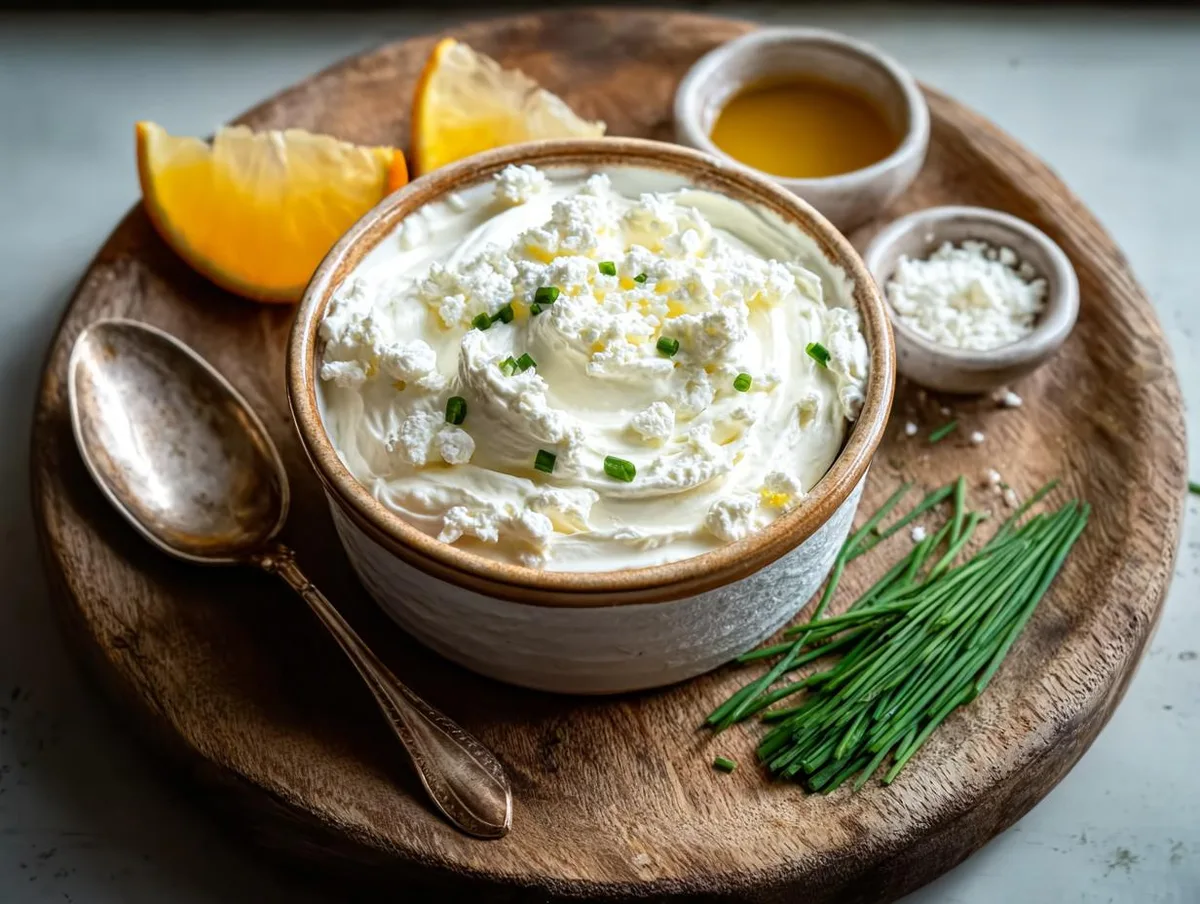
Image source: Bing (Web (fair-use with source credit))
Why This Swap Is Worth Considering
Cottage cheese has had a quiet renaissance. As of 2026, it’s not just a diet food anymore. It’s a budget-friendly, high-protein base for dips, spreads, and even baked goods.
Blended smooth, it mimics sour cream’s texture more closely than most people expect.
Here’s what makes the swap attractive:
- Protein punch. A half-cup serving of blended cottage cheese gives you roughly 12 grams of protein. Sour cream gives you about 2 grams. For anyone tracking macros, that difference matters.
- Lower fat and calories. Even full-fat cottage cheese has less fat than sour cream, and the calorie savings are real.
- Cleaner ingredient list. Many store-bought sour creams add thickeners and stabilizers. Cottage cheese is usually just milk, cream, salt, and live cultures.
- Price. Cottage cheese is often cheaper per serving than a decent tub of sour cream, especially if you buy store brands.
The trade-off? Flavor and behavior. Sour cream has a distinct tang and a smooth, spoonable body.
Blended cottage cheese is milder, slightly saltier, and more sensitive to heat. That’s why the dish you’re making decides whether the swap works.
Quick Answer: Yes, But It Depends on the Dish
Yes, you can replace sour cream with blended cottage cheese in cold dishes. It will not work the same in hot sauces that need to simmer. Use it for dips, dressings, and toppings.
For baking and cooked sauces, you’ll need extra steps or a different substitute.
Think of it in simple if/then terms:
- If it’s cold or just warmed through, like a dip, salad dressing, or baked potato topping, blended cottage cheese works great.
- If it needs to simmer on the stove, like stroganoff or a creamy pan sauce, it can curdle, thin out, or separate.
- If you’re baking something sturdy, like a cheesecake or a coffee cake, it can work, but you’ll need to adjust the liquid and check the texture.
The base rule: treat blended cottage cheese as a lighter, higher-protein cousin of sour cream, not an exact twin. It brings creaminess and a subtle tang, but it won’t act the same under heat.
Sour Cream vs. Blended Cottage Cheese: The Core Differences
Let’s get into the actual differences, because they matter more than the nutrition numbers. Texture, flavor, and acidity all shift when you swap one for the other.
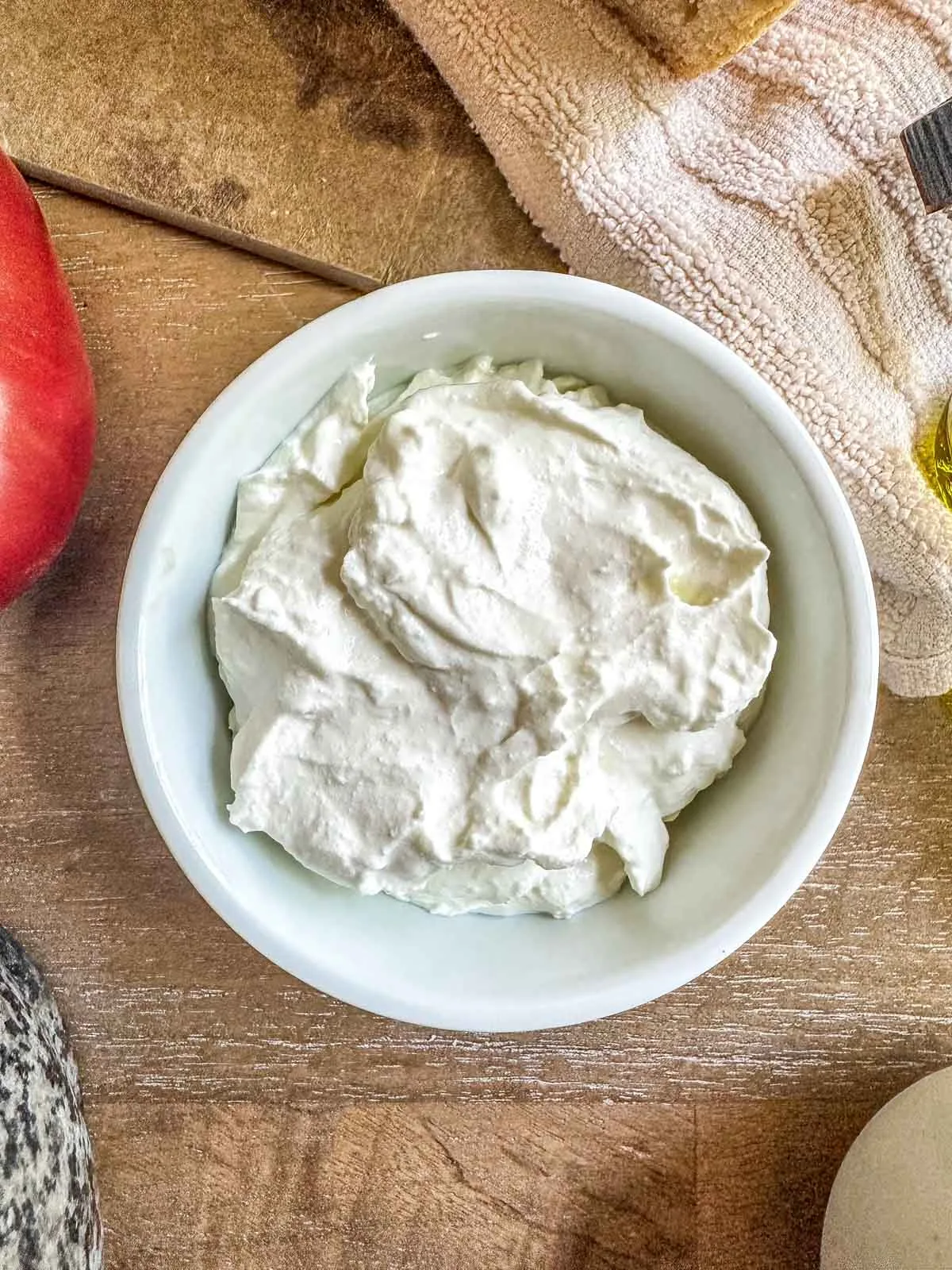
Image source: Web (Bing) / simpleandfraiche.com (Web image (fair-use with source credit))
Texture
Sour cream is thick, smooth, and spoonable straight from the tub. Blended cottage cheese depends on how long you process it. Hit it long enough, and it becomes silky.
Miss that mark, and you’re left with a gritty, grainy mess. The cure is patience and a good blender or food processor.
Flavor
Sour cream has a clean, sharp tang from lactic acid. Cottage cheese is much more neutral, with a milky flavor and a noticeable saltiness. A squeeze of lemon juice or a splash of vinegar fixes that.
Without it, the swap tastes flat.
Fat and richness
Fat carries flavor and coats the palate. Sour cream usually sits around 18 to 20 percent milkfat. Even full-fat cottage cheese lands near 4 percent.
So the mouthfeel is lighter, less indulgent, and more like a high-protein yogurt than a rich sour cream. That’s not bad. It’s just different.
Salt
Cottage cheese is surprisingly salty, sometimes up to 400 milligrams per half-cup. Sour cream is much lower in sodium. When you blend cottage cheese, that saltiness becomes more obvious.
Taste before you add extra salt to whatever you’re cooking.
How to Blend Cottage Cheese Until It Looks (and Tastes) Like Sour Cream
Getting the texture right is the whole game. The process is quick, but the details matter. Here’s the method that works best in our research and across verified user feedback.
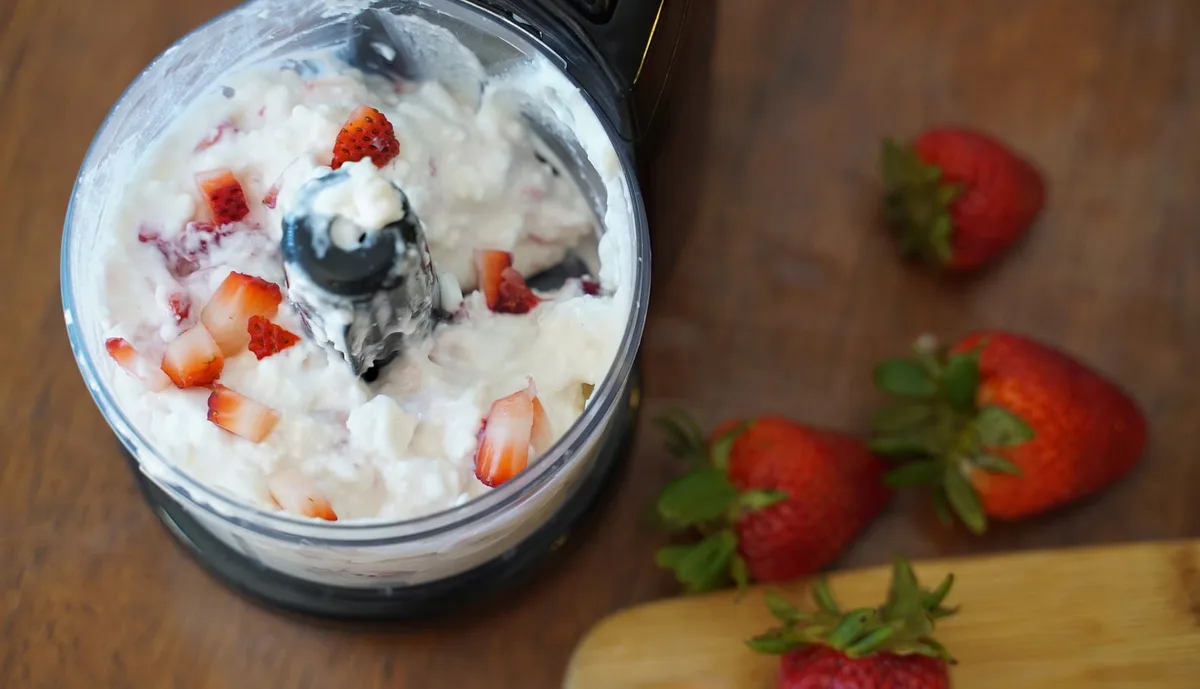
Image source: Web (Bing) / popsugar.com (Web image (fair-use with source credit))
What you’ll need:
- 2 cups small-curd or regular cottage cheese
- 1 to 2 teaspoons fresh lemon juice
- 1 to 2 tablespoons cold water or buttermilk
- A pinch of salt, if needed
- A blender or food processor
Steps:
- Drain any excess liquid. If your cottage cheese looks watery, give it a quick strain in a fine-mesh sieve. Less liquid means a thicker final texture.
- Add the cottage cheese to the blender. Start with the lemon juice too. The acid brightens the flavor and mimics sour cream’s tang.
- Blend on high for 60 to 90 seconds. Stop halfway and scrape down the sides. You want a completely smooth consistency, no curds left.
- Check the texture. It should look like thick, spreadable sour cream. If it’s too stiff, add cold buttermilk or water one teaspoon at a time while blending.
- Taste and adjust. Add a pinch of salt if the flavor is flat. Add a few more drops of lemon juice if you want more tang.
- Chill for at least 30 minutes. The flavor mellows and thickens as it sits. Cold blended cottage cheese always tastes closer to sour cream than warm.
One important trick: don’t over-blend. After 90 seconds, the mixture can turn gummy and whipped. That’s fine for a mousse, but not for sour cream.
Stop as soon as it’s smooth.
Side-by-Side Comparison: Nutrition, Texture, Flavor
If you’re deciding whether to switch, the numbers help. Here’s a quick comparison based on average values from USDA FoodData Central for half-cup servings.
| Per ½ cup | Blended Cottage Cheese (2% milkfat) | Sour Cream (regular) |
|---|---|---|
| Calories | ~90–100 | ~110–120 |
| Protein | ~12 g | ~2 g |
| Total fat | ~2.5 g | ~9–12 g |
| Carbohydrates | ~4–5 g | ~3–5 g |
| Sodium | ~350–400 mg | ~50–80 mg |
| Calcium | ~10% DV | ~6% DV |
The nutrition story is clear. Blended cottage cheese gives you far more protein, less fat, and fewer calories. The sodium is the only real downside, especially if you’re watching salt intake.
Texture and flavor at a glance
- Sour cream: rich, thick, tangy, and slightly creamy on the tongue.
- Blended cottage cheese: smooth but lighter, mild, slightly salty, and less acidic.
For cold, quick dishes, the differences are subtle enough that many people can’t tell. For anything hot or long-cooked, the differences become obvious. That’s the key takeaway here.
The swap is worth it when you respect what blended cottage cheese can and can’t do.
Best Uses for Blended Cottage Cheese (Cold Dishes)
Cold dishes are where this swap shines. No heat means no curdling, no thinning, and no textural surprises. Blended cottage cheese holds its body beautifully when it stays chilled or at room temperature.

Image source: Web (Bing) / easyfoodguide.com (Web image (fair-use with source credit))
Here’s where it genuinely replaces sour cream:
- Dips. Onion dip, ranch dip, spinach dip, or a simple French onion version. Blend in some dried herbs and a splash of lemon juice, and nobody will call it a diet hack.
- Baked potatoes. A dollop of blended cottage cheese melts slightly into the warm potato and tastes shockingly close to sour cream. Add chives and cracked pepper.
- Tacos and burrito bowls. Use it as a drizzle instead of sour cream. It adds creaminess without weighing everything down.
- Salad dressings. Whisk it into ranch or blue cheese style dressings. It gives body and protein to a Saturday night salads situation.
- Cold pasta salads. Stir it into macaroni or orzo salad. The texture stays creamy, and the flavor stays mild.
- Sandwiches and wraps. Spread it on a turkey wrap where you’d normally use sour cream or mayo. It’s an honest swap.
The one thing to remember: season it like you mean it. Blended cottage cheese starts out milder and saltier than sour cream. A little extra lemon, garlic powder, or hot sauce quickly closes the flavor gap.
Where Blended Cottage Cheese Struggles (Hot Sauces and Baking)
Heat is the enemy of this substitution. Sour cream is built to handle a gentle simmer. Blended cottage cheese is not.
It’s a matter of fat and acid chemistry.
Three things happen when you add it to a hot pan:
- It curdles. The proteins tighten up and turn grainy when they hit high heat.
- It thins. The extra moisture separates, leaving a watery sauce instead of a creamy one.
- It splits. The sauce turns streaky, with milky liquid pooling around solid clumps.
Stroganoff is the classic example. A simmering pan of beef and mushrooms plus a scoop of blended cottage cheese usually ends in disappointment. If you absolutely want to try it, temper it first: whisk a few spoonfuls of hot sauce into the blended cheese, then stir that mixture back into the pan off the heat.
Keep the burner low and never let it boil.
Baking is a mixed bag. Blended cottage cheese works in cheesecake, where the structure comes from eggs and the batter is sturdy. It works in coffee cakes and muffins too, as long as you account for the extra moisture.
Expect a slightly denser crumb and a milder tang than sour cream delivers.
How to Fix the Most Common Problems
Even when you follow the steps, things can go sideways. Here are the frequent issues and the fixes that actually help.
| Problem | Why It Happens | Quick Fix |
|---|---|---|
| Curdling in hot dishes | High heat tightens protein structure | Add off heat, temper with hot sauce first |
| Thin, watery texture | Excess liquid in the cottage cheese | Drain it before blending, blend longer |
| Flat, milky flavor | No acid to mimic sour cream’s tang | Add lemon juice or white vinegar |
| Too salty | Cottage cheese has high sodium | Use a low-sodium brand, skip added salt |
| Gummy or whipped texture | Over-blended | Stop at 60–90 seconds, add a splash of milk |
Curdling deserves extra attention. Sour cream has enough fat to buffer the proteins. Blended cottage cheese, even full-fat, doesn’t.
So the rule is simple: keep it cold or add it last. If you’re making a soup or sauce, stir it in right before serving.
Thinning happens because cottage cheese holds a surprising amount of water. Straining it in a fine-mesh sieve for five minutes before blending removes most of that. You’ll get a thicker, sour-cream-like consistency that holds up better in dressings and dips.
Better Alternatives for Specific Recipes
Blended cottage cheese isn’t always the right answer. Sometimes another substitution does a better job. Here’s how the options stack up for different needs.
| Option | Best For | Why It Works |
|---|---|---|
| Greek yogurt | Cold dips, baked potatoes, marinades | Thick, tangy, high protein, ready to use |
| Crème fraîche | Hot sauces, stroganoff, soups | Stable under heat, rich, won’t curdle |
| Cream cheese + buttermilk | Dips, frosting, creamy spreads | Rich texture, mild tang, easy to control |
| Silken tofu | Vegan dishes, creamy sauces | Neutral flavor, blends silky smooth |
| Sour cream itself | Baking, cold dishes, anything hot | It’s the benchmark for a reason |
Greek yogurt is the closest off-the-shelf swap. It’s thick and tangy, and it has comparable protein. The flavor is more tart than sour cream, so you might use a bit less.
Crème fraîche is the choice when heat is involved. It has a higher fat content and a gentle tang. It costs more, but it won’t split the way blended cottage cheese will.
For baking, plain sour cream is still the safest pick. Recipes were developed around its fat and moisture balance. Swapping in blended cottage cheese changes the chemistry, so you’re baking blind unless you’re prepared to adjust.
Who Should Switch and Who Should Stick with Sour Cream
This decision comes down to your goals and the dish on your plate. Here’s the honest breakdown.
Switch if you want:
- More protein per serving
- Fewer calories and less fat
- A cheaper everyday substitute
- A cleaner ingredient list
Stick with sour cream if you need:
- Full richness and body
- A stable sauce that won’t curdle
- Authentic tang in cold dishes
- A known quantity for baking
In our research, most home cooks land in the middle. They use blended cottage cheese for daily meals: dips, baked potatoes, and quick lunches. They keep real sour cream for weekends, special recipes, and anything that hits the stove.
The smart move is to try both and compare. Blend a batch today, taste it against your usual sour cream, and use it on something cold first. The swap makes sense a lot more often than people expect.
It just doesn’t make sense everywhere.
Frequently Asked Questions
Can blended cottage cheese replace sour cream in baking?
Yes, but you need to adjust the liquid. Blended cottage cheese works in cheesecakes, coffee cakes, and muffins when you reduce other liquids by one to two tablespoons per half-cup used. The texture turns slightly denser, and the tang is milder.
Plain sour cream remains the safer choice for recipes that rely on its fat content for structure.
Does blended cottage cheese taste like sour cream?
Not exactly. It has the same creamy mouthfeel, but the flavor is more milky and mild. Sour cream has a sharper, more acidic tang.
A squeeze of fresh lemon juice or a teaspoon of white vinegar closes most of the gap. In cold dips and toppings, most people can’t tell the difference after seasoning.
What is the best ratio for substituting blended cottage cheese for sour cream?
Use a one-to-one ratio for cold dishes. If a recipe calls for one cup of sour cream, use one cup of blended cottage cheese. For baking, trim the liquid slightly in the recipe.
For hot sauces, expect to temper the mixture and stir it in off the heat. The one-to-one swap works because the textures are close enough.
How long does blended cottage cheese last in the fridge?
Blended cottage cheese keeps for about three to five days in an airtight container. That’s shorter than unblended cottage cheese, because blending breaks down the curd structure and introduces more surface area. Always store it below 40°F.
If it smells sour or the texture turns watery and slimy, toss it out.
Can you freeze blended cottage cheese to use later?
Technically yes, but you won’t love the results. Freezing changes the texture significantly. The moisture separates, and thawed blended cottage cheese turns grainy and watery.
It becomes usable for baked casseroles or smoothies, but it won’t work as a sour cream topping. For dips and cold uses, plan to make it fresh.
Final Verdict: Make the Swap or Not?
The honest answer is yes, with conditions. Blended cottage cheese replaces sour cream beautifully in cold dishes: dips, baked potatoes, dressings, and tacos. It adds protein, cuts fat and calories, and saves money.
You just have to season it well and blend it until completely smooth.
For hot dishes and baking, proceed with caution. It can curdle and thin out on the stove. If you’re making stroganoff or a simmering sauce, use crème fraîche or Greek yogurt instead.
In baking, stick with sour cream unless you’re ready to experiment with liquid ratios.
Here’s our recommendation in simple terms: keep a tub of blended cottage cheese in the fridge for everyday meals, and keep sour cream for the recipes where nothing else matches. That split gives you the best of both worlds without settling. Give it a try on your next baked potato.
The swap is worth making.