You’ve got a container of cooked chicken sitting in the fridge since Monday, and now it’s Saturday. So, can cooked chicken last 6 days in the fridge? No, it can’t, at least not safely.
Food safety guidelines only give cooked chicken a 3 to 4 day window in the refrigerator. That’s not a suggestion, it’s the standard.
The science behind that number comes from the U.S. Department of Agriculture (USDA). Their Food Safety and Inspection Service sets the recommended refrigerator storage time for all cooked poultry at 3 to 4 days.
After that, the chance of foodborne illness climbs quickly. Let’s look at why six days is too long, what could happen, and who needs to be extra careful.
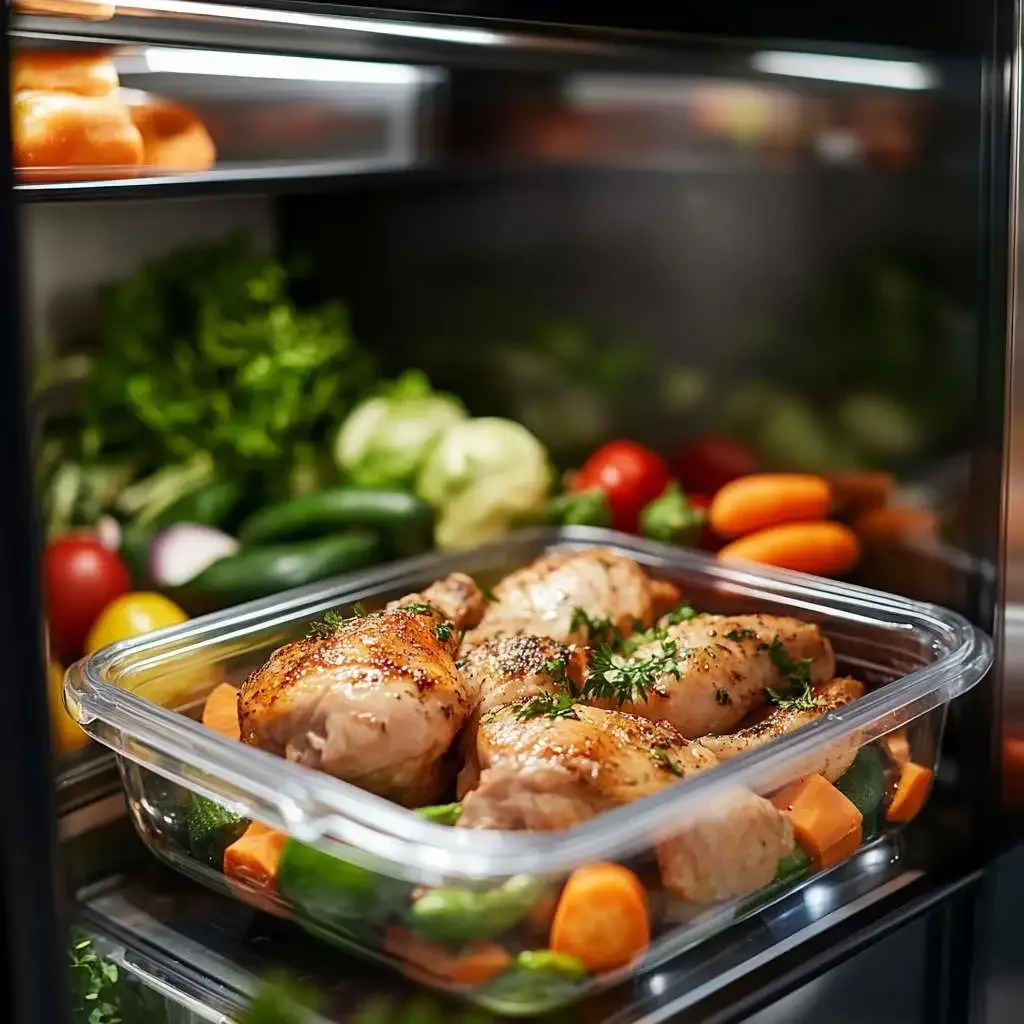
Image source: Web (Bing) / empireofrecipes.com (Web image (fair-use with source credit))
The Straight Answer: Why 6 Days Is Too Long
The direct answer is no. Cooked chicken should not be eaten after 6 days in the fridge. The USDA’s cold storage chart lists cooked chicken at 3 to 4 days.
Day six is double the safe window.
Here’s the thing. Bacteria don’t announce themselves. Spoiled chicken doesn’t always smell bad or look slimy in the early stages.
Harmful pathogens like Salmonella and Listeria can multiply to dangerous levels while the meat still appears perfectly normal. Eating that chicken on day six is a gamble, and the odds get worse with every passing day.
As of 2026, the USDA’s guidance hasn’t changed. It likely won’t, because the refrigeration timeline is based on how quickly bacteria can reproduce at 40°F, not on how the food looks or tastes. If you’ve had cooked chicken in the fridge for six days, the safest move is to toss it.
The Official 3–4 Day Rule
The 3 to 4 day rule isn’t an old wives’ tale. It comes from the USDA’s Food Safety and Inspection Service. The same standard appears in the FDA Food Code, which many restaurants and food service operations follow.
Both agencies base their guidance on the same thing: cold temperatures slow bacterial growth, but they don’t stop it.
| Food | Refrigerator (40°F or below) | Freezer (0°F or below) |
|---|---|---|
| Cooked chicken (all types) | 3 to 4 days | 4 months |
| Cooked chicken in soup or casserole | 3 to 4 days | 2 to 3 months |
| Raw chicken pieces | 1 to 2 days | 9 months |
| Raw whole chicken | 1 to 2 days | 1 year |
The timeline applies to every form of cooked chicken. Baked breasts, fried drumsticks, shredded rotisserie meat, chicken salad, chicken soup, all of it. The cooking method doesn’t matter.
The protein content and moisture level do, and those are the same across every preparation. According to the USDA’s Food Safety and Inspection Service, cooked poultry simply stays safe for that 3 to 4 day window when properly refrigerated.
The countdown starts the moment the chicken finishes cooking. That includes time spent sitting on the counter while you finish dinner. If you cook a chicken at 5 p.m., it’s still on the clock at 10 p.m., even if it didn’t hit the fridge until 7.
Every minute above 40°F counts against the total.
Why Cooked Chicken Spoils Faster Than You Think
Cooked chicken is a perfect meal for bacteria. It’s high in protein, moist, and has the right acidity level for rapid microbial growth. That’s why the USDA uses a “danger zone” concept.
The danger zone is the temperature range between 40°F and 140°F, where bacteria multiply fastest.
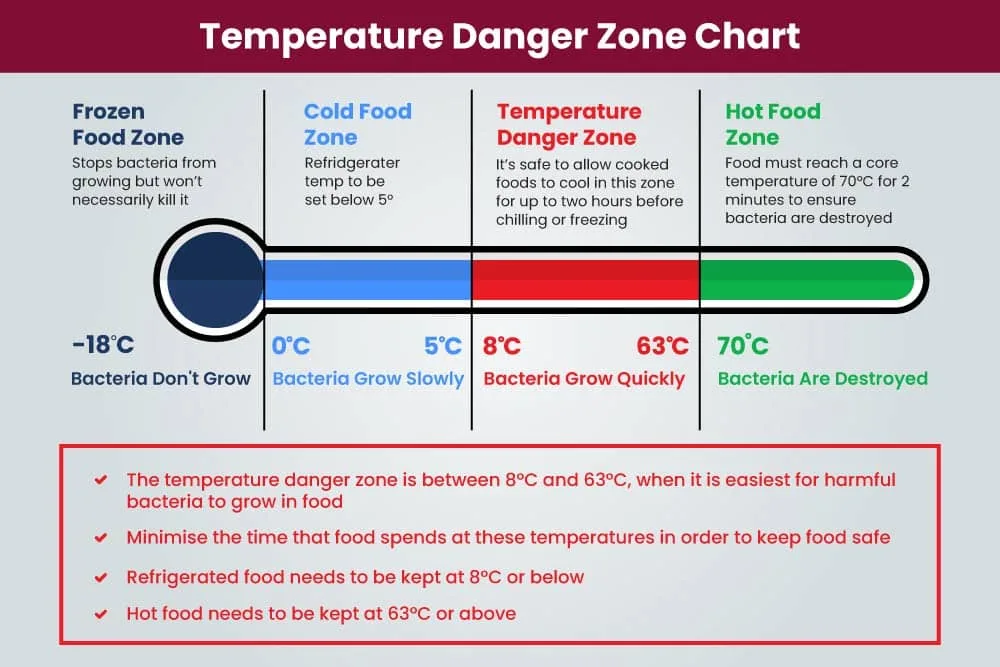
Image source: Bing (Web (fair-use with source credit))
When chicken is hot, above 140°F, heat keeps most pathogens in check. Once it cools below that line, bacteria start recovering. At room temperature, bacterial counts can double in as little as 20 minutes.
In the fridge at 40°F, that doubling slows down dramatically, but it never fully stops. Even in a properly cold refrigerator, bacteria like Listeria can still reproduce.
That’s why day six is so risky. A small number of bacteria on day one doesn’t cause trouble. By day four, the load might still be okay for a healthy adult.
By day six, that population can reach levels high enough to make you sick. The chicken might look identical to the day you cooked it. The bacteria are invisible, odorless, and tasteless.
One important point: reheating won’t always save you. While thorough reheating to 165°F kills live bacteria, some strains produce toxins that survive high heat. That’s a bigger risk on day six, when those bacteria have had days to multiply and leave behind metabolic waste in the meat.
What Happens If You Eat 6-Day-Old Cooked Chicken?
The short answer is: you might get food poisoning. The symptoms are not fun. Nausea, stomach cramps, vomiting, and diarrhea are the most common signs.
They can show up anywhere from 6 to 24 hours after eating contaminated food.
Here’s what food poisoning from old chicken might look like:
- Mild cases. A few hours of stomach discomfort, loose stools, and fatigue.
- Moderate cases. Persistent vomiting, diarrhea, dehydration, and fever above 101°F.
- Severe cases. Bloody stool, high fever, dizziness, and signs of dehydration like extreme thirst or reduced urination.
The severity depends on the pathogen. Salmonella causes classic gastrointestinal distress. Campylobacter can lead to fever and cramping.
Listeria is less common but far more dangerous, especially for pregnant women and older adults. It can cause headaches, confusion, and even miscarriage. Those cases are rare from a single bite, but the risk increases with every extra day of storage.
If symptoms last more than 48 hours, or include a high fever, seek medical help. Dehydration is the biggest concern, especially in children and older adults. For most healthy people, food poisoning from day-six chicken means a miserable 24 to 48 hours.
For someone with a weakened immune system, it can mean a hospital stay.
Who’s at the Highest Risk?
Some people can roll the dice on questionable chicken and feel fine. Others can’t. If you’re in a high-risk group, even a small number of bacteria can cause a serious infection.
That’s why the 3 to 4 day rule is a hard ceiling, not a suggestion.
The people who should never eat cooked chicken stored past day four include:
- Pregnant women. Hormone changes during pregnancy alter the immune system, making it easier for Listeria to cross the placental barrier.
- Older adults. The immune response weakens with age, so the body takes longer to fight off pathogens.
- Young children. Their immune systems are still developing, and they become dehydrated faster during bouts of vomiting or diarrhea.
- People with chronic conditions. Diabetes, liver disease, kidney disease, and HIV all reduce the body’s ability to handle foodborne bacteria.
- Anyone on immunosuppressive medications. That includes cancer patients going through chemotherapy, transplant recipients, and people on steroids like prednisone.
For these groups, a 6-day-old piece of chicken is not just a low-quality meal. It’s a potential trip to the emergency room. The Centers for Disease Control and Prevention explicitly lists older adults, pregnant women, and people with weakened immune systems as being at greater risk for severe foodborne illness.
For everyone else, day six may just mean a rough night. For high-risk individuals, it can be far worse.
Safe Storage Practices That Actually Work
The right storage method matters. Bad storage can make cooked chicken spoil before the 4-day mark. Good storage keeps it safe for the full window.
Follow the 2-hour rule. Cooked chicken must hit the fridge within 2 hours of leaving the heat. If the kitchen is above 90°F, that window shrinks to 1 hour.
Cool the chicken quickly first. Hot chicken in a fridge raises the temperature of everything nearby. Split large portions into shallow containers, no deeper than 2 inches.
This helps it cool evenly instead of staying warm in the center.
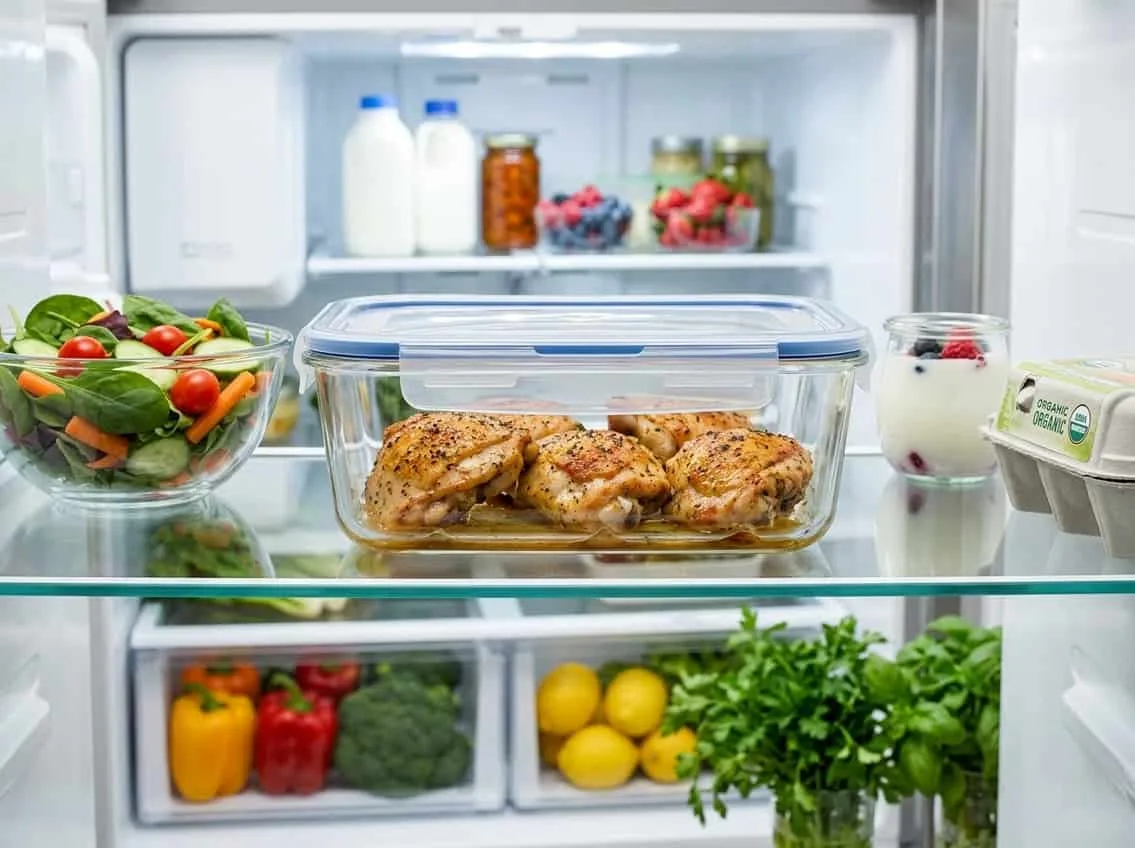
Image source: Bing (Web (fair-use with source credit))
Use airtight containers. Glass or BPA-free plastic works best. Aluminum foil pressed directly against the surface works too.
The goal is to block oxygen and prevent the chicken from absorbing other fridge smells.
Place the container on a middle or lower shelf. Never store chicken in the fridge door. The door is the warmest part of the fridge because it’s opened constantly.
A spot toward the back keeps the most stable temperature.
Label everything. A strip of masking tape with the date works perfectly. If you cooked chicken on Tuesday, the label says Tuesday.
Four days later, there’s no guesswork, just a clear answer.
Can You Save It? Freezing and Reheating
Freezing stops the clock. At 0°F, bacterial growth halts almost entirely. Frozen cooked chicken stays safe for up to 4 months, and quality remains solid if it’s wrapped well.
Let the chicken cool slightly, then portion it. Wrap each portion tightly in plastic wrap and foil, or use a freezer-grade zip-top bag. Label every package with the date and contents.
The reheating step matters. Cooked chicken should reach an internal temperature of 165°F, the same standard the FDA sets for cooked poultry. A digital meat thermometer is the only reliable way to check.
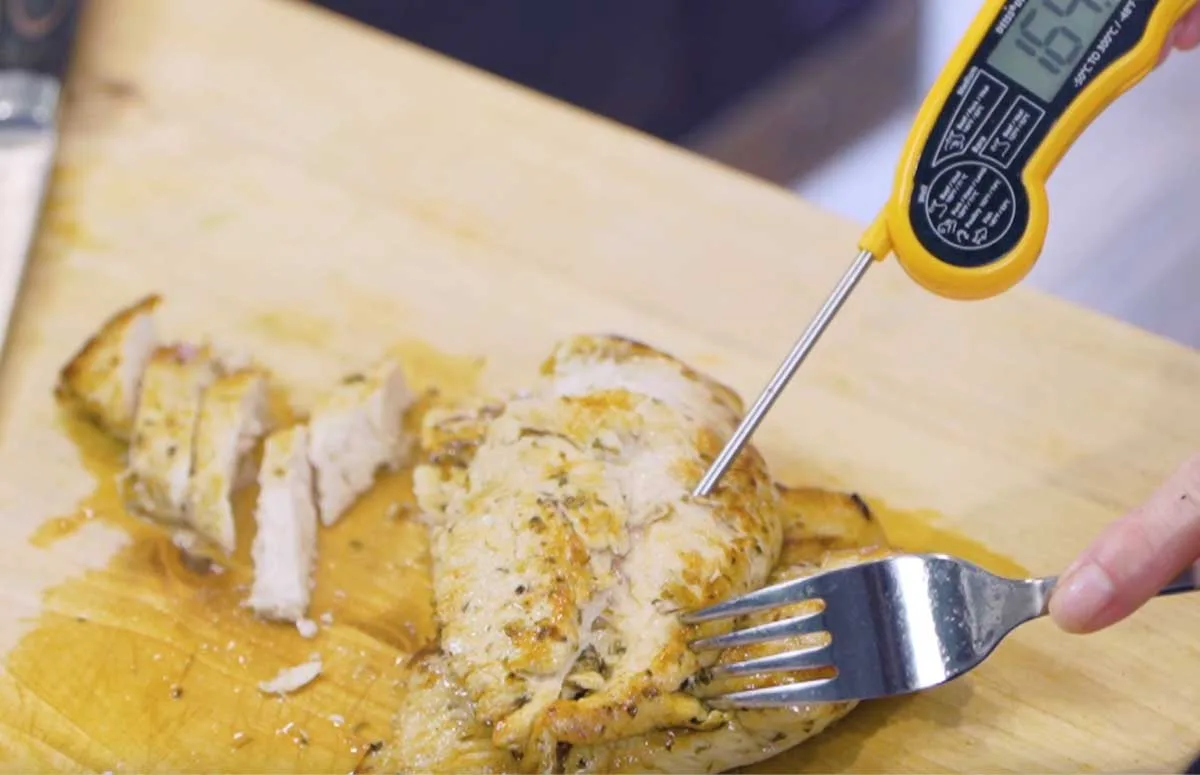
Image source: Web (Bing) / cheekymeatpies.com (Web image (fair-use with source credit))
Here’s how to reheat safely:
- Microwave: Cover with a damp paper towel, heat in short bursts, and stir or flip between intervals.
- Oven: Put the chicken in a baking dish with a splash of broth, cover loosely with foil, and heat at 350°F until the center hits 165°F.
- Stovetop: Perfect for shredded chicken in soups or sauces. Simmer until it’s piping hot throughout.
Never reheat chicken more than once. Every cooldown and reheat cycle puts the food back in the danger zone. Portion before freezing so you only thaw what you need.
Mistakes to Avoid That Shorten Shelf Life
Some habits quietly cut the safe window short. Storing cooked chicken in the fridge door is one of the biggest. The door swings through temperature changes every time it opens.
Chicken stored there may spoil before day 4.
Mixing warm chicken with cold leftovers is another. Hot chicken raises the temperature of the whole container. That encourages bacterial growth in both foods.
Always cool chicken slightly before combining it with anything else.
Trusting your nose is a dangerous mistake. Spoilage bacteria that cause smells are different from pathogens that cause illness. Chicken can look and smell fresh while carrying enough Salmonella to make someone sick.
Here are a few more common errors:
- Leaving cooked chicken out past the 2-hour mark.
- Covering a large pot of hot soup and refrigerating it. The center stays warm for hours.
- Overcrowding the fridge so cold air can’t circulate.
- Storing chicken with liquid pooling at the bottom of the container.
- Setting the fridge temperature above 40°F.
Real-World Scenarios: When It Gets Confusing
Rotisserie chicken
Store-bought rotisserie chicken follows the same 3 to 4 day rule, but with a catch. The countdown starts when the chicken was cooked, not when you bought it. A rotisserie chicken that sat in the store’s warming case already used part of its window.
Use it within 3 days of purchase to stay safe.
Chicken in soups, casseroles, and salads
Cooked chicken doesn’t reset the clock when it becomes an ingredient. If you use day-2 chicken in a soup, the soup inherits the chicken’s timeline. The whole dish still needs to be eaten or frozen within 3 to 4 days of the original cooking date.
Cooked chicken left out overnight
Toss it. The USDA says perishable food left out for more than 2 hours isn’t safe to eat. After 8 hours at room temperature, bacteria reach dangerous levels.
Reheating won’t help because the toxins they produced remain in the meat.
What if your fridge runs warm?
Some fridges hover above 40°F even when the dial seems fine. A refrigerator thermometer is the only way to know for sure. If your fridge runs at 42°F, the safe window for cooked chicken shrinks.
That extra warmth speeds up bacterial reproduction.
Frequently Asked Questions
Can I eat cooked chicken on day 5 if it smells fine?
No. Smell and sight aren’t reliable indicators of bacterial contamination. Pathogens like Salmonella and Listeria don’t change the taste, smell, or color of cooked chicken.
The 3 to 4 day limit is the only standard to trust.
Does reheating kill all the bacteria?
Reheating to 165°F kills live bacteria, but it doesn’t destroy the toxins they’ve already produced. Those toxins can cause food poisoning even after thorough reheating. That’s why reheating old chicken isn’t a safety fix.
How long does cooked chicken last in the freezer?
Cooked chicken stays safe indefinitely at 0°F, but the USDA recommends using it within 4 months for the best quality. After that, the texture degrades and freezer burn becomes likely. Tight wrapping helps preserve flavor and moisture.
Can I trust a restaurant’s leftover chicken after a few days?
The clock starts when the chicken was cooked, not when you got it home. If the restaurant held the chicken warm before serving, part of its 3 to 4 day window is already used. Eat restaurant leftovers within 2 days or freeze them immediately.
Does adding sauce or gravy extend the shelf life?
No. Sauce and gravy don’t change the spoilage timeline. They can actually make chicken spoil faster because extra moisture helps bacteria multiply.
The 3 to 4 day rule still applies with or without sauce.
Verified Verdict: When to Eat, When to Freeze, When to Toss
Here’s the complete decision guide, from the moment you finish cooking to the moment the container leaves your fridge.
Days 0 to 3: Safe Zone
Stored properly at 40°F or below, cooked chicken is safe to eat within this window. You have full flexibility. Eat it cold in salads, reheat it for dinner, or slice it into sandwiches.
The bacterial load is still low enough to be harmless.
Day 4: Decision Day
This is the final safe day. The USDA’s 3 to 4 day window ends today. If you won’t finish the rest by tonight, freeze it now.
Portion it, wrap it tightly, and label it with the date. Once frozen at 0°F, the countdown stops.
Day 5 to 6: Danger Zone
The chicken has now spent more time in the fridge than federal guidance allows. The bacterial population in the meat has grown well past a safe threshold. Reheating doesn’t help, and freezing doesn’t undo the growth.
The only responsible move is the trash bin.
Day 7 and Beyond: Not Edible
At this point, the texture is likely off, the smell may be sour, and the risk of food poisoning is high. Even cooking it to 165°F won’t make it safe. Toxins produced by bacteria survive high heat.
The 30-Second Decision Guide
| Situation | Action |
|---|---|
| Cooked within 3 days | Safe to eat. Heat it or eat it cold. |
| Cooked exactly 4 days ago | Eat today or freeze immediately. |
| Cooked 5 to 6 days ago | Throw it out. Do not taste-test it. |
| No idea when it was cooked | Throw it out. |
| Left out overnight, then refrigerated | Throw it out. |
Why the answer is so strict
The risk isn’t worth the savings. A single bout of food poisoning can mean a doctor visit, lost wages, and a miserable weekend. In severe cases, especially for children or older adults, it can mean hospitalization.
The cost of throwing away a few dollars of chicken is nothing compared to that.
As of 2026, the USDA’s recommendation remains unchanged. Cooked chicken keeps for 3 to 4 days in the refrigerator. That’s the standard.
Freeze by day 4, or throw it out.
The phrase “when in doubt, throw it out” exists for a reason. It has saved more stomachs than any food-safety rule in history. If you’re asking whether six days is too long, you already have your answer.
It is. Toss the chicken, and next time label the container on day one.