Skip to content
Many people love using food dehydrators for homemade snacks, dried fruits, and healthy treats. But after the food is done, the cleaning begins—and that’s when the question comes up: Can dehydrator trays go in the dishwasher? This is a common concern, especially for busy families or anyone wanting to save time on kitchen cleanup. The answer depends on several factors, including the tray material, your dehydrator model, and even your dishwasher’s design.
Let’s break down what you need to know so you can keep your dehydrator in top shape without extra hassle.
Understanding Dehydrator Tray Materials
Before you decide how to clean your trays, it’s important to know what they’re made of. Most dehydrator trays are made from one of the following materials:
- Plastic (polypropylene or polycarbonate)
- Stainless steel
- Other metals (like aluminum)
- Silicone (occasionally for mesh sheets or liners)
Each material reacts differently to heat, detergents, and water pressure in a dishwasher. Some plastics can warp, and some metals might discolor or corrode. Let’s look at each type:
Plastic Trays
Most home dehydrators use BPA-free plastic trays. These are lightweight and affordable but can sometimes warp if exposed to high heat. Not all plastics are equal—polycarbonate is tougher than polypropylene, but both can be sensitive to dishwasher heat cycles. Older trays might not be as heat resistant.
Stainless Steel Trays
Stainless steel trays are more durable and usually safe for dishwashers. They don’t stain, warp, or absorb smells. However, they can develop water spots or dullness if left wet after washing.
Metal Trays (non-stainless)
Some dehydrators use aluminum or coated metal trays. These can react with dishwasher detergents, leading to pitting or a dull finish. Some coatings may peel or wear out over time.
Silicone Mats Or Mesh Sheets
These are often used as liners. Silicone is generally dishwasher safe, but always check the manufacturer’s instructions.
Manufacturer’s Guidelines: The First Place To Check
Always start by reading your dehydrator’s manual. Manufacturers test their trays for dishwasher safety and usually mention the safest cleaning method. If you’ve lost the manual, check the company’s website or contact their customer service.
Here’s a quick comparison of dishwasher safety by popular dehydrator brands:
| Brand | Common Tray Material | Dishwasher Safe? |
|---|---|---|
| Excalibur | Polypropylene Plastic | Top rack only, low heat |
| Nesco | Plastic | Top rack only, avoid heat dry |
| Cosori | Stainless Steel | Yes, but hand washing recommended |
| Presto | Plastic | Yes, top rack preferred |
Tip: If you’re unsure about your model, it’s safest to hand wash the trays.
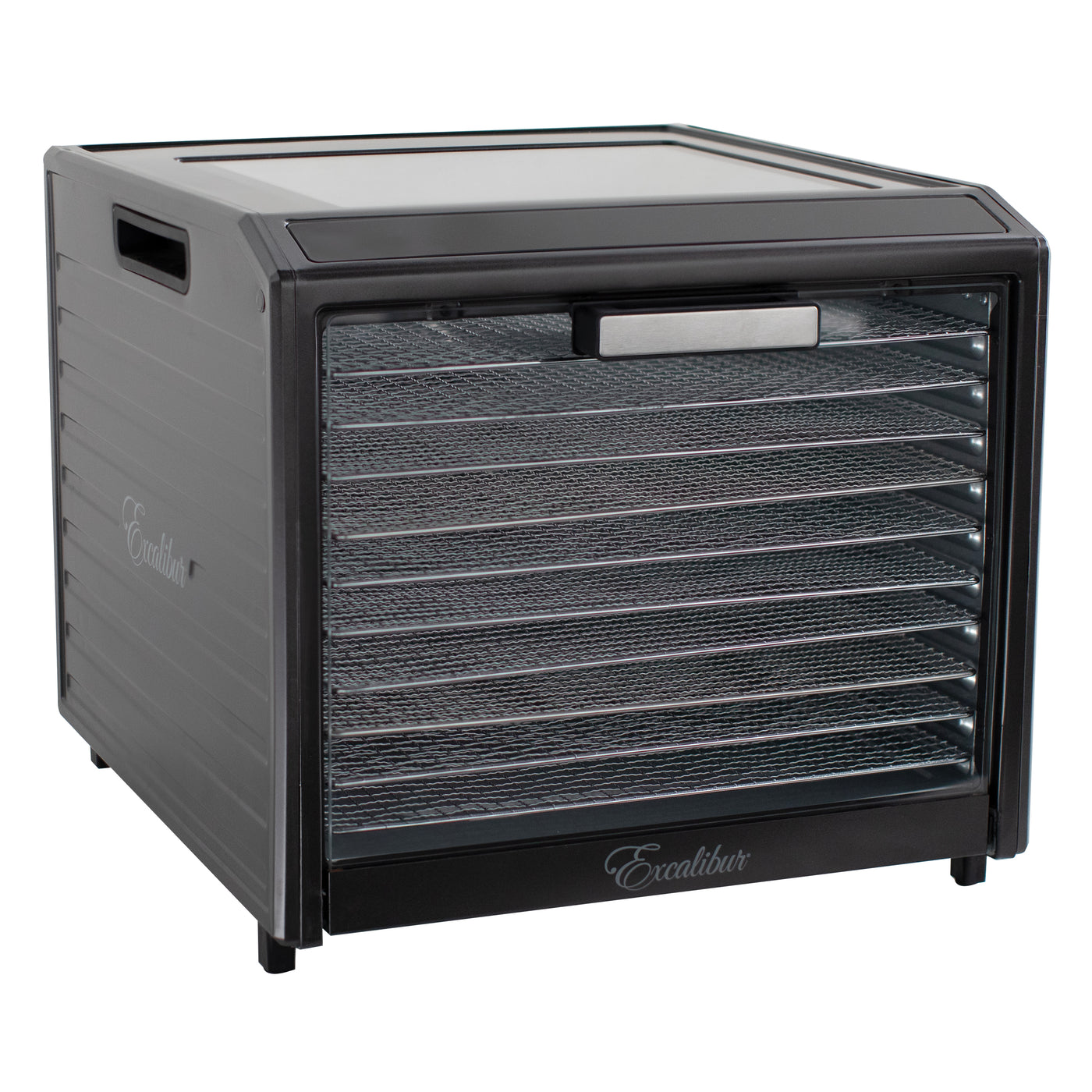
Credit: excaliburdehydrator.com
Pros And Cons Of Using The Dishwasher
Putting dehydrator trays in the dishwasher has clear advantages but also some risks.
Advantages
- Saves time and effort: Especially if you have several trays.
- More thorough cleaning: Dishwashers can remove tough, dried-on bits.
- Convenient for busy schedules: Load and go.
Disadvantages
- Possible warping or damage: High heat and strong jets can warp plastic.
- Shortened tray lifespan: Frequent dishwasher cleaning can weaken trays over time.
- Residue buildup: Hard water can leave spots or mineral build-up.
- Potential for coating damage: Non-stick or coated trays may lose their finish.
Dishwasher Settings Matter
Not all dishwasher cycles are equal. Some settings are much safer for dehydrator trays.
| Setting | Effect on Trays | Recommended? |
|---|---|---|
| Top Rack | Less heat, gentler spray | Yes, especially for plastic |
| Heated Dry | High heat, risk of warping | No, turn off |
| Sanitize Cycle | Very high temperature | Not recommended |
| Normal/Delicate Wash | Gentle cleaning | Yes |
Key insight: Even “dishwasher safe” plastic can warp on the bottom rack or with heated dry. Always place trays on the top rack and turn off the heated drying option.
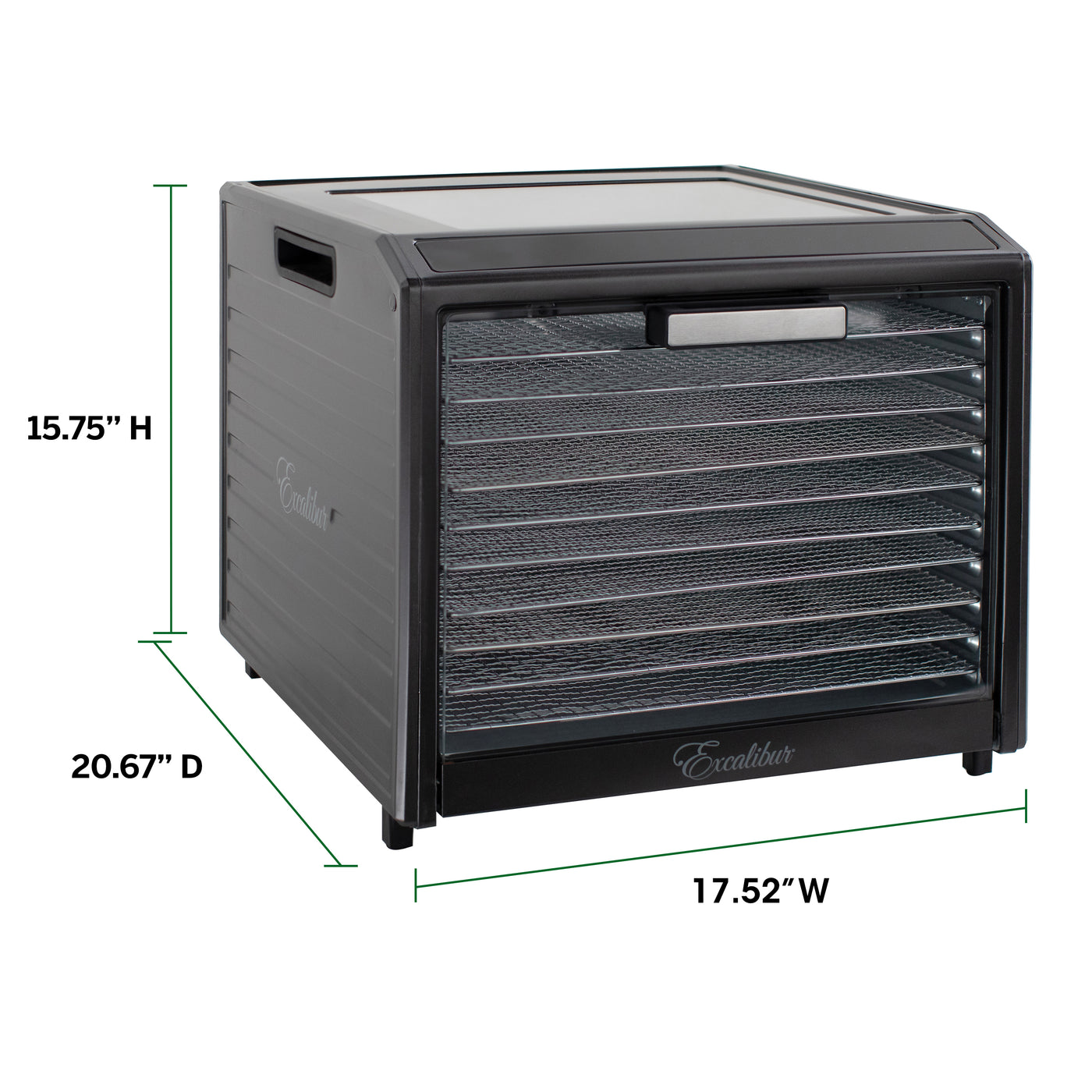
Credit: excaliburdehydrator.com
Hand Washing Vs. Dishwasher: Which Is Better?
You may wonder if hand washing is worth the extra effort. Here’s a comparison:
| Aspect | Dishwasher | Hand Wash |
|---|---|---|
| Time | Less | More |
| Risk of Damage | Higher (for plastic) | Lower |
| Cleaning Power | Strong | Depends on effort |
| Residue Buildup | Possible | Easy to avoid |
Expert tip: If you use your dehydrator often, hand washing can extend the life of your trays, especially for older or lower-quality plastic.
How To Clean Dehydrator Trays In The Dishwasher Safely
If you decide to use the dishwasher, follow these steps to lower the risk of damage:
- Remove large food particles first. Scrape off any stuck-on pieces.
- Rinse trays with warm water before loading. This prevents clogging your dishwasher’s filter.
- Place trays on the top rack only. Never put them on the bottom, where the heat is strongest.
- Turn off the heated dry option. Air dry if possible.
- Use a gentle, non-abrasive detergent. Some dishwasher pods are very harsh and can damage coatings.
- Check trays after washing. If you see warping or dullness, switch to hand washing next time.
- Dry trays thoroughly before storing. Any moisture can lead to mold.
When Hand Washing Is The Better Choice
Some situations call for hand washing, no matter what the manual says:
- Very sticky or sugary residues: Fruit leathers and sticky foods can bake onto trays. Soaking and scrubbing by hand works better than the dishwasher.
- Older or cracked trays: These may not survive another dishwasher cycle.
- Non-stick or coated trays: The dishwasher can strip coatings, making food stick in the future.
- Hard water areas: Dishwashers in areas with hard water leave more residue.
- Heavily soiled trays: A gentle brush can reach crevices the dishwasher might miss.
Practical tip: Use a soft brush or old toothbrush for tray grids and mesh. Avoid steel wool, which scratches plastic and coatings.
Common Mistakes To Avoid
Even experienced dehydrator owners can make mistakes that shorten the life of their trays:
- Using the bottom rack: The heat is too strong.
- Not pre-rinsing sticky foods: Dried fruit can “bake” onto trays if not rinsed.
- Leaving trays wet: Mold can develop in crevices.
- Using harsh cleaners or bleach: These can break down plastic or coatings.
- Washing too often in the dishwasher: Occasional cycles are fine, but frequent dishwasher cleaning adds wear.
How To Remove Tough Stains And Odors
Sometimes, even after a dishwasher cycle, trays still smell like onions or have sticky spots. Here’s how to handle tough cases:
- Soak trays in warm, soapy water for 15–30 minutes.
- Use baking soda paste (mix baking soda and water) on stubborn stains.
- For odors, soak in a mix of water and white vinegar (1: 1 ratio) for an hour.
- Dry in sunlight: UV rays can help remove smells and sanitize naturally.
Non-obvious insight: Avoid strong-smelling dish soaps, as trays can absorb these odors and transfer them to your next batch of food.
Impact On Warranty And Tray Longevity
Did you know that cleaning your trays the wrong way can void the warranty? Many dehydrator brands warn that dishwasher damage isn’t covered. If you want your trays to last, or if your unit is still under warranty, stick to the recommended method.
Example: Excalibur warns that dishwasher damage is not covered under their warranty, even if trays are labeled “top rack safe.”
Environmental Considerations
Dishwashers use water and electricity. If you only have a few trays to wash, hand washing can actually be more eco-friendly. For larger batches, a full dishwasher load is better than multiple small loads.
Interesting fact: According to the US Department of Energy, newer dishwashers use less water per load than washing by hand, if you don’t pre-rinse everything. But pre-rinsing sticky dehydrator trays is still needed for best results.
Knowing When To Replace Trays
Even the best-maintained trays wear out over time. Signs it’s time to replace include:
- Cracks or warping that won’t go away
- Flaking coating or rust on metal trays
- Persistent odors that cleaning can’t remove
- Food sticking more than before
Replacement trays are available for most brands, but not all. If your dehydrator is older, check availability before you need them.
Real-world Examples
Let’s look at a few practical scenarios:
- Case 1: Sarah has an Excalibur with plastic trays. She always uses the top rack, avoids heated dry, and her trays have lasted six years.
- Case 2: Mike put his Nesco trays on the bottom rack with heated dry. They warped after three washes and no longer fit properly.
- Case 3: Jane uses stainless steel trays and the dishwasher, but wipes them dry right after each cycle. She’s never had issues, but a friend who left them wet found rust spots.
These stories show that careful handling can make a big difference.
Frequently Asked Questions
Can I Put All Types Of Dehydrator Trays In The Dishwasher?
No, not all trays are safe for the dishwasher. Plastic trays may warp, especially on high heat, while stainless steel trays are usually safer. Always check the manufacturer’s instructions for your specific model and material.
What Happens If My Trays Warp In The Dishwasher?
Warped trays may not fit your dehydrator properly, which can affect drying performance. Once warped, plastic trays usually cannot be fixed. It’s best to switch to hand washing if you notice any warping.
How Often Should I Clean My Dehydrator Trays?
Clean trays after each use to avoid bacteria and food residue build-up. For sticky or strong-smelling foods, clean right after drying. Regular cleaning keeps your food safe and the dehydrator working well.
Can Dishwasher Detergent Damage Dehydrator Trays?
Yes, some harsh dishwasher detergents can dull or damage plastic and coated trays. Use mild detergent and avoid bleach or abrasive cleaners. If in doubt, hand wash with gentle dish soap.
Where Can I Find More Information On Dishwasher Safety For Appliances?
A reliable resource is the Consumer Reports guide on dishwasher use, which covers best practices for cleaning kitchen items and appliance safety.
Cleaning your dehydrator trays the right way saves time, money, and frustration. While dishwashers offer convenience, knowing when and how to use them makes all the difference. If you’re ever unsure, hand washing is always the safest bet for keeping your trays in top condition for years of tasty, healthy snacks.