Skip to content
Can I Use My Electric Kettle As A Humidifier
Dry air can make your home uncomfortable. In winter or in air-conditioned rooms, you might notice itchy skin, sore throats, or even static electricity. These are all signs of low humidity. Many people wonder if a simple tool like an electric kettle can help. After all, a kettle boils water, creating steam. But is it safe, effective, or even a good idea to use your electric kettle as a humidifier?
Let’s dive into the facts, the risks, and what you should know before trying this at home.
How Does A Humidifier Work?
A humidifier adds moisture to the air to help keep indoor humidity at a comfortable level. There are several types:
- Evaporative humidifiers blow air over a wet wick or filter.
- Ultrasonic humidifiers use high-frequency vibrations to turn water into a cool mist.
- Steam vaporizers (also called warm-mist humidifiers) heat water to produce steam, which cools before leaving the machine.
Each type is designed to safely add moisture to the air over time. Most have built-in sensors and features to prevent overheating, leaks, or over-humidifying.
What Happens When You Use An Electric Kettle?
An electric kettle heats water quickly to the boiling point. When water boils, it turns into steam and escapes from the spout or lid. In theory, this steam adds moisture to the air, just like a humidifier.
But there are some big differences:
- Kettles boil water in bursts, not continuously.
- No humidity controls—a kettle cannot sense or adjust room humidity.
- No safety shut-off for air moisture—only for water level.
- Not designed for long use—kettles are meant to boil water, not run for hours.
Let’s compare both devices side by side.
| Feature | Electric Kettle | Humidifier |
|---|---|---|
| Purpose | Boil water for drinks/food | Add moisture to air |
| Humidity Control | No | Yes |
| Continuous Operation | No | Yes |
| Safety Features | Boil-dry shut-off only | Auto humidity sensors, spill protection |
| Noise Level | Loud (boiling noise) | Usually quiet |
| Energy Use | High (short bursts) | Moderate (continuous) |
Can A Kettle Really Humidify A Room?
Technically, yes—a kettle can add steam to the air. If you boil water in a kettle with the lid open, the steam will escape into your room, raising the humidity for a short time. But there are important limits and risks.
How Much Moisture Does A Kettle Add?
A standard 1.7-liter kettle can turn all its water into steam in about 5–10 minutes. That is a lot of water vapor—much more than a typical humidifier adds in the same time. However, the steam quickly rises and may condense on cold surfaces like windows or walls. This can lead to water droplets, making surfaces wet or even causing damage over time.
Let’s see how much water is actually needed to change room humidity:
| Room Size (sq ft) | Water Needed to Raise Humidity 10% (ml) | Humidifier Output per Hour (ml) | Kettle Output per Boil (ml) |
|---|---|---|---|
| 150 (small bedroom) | 200–250 | 100–200 | 500–1700 |
| 300 (medium room) | 400–500 | 200–400 | 500–1700 |
A kettle adds a lot of steam quickly, but it’s hard to control and may overshoot the ideal humidity.
Risks Of Using An Electric Kettle As A Humidifier
There are several reasons why experts don’t recommend using an electric kettle as a humidifier:
1. Safety Hazards
- Overheating: Kettles are not built to run for long periods. If you try to keep a kettle boiling for hours, it could overheat or even cause a fire.
- Boil-dry risk: If the water runs out, a kettle will automatically shut off (most modern kettles), but older models may not.
- Burns: Open lids or exposed steam can cause burns if touched accidentally.
2. Damage To Your Home
- Condensation: Too much steam can make walls, windows, or furniture wet. This can lead to peeling paint, mold growth, or wood warping.
- Mineral deposits: Boiling hard water in a kettle releases minerals into the air, which may settle as white dust.
3. Poor Air Quality
- No filtration: Humidifiers usually have filters to remove impurities. Kettle steam may carry minerals, metals, or even bacteria if the kettle is dirty.
- Possible odors: If there are any residues in your kettle (tea, coffee, limescale), they can be released into the air.
4. Inefficiency
- Energy use: Kettles use a lot of power in a short time. Humidifiers are designed to be energy-efficient for longer use.
- No control: You can’t set a target humidity or maintain it. The air may become too humid or stay too dry.

Credit: www.ebay.com
Common Myths And Misconceptions
Some people claim that using a kettle is “just as good” as a humidifier, or even better because it’s fast. Here’s why that’s misleading:
- Humidifiers are designed for the job and spread moisture evenly.
- Kettles are not meant for air humidification, and their steam is hot and concentrated.
- Continuous boiling is not safe for most household kettles.
Practical Alternatives To Using A Kettle
If you need more humidity but don’t own a humidifier, there are safer, low-tech ways to add moisture:
- Place bowls of water near heat sources or windows. The water will slowly evaporate, gently adding moisture.
- Hang wet towels in the room. As they dry, they release water vapor.
- Dry clothes indoors (if safe)—this naturally increases humidity.
- Houseplants can also raise moisture levels through a process called transpiration.
These methods are slower but much safer than using a kettle.

Credit: www.ebay.com
When Might It Be Okay To Use A Kettle?
If you need a quick, temporary boost in humidity—maybe to help with a cold or cough—a kettle can work in a pinch. For example, you can boil water with the lid open for 5–10 minutes while staying in the room. But:
- Never leave a kettle unattended.
- Don’t use it near children or pets.
- Wipe up any condensation that forms on surfaces.
Remember, this is not a long-term solution. For ongoing humidity needs, a real humidifier or safer alternatives are best.
Key Differences: Kettle Vs. Humidifier
Here’s a summary of the most important differences:
| Aspect | Electric Kettle | Humidifier |
|---|---|---|
| Design Purpose | Boiling water | Adding moisture to air |
| Moisture Output | High, short burst | Low, steady stream |
| Safety | Boil-dry only | Multiple protections |
| Air Quality | No filtration | Usually filtered |
| Noise | Loud | Quiet |
| Cost to Run | High (per use) | Low–moderate |
Credit: www.amazon.com
Two Insights Beginners Often Miss
- Humidity can rise too quickly with a kettle, leading to condensation problems. Most people focus on getting more moisture but forget that too much can damage walls, windows, and even electronics. Always watch for foggy windows or wet surfaces—these are signs to stop adding steam.
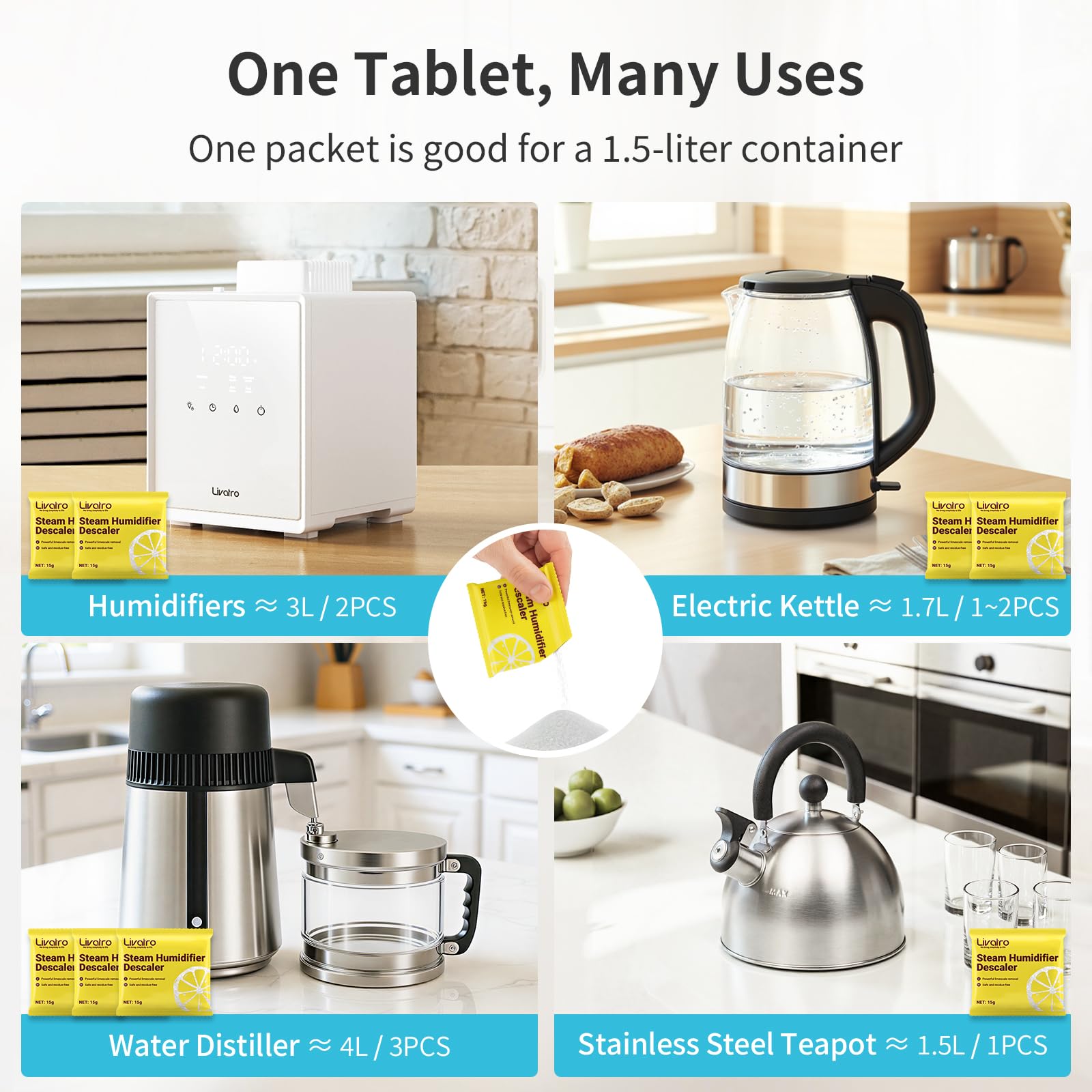
- Water quality matters. Humidifiers often use distilled water to avoid white dust or mineral buildup. Boiling tap water in a kettle can spread minerals into your air, which can settle as dust or worsen allergies. If you do use a kettle, use filtered or distilled water for best results.
Expert Guidance: What Should You Do?
If you’re tempted to use your electric kettle as a humidifier, ask yourself:
- Is it just for a short time, or do you need ongoing humidity?
- Are you able to monitor the room for condensation or overheating?
- Can you keep the kettle clean, and use safe water?
For most people, buying a small, inexpensive humidifier is a safer, more effective solution. Prices start at around $20–30, and the energy cost is much lower over time.
If you’re in a pinch, a kettle can help for a few minutes, but never leave it running unattended or try to use it overnight.
For more on humidity and health, check out the U.S. Environmental Protection Agency’s indoor air quality guide.
Frequently Asked Questions
Can I Leave My Electric Kettle Boiling To Humidify My Room Overnight?
No, you should never leave a kettle boiling unattended or overnight. Kettles are not designed for continuous use. This increases the risk of overheating, electrical fires, or running dry and damaging the kettle.
Is The Steam From A Kettle Safe To Breathe?
Generally, yes, but only if the kettle is clean and you use filtered water. However, steam from a kettle is very hot and can cause burns. Also, boiling tap water may release minerals or impurities into the air, which isn’t ideal for people with allergies or respiratory issues.
Will Using A Kettle As A Humidifier Damage My Room?
It can. Excessive steam can quickly lead to condensation on walls, windows, and ceilings. Over time, this moisture can cause paint to peel, wood to warp, or even mold to grow. Always monitor for wet surfaces and stop if you see condensation.
Is There A Safe Way To Use A Kettle For Humidity?
Only for short periods and with supervision. Boil water with the lid open for a few minutes to add some moisture, then turn off the kettle and let the steam disperse. Never leave it on for long or use it as a replacement for a humidifier.
What’s A Better Alternative If I Don’t Have A Humidifier?
Try placing bowls of water or wet towels in your room, especially near heat sources. Houseplants and drying laundry indoors can also help. These methods are slower but much safer and don’t risk overheating or damaging your home.
Adding moisture to your air can make a big difference in comfort, health, and even sleep quality. While your electric kettle can give a quick steam boost, it’s not a long-term or safe replacement for a real humidifier. For most people, investing in a proper humidifier or using simple alternatives is the best way to balance your indoor air.