Skip to content
Can You Cook Chicken On A Griddle
Cooking chicken can sometimes feel a bit tricky, especially if you want juicy, well-browned results without a lot of fuss. Many people wonder if a griddle, often used for pancakes or bacon, can also be a good tool for chicken.
The answer is yes—you can cook chicken on a griddle, and with the right technique, you can get delicious results every time.
A griddle gives you a large, flat surface that heats evenly, making it perfect for cooking chicken pieces, fillets, or even kebabs. It’s quick, easy to clean, and works both indoors and outdoors. If you’ve never tried it before or are looking for tips to improve your technique, this guide covers everything you need to know.
How Griddles Work For Chicken
A griddle is a flat cooking surface, usually made of cast iron, steel, or nonstick material. Some are electric, while others fit over gas or electric stovetops. Griddles heat up quickly and can reach high temperatures—ideal for searing and cooking chicken evenly.
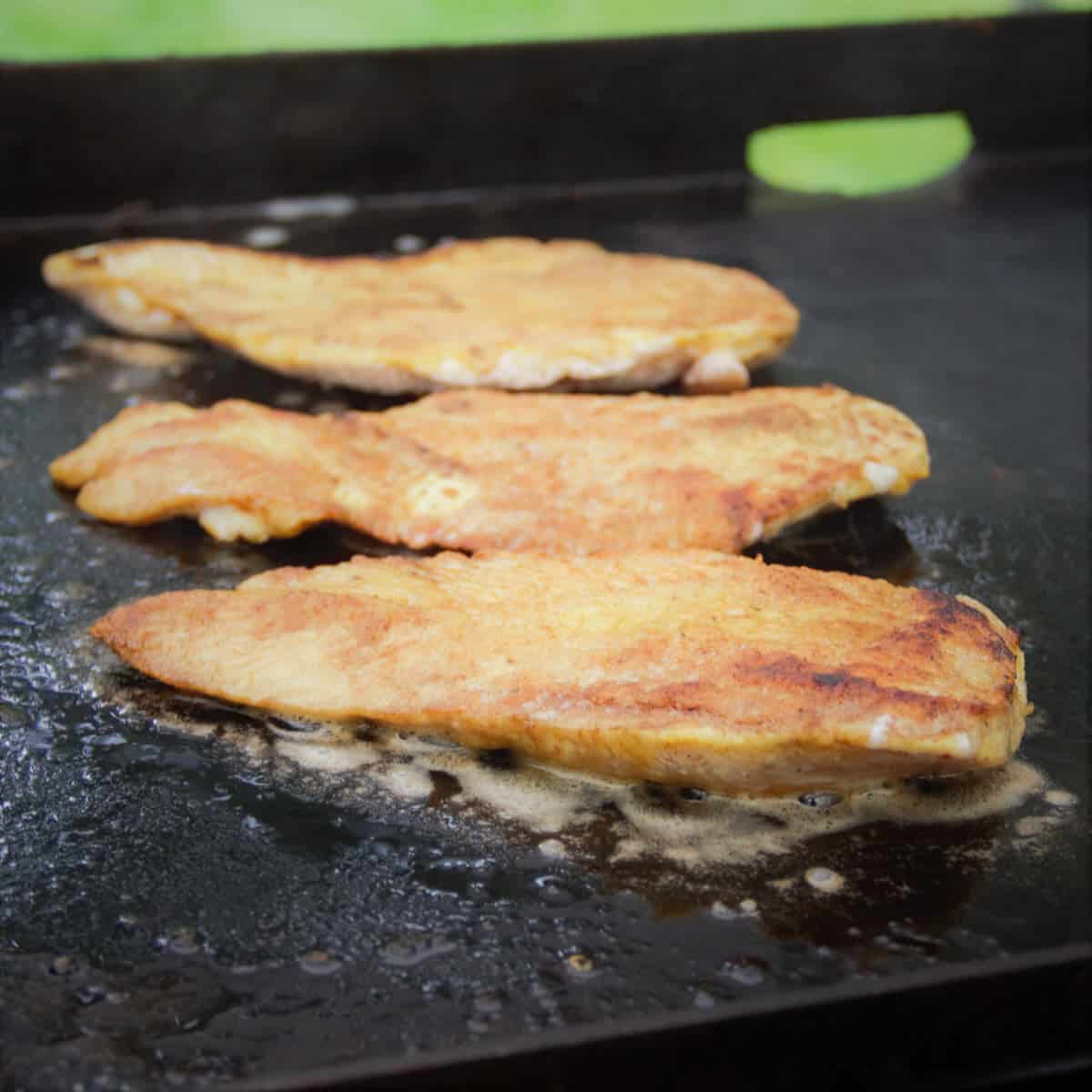
When you cook chicken on a griddle, the meat touches the whole surface, which helps form a crisp, golden crust. Unlike a grill, there are no bars or gaps, so you don’t lose juices or small pieces. This keeps the chicken moist and flavorful.
Griddle Vs. Grill Vs. Pan
Here’s a quick comparison to help you see the difference:
| Cooking Tool | Surface | Best For | Juiciness | Marks/Grill Lines |
|---|---|---|---|---|
| Griddle | Flat, smooth | Chicken pieces, fillets | High | No |
| Grill | Bars with gaps | Whole chicken, wings, drumsticks | Medium | Yes |
| Pan | Curved, high sides | Saucy dishes, sautéing | High | No |
What Types Of Chicken Can You Cook On A Griddle?
A griddle is flexible. You can cook almost any cut of chicken on it, but some work better than others. Here are the top choices:
- Chicken breasts: Boneless, skinless pieces cook quickly and get a nice sear. Pound them to an even thickness for best results.
- Chicken thighs: Juicier and more forgiving if you overcook slightly. Both boneless and bone-in work well.
- Chicken tenders: These cook fast and are perfect for kids.
- Chicken wings or drumsticks: Use a lid or foil to help cook through, since they’re thicker.
- Chicken kebabs: Pieces on skewers are easy to turn and cook evenly.
- Cutlets or schnitzels: Breaded and thin pieces brown beautifully on a griddle.
Preparing Chicken For The Griddle
Good preparation is key for great chicken. Here’s what you should do before you start cooking:
1. Pat Dry
Wet chicken steams instead of browning. Use paper towels to pat the pieces dry. This helps create a crispy crust.
2. Even Thickness
If your chicken is thick in some parts and thin in others, it will cook unevenly. For breasts or thighs, place them between two sheets of plastic wrap and gently pound with a mallet or rolling pin.
3. Season Well
Salt, pepper, and your favorite spices go a long way. For more flavor, you can marinate the chicken for 30 minutes to overnight. Just make sure to wipe off extra marinade before cooking—it can burn on a griddle.
4. Preheat The Griddle
A hot griddle (about 375–400°F / 190–200°C) is key. Preheating helps chicken brown quickly and keeps it from sticking.
How To Cook Chicken On A Griddle: Step-by-step
Cooking chicken on a griddle is simple, but a few details make a big difference. Here’s a step-by-step guide:
- Preheat the griddle: Turn to medium-high and let it heat for 5–10 minutes.
- Add oil: Use a high smoke point oil like canola, vegetable, or light olive oil. Spread a thin layer with a paper towel or brush.
- Place chicken on the griddle: Lay pieces flat, leaving space between them.
- Let it cook undisturbed: Don’t move the chicken for 3–5 minutes. This helps create a good sear.
- Flip once: Turn the chicken when the underside is golden and releases easily.
- Cook the other side: Usually takes another 3–5 minutes, depending on thickness.
- Check doneness: The internal temperature should be at least 165°F (74°C). Use a meat thermometer for accuracy.
- Rest before serving: Remove chicken and let it sit for 3–5 minutes. Juices will redistribute, keeping it moist.
Typical Cooking Times
| Chicken Cut | Griddle Temp | Time per Side | Total Time |
|---|---|---|---|
| Breast (1/2 inch thick) | 375–400°F | 4–5 min | 8–10 min |
| Thigh (boneless) | 375–400°F | 5–6 min | 10–12 min |
| Tenders | 375–400°F | 2–3 min | 4–6 min |
| Wings/Drumsticks | 375–400°F | 8–10 min | 16–20 min |
Safety Tips For Cooking Chicken On A Griddle
Chicken must be cooked properly to avoid foodborne illness. Here are important safety tips:
- Always cook to 165°F (74°C) in the thickest part. Use a reliable meat thermometer.
- Don’t reuse raw chicken utensils for cooked food. Wash knives, boards, and plates after touching raw chicken.
- Clean the griddle after each use to prevent bacteria buildup.
- Avoid overcrowding. Too many pieces cool the griddle and cause steaming instead of browning.
Best Oils And Marinades For Griddling Chicken
Choosing the right oil or marinade helps with both taste and safety.
Oils
Use oils with a high smoke point:
- Canola oil
- Grapeseed oil
- Avocado oil
- Light olive oil (not extra virgin)
These oils won’t burn at griddle temperatures, which keeps your chicken tasty and smoke-free.
Marinades
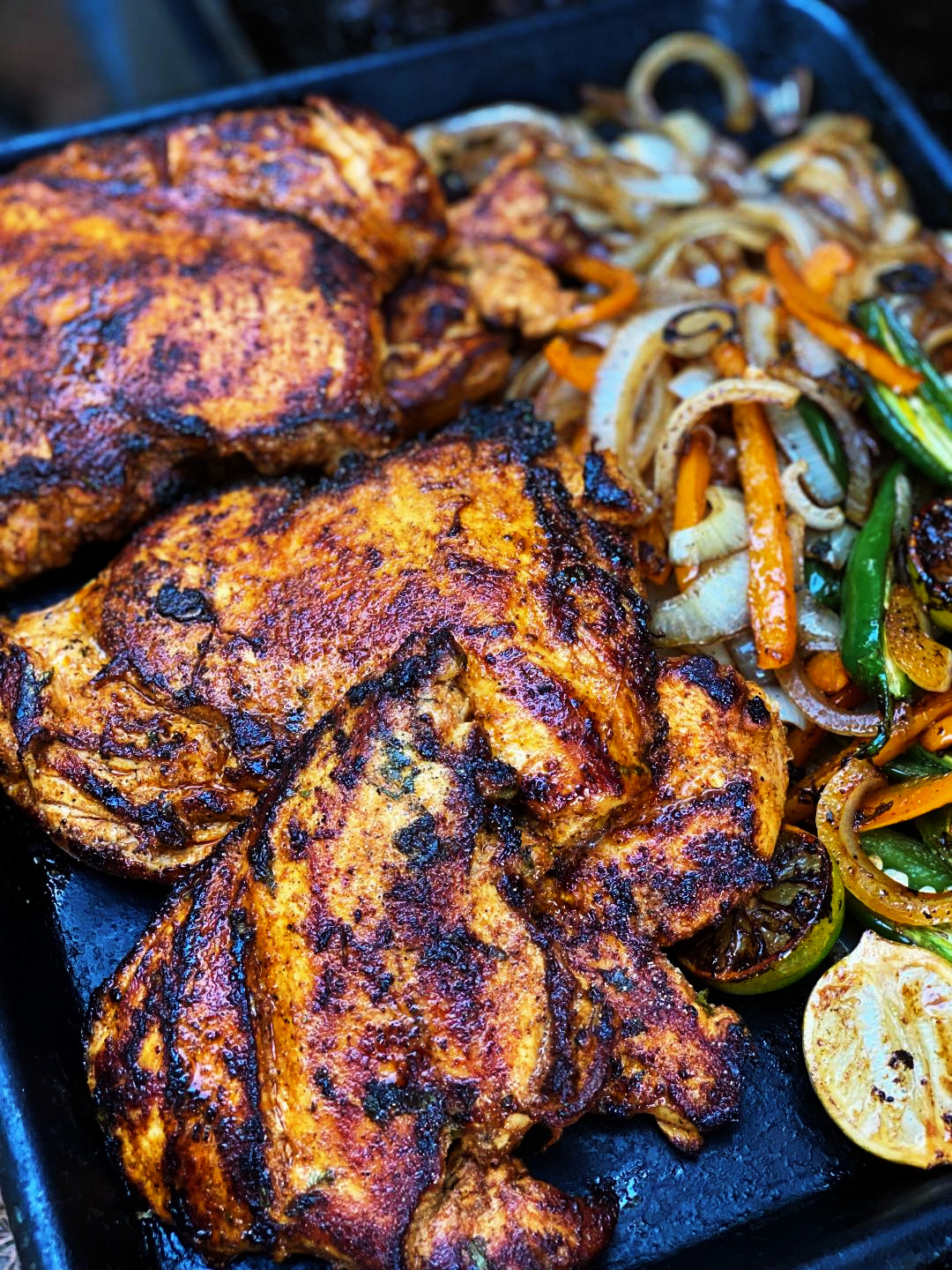
Marinades add flavor and tenderness. For griddle cooking, avoid sugary marinades—they can burn quickly. Try these simple ideas:
- Olive oil, lemon juice, garlic, and herbs
- Soy sauce, ginger, and a little honey (wipe off extra honey before cooking)
- Yogurt, cumin, and paprika
Credit: twoandaknife.com
Common Mistakes To Avoid
Even experienced cooks sometimes make these errors:
- Not preheating the griddle: Cold surfaces make chicken stick and cook unevenly.
- Moving chicken too soon: Let it sear before flipping.
- Using too much oil: A thin layer is enough; too much can make chicken greasy.
- Overcrowding: Leaves you with steamed, pale chicken.
- Skipping the rest: Cutting immediately dries out the meat.
A less obvious tip: avoid using thick marinades or batters. They can stick and burn on a griddle, making cleanup hard and ruining the flavor.
Cleaning And Caring For Your Griddle After Cooking Chicken
Caring for your griddle helps it last and keeps food safe.
- Clean while still warm: Use a spatula to scrape off bits, then wipe with a damp cloth or paper towel.
- For cast iron: Avoid soap. Scrub with salt and oil, then dry well and rub with a little oil to season.
- For nonstick or electric: Wait until cool, then wash with mild soap and a soft sponge.
Stuck food? Pour a little hot water on the griddle while it’s warm and scrape gently.
Credit: bushcooking.com
Serving Ideas For Griddled Chicken
Griddled chicken is versatile and fits many meals. Here are a few ideas:
- Slice breast or thigh pieces and add to salads or wraps
- Serve with roasted vegetables and rice for a balanced meal
- Use in sandwiches or burgers with your favorite toppings
- Chop and toss with pasta or noodles
- Serve as a main dish with fresh herbs and lemon wedges
Is Griddled Chicken Healthy?
Cooking chicken on a griddle uses minimal oil, so it’s a healthy method. You avoid the extra fat from deep frying and keep most nutrients. Chicken itself is a great source of lean protein, B vitamins, and minerals like phosphorus and selenium.
Griddled chicken also means less smoke and fewer burnt bits than grilling, which some studies link to health risks. Just be careful with marinades—too much sugar or oil adds calories.
For more health information, see this detailed guide from the Centers for Disease Control and Prevention.

Credit: gimmedelicious.com
Griddling Chicken: Indoor Vs. Outdoor
Both indoor and outdoor griddles work well for chicken, but there are a few differences.
| Feature | Indoor Griddle | Outdoor Griddle |
|---|---|---|
| Size | Usually smaller, fits on counter | Larger, can cook for crowds |
| Heat Control | Precise, electric or gas | Manual, sometimes less even |
| Cleanup | Easy, often dishwasher-safe parts | Needs more space, sometimes harder to move |
| Flavor | Milder, less smoky | Can add smoky notes if using wood or charcoal |
Two Beginner Insights Most People Miss
First, don’t forget to let chicken rest after cooking. Even a few minutes makes a big difference—juices settle, and meat stays moist. Many skip this step and end up with dry chicken.
Second, thinner pieces cook more evenly and quickly. If you want thick, juicy chicken, consider slicing breasts horizontally or pounding them. This not only helps with even cooking but also makes seasoning and marinating more effective.
Frequently Asked Questions
Can I Cook Frozen Chicken On A Griddle?
It’s not safe to cook chicken straight from the freezer on a griddle. The outside will burn before the inside cooks through. Always thaw chicken fully in the refrigerator or use the microwave’s defrost setting first.
What’s The Best Temperature For Cooking Chicken On A Griddle?
A temperature of 375–400°F (190–200°C) is best. This lets you sear the chicken for good flavor and color while keeping the inside juicy.
How Do I Keep Chicken From Sticking To The Griddle?
Use enough oil to make a thin coating on the surface, and always preheat the griddle. Also, don’t try to flip the chicken too soon—when it’s ready, it will release easily.
Can I Cook Chicken With Vegetables On The Griddle At The Same Time?
Yes, but make sure vegetables are cut to similar sizes and start them a few minutes before the chicken if they take longer to cook. Don’t overcrowd—space helps everything brown nicely.
Is It Safe To Eat Slightly Pink Chicken If It’s Cooked On A Griddle?
No, chicken must be cooked until the internal temperature reaches 165°F (74°C). Some color can stay if the meat is smoked or marinated, but use a thermometer to be sure it’s safe.
Cooking chicken on a griddle is simple, fast, and produces tasty results. With the right steps—preparation, seasoning, and careful cooking—you’ll enjoy juicy, flavorful chicken every time. Whether you’re making a quick weeknight dinner or meal prepping for the week, the griddle is a tool worth mastering.