The short answer to “can you cook cookie dough in a air fryer” is yes, but only if you adjust your expectations. An air fryer isn’t a cookie factory. It’s a small, powerful convection oven that needs a different approach than your regular oven.
In our research, we found that most basket-style air fryers max out around 400°F. The sweet spot for cookies lands between 300°F and 350°F. As of 2026, that temperature range remains consistent across the major brands.
Get that right, and you’ll have crispy edges with soft centers.
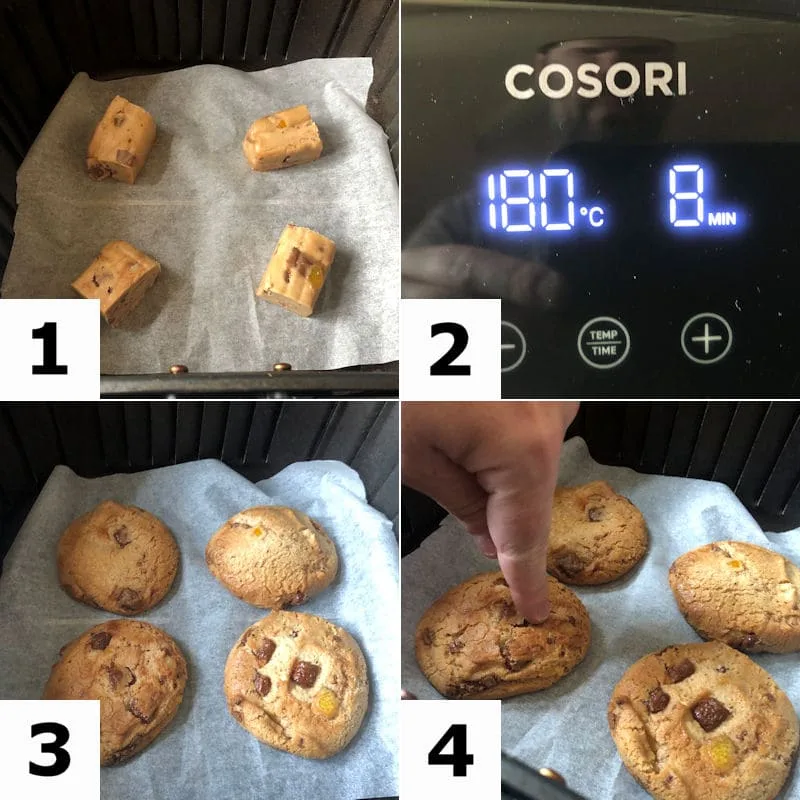
Image source: Web (Bing) / aiirfryer.com (Web image (fair-use with source credit))
The Real Problem: Why Cookie Dough in an Air Fryer Is Tricky
Here’s the thing. Air fryers are designed for crispy food, not delicate baked goods. The intense fan circulation that makes french fries perfect also pushes cookie dough around.
It can flatten your cookies into thin, lacy puddles. It can burn the bottom while the top stays raw. And if you’ve got a small basket, you’re limited to two or three cookies per batch.
That’s why most people fail on their first try. They use oven temperatures and oven timings, then wonder why everything went wrong. The physics are different.
The airflow is stronger. The cooking chamber is smaller. So the rules change.
If you’ve got raw dough, you need to think small. If you’ve got frozen dough, you need to think slower. If you’ve got a tiny basket, you need to think in batches.
The variables stack up quickly.
That’s exactly why this guide exists. We’ll walk you through each branch of the decision tree so you know what to do before you turn on the machine.
Quick Answer
Yes, you can cook cookie dough in an air fryer. Use 300°F to 350°F. Cook fresh dough for 5 to 10 minutes.
Cook frozen dough for 8 to 12 minutes. Check doneness at the minimum time. Let cookies cool before handling.
The Core Variables That Change Everything
Before you scoop a single ball of dough, you need to answer three questions. Each one changes your cooking strategy.
Dough Type: Fresh, Frozen, or Homemade
Fresh store-bought dough behaves differently than frozen dough. Homemade dough introduces another set of variables, like moisture content and leavening strength.
Fresh dough spreads more in the air fryer because the butter is soft. Frozen dough holds its shape longer, which means thicker cookies. Homemade dough can be customized, but it also needs more careful portion control.
Here’s a quick breakdown:
| Dough Type | Spreading Risk | Recommended Temp | Suggested Time |
|---|---|---|---|
| Fresh store-bought | High | 325°F | 6-9 minutes |
| Frozen store-bought | Low | 300°F | 8-12 minutes |
| Homemade (chilled) | Medium | 325°F | 7-10 minutes |
Air Fryer Size: Basket vs. Oven-Style
Basket-style air fryers are the most common. They hold between 2 and 6 quarts. That sounds like a lot, but the usable cooking surface is smaller than you think.
Oven-style air fryers work more like a traditional convection oven. They have racks and more flat surface area. That means you can bake more cookies at once.
But they’re slower to preheat and take up more counter space.
For basket models, you’re usually limited to 2 to 4 cookies per batch. For oven styles, you can often fit 6 to 9 small cookies on a single tray.
Batch Size: Why Smaller Isn’t Just Easier, It’s Better
Here’s a counterintuitive tip. Smaller batches actually produce better results in an air fryer. Overcrowding the basket blocks airflow.
That leads to uneven browning and doughy centers.
You want at least an inch of space between each cookie. That gives the hot air room to circulate. If you’re cooking for one or two people, that’s fine.
If you’re baking for a crowd, this method will test your patience.
How Air Fryer Baking Actually Works (and Why It’s Different From an Oven)
An air fryer is basically a small convection oven with a powerful fan. It circulates hot air at high speed. This transfers heat faster than still air in a conventional oven.
For cookies, that’s a double-edged sword. The rapid heat creates crispy edges quickly. It also sets the outside structure before the inside finishes baking.
That’s why you can get a firm exterior with a soft, chewy center.
But there’s a downside. The bottom of the basket gets more direct heat than the top. Combine that with strong airflow, and you’ll often get burnt bottoms before the tops look done.
That’s why temperature matters more than time. Lower temperatures like 300°F to 325°F give the inside a chance to cook before the outside burns.
Why the Top and Bottom Cook at Different Speeds
Think about how your air fryer works. The heating element sits at the top. The fan blows that hot air downward.
The basket floor absorbs heat too. So the bottom of your cookie gets heat from direct contact with the basket.
The top gets heat from the circulating air. That air moves fast, but it also cools down as it passes over the dough. The result is a temperature difference between the two surfaces.
You can manage this in a few ways. Flip the cookies halfway through if they look like they’re browning unevenly. Use a parchment liner to reduce direct bottom heat.
Or simply keep your cookies small and thin.
The Step-by-Step Guide: Perfect Air Fryer Cookies From Fresh Dough
Now let’s put this into practice. Here’s the exact workflow for fresh cookie dough, whether it’s from a tub or a break-and-bake package.
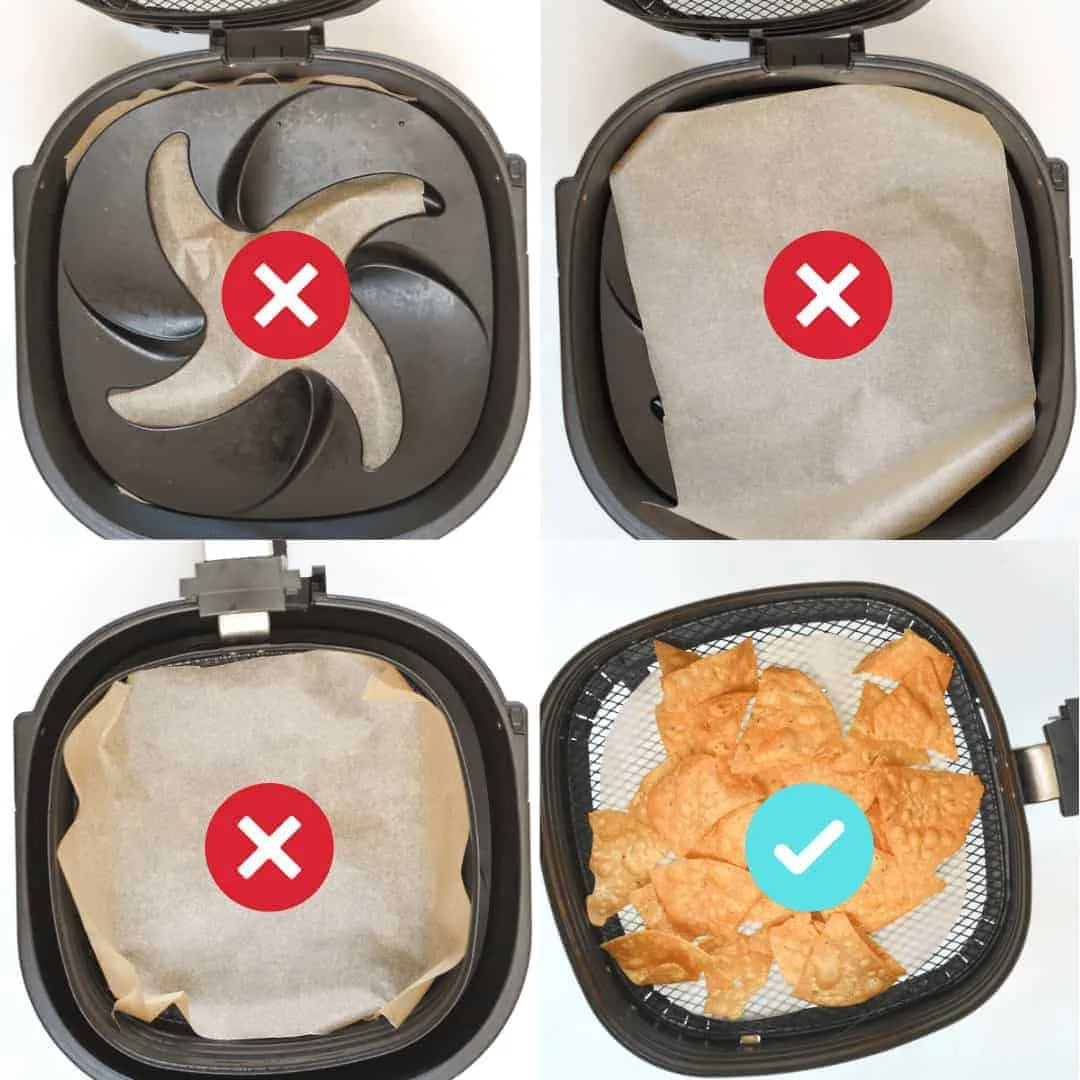
Image source: Web (Bing) / airfryerattiffanys.com (Web image (fair-use with source credit))
Step 1: Preheat Your Air Fryer
Most air fryers need 2 to 3 minutes to preheat. Don’t skip this. Starting cold means your cookies will spread more before the heat kicks in.
If your model doesn’t have a preheat button, just run it empty at your target temperature for 2 minutes.
Step 2: Shape Small, Uniform Dough Balls
Use a cookie scoop or a spoon to portion the dough. Each ball should be about 1 to 2 tablespoons. That’s roughly the size of a ping-pong ball.
Keep them uniform. If one ball is bigger than the others, it won’t cook at the same rate. That’s how you end up with some burnt cookies and some raw ones.
Step 3: Flatten Slightly
Press each dough ball down gently with your palm. You want them about 1/2-inch thick. Air fryers cook from the outside in.
A flat, even disc cooks more consistently than a tall ball.
Step 4: Space Them Out
Place 2 to 4 cookies in the basket. Leave at least an inch of space between them. If you’re using a parchment liner, make sure it’s weighted down at the edges so it doesn’t blow around and hit the heating element.
Step 5: Cook at 325°F for 6 to 9 Minutes
Start checking at the 6-minute mark. The edges should look golden brown. The centers may look slightly underdone.
That’s fine, they’ll continue cooking as they cool.
Step 6: Cool Before Handling
Use tongs or a spatula to transfer the cookies to a wire rack. They’re fragile right out of the fryer. Give them 2 to 3 minutes to set up, or they’ll crumble in your hands.
If you’re cooking another batch, let the air fryer return to temperature for 1 to 2 minutes before loading the next round. That keeps your timing consistent.
The Frozen Dough Branch: How to Adjust Time and Temperature
Frozen cookie dough is actually the easiest place to start. It holds its shape better than fresh dough, so you get thicker, more bakery-style cookies.
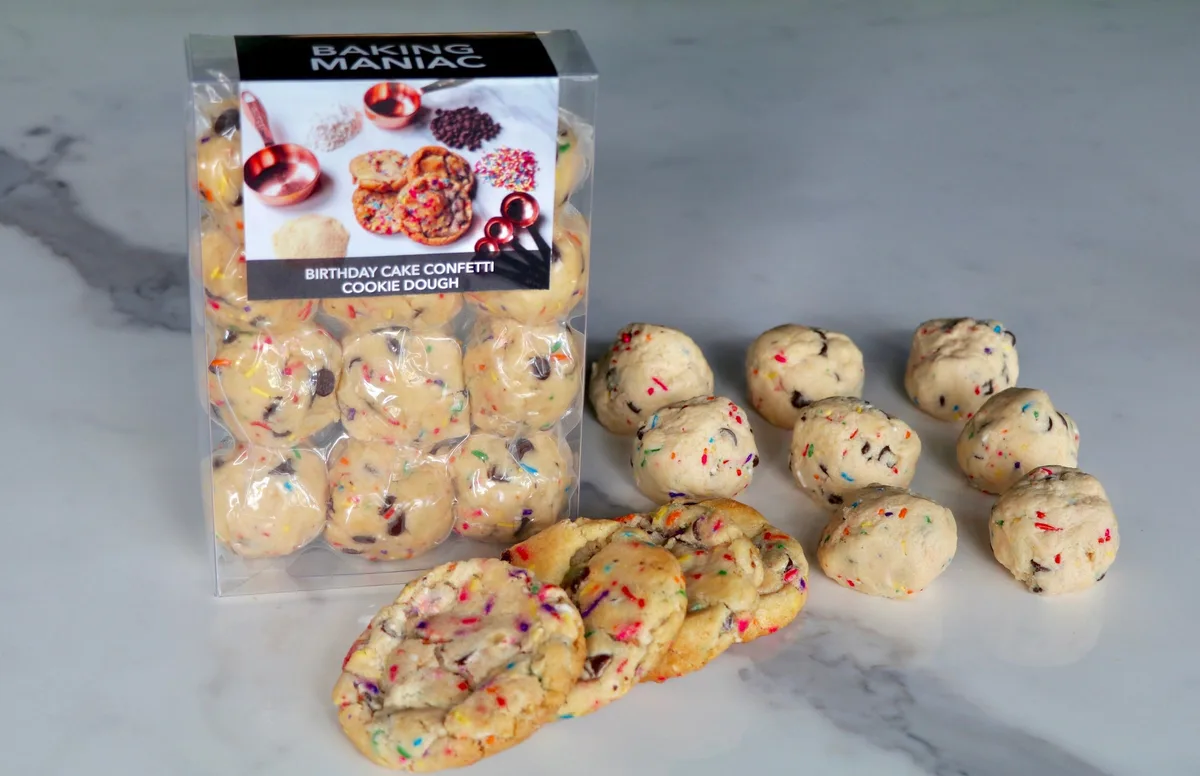
Image source: Web (Bing) / bakingmaniachk.com (Web image (fair-use with source credit))
The key difference is time. Frozen dough needs about 8 to 12 minutes at 300°F to 325°F. Don’t thaw it first.
Thawed frozen dough turns into a sticky mess that spreads everywhere.
Aggregate user reviews consistently report the same pattern. The outside gets golden brown around the 8-minute mark. The center stays soft and slightly underdone.
That’s actually perfect. The residual heat finishes the inside.
One tip: check at 8 minutes for smaller dough balls, 10 minutes for larger ones. If you’re using a basket-style fryer, flip the cookies halfway through. It helps the bottoms brown evenly with the tops.
The Homemade Dough Branch: When It’s Worth the Extra Care
Homemade dough gives you control, but it also demands more attention. The biggest issue is spreading. Homemade dough often has more butter and moisture than store-bought versions.
That means it spreads faster in the intense heat.
Chill your dough for at least 30 minutes before air frying. Cold butter holds its shape better. This one step prevents most spreading problems.
You also need to watch portion sizes. Homemade dough balls should be smaller than you think. Aim for 1 tablespoon per cookie.
That’s roughly half the size of a typical scoop.
The other consideration is flour safety. Raw flour can carry bacteria like E. coli. If you’re baking dough that contains raw flour, it needs to reach a safe internal temperature.
That means cooking it thoroughly, not just until the edges look done.
Air Fryer Size Dilemmas: Small Basket vs. Full-Size Oven-Style
Your equipment determines your strategy. Basket-style air fryers hold 2 to 6 quarts. Oven-style units work like mini convection ovens with multiple racks.
| Air Fryer Type | Typical Capacity | Cookies Per Batch | Best For |
|---|---|---|---|
| Basket-style (2-4 qt) | 2-3 small cookies | Quick single servings | |
| Basket-style (5-6 qt) | 3-4 cookies | Small households | |
| Oven-style | 6-9 cookies | Families, batch baking |
If you have a small basket, expect to cook in rounds. Let the fryer return to temperature for a minute or two between batches. This keeps your cooking times consistent.
Oven-style models are better for bigger batches. But they take longer to preheat. They also have more surface area, so cookies spread slightly more.
Use the lower temperature range, around 300°F, to keep them thick.
Troubleshooting: Why Your Cookies Turned Out Wrong (and How to Fix It)
Let’s be real. First attempts often fail. Here’s what usually goes wrong and how to fix it.
| Problem | Likely Cause | Fix |
|---|---|---|
| Burnt bottoms | Too much direct heat | Use parchment liner, lower temp |
| Doughy centers | Temperature too high | Cook at 300°F, add 1-2 minutes |
| Thin, lacy cookies | Dough too warm | Chill dough before cooking |
| Cookies blowing around | Strong fan circulation | Flatten dough, use liner |
| Sticking to basket | No non-stick surface | Lightly spray basket, use liner |
Why Your Cookies Spread Into Thin Puddles
Fresh, warm dough spreads fast in an air fryer. The convection heat hits the surface quickly, melting the butter before the structure sets. Fix this by chilling the dough for 15 to 30 minutes before cooking.
Why the Bottom Burns Before the Top Cooks
The basket floor gets direct heat while the top only gets circulated air. That’s the fundamental problem. Use a parchment paper liner to insulate the bottom, or flip the cookies halfway through.
Mistakes Most People Make on Their First Try
Everyone makes these mistakes. Avoid them and you’ll skip the disappointment.
Using oven temperatures. Air fryers cook hotter and faster than regular ovens. Stick to 300°F to 325°F. Anything above 350°F will burn the outside before the inside sets.
Overcrowding the basket. More cookies means less airflow. That leads to uneven cooking. Keep at least an inch between each dough ball.
Skipping the preheat. A cold air fryer lets dough spread before heat kicks in. Always preheat for 2 to 3 minutes.
Forgetting about paper liners. Parchment paper can fly up in a strong fan. If you use one, make sure it’s cut to fit the basket and weighted down with the dough balls themselves.
Opening the basket constantly. Every time you peek, you release heat. That extends cooking time and messes with results. Trust the timer and check once at the minimum time.
Stick to these fixes and you’ll get consistent cookies. The ones that come out crispy on the edges, soft in the middle, and actually taste like they came from an oven.
How Air Fryer Cookies Compare to Oven-Baked Cookies
Honestly? Oven-baked cookies are still the gold standard. They bake evenly, spread naturally, and you can make a full batch at once.
But air fryer cookies win when you want speed and a single serving.
| Factor | Air Fryer | Conventional Oven |
|---|---|---|
| Preheat time | 2-3 minutes | 10-15 minutes |
| Cookies per batch | 2-4 | 12-24 |
| Texture | Crispy edges, chewy center | Even, uniform |
| Energy use | Lower | Higher |
| Best for | Small batches, quick cravings | Full batches, entertaining |
If you want thick, bakery-style cookies with soft centers, use the oven. If you want two cookies in under 10 minutes, fire up the air fryer. Both have a place in your kitchen.
Food Safety You Shouldn’t Skip
Here’s where a lot of people tune out. Don’t. Raw cookie dough carries real risks.
The USDA reports that raw flour can be contaminated with E. coli. Raw eggs can carry Salmonella. Both can cause serious food poisoning.
That’s why internal temperature matters. The USDA recommends cooking egg-based dishes to 160°F. For cookie dough that includes raw flour, aiming for 165°F gives you a safety buffer.
Use an instant-read thermometer to check the center of your cookie. If it reads below 160°F, put it back in for another minute.
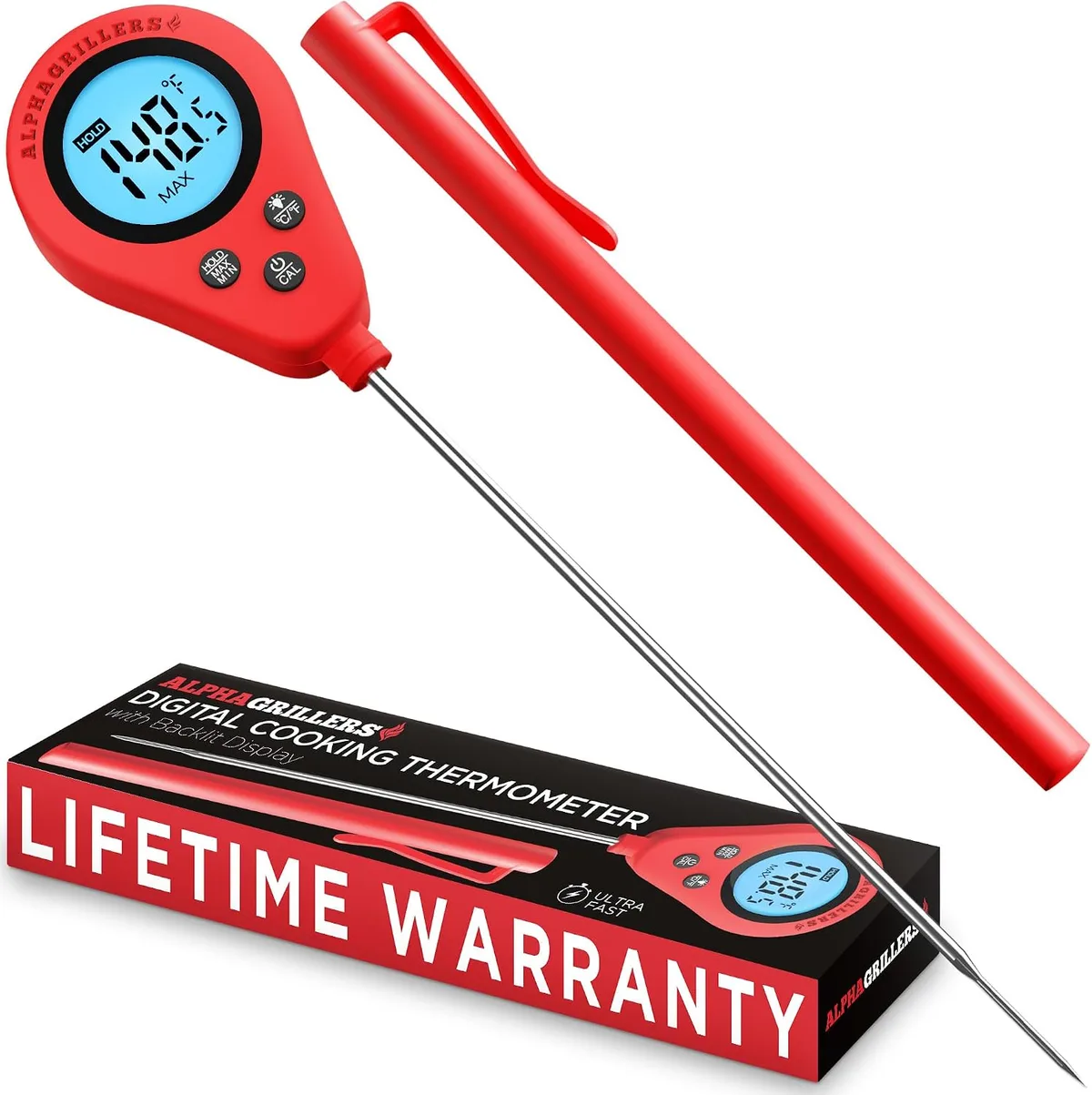
Image source: Web (Bing) / amazon.com (Web image (fair-use with source credit))
There’s also the parchment paper issue. Air fryer fans are strong. A bare paper liner can fly up and touch the heating element.
That’s a fire risk. Always weight the liner down with dough balls or cut it to fit snugly.
Pro Tips for Better Results Every Time
These five tweaks will improve every batch.
- Chill your dough. Cold dough spreads less and bakes up thicker.
- Use an instant-read thermometer to check internal temperature.
- Flip cookies halfway through to prevent burnt bottoms.
- Trust the minimum time. Air fryers cook fast. Check at 5 or 6 minutes, not 10.
- Let cookies rest in the basket for 2 minutes before moving them. They finish setting up while cooling.
Real Scenarios: What Actually Happens in Different Situations
The Dorm Room Setup
You’ve got a 2-quart basket fryer and one tub of dough. Expect 2 small cookies per batch. Total time, from preheat to plate, is about 12 minutes.
It’s not ideal, but it beats a dorm kitchen with no oven.
The Family Kitchen
An oven-style air fryer can fit 6 to 9 cookies. That’s closer to a real batch. But it might have hot spots.
Rotate the basket or tray halfway through for even browning.
The Midnight Craving
You grab 3 frozen dough balls straight from the bag. No thawing. Set the air fryer to 300°F and walk away for 10 minutes.
That’s the easiest win.
FAQs: Quick Questions, Straight Answers
Can I use parchment paper in an air fryer?
Yes, but you have to keep it anchored. Cut the paper to fit the basket exactly and place the dough balls on top to hold it in place. Bare parchment can blow into the heating element and catch fire.
Use a liner instead.
Why do my cookies burn on the bottom?
The basket floor receives direct heat while the top only gets circulated air. This creates a temperature gap between the two surfaces. Lower the temperature to 300°F, use a parchment liner, or flip the cookies halfway through.
Any of these fixes will help.
Can I put frozen cookie dough in an air fryer?
Absolutely, and you don’t need to thaw it first. Frozen dough holds its shape better than fresh, which means thicker cookies. Cook frozen dough at 300°F for 8 to 12 minutes.
Check at the 8-minute mark for smaller dough balls.
What temperature should I set an air fryer for cookies?
Use 300°F to 325°F. Anything above 350°F will burn the outside before the middle sets. Fresh dough does better at 325°F.
Frozen dough does better at 300°F. This range matches what most manufacturer manuals recommend.
The Final Decision Guide: Should You Air Fry Your Cookie Dough?
Yes, air frying cookie dough is worth it when you need a quick, small batch. It’s not the best choice for baking a dozen cookies for a party. Choose based on your situation.
- If you want 2 to 4 cookies in under 15 minutes, use an air fryer.
- If you’re baking for a crowd, use a conventional oven.
- If your dough is frozen, air fry at 300°F for 8 to 12 minutes.
- If your dough is fresh, chill it first and cook at 325°F for 6 to 9 minutes.
- If you care about thick, evenly baked cookies, the oven wins.
The air fryer is a tool, not a replacement for your oven. It shines when you want speed, efficiency, and a single sweet fix. Keep your expectations realistic, follow the temperature and time ranges, and you’ll get a decent cookie every time.
Start at the lower end of the time range and check often. That’s the whole secret.