Skip to content
Ever stared at your sandwich maker and wondered if you could use it for more than just grilled cheese? You’re not alone. Many people look for ways to cook quick, easy meals with simple appliances. If you’ve asked yourself, “Can you cook eggs in a sandwich maker?
”—the answer is yes. In fact, sandwich makers can help you whip up tasty egg dishes with minimal mess. But there are tricks and tips you should know before starting. Let’s explore the possibilities, challenges, and step-by-step methods for cooking eggs in a sandwich maker.
How Sandwich Makers Work
Sandwich makers, sometimes called sandwich presses or toastie makers, use electric heating plates to cook food between two hot surfaces. Most models close tightly, pressing the ingredients between heated plates. This design makes them perfect for toasting bread, melting cheese, and—surprisingly—cooking eggs.
The plates usually have a nonstick coating, so food doesn’t stick and cleanup is simple. Most sandwich makers heat up in 2–5 minutes and reach temperatures between 300–400°F (150–200°C). This is hot enough to cook eggs safely.
Types Of Eggs You Can Cook In A Sandwich Maker
Not all egg styles work equally well. Here’s what you can make, and what’s best avoided.
| Egg Style | Sandwich Maker Compatibility | Notes |
|---|---|---|
| Fried Eggs | Excellent | Quick and even cooking |
| Omelets | Very Good | Works with fillings |
| Scrambled Eggs | Good | Needs careful stirring |
| Boiled Eggs | Poor | Not recommended |
| Poached Eggs | Fair | Possible with a hack |
You’ll get the best results with fried eggs and omelets. Scrambled eggs are possible, but you need to open the lid and move them around. Boiled eggs require water and steam, which most sandwich makers aren’t designed for.
Step-by-step: Cooking Eggs In A Sandwich Maker
Let’s break down the process for the two most popular styles: fried eggs and omelets.
How To Fry Eggs In A Sandwich Maker
- Preheat the sandwich maker for about 3–4 minutes. Wait for the indicator light to show it’s ready.
- Grease the plates with a little oil or butter. Use a brush or paper towel to coat the surface. This stops sticking and makes eggs taste better.
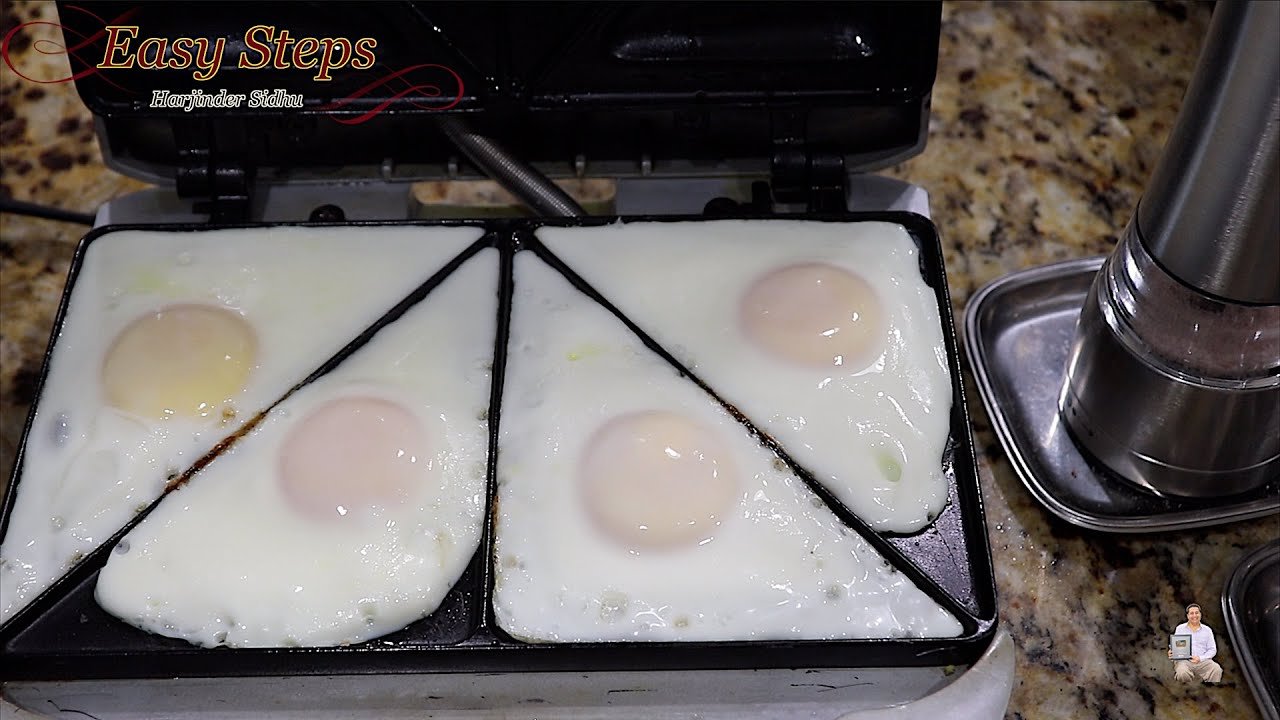
- Crack an egg directly onto the lower plate. If your sandwich maker has triangle shapes, place the egg in the center of one section.
- Close the lid gently—don’t press down hard. Let the egg cook for 2–3 minutes.
- Check for doneness. Open the lid. The egg white should be set, and the yolk can be left runny or cooked through, depending on your taste. For a firmer yolk, cook 1–2 minutes longer.
- Remove the egg with a non-metal spatula to avoid scratching the nonstick surface.
How To Make Omelets In A Sandwich Maker
- Beat 2 eggs in a bowl. Add salt, pepper, and your favorite fillings (like cheese, tomatoes, or ham).
- Preheat and grease the sandwich maker as above.
- Pour the egg mixture onto the plate. Don’t overfill—leave room for the omelet to puff up.
- Close the lid and cook for 3–5 minutes.
- Check if the omelet is set. If the top is still runny, close the lid for 30–60 seconds more.
- Lift out the omelet with a silicone spatula.
Tips For Scrambled Eggs
You can scramble eggs in a sandwich maker, but it’s tricky. Pour beaten eggs onto the greased plate, then open the lid every 30 seconds and gently move the eggs with a heatproof spatula. Close the lid and repeat until cooked.
It’s more hands-on, but it works in a pinch.
Practical Tips For Best Results
Cooking eggs in a sandwich maker is simple, but these tips make it easier and tastier.
- Use a little oil or butter. Even nonstick plates can stick with eggs, especially if you skip the fat.
- Don’t overfill. Eggs puff up as they cook. Too much egg spills over the sides and makes cleaning harder.
- Add fillings sparingly. Too many vegetables or cheese can leak and burn.
- Let eggs rest for 1 minute after cooking. This helps them set and makes removal easier.
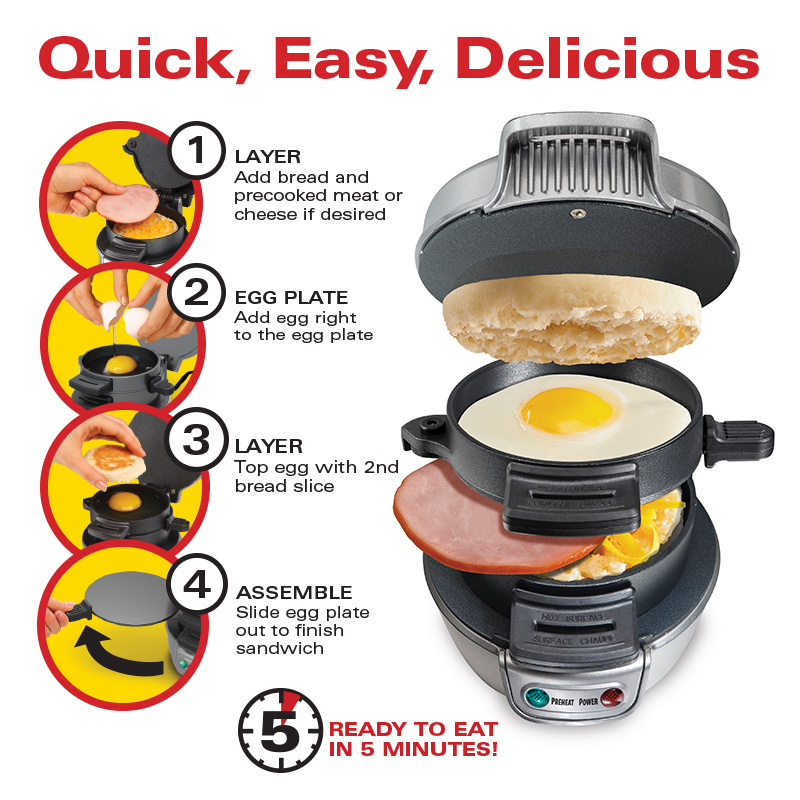
A common beginner mistake is lifting the lid too often. Every time you open the sandwich maker, heat escapes, and eggs cook unevenly. Try to check only once near the end.
Credit: hamiltonbeach.com
Cleaning Up After Cooking Eggs
Eggs can leave residue, but cleaning is easy if you act fast.
- Unplug the sandwich maker and let it cool slightly (but not completely).
- Wipe the plates with a damp cloth or paper towel while still warm. This removes most residue.
- For stubborn bits, use a soft brush or sponge. Never use metal scrubbers, or you’ll damage the nonstick coating.
- Avoid submerging the whole unit in water. Wipe with a damp cloth around the edges.
If you spill a lot of egg, sprinkle a little water onto the mess and close the lid for 30 seconds. The steam loosens dried-on bits, making them easier to wipe off.
Pros And Cons Of Cooking Eggs In A Sandwich Maker
Let’s compare the main benefits and drawbacks.
| Pros | Cons |
|---|---|
| Quick cooking (2–5 mins) | Limited space—can’t cook for a crowd |
| Easy cleanup | Eggs can overflow if overfilled |
| Great for dorms or small kitchens | No temperature control |
| Works for fried eggs, omelets, sandwiches | Not suitable for boiled or soft-poached eggs |
A non-obvious advantage: sandwich makers use less energy than stovetops. If you’re in a hurry, you can cook an egg in less time than it takes to heat a frying pan.
But don’t expect restaurant-quality results. The eggs might look a little square or wedge-shaped, and the texture is slightly firmer than pan-fried eggs.
Credit: www.youtube.com
Can You Cook Eggs With Bread In A Sandwich Maker?
Yes, and it’s one of the best features. You can crack an egg between two slices of bread to make an egg sandwich in just a few minutes.
Here’s how:
- Butter two slices of bread.
- Place one slice, butter side down, on the sandwich maker plate.
- Crack an egg onto the bread. Poke the yolk if you want it more cooked.
- Top with cheese, ham, or tomato.
- Cover with the second slice, butter side up.
- Close the lid and cook for 4–5 minutes until the bread is golden and the egg is cooked through.
This method is perfect for a quick breakfast or snack, and you can customize it with your favorite flavors.
You can also read: How to Store a Sandwich Maker
Creative Egg Recipes In A Sandwich Maker
If you want to get creative, try these ideas:
- Mini egg muffins: Mix egg, cheese, and veggies. Pour into the sandwich maker’s wells and cook until set.
- Egg and spinach pockets: Add chopped spinach and feta to your omelet mix.
- Breakfast quesadilla: Place a tortilla, add scrambled eggs and salsa, top with another tortilla, and press.
Remember, the key is not to overfill and to grease the plates well.

Credit: au.lifestyle.yahoo.com
Safety Tips And Common Mistakes
Cooking eggs in a sandwich maker is safe if you follow a few basic rules:
- Never use metal utensils on the plates, or you’ll scratch the nonstick coating.
- Don’t leave eggs unattended. They cook fast and can burn quickly.
- Let the appliance cool down before cleaning to avoid burns.
- Avoid adding too much liquid. If you add milk or water to eggs, keep it minimal or it will spill.
A mistake many people make is forgetting to preheat the sandwich maker. If you add eggs to a cold plate, they stick and cook unevenly. Always wait for the “ready” light before starting.
How Does Cooking Eggs In A Sandwich Maker Compare To Other Methods?
Let’s see how the sandwich maker stacks up against other egg-cooking appliances.
| Method | Cooking Time | Cleanup | Texture |
|---|---|---|---|
| Sandwich Maker | 2–5 mins | Easy | Firm, compact |
| Frying Pan | 3–6 mins | Moderate | Softer, more control |
| Microwave | 1–3 mins | Easy | Can be rubbery |
| Electric Egg Cooker | 5–10 mins | Easy | Fluffy, moist |
The sandwich maker is a great middle ground: faster than an electric egg cooker, less messy than a pan, and less likely to make rubbery eggs than a microwave.
Is It Safe To Cook Eggs In All Sandwich Makers?
Most modern sandwich makers are safe for eggs, but there are a few exceptions:
- Check the manual. Some models warn against using raw eggs or liquids, as spills can damage electrical parts.
- Avoid old or damaged sandwich makers. If the nonstick coating is scratched, chemicals can leach into your food.
- Don’t use spray oils (like PAM) unless the manual says it’s okay. Aerosol sprays can damage nonstick surfaces over time.
If you’re unsure, look up your model on the official website or check for tips on trusted sources like Wikipedia.
Frequently Asked Questions
Can I Cook An Egg Without Bread In A Sandwich Maker?
Yes, you can cook eggs directly on the greased plates. Just crack the egg in and close the lid. For best results, use a little oil or butter and avoid overfilling.
Will The Egg Stick To The Sandwich Maker Plates?
If you grease the plates before cooking, eggs should not stick. However, if you forget this step or use a scratched sandwich maker, some sticking can happen. Always use a nonstick-safe spatula to remove eggs.
How Do I Know When The Egg Is Cooked?
Most eggs cook in 2–5 minutes. The white should be fully set and not runny. If you like your yolk soft, check after 2 minutes. For a firmer yolk, cook longer. It’s okay to lift the lid once to check.
Is It Safe To Add Vegetables Or Cheese To Eggs In A Sandwich Maker?
Yes, but use small amounts. Too many fillings can spill and burn. Chop vegetables finely and sprinkle cheese evenly for best results.
Can I Cook Multiple Eggs At Once?
You can cook 2–3 eggs at once, but don’t fill the plates to the top. Eggs puff up and can overflow. For larger batches, cook in rounds and wipe the plates between uses.
Cooking eggs in a sandwich maker is not only possible, but also fun and practical. With a little practice, you’ll find your favorite method and maybe invent a few new recipes. Whether you want a quick breakfast or a simple snack, your sandwich maker can do more than you think.