Lots of people wonder, Can you cook frozen battered fish without it sticking. It can seem tricky at first. You might worry about the fish breaking apart or the coating getting mushy.
But don’t worry! It’s actually quite simple once you know a few tricks. We’ll walk you through it step by step.
Get ready for perfectly crispy fish every time.
Key Takeaways
- Frozen battered fish can be cooked successfully without sticking.
- Proper preheating of the cooking surface is essential.
- Using the right type and amount of fat helps prevent sticking.
- Following specific cooking times and temperatures ensures crispiness.
- Flipping the fish gently at the right moment is key.
- Allowing the fish to rest after cooking improves texture.
Cooking Frozen Battered Fish Without Sticking
Many home cooks face the common problem of their frozen battered fish sticking to the pan or baking sheet. This often happens because the cooking surface isn’t hot enough when the fish is added, or there isn’t enough protection between the fish and the heat. The ice within the frozen fish can also create steam, making the coating less crisp and more likely to adhere.
When the batter is too wet or not properly cooked through, it can become gummy and stick. These issues can be frustrating, leading to broken pieces and a less-than-appetizing meal. This section will explain how to avoid these pitfalls and achieve that perfect, non-stick finish.
The Science Behind Sticking
Sticking happens when food makes direct contact with a surface at a molecular level. Protein and starch in the food can form bonds with the metal of your pan, especially when heat is applied. For frozen battered fish, the ice crystals within the batter and the fish itself create a barrier that, if not managed correctly, can lead to a soggy surface.
This soggy surface is more prone to sticking. When the batter is cold and hits a not-quite-hot-enough surface, it doesn’t immediately start to cook and crisp up. Instead, it can become watery, and the raw batter ingredients then have more direct contact with the pan.
This creates a sticky mess that is hard to salvage.
Fat plays a crucial role in preventing sticking. Fat acts as a lubricant, creating a barrier between the food and the cooking surface. When cooking frozen battered fish, the fat in the cooking oil or the non-stick coating on your pan helps to stop those molecular bonds from forming.
A well-heated pan with sufficient fat allows the batter to quickly begin to crisp, forming a protective layer. This crisp layer then acts as insulation, preventing the fish itself from sticking. Without adequate fat or proper heat, the delicate batter can easily seize up and adhere to the pan.
Why Preheating Matters So Much
Preheating your cooking surface is perhaps the single most important step in preventing frozen battered fish from sticking. Imagine adding frozen food to a cold pan. The rapid cooling effect of the frozen fish on the pan surface is significant.
This drop in temperature prevents the batter from searing and forming that crucial crispy crust. Instead, the batter just sits there, getting soggy. A properly preheated pan, whether it’s a skillet or a baking sheet, means the surface is already hot enough to instantly start cooking the batter on contact.
This quick cooking seals the outside, creating a non-stick barrier.
Think of it like this: if you were to paint a damp wall, the paint wouldn’t adhere well. The same principle applies to cooking. You need a dry, hot surface for the batter to properly bond and crisp.
Preheating ensures that when the frozen fish touches the pan, the heat transfer is immediate and effective. This is true for both stovetop frying and oven baking. An oven that hasn’t reached its set temperature won’t provide consistent heat, and a baking sheet that hasn’t warmed up will behave much like a cold frying pan.
Patience with the preheating process pays off in crispy, non-stick fish.
Choosing the Right Cooking Method
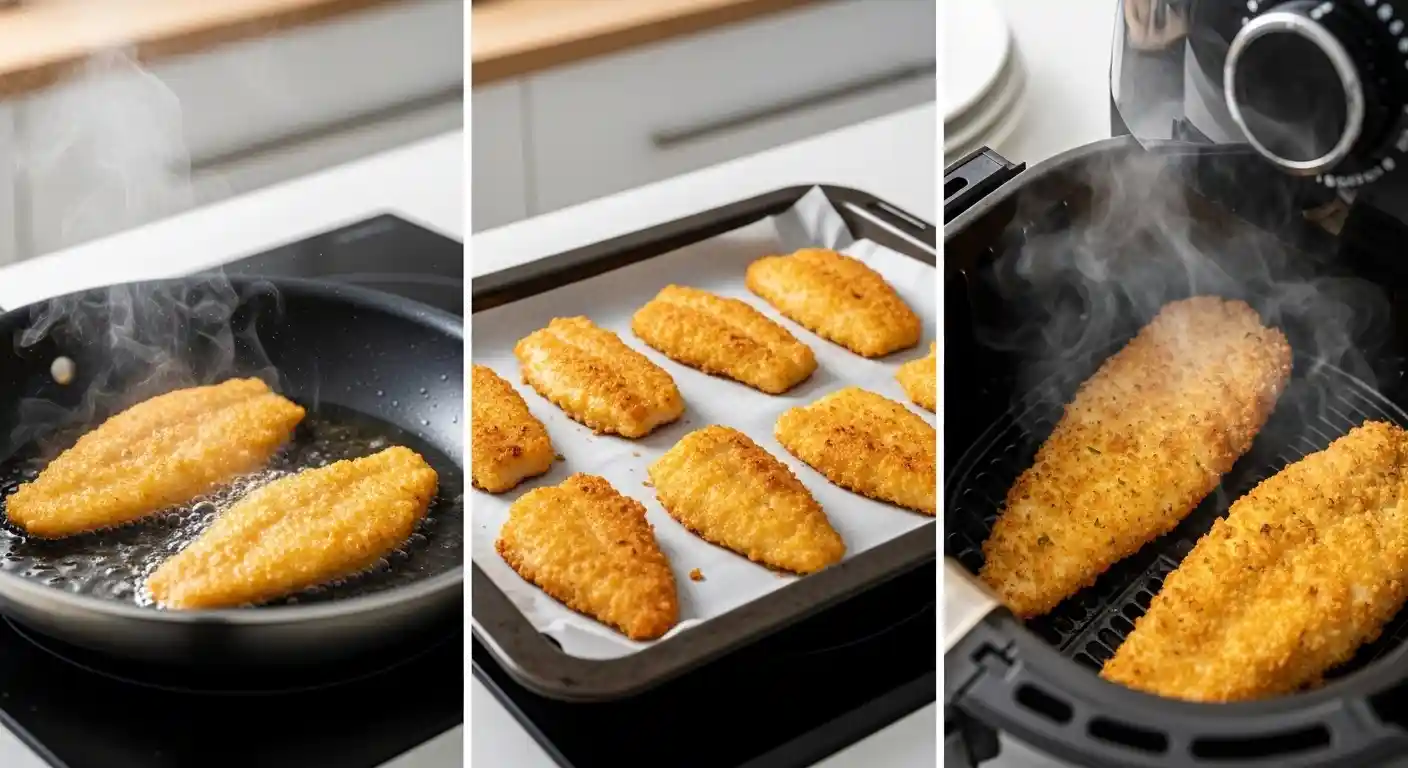
There are several ways to cook frozen battered fish, and each has its own advantages for preventing sticking. The most common methods are pan-frying, oven-baking, and air-frying. Pan-frying often gives the crispiest results, but it requires careful attention to oil temperature and can be prone to sticking if not done right.
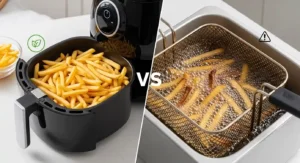
Oven-baking is generally more forgiving and less messy, making it a popular choice for beginners. Air-frying is a newer method that uses circulating hot air to cook food, offering a crispy texture with less oil and a reduced chance of sticking.
For pan-frying, a good quality non-stick skillet or a well-seasoned cast-iron pan is beneficial. You’ll need enough cooking oil to create a shallow layer that fries the fish. For oven-baking, using a baking sheet lined with parchment paper or a non-stick silicone mat is highly recommended.
This lining acts as a barrier. Air fryers typically have non-stick baskets that make sticking less of an issue. The choice of method often depends on your equipment and desired outcome.
Regardless of the method, the underlying principles of heat and fat remain consistent.
Best Practices for Non-Stick Results
Achieving perfectly cooked, non-stick frozen battered fish involves a combination of preparation and technique. It’s not about having fancy equipment, but rather about following a few key steps that ensure the batter cooks correctly and doesn’t grab onto your cooking surface. This means paying attention to the heat, the fat, and how you handle the fish from the moment it leaves the freezer.
By understanding these simple practices, you can confidently cook frozen battered fish every single time without the worry of it sticking and falling apart.
The Importance of Fat
Fat is your best friend when it comes to preventing food from sticking. For pan-frying, this means using an adequate amount of cooking oil. While you don’t want to deep-fry, a layer of oil about 1/4 to 1/2 inch deep is usually sufficient.
The oil should be heated to the correct temperature before you add the fish. Too little oil, and you risk sticking. Too much, and the fish can become greasy.
For oven-baking or air-frying, a light coating of cooking spray or a small amount of oil brushed onto the baking sheet or the fish itself can make a big difference.
Different types of fats have different smoke points, meaning they can withstand different levels of heat before they start to burn and smoke. For pan-frying, oils like vegetable oil, canola oil, or peanut oil are good choices because they have high smoke points and can handle the heat needed to crisp the fish. Olive oil can be used, but extra virgin olive oil has a lower smoke point and might burn more easily.
When using non-stick sprays, ensure they are evenly distributed. The fat coats the surface and the food, providing a slippery barrier.
- Use enough oil for pan-frying, about 1/4 to 1/2 inch deep.
This amount of oil allows the battered fish to fry evenly and develop a crispy exterior without burning. It also provides a sufficient buffer to prevent the batter from sticking to the pan.
- Lightly oil or spray your baking sheet or air fryer basket.
Even with non-stick surfaces, a little extra fat can prevent any unexpected sticking, especially with delicate battered items. This creates a reliable non-stick barrier.
- Choose oils with high smoke points for frying.
Oils like canola, vegetable, or peanut oil can handle the heat required for frying without breaking down and burning, which can lead to sticking and off-flavors.
Preheating Your Cooking Surface
As mentioned earlier, preheating is non-negotiable. For pan-frying, heat your oil over medium-high heat until it shimmers. You can test if the oil is ready by dropping a tiny piece of batter into it; it should sizzle immediately.
For oven-baking, preheat your oven to the recommended temperature, usually around 400-425°F (200-220°C). Let the baking sheet heat up in the oven for a few minutes before adding the fish. For air-frying, most units require preheating for about 3-5 minutes at the cooking temperature.
A common mistake is putting frozen fish into a cold pan or oven. This allows the ice to melt and the batter to become wet before it has a chance to cook and set. When the batter is wet, it clings to the surface.
A hot surface causes the water in the batter to evaporate rapidly, and the starch and flour proteins to cook and form a crisp crust. This crust is what prevents sticking and gives you that satisfying crunch. Always allow your cooking surface and fat ample time to reach the correct temperature.
- Preheat your skillet with oil before adding fish for frying.
A hot, shimmering oil is ready to instantly begin cooking the batter, preventing it from absorbing excess oil and becoming soggy or sticking.
- Preheat your oven with the baking sheet inside for baking.
This ensures that the baking sheet is hot when the fish is added, promoting immediate crisping and preventing adhesion to the sheet.
- Preheat your air fryer for optimal crisping.
Preheating the air fryer ensures that the circulating hot air is ready to cook the fish quickly and evenly, leading to a crispy exterior.
Handling the Fish Gently
Once your fish is cooked, handling it carefully is also important to prevent it from breaking apart or sticking. When using a spatula to flip the fish, slide it completely underneath the piece to support it. Avoid jabbing at it or trying to pry it loose if it feels slightly stuck; a gentle nudge should free it if everything is done correctly.
Don’t overcrowd your pan or baking sheet. Giving the fish pieces enough space allows hot air to circulate around them, promoting even cooking and crisping. Overcrowding can lead to steaming rather than frying, making the fish more likely to stick.
After cooking, let the fish rest for a minute or two on a wire rack. This allows the steam to escape and the crust to become even crispier. If you place hot, crispy fish directly onto a solid plate, the steam trapped underneath can make the bottom soggy and potentially lead to some sticking to the plate.
A wire rack allows air to circulate, maintaining crispness on all sides. This resting period is brief but impactful for texture and presentation.
- Use a wide spatula to support the fish when flipping.
A spatula that is large enough to cover the entire piece of fish provides stability, minimizing the risk of it breaking or tearing while being turned.
- Allow space between fish pieces on the cooking surface.
Adequate spacing ensures that heat and air circulate freely around each piece, promoting even browning and crisping, and reducing the likelihood of sticking.
- Rest cooked fish on a wire rack.
This allows excess moisture to escape, keeping the bottom crust crisp and preventing it from becoming soggy and sticking to the plate.
Methods for Cooking Frozen Battered Fish
Choosing the right cooking method can significantly influence how well your frozen battered fish turns out, especially concerning sticking. Each method has its nuances, and understanding them will help you select the best approach for your kitchen and your preferences. We will explore pan-frying, oven-baking, and air-frying in detail, highlighting how to achieve that perfect, non-stick, crispy result with each.
Pan-Frying for Maximum Crispiness
Pan-frying is often considered the gold standard for achieving intensely crispy battered fish. This method involves cooking the fish in a hot oil in a skillet. The key here is controlling the oil temperature and ensuring you use enough oil.
The high heat of the oil causes the batter to rapidly cook and crisp up, forming a barrier that seals the fish and prevents it from sticking to the pan. When done correctly, you get a golden-brown, crunchy exterior.
To avoid sticking when pan-frying, start by heating your skillet over medium-high heat. Add enough cooking oil, such as canola or vegetable oil, to cover the bottom of the pan by about 1/4 to 1/2 inch. Let the oil heat up until it shimmers; a small piece of batter dropped into the oil should sizzle immediately.
Carefully place the frozen battered fish into the hot oil, making sure not to overcrowd the pan. Cook for about 4-6 minutes per side, or until golden brown and cooked through. Use a thin, flexible spatula to gently flip the fish.
If it resists, give it another minute; it will likely release easily once properly crisped.
Pan-Frying Steps
- Preheat a heavy-bottomed skillet over medium-high heat.
- Add about 1/4 to 1/2 inch of cooking oil (canola, vegetable) to the skillet.
- Heat the oil until it shimmers and a tiny piece of batter sizzles instantly.
- Carefully place frozen battered fish into the hot oil, leaving space between pieces.
- Fry for 4-6 minutes per side, until golden brown and cooked through.
- Gently flip with a flexible spatula.
- Remove fish and drain on a wire rack.
Pan-Frying Considerations
- Oil Temperature: Maintaining the correct oil temperature is crucial. Too low, and the fish becomes greasy and may stick. Too high, and the batter burns before the fish is cooked.
A thermometer can be helpful, or the ‘sizzle test’ with a bit of batter will indicate readiness. The ideal temperature is typically between 350-375°F (175-190°C).
- Not Overcrowding the Pan: This is a common mistake that lowers the oil temperature and causes the fish to steam rather than fry.
Overcrowding also makes it harder to flip the fish without touching adjacent pieces, increasing the risk of breakage and sticking. Cook in batches if necessary.
- Type of Pan: A good quality non-stick skillet or a well-seasoned cast iron pan is recommended for pan-frying.
These surfaces distribute heat evenly and have inherent non-stick properties that help prevent adherence.
Oven-Baking for Simplicity and Health
Oven-baking is a fantastic alternative for those seeking a healthier option with less mess. It’s also very beginner-friendly. The key to successful non-stick oven-baked battered fish is using a well-prepared baking sheet and ensuring the oven is hot enough.
Parchment paper or a silicone baking mat is your best friend here, acting as a physical barrier that prevents the batter from touching the metal directly.
To oven-bake, preheat your oven to 400-425°F (200-220°C). Line a baking sheet with parchment paper or a silicone baking mat. You can lightly spray the parchment or mat with cooking spray for extra insurance, though it’s often not necessary.
Arrange the frozen battered fish in a single layer on the prepared baking sheet, ensuring there’s space between each piece. Bake for about 18-25 minutes, flipping halfway through, until the fish is golden brown and the batter is crispy. The parchment paper will prevent any sticking, and the fish should lift off easily.
Oven-Baking Steps
- Preheat oven to 400-425°F (200-220°C).
- Line a baking sheet with parchment paper or a silicone baking mat.
- Arrange frozen battered fish in a single layer on the lined sheet, leaving space.
- Bake for 18-25 minutes, flipping halfway through.
- Ensure fish is golden brown and crispy.
- Remove from baking sheet; it should lift off easily.
Oven-Baking Considerations
- Lining the Baking Sheet: This is the most critical step for preventing sticking.
Parchment paper creates a non-stick surface that cooks evenly and allows the fish to be removed without damage. Silicone mats offer similar benefits and are reusable.
- Single Layer Arrangement: Avoid piling the fish on top of each other.
A single layer allows hot air to circulate evenly around each piece, ensuring consistent crisping and reducing the chance of soft, sticky spots.
- Flipping at the Right Time: Flipping ensures even cooking and crispiness on both sides.
Wait until the bottom is golden brown and firm before attempting to flip. If it feels stuck, it may need another minute to crisp up.
Air-Frying for a Quick and Healthy Option
Air frying has become incredibly popular for its ability to produce crispy results with minimal oil. It’s also a great method for cooking frozen battered fish without sticking. The rapid circulation of hot air cooks the fish quickly, creating a crunchy exterior.
Air fryer baskets are typically coated with a non-stick material, which helps, but a little preparation can ensure perfect results.
To air fry, preheat your air fryer to around 380-400°F (190-200°C) for about 3-5 minutes. Lightly spray the air fryer basket with cooking spray or brush with a little oil. Arrange the frozen battered fish in a single layer in the basket, ensuring there’s space between the pieces for air to circulate.
Cook for about 10-15 minutes, flipping halfway through, until golden brown and crispy. The fish should release easily from the basket. This method is fast and delivers a satisfying crunch.
Air-Frying Steps
- Preheat air fryer to 380-400°F (190-200°C) for 3-5 minutes.
- Lightly spray or oil the air fryer basket.
- Place frozen battered fish in a single layer in the basket, with space.
- Cook for 10-15 minutes, flipping halfway through.
- Check for golden brown and crispy texture.
- Remove fish from the basket; it should lift off easily.
Air-Frying Considerations
- Preheating is Key: Like other methods, a hot air fryer cooks the batter quickly.
This immediate cooking helps form a crust that prevents the fish from sticking to the basket and ensures a crispy finish.
- Don’t Overcrowd the Basket: Air needs to circulate freely.
Overcrowding leads to uneven cooking, steaming, and a higher chance of sticking. Cook in batches if necessary.
- Light Oiling of Basket: Even non-stick baskets can benefit from a light coat of oil.
This provides an extra layer of protection and helps ensure the fish releases perfectly.
Understanding Cooking Temperatures and Times
The exact cooking time and temperature will vary slightly depending on the thickness of your fish fillets and the specific cooking appliance you are using. However, there are general guidelines that apply to ensure your frozen battered fish cooks through without sticking and becomes delightfully crispy. Paying attention to these details will elevate your home cooking.
Ideal Temperature Ranges
For pan-frying, aiming for an oil temperature between 350-375°F (175-190°C) is ideal. This temperature is hot enough to crisp the batter quickly but not so hot that it burns the outside before the inside is cooked. If your oil is too cool, the batter will absorb oil and become soggy, increasing the risk of sticking.
When oven-baking, temperatures typically range from 400-425°F (200-220°C). The higher heat helps to create a crisp crust quickly. A hotter oven means less time for the fish to sit and potentially stick.
For air-frying, temperatures are usually around 380-400°F (190-200°C). These temperatures ensure rapid cooking and crisping. Always consult the packaging instructions for your specific frozen battered fish product, as recommendations can vary.
Temperature Comparison Table
| Cooking Method | Ideal Temperature Range |
|---|---|
| Pan-Frying | 350-375°F (175-190°C) |
| Oven-Baking | 400-425°F (200-220°C) |
| Air-Frying | 380-400°F (190-200°C) |
Determining Doneness and Crispiness
You’ll know your frozen battered fish is done when it’s golden brown and crispy on the outside. The batter should sound firm when tapped lightly. Internally, the fish should be opaque and flake easily with a fork.
A food thermometer inserted into the thickest part of the fish (avoiding the batter) should read 145°F (63°C).
For pan-fried fish, the color is a key indicator. Look for an even, rich golden-brown hue. For oven-baked or air-fried fish, you’ll also want that appealing golden color.
If the batter is pale, it might not be fully cooked or crispy enough, and could still be soft and prone to sticking if handled too soon. If you notice dark spots, it might be cooking too fast, so reduce the heat slightly or turn the fish sooner. The visual cues combined with internal temperature are your best guides to perfection.
- Visually inspect for a uniform golden-brown color.
This color indicates that the batter has cooked thoroughly and developed a crispy texture, which helps prevent sticking.
- Listen for a firm sound when lightly tapping the crust.
A crisp crust will produce a more solid sound compared to a soft or soggy one.
- Use a food thermometer to check the internal fish temperature.
The fish should reach an internal temperature of 145°F (63°C) for safe consumption and to ensure it’s cooked through.
Troubleshooting Common Sticking Issues
Even with the best preparation, sometimes sticking can still happen. Don’t get discouraged! Most sticking issues are easily fixed or avoided in the future with a few simple adjustments.
Understanding the common problems will help you overcome them and achieve consistently great results.
What to Do If Fish Starts Sticking
If you notice your fish beginning to stick while cooking, don’t panic. First, ensure your heat isn’t too high, which can cause the batter to burn and stick. If pan-frying, gently try to loosen the stuck area with your spatula.
If it doesn’t release easily, give it another minute or two. Often, the batter needs a bit more time to crisp up and will then release on its own. If you are oven-baking or air-frying, and it feels stuck, try gently nudging it with a spatula after giving it a bit more time to cook.
Sometimes, simply flipping it carefully to the other side can help it release.
Avoid forcefully scraping at the sticking fish. This will only break it apart. If a small section sticks and can’t be easily released, focus on cooking the rest of the batch perfectly.
For the stuck piece, you might be able to gently lift it and accept a slightly less-than-perfect presentation. Often, the taste is still excellent. The key is to learn from the experience and adjust your technique next time.
- Don’t force a stuck piece; give it more cooking time.
Often, the batter needs a little more time to crisp and will release on its own. Forcing it can cause breakage.
- Check and adjust your heat settings.
If the fish is sticking and burning, the heat is likely too high. Lower it slightly to allow the batter to cook through without scorching.
- Ensure adequate fat is used (for frying).
If you suspect not enough oil was used, add a little more carefully around the edges of the pan.
Preventing Future Sticking
To prevent sticking in the future, always remember the fundamentals: proper preheating, sufficient fat (where applicable), and not overcrowding the pan. For oven-baking, always use parchment paper or a silicone mat. For air-frying, a light spray of oil on the basket is a good habit.
If you are pan-frying and find sticking is a recurring issue, consider investing in a good quality non-stick skillet or ensuring your cast iron pan is well-seasoned.
Also, consider the thickness of your fish. Thicker fillets might require slightly longer cooking times or lower temperatures to ensure they cook through without the batter burning. If your batter seems too thin or watery, it might be more prone to sticking.
Letting the fish sit for a minute after cooking before attempting to move it can also help. Small adjustments in these areas will make a big difference.
- Always preheat your cooking surface thoroughly.
This is the most crucial step for ensuring the batter starts to cook and crisp immediately upon contact.
- Use parchment paper or silicone mats for baking and air frying.
These liners provide a reliable barrier that prevents sticking even if your pan is slightly less non-stick.
- Experiment with different cooking fats and their amounts.
Finding the right balance of fat for your chosen cooking method can significantly improve non-stick performance.
Frequently Asked Questions
Question: Can I use frozen fish sticks instead of fillets?
Answer: Yes, you can use frozen fish sticks. The principles of preheating, using fat, and correct temperatures apply to fish sticks as well, ensuring they cook up crispy and don’t stick.
Question: Do I need to thaw the frozen battered fish before cooking?
Answer: No, you should never thaw frozen battered fish before cooking. Cooking it from frozen ensures the batter stays intact and gets crispy, rather than becoming soggy.
Question: My batter fell off my fish. How do I prevent this?
Answer: If your batter is falling off, it might be because the fish was too wet when battered, or it wasn’t cooked at a high enough temperature initially to set the batter. Ensure fish is dry and cook at appropriate high heat.
Question: Can I reuse the oil after frying fish?
Answer: You can reuse frying oil a few times if filtered and stored properly. However, for the best taste and texture, it’s often recommended to use fresh oil for battered fish.
Question: Is it okay if there are small white bits stuck to my pan?
Answer: Small amounts of stuck batter can happen, especially if the pan wasn’t hot enough. You can usually scrape these off the pan once it has cooled down. They don’t usually affect the rest of your cooking.
Conclusion
So, can you cook frozen battered fish without it sticking? Absolutely. By properly preheating your cooking surface, using the right amount of fat, and maintaining correct temperatures, you can achieve perfectly crispy, non-stick fish every time.
Whether you pan-fry, bake, or air-fry, these simple steps will ensure your fish releases easily and tastes delicious.