Skip to content
Cooking rice without a rice cooker is not only possible, it’s often easier than many think. Whether you don’t own a rice cooker, your appliance broke, or you’re traveling, knowing how to cook rice in other ways is a valuable skill.
The truth is, millions of people around the world cook rice every day without special equipment. With the right steps, you can achieve fluffy, tasty rice on your stove, in your microwave, or even in the oven. In this article, you’ll learn practical methods, common mistakes, and tips for success.
We’ll also look at how different approaches compare and answer frequent questions.
Why Cook Rice Without A Rice Cooker?
Rice cookers are popular for their convenience, but they are not essential. Many kitchens, especially in regions where rice is a staple, rely on traditional methods. Cooking rice on the stove gives you more control over texture and flavor. It’s also cost-effective—no need for expensive gadgets.
Plus, you can cook rice anywhere you find a heat source.
Some reasons to skip the rice cooker:
- Budget limits: Not everyone wants to buy extra appliances.
- Space saving: Small kitchens benefit from fewer gadgets.
- Travel: Hotels or hostels often have no rice cooker.
- Emergency situations: Power outages or equipment failures make alternatives necessary.
Stove-top Rice Cooking: The Classic Method
The stove-top method is the most common alternative to a rice cooker. It works for most types of rice, from white to brown to jasmine.
Ingredients And Tools
- Rice: 1 cup (about 180 grams)
- Water: 1.5 to 2 cups (about 375–500 ml) for most white rices; 2 to 2.5 cups for brown rice
- Salt: 1/4 teaspoon (optional)
- Pot with lid: Heavy-bottomed pots help prevent burning
Step-by-step Instructions
- Rinse the rice: Place rice in a bowl, cover with water, and gently swirl. Drain and repeat until water is clear. This removes excess starch and prevents sticky rice.
- Add water and salt: Put rinsed rice in the pot. Add the measured water and salt.
- Bring to a boil: Heat on high until water boils. Stir once to prevent sticking.
- Simmer and cover: Lower heat to the smallest setting. Cover tightly with a lid.
- Cook undisturbed: For white rice, cook 15–18 minutes. For brown rice, cook 35–40 minutes. Do not lift the lid.
- Rest: Turn off heat. Let the rice rest, covered, for 5–10 minutes. This finishes cooking and improves texture.
- Fluff and serve: Gently fluff rice with a fork.
Common Mistakes
- Too much water: Makes rice mushy.
- Opening the lid: Releases steam, causing uneven cooking.
- High heat: Burns rice on the bottom.
Practical Tips
- Use a glass lid if possible to monitor cooking.
- For extra flavor, add a teaspoon of oil or butter with the water.
- If your stove is uneven, rotate the pot halfway through cooking.
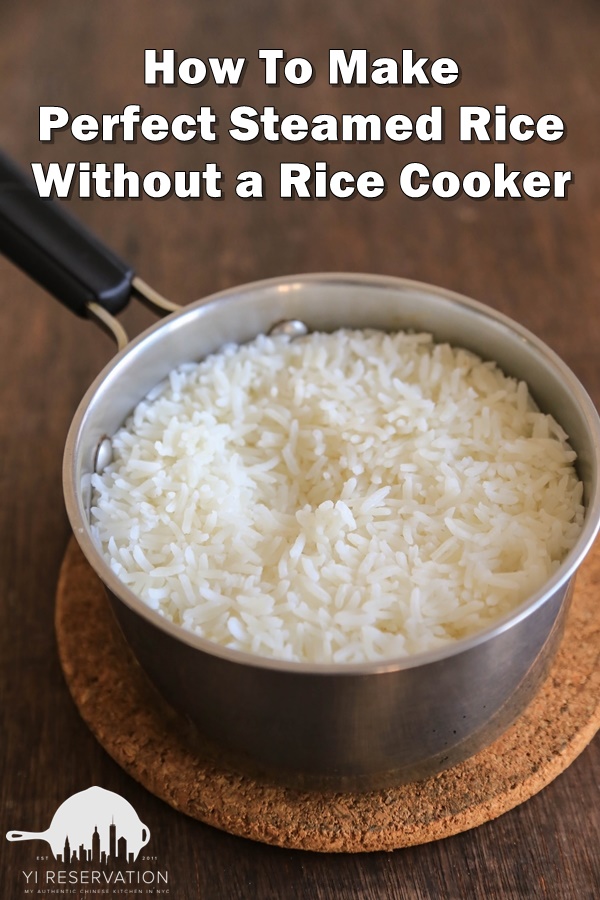
Credit: yireservation.com
Microwave Rice: Quick And Easy
Microwave cooking is fast and ideal for small servings. This method works best for long-grain white rice or basmati.
Ingredients And Tools
- Rice: 1 cup
- Water: 2 cups
- Microwave-safe bowl: Deep enough to prevent overflow
- Plastic wrap or plate: To cover
Steps
- Rinse rice and place in bowl.
- Add water and cover loosely.
- Microwave on high for 10 minutes.
- Let stand for 5 minutes before fluffing.
Data Table: Stove Vs Microwave Cooking
| Method | Cooking Time | Serving Size | Texture Control |
|---|---|---|---|
| Stove-top | 15–40 min | Up to 6 cups | High |
| Microwave | 10–15 min | Up to 2 cups | Medium |
Microwave rice may not be as fluffy as stove-cooked, but it’s perfect for quick meals.
Oven-baked Rice: Hands-off Cooking
For large batches or minimal effort, oven-baked rice is a great choice. This method is popular in catering and restaurants.
Ingredients And Tools
- Rice: 2 cups
- Water: 3.5 cups
- Salt: 1/2 teaspoon
- Butter or oil: 1 tablespoon (optional)
- Ovenproof dish with tight lid or foil
Steps
- Preheat oven to 375°F (190°C).
- Rinse rice and put in dish.
- Add water, salt, and butter/oil.
- Cover tightly.
- Bake for 25–30 minutes.
- Let rest for 10 minutes before fluffing.
Data Table: Stove Vs Oven-baked Rice
| Method | Batch Size | Hands-on Time | Consistency |
|---|---|---|---|
| Stove-top | Small–Medium | Moderate | Varies |
| Oven-baked | Medium–Large | Low | Very Consistent |
Oven baking is less likely to burn the rice and is ideal for parties.
Cooking Rice In A Pot: The Absorption Vs. Boiling Methods
There are two main ways to cook rice in a pot:
- Absorption Method: All water is absorbed by rice. Most recipes use this.
- Boiling Method: Rice is boiled in extra water, then drained. Good for some Asian and Indian dishes.
Comparison Table: Absorption Vs Boiling
| Method | Water Usage | Flavor | Ease |
|---|---|---|---|
| Absorption | Minimal | Rich | Requires attention |
| Boiling | Excess | Mild | Forgiving |
The boiling method is forgiving—if you add too much water, you simply drain it. The absorption method gives richer flavor but needs careful measurement.
Cooking Different Types Of Rice
Not all rice is the same. Each type needs slightly different care.
White Rice
- Needs less water (1.5–2 cups per 1 cup rice)
- Cooks fast (15–18 minutes)
Brown Rice
- Needs more water (2–2.5 cups per 1 cup rice)
- Cooks slow (35–40 minutes)
- More nutritious, with higher fiber
Basmati And Jasmine
- Use 1.5 cups water per 1 cup rice
- Rinse well for fluffiness
- Fragrant, ideal for Asian dishes
Sticky Rice
- Needs soaking before cooking
- Steamed, not boiled
- Great for desserts and sushi
How To Avoid Common Problems
Many beginners face issues like burnt rice, sticky grains, or undercooked centers. Here’s how to solve them:
- Burnt rice: Use low heat and heavy pots. Don’t rush.
- Sticky rice: Rinse rice well before cooking.
- Undercooked rice: Add a few tablespoons of water, cover, and cook for 5 more minutes.
- Mushy rice: Use less water next time.
A non-obvious tip: Let rice sit off the heat, covered, for at least 5 minutes. This “rest” makes the grains separate and soft.
Benefits Of Cooking Rice Without A Rice Cooker
Cooking rice on the stove, in the oven, or microwave gives you flexibility. You can adjust recipes for different cuisines. You save money and space. You also gain confidence in basic cooking skills. In emergencies, knowing these methods prevents meal disruption.
Some people prefer the taste and texture from traditional cooking. For example, the “crust” or “socarrat” at the bottom of the pot is prized in Persian and Spanish cuisine.
Real-world Examples
People in rural areas often cook rice over wood fires, showing how simple tools can make great food. In student dorms, microwaves are the main solution. Restaurants use oven-baked rice for large parties.
A study by the US Department of Agriculture found that home-cooked rice (stove or oven) is as nutritious as rice cooker rice. Flavor and texture vary more, but nutrition stays the same.
Expert Tips For Perfect Rice Every Time
- Use the right water ratio. If unsure, start with 2 cups water for 1 cup rice.
- Always rinse rice except for risotto or sticky rice.
- Let rice rest after cooking.
- Use a fork, not a spoon, to fluff the rice.
- For extra aroma, add a bay leaf or cinnamon stick to the water.
Many professional chefs use stove-top rice for pilaf, biryani, and paella because it allows layering of flavors.
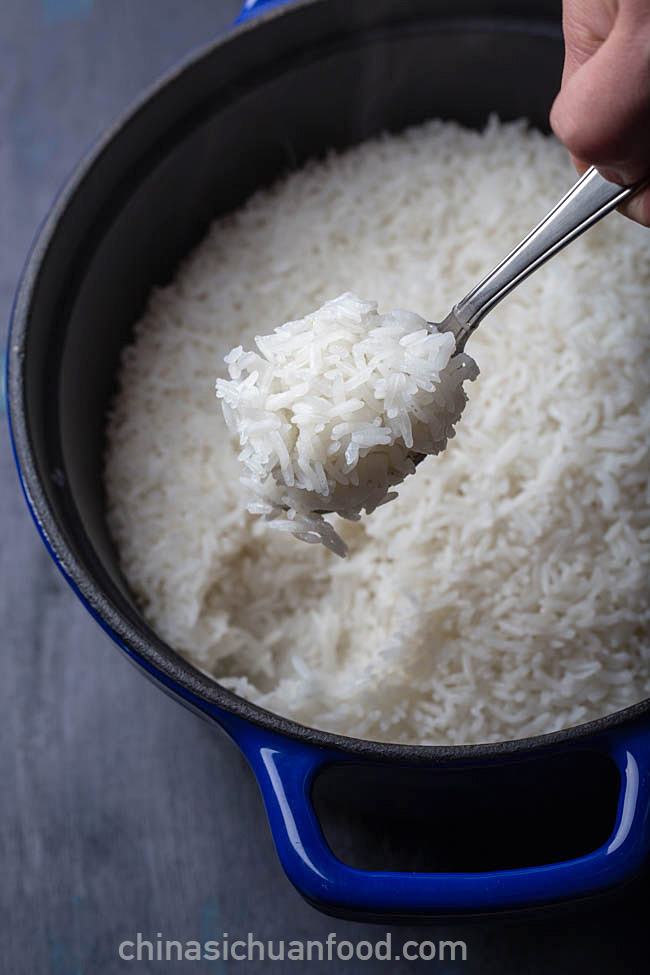
Credit: www.chinasichuanfood.com
When Should You Use A Rice Cooker?
Rice cookers are helpful for:
- Large families
- Busy schedules (set-and-forget)
- Frequent rice cooking
But for occasional rice, or when you want more control, stove, oven, or microwave methods are just as effective.
Frequently Asked Questions
Can You Cook Rice Without A Rice Cooker?
Yes, you can cook rice on the stove, in the oven, or microwave. Millions of people do this daily. The key is using the right water ratio and following basic steps.
What Is The Best Method For Fluffy Rice?
The absorption method on the stove gives the fluffiest rice if you use a heavy pot and let the rice rest after cooking. Oven-baked rice also turns out fluffy if covered tightly.
How Much Water Should I Use For Different Rice Types?
- White rice: 1.5–2 cups water per 1 cup rice
- Brown rice: 2–2.5 cups water per 1 cup rice
- Basmati/Jasmine: 1.5 cups water per 1 cup rice
Adjust for altitude or harder water.
Can I Cook Rice In The Microwave?
Yes, microwave rice is easy and quick. Use 2 cups water per 1 cup rice, cover, and cook for 10–15 minutes. Let it stand before fluffing.
Is Stove-cooked Rice Healthier Than Rice Cooker Rice?
Both are equally healthy. The nutrition depends on the rice type and how much water is used. Cooking method does not reduce nutrients. For more scientific insight, see the Wikipedia entry on rice.
Cooking rice without a rice cooker is simple, flexible, and rewarding. With practice, you’ll master the art of making delicious rice in any kitchen. If you follow the steps and tips above, you’ll never worry about missing equipment again. Enjoy your rice—anytime, anywhere.
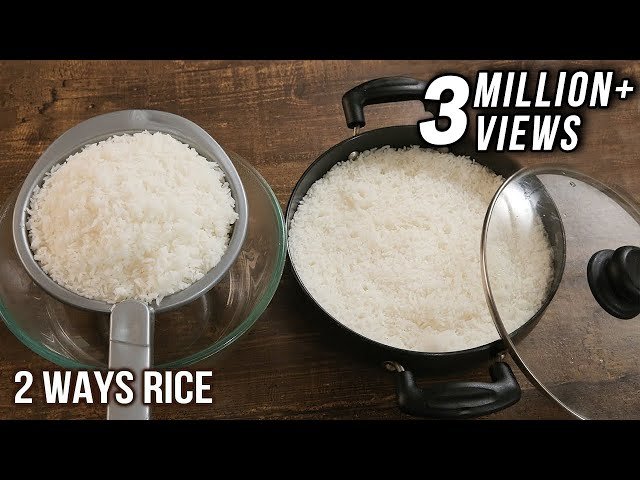
Credit: www.youtube.com