Skip to content
Many people love the crispy taste of deep-fried food, but not everyone owns a deep fryer. So, a common question comes up: Can you deep fry in a saucepan? The answer is yes, but there are important things to know before you start. Deep frying is not just about hot oil—it’s also about safety, choosing the right pan, and getting the best results.
In this guide, you’ll learn how to deep fry in a saucepan, what to watch out for, and how to avoid common mistakes. By the end, you’ll know exactly how to use a saucepan for deep frying, whether you’re making French fries, fried chicken, or a simple snack.
What Is Deep Frying?
Deep frying is a cooking method where food is submerged in hot oil, usually between 350°F and 375°F. The oil cooks the outside quickly, making it crispy, while the inside stays moist. Deep frying is popular for foods like chicken, potatoes, and donuts. Unlike pan frying, which uses less oil and cooks food on one side at a time, deep frying surrounds the food with hot oil.
You need the right tools and careful technique to do it safely. The oil must be hot enough so food cooks evenly, but not so hot that it burns or becomes dangerous. A saucepan can work, but there are limits you must understand.
Choosing The Right Saucepan For Deep Frying
Not all saucepans are good for deep frying. Here’s what you need to look for:
- Material: Stainless steel and heavy-duty aluminum work well. Thin pans can heat unevenly, causing burned spots or unsafe oil splashes.
- Depth: Choose a pan at least 4 inches deep. This lets you use enough oil to cover the food without overflowing.
- Size: A medium to large saucepan (2-4 quarts) is ideal. Small pans limit the amount of food you can fry at once.
- Handles: Strong, heat-resistant handles are important. Oil gets very hot, and you need to move the pan safely.
- Lid: While you don’t fry with a lid, having one nearby helps in case of oil splashes or fire.
Here’s a quick comparison of common saucepan materials:
| Material | Heat Distribution | Safety | Durability |
|---|---|---|---|
| Stainless Steel | Even | Very Safe | High |
| Aluminum | Good | Safe | Medium |
| Nonstick | Even | Lower (coating can break) | Medium |
| Copper | Excellent | Needs care (reacts with oil) | High |
Stainless steel is generally the best choice. It handles high heat and doesn’t react with oil.
How To Deep Fry In A Saucepan: Step-by-step
Deep frying in a saucepan is simple if you follow these steps:
- Choose Your Oil: Use oils with a high smoke point like vegetable, canola, or peanut oil. Olive oil burns too quickly.
- Pour Oil: Fill the pan with enough oil to cover your food. Usually, 2-3 inches of oil is enough. Never fill more than halfway.
- Heat Oil: Place the pan on the stove and turn the heat to medium-high. Use a thermometer to check the temperature. The target is 350°F–375°F.
- Prepare Food: Dry your food well before frying. Wet food causes oil to splatter.
- Fry in Batches: Don’t overcrowd the pan. Too much food drops the oil temperature and makes your food greasy.
- Use Tools: A slotted spoon or frying basket helps you remove fried food safely.
- Drain Excess Oil: Place cooked food on paper towels to absorb extra oil.
Here is a simple deep frying process:
| Step | Action | Reason |
|---|---|---|
| 1 | Fill saucepan with oil | Enough oil is needed for full coverage |
| 2 | Heat to desired temperature | Hot oil cooks food evenly |
| 3 | Add dry food carefully | Reduces splattering and burns |
| 4 | Fry in small batches | Keeps oil temperature stable |
| 5 | Remove with slotted spoon | Drains oil and avoids burns |
| 6 | Drain on paper towels | Improves texture, removes extra oil |
Safety Precautions When Deep Frying In A Saucepan
Deep frying can be risky. Here are key tips to stay safe:
- Never leave hot oil unattended. Oil can catch fire if overheated.
- Keep water away. Water causes oil to splatter, which can burn you.
- Use a thermometer. This helps you keep oil at the right temperature.
- Have a lid nearby. If oil catches fire, cover the pan to smother flames.
- Don’t overfill the pan. Hot oil expands and bubbles. Leave space for safety.
- Wear oven mitts. Protect your hands from hot oil and steam.
Many beginners forget to check oil temperature often. If oil is too cold, food absorbs oil and gets greasy. If it’s too hot, oil can smoke or catch fire.
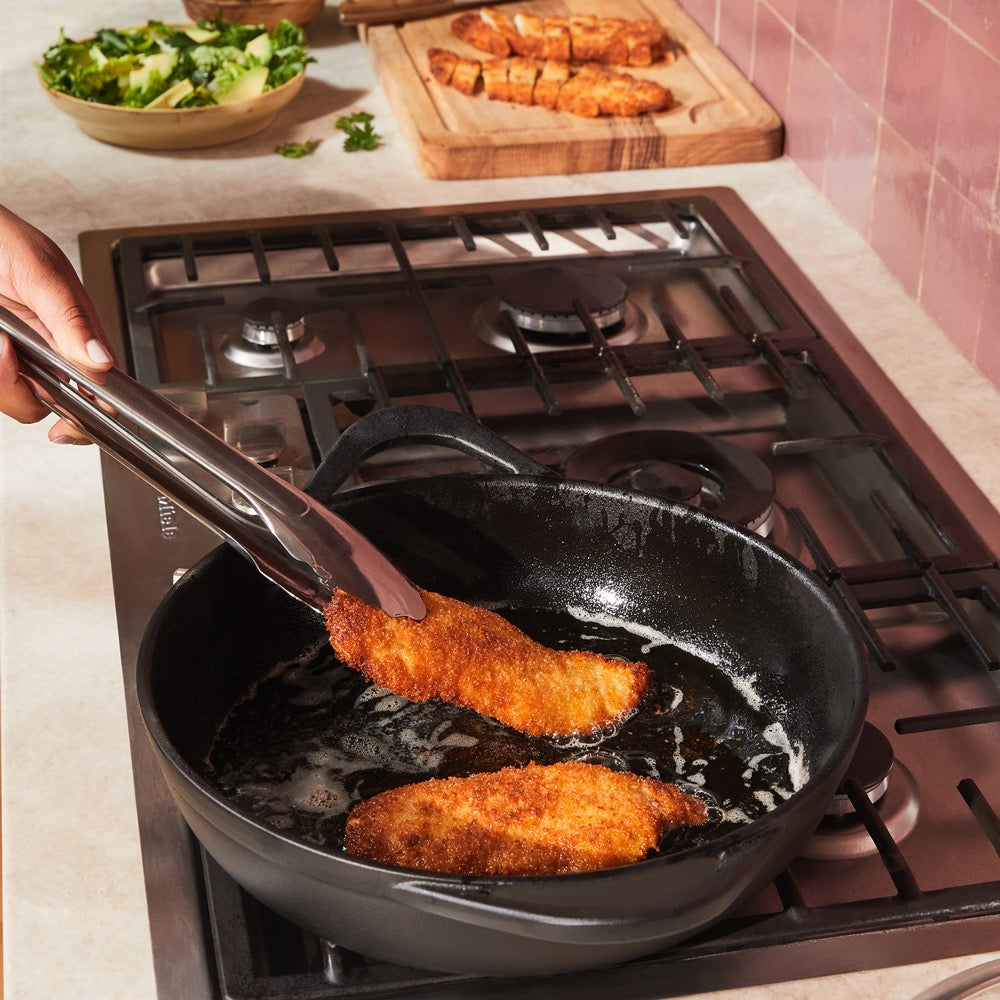
Credit: cravingsbychrissyteigen.com
Advantages And Disadvantages Of Deep Frying In A Saucepan
Using a saucepan for deep frying has ups and downs.
Advantages:
- Easy to find: Most kitchens have a saucepan.
- Less oil: You don’t need as much oil as a deep fryer.
- Quick setup: No special equipment needed.
- Versatile: Saucepans can fry, boil, or simmer.
Disadvantages:
- Limited space: You can only fry small batches.
- Temperature control: Harder to keep oil steady compared to electric fryers.
- Safety risks: Higher chance of spills and burns.
- Wear and tear: Some pans may get damaged by high heat and oil.
Here’s a comparison between using a saucepan and a deep fryer:
| Feature | Saucepan | Deep Fryer |
|---|---|---|
| Oil Needed | Less | More |
| Batch Size | Small | Large |
| Temperature Control | Manual | Automatic |
| Safety | Lower | Higher (has features) |
| Cleaning | Easy | Harder |
| Cost | Low | Medium-High |
Common Mistakes Beginners Make
Many people try deep frying in a saucepan and run into problems. Here are mistakes to avoid:
- Using too much oil: Oil can overflow and cause burns or fires.
- Crowding the pan: Too much food lowers oil temperature, making food oily instead of crisp.
- Skipping the thermometer: Without it, you risk undercooked or burned food.
- Adding wet food: Water and oil don’t mix—splattering is dangerous.
- Leaving oil unattended: This can cause fires quickly.
- Using the wrong pan: Thin pans don’t handle high heat well.
A less obvious mistake is forgetting to cool oil before storing or disposing of it. Hot oil can melt containers or cause accidents.
Another is using the same oil too many times. Old oil breaks down and can taste bad or even be unhealthy.
Practical Tips For Perfect Deep Frying In A Saucepan
To get great results, follow these expert tips:
- Keep oil between 350°F and 375°F. This is best for most fried foods.
- Use a deep-fry thermometer. Clip it to the side of your pan for easy monitoring.
- Dry food completely. Pat with paper towels before frying.
- Fry in small batches. This keeps food crispy and oil temperature stable.
- Don’t stir food too much. Let it cook until golden, then turn gently.
- Let oil cool before cleaning. Never pour hot oil down the drain.
If you want extra crispiness, try double frying. Fry once at a lower temperature, let food rest, then fry again at a higher temperature.
For healthier frying, use oils with healthy fats like canola or sunflower. Also, drain fried food well to remove excess oil.
Foods You Can Deep Fry In A Saucepan
Many foods work well in a saucepan. Some popular choices:
- Chicken pieces
- French fries
- Fish fillets
- Donuts
- Vegetable tempura
- Mozzarella sticks
- Shrimp
Avoid large or thick foods that need lots of oil and space. Cut food into smaller pieces for even cooking.
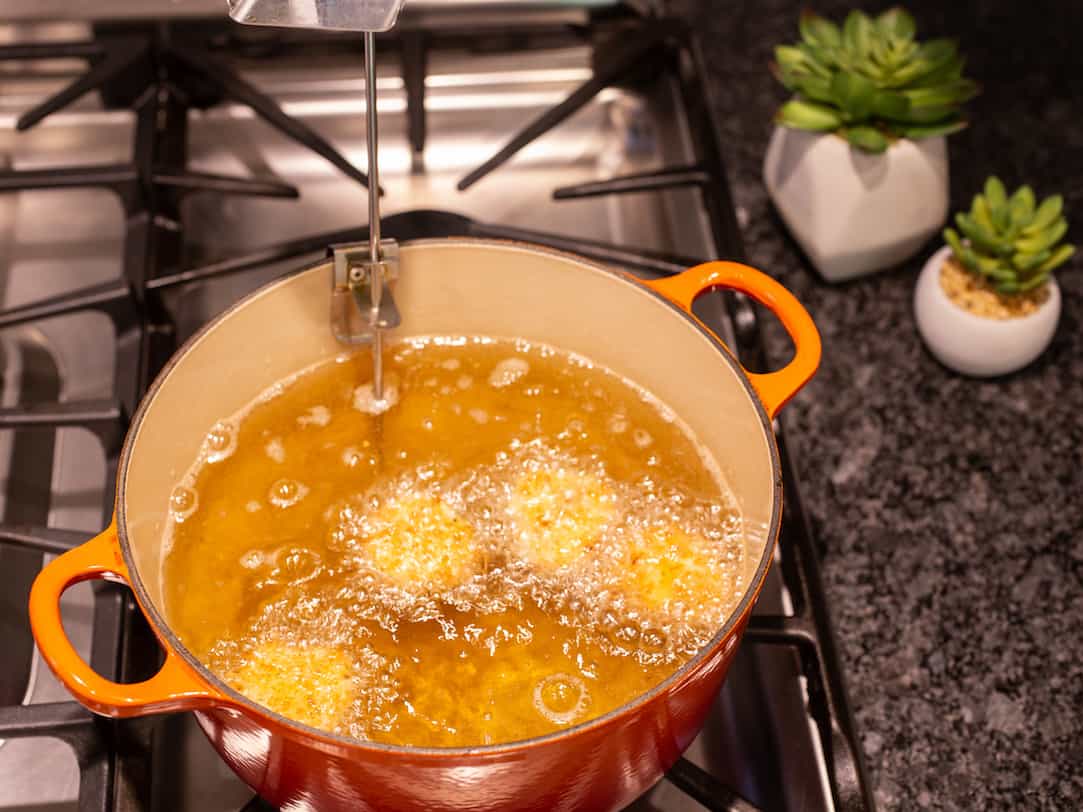
Credit: www.goodfoodstories.com
Cleaning And Storing Oil After Deep Frying
After frying, oil is often reusable. But you must clean it properly:
- Let oil cool to room temperature.
- Strain oil through a fine sieve or cheesecloth to remove crumbs.
- Store in a clean, airtight container in a cool, dark place.
- Use oil 2-3 times before discarding. Old oil gets dark and smells bad.
Don’t pour oil down the sink—it can clog pipes. Instead, let it solidify and throw it away, or find a local recycling center.
For more guidance on oil recycling, visit EPA’s oil recycling guide.
When Not To Use A Saucepan For Deep Frying
Some situations call for a real deep fryer:
- Large events: If you need to fry lots of food quickly.
- Safety concerns: If you’re not confident handling hot oil.
- Precise temperature: When making delicate foods like churros or beignets.
In these cases, investing in a deep fryer is wise. It offers better control and built-in safety features.

Credit: www.bbcgoodfood.com
Frequently Asked Questions
Can I Use A Nonstick Saucepan For Deep Frying?
You can, but it’s risky. High heat can damage the nonstick coating and release unwanted chemicals. Stainless steel or heavy-duty aluminum pans are safer and more durable.
How Do I Know When Oil Is Hot Enough?
The best way is to use a thermometer. If you don’t have one, drop a small piece of bread into the oil. If it sizzles and browns in about 60 seconds, the oil is ready.
What Should I Do If Oil Catches Fire?
Turn off the heat and cover the pan with a lid to smother flames. Never use water—it makes the fire worse. If the fire doesn’t go out, call for help immediately.
How Many Times Can I Reuse Frying Oil?
Usually, you can reuse oil 2-3 times if you strain it and store it properly. Discard oil if it smells bad, looks dark, or foams when heated.
Is Deep Frying In A Saucepan Healthier Than Using A Deep Fryer?
Health depends on the oil, food, and how you fry. Both methods use similar amounts of oil. To make frying healthier, use oils with healthy fats, drain food well, and avoid reusing oil too many times.
Deep frying in a saucepan is possible and can give you tasty, crispy results. The key is to use the right pan, keep safety in mind, and follow good technique. It’s not as fast or precise as a deep fryer, but for small batches or occasional treats, it works well.
Remember to check oil temperature, fry in small batches, and clean up carefully. With practice, you’ll master deep frying at home—even without fancy equipment.