Moving a refrigerator can be stressful, especially if you’re not sure about the best way to transport it. You might wonder: Can you lay a refrigerator down to transport it? This question is common for homeowners, renters, and anyone helping a friend move. If you make the wrong choice, you risk damaging a costly appliance and losing food. Let’s break down what really happens when a refrigerator is laid on its side, how to minimize risks, and what experts recommend.
Why Upright Transport Matters
Most refrigerators should be moved upright. This is not just about convenience—there are important mechanical reasons. A refrigerator contains a compressor filled with oil. When the fridge stands upright, the oil stays at the bottom, away from cooling lines. If you lay it down, the oil can flow into these lines, causing blockages or damage once you start it up again.
Manufacturers like Whirlpool and LG advise upright transport whenever possible. If you check appliance manuals, you’ll see warnings about laying refrigerators down. Repairs caused by improper transport can cost hundreds of dollars, and sometimes lead to complete appliance failure.
Can You Lay A Refrigerator Down? The Real Risks
Sometimes, you just can’t avoid laying a refrigerator down—maybe your vehicle is too small, or you’re moving through tight spaces. But what actually happens if you do this?
Oil Migration
The compressor’s oil is meant to stay in one place. When you lay the fridge down, gravity moves the oil, and it can seep into the cooling pipes. If you turn the fridge on before the oil returns to the compressor, you risk:
- Reduced cooling efficiency
- Compressor damage
- Loud noises or vibrations
Refrigerant Flow
The refrigerant (cooling fluid) is designed to flow in a specific direction. Laying the fridge sideways can cause it to flow backward, potentially causing leaks or damaging seals.
Door And Shelving Issues
If the refrigerator is laid on its side, shelves can come loose, and doors can bend or warp. This may cause problems with closing and sealing.
Data Table: Upright Vs. Sideways Transport
Here’s a quick comparison of risks:
| Transport Method | Risk Level | Possible Damage | Recommended? |
|---|---|---|---|
| Upright | Low | Minimal | Yes |
| Sideways | High | Compressor, Cooling Lines | No (except in emergencies) |

Credit: www.youtube.com
Which Side Is Better If You Must Lay It Down?
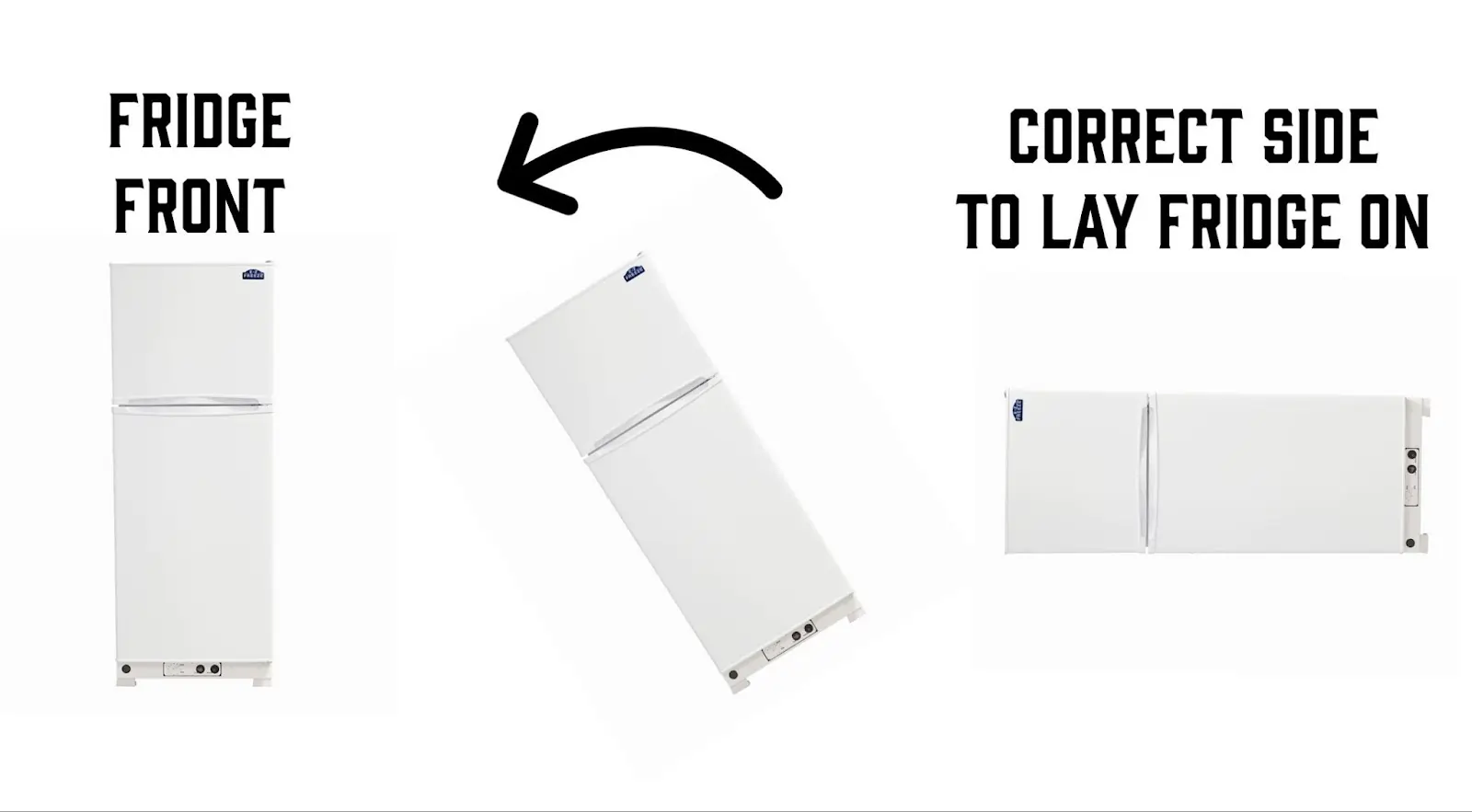
If you absolutely must lay the refrigerator down, experts recommend placing it on the side opposite the compressor lines. Usually, this is the side where the compressor tubes exit the unit. Check your fridge’s manual or look behind it for the tubes.
Common Types And Lay-down Position
| Fridge Type | Best Side to Lay Down | Why |
|---|---|---|
| Top-Freezer | Handle Side | Compressor lines usually on opposite side |
| Side-by-Side | Left Side | Compressor lines usually right |
| French Door | Back (if possible) | Even weight distribution, compressor access |
Always remove all shelves and secure the doors before laying the fridge down.
How Long Should You Wait Before Plugging In?
This is a critical step many people miss. After transporting a fridge on its side, you need to let it stand upright before plugging it in. This allows oil and refrigerant to settle back in place.
Wait Times By Fridge Type
| Fridge Type | Minimum Wait Time | Maximum Wait Time |
|---|---|---|
| Top-Freezer | 4 hours | 24 hours |
| Side-by-Side | 6 hours | 24 hours |
| French Door | 8 hours | 24 hours |
Most experts recommend waiting at least 8 hours, but 24 hours is safest. If you plug the fridge in too soon, you risk permanent compressor damage.
Step-by-step Guide: Safe Refrigerator Transport
Moving a refrigerator safely, even if you must lay it down, involves careful planning.
- Empty the fridge: Remove all food and shelves. This reduces weight and prevents loose items from moving.
- Unplug and defrost: Unplug at least 24 hours before moving. Allow any ice to melt and dry the unit fully.
- Secure doors: Use strong tape or straps to keep doors closed.
- Protect the exterior: Wrap in blankets or pads to avoid dents and scratches.
- Choose the right side: Lay the fridge on the side opposite the compressor lines if needed.
- Move carefully: Avoid sudden movements. Use dollies or sliders for heavy lifting.
- Wait before plugging in: Let the refrigerator stand upright for the recommended time.
Practical Tips
- Never move a fridge alone. Always have help.
- Check the path for obstacles and measure doorways in advance.
- If you move often, consider buying a mini fridge for temporary use.
Real-life Example: Moving A Fridge In A Small Car
Imagine you need to move a standard top-freezer fridge, but only have a hatchback. Laying it down is the only option. Here’s what works:
- Remove all shelves and drawers.
- Lay the fridge on the handle side (compressor lines opposite).
- Use blankets to cushion and secure the fridge.
- After arrival, stand the fridge upright and wait 24 hours before plugging in.
In many cases, the fridge works fine if you follow these steps. Problems usually happen when people rush to plug it in right away.

Credit: www.youtube.com
Common Mistakes Beginners Make
Two mistakes cause most refrigerator transport failures:
- Plugging in too soon: Not waiting long enough after moving on its side.
- Ignoring manufacturer instructions: Manuals often give special advice for each model.
Some beginners think the fridge will “self-correct” after a few hours. In reality, compressor oil can take much longer to settle. Another overlooked mistake: not securing doors or shelves, which can cause internal damage.
What Happens If You Ignore The Rules?
If you lay a refrigerator down, plug it in immediately, and ignore the wait time, you risk:
- Compressor failure: This is expensive to fix (often $200-$400).
- Reduced cooling: Food spoils faster, even if the fridge seems to work.
- Leaks and noises: Oil in the cooling lines causes loud operation.
- Shorter lifespan: The fridge may last only a few years instead of a decade.
Manufacturers may void the warranty if you don’t follow proper transport instructions. Always check your manual and save receipts in case you need service.
Data: How Often Do Fridges Get Damaged During Transport?
According to a study by the Appliance Repair Institute, about 15% of refrigerators moved on their side develop cooling or compressor problems within the first year. In contrast, only 3% of upright-moved fridges show issues.
That’s a fivefold increase in risk—proof that careful transport matters.
Alternatives To Laying A Refrigerator Down
If you want to avoid risk, try these alternatives:
- Rent a larger moving truck: Most rental trucks can carry a fridge upright.
- Hire professional movers: Movers have special tools for upright transport.
- Use moving straps and dollies: These let you tilt but not fully lay down the fridge.
For small fridges or short moves, upright transport is almost always possible. For full-size units and tight spaces, plan ahead to minimize side-laying.
Expert Recommendations
Most appliance repair professionals agree: upright is best. If laying down is unavoidable, always wait before plugging in, and follow manufacturer instructions. Some experts suggest labeling the fridge with a sticker: “Wait 24 hours before plugging in,” to avoid mistakes.
If you buy a used fridge, ask the seller how it was transported. If they laid it down, wait at least 24 hours before use, and check for unusual noises.
For more technical details, you can read the guide at Wikipedia.
Frequently Asked Questions
Can All Refrigerators Be Transported Lying Down?
No, most refrigerators should not be transported lying down. Some mini fridges may be less affected, but full-size models have compressors and oil that can move and cause damage.
How Long Should I Wait After Moving A Fridge On Its Side?
Wait at least 8 to 24 hours before plugging in. The best practice is to wait 24 hours to allow oil and refrigerant to settle.
Which Side Should I Lay A Refrigerator Down If Needed?
Lay it on the side opposite the compressor lines. Usually, this is the handle side for top-freezer models, but always check your manual or look at the back.
What Are Signs Of Damage After Moving A Fridge On Its Side?
Watch for noisy operation, poor cooling, or leaks. If you notice these after moving, unplug the fridge and call a repair professional.
Is Warranty Voided If I Lay The Fridge Down During Transport?
Often, yes. Many manufacturers will not cover damage caused by improper transport, especially if their instructions were ignored.
Moving a refrigerator is a big job, but knowing the risks and following expert advice can save you money and stress. If you ever need to lay a refrigerator down, remember to wait before plugging it in, check the manual, and use the safest methods possible.
Taking these steps protects your appliance and keeps your food safe.
Credit: www.warehouseappliance.com