Moving a refrigerator can be stressful, especially if you’re unsure about the best way to transport it. You might wonder, can you lay a refrigerator on its side without causing damage? This question comes up often when people need to fit their fridge into a moving van or truck. The answer is not simple, and mistakes can be costly.
If you’re planning a move, buying a used fridge, or simply need to shift your appliance, understanding the risks and safe practices is essential. This guide explains why laying a refrigerator on its side is risky, what happens inside the appliance, and what to do if you have no other option.
Why Laying A Refrigerator On Its Side Is Risky
Most refrigerators are designed to stand upright. When you lay one on its side, you change how the internal parts, especially the compressor and refrigerant, behave. Here’s what happens:
- Compressor oil can flow out of its proper location and move into the refrigerant lines.
- Refrigerant fluid may shift to places it shouldn’t go.
- Internal shelves, doors, and parts may get damaged by shifting weight.
These changes can lead to serious problems when you stand the fridge back up and plug it in. For example, if compressor oil enters the cooling lines, it can block the system and cause the compressor to fail. Repairs for such damage can cost hundreds of dollars, and sometimes the fridge becomes unusable.
What Happens Inside A Refrigerator When It’s On Its Side
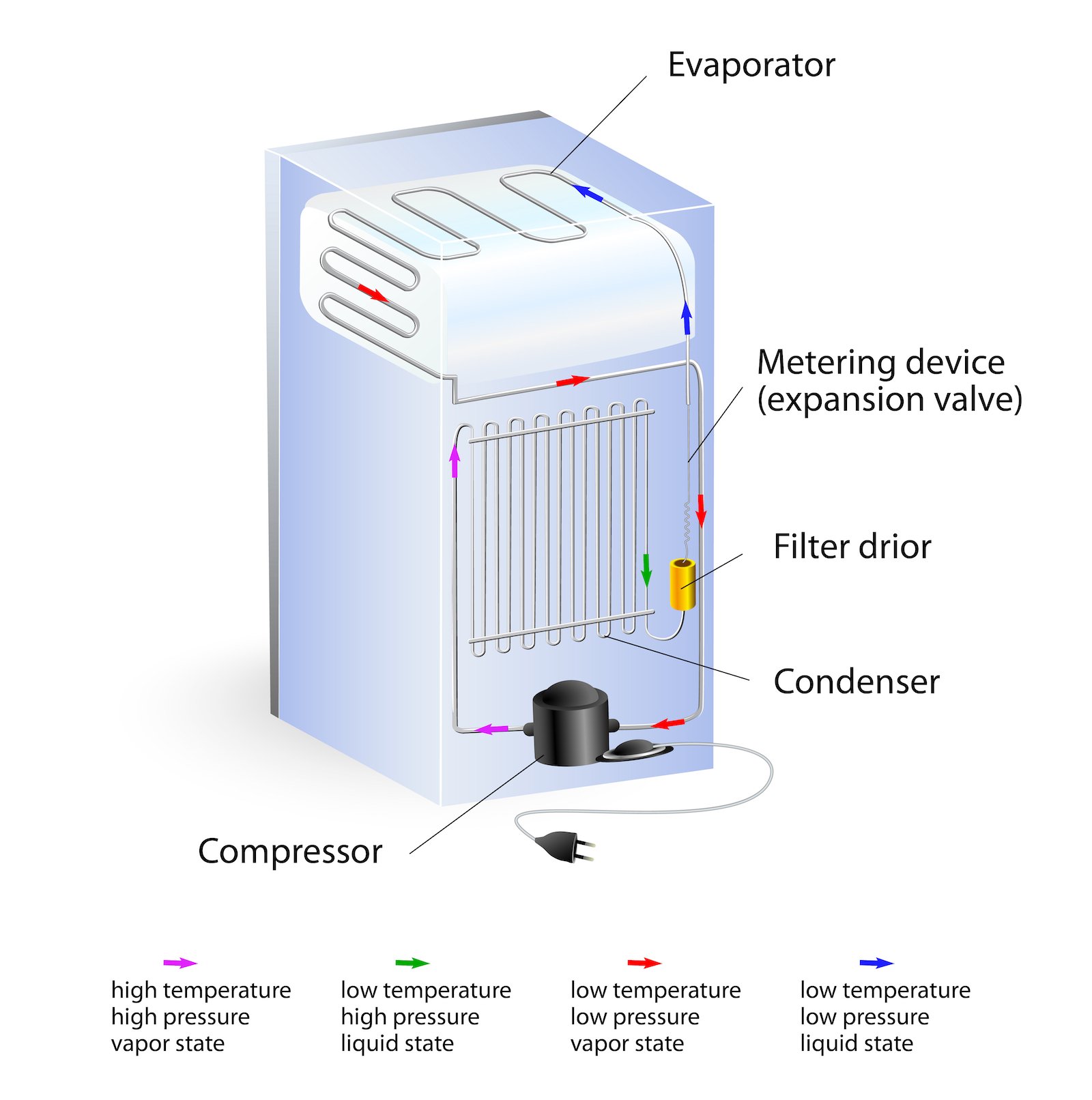
A refrigerator’s cooling system relies on gravity. The compressor sits at the bottom, with oil inside to lubricate moving parts. The refrigerant cycles through pipes and coils, absorbing and releasing heat. If you lay the fridge down, gravity can’t keep oil and refrigerant in their intended places.
Let’s look at the main risks in detail:
- Compressor oil migration: Oil may leave the compressor and settle in cooling lines.
- Blockage of refrigerant flow: Oil in the wrong spot can block refrigerant, causing cooling failure.
- Damage to internal parts: Shelves and doors can get loose or break if not secured.
- Door misalignment: Weight can shift the door, making it harder to seal when upright.
Example
Say you lay a fridge on its left side for a four-hour drive. When you stand it up, oil from the compressor has moved into the tubes. If you plug it in right away, the compressor tries to pump refrigerant, but the oil blocks the flow.
The compressor overheats and fails within days.

Credit: www.youtube.com
Manufacturer Recommendations: What Do Brands Say?
Most refrigerator brands clearly warn against laying their appliances on the side. Popular companies like LG, Samsung, and Whirlpool have instructions in their manuals. Here are a few examples:
- LG: “Never transport the refrigerator horizontally. Doing so may damage the compressor.”
- Samsung: “Keep the appliance upright during moving. If laid on its side, wait at least 24 hours before plugging in.”
- Whirlpool: “Transport upright whenever possible. If not, lay on the right side only and allow oil to settle before use.”
The advice varies by brand and model. Some models are more sensitive to oil movement, while others have compressors that can tolerate short periods on the side. Always check your owner’s manual for specific instructions.
Is It Ever Safe To Lay A Refrigerator On Its Side?
Sometimes, you have no choice due to space or transport needs. If you must lay your refrigerator down, there are ways to reduce risk:
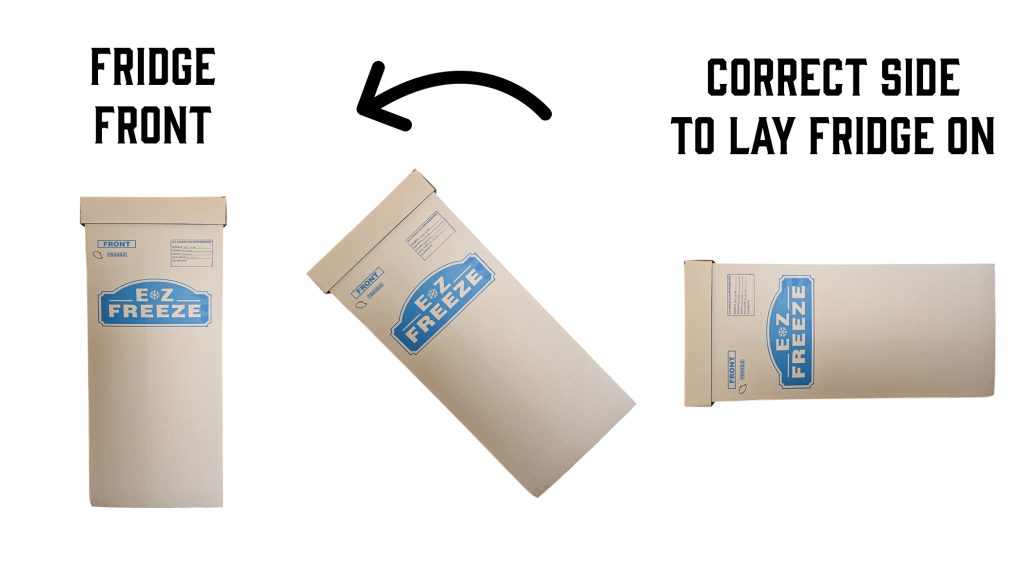
- Choose the correct side: Most fridges should be laid on their right side (when facing the appliance). This keeps oil away from main lines.
- Keep the fridge empty: Remove all shelves, trays, and contents to avoid internal damage.
- Secure the doors: Use tape or straps to keep doors from opening.
- Limit the time: The less time on its side, the better. Try to keep it under one hour if possible.
- Allow oil to settle: After moving, stand the fridge upright for at least as long as it was on its side, ideally 24 hours, before plugging in.
Quick Comparison: Upright Vs Side Transport
Here’s a clear look at the differences:
| Transport Method | Compressor Risk | Internal Damage Risk | Recommended Waiting Time |
|---|---|---|---|
| Upright | Minimal | Minimal | None |
| On Side | High | Medium | 12–24 hours |
Credit: www.ezfreezerefrigerator.com
Common Mistakes When Moving A Refrigerator
Many people make errors when moving their fridge. These mistakes can shorten the appliance’s life or cause immediate breakdowns.
- Plugging in too soon: After laying on the side, plugging in before oil settles is the biggest mistake.
- Laying on the wrong side: Not all sides are equal; laying on the wrong side increases damage risk.
- Failing to empty the fridge: Moving with items inside can break shelves and doors.
- Ignoring manufacturer instructions: Not reading the manual leads to avoidable problems.
- Not securing the doors: Doors can swing open and break during transport.
Data: How Often Do People Experience Fridge Failure After Side Transport?
A survey by appliance repair technicians found that around 30% of refrigerators moved on their side had issues within the first month, compared to less than 5% for upright moves. Most problems involved compressor failure and cooling loss.
What To Do After Laying A Refrigerator On Its Side
If you had to lay your refrigerator down, you can still protect it with these steps:
- Stand it upright: As soon as possible, set the fridge upright in its final location.
- Wait patiently: Let the fridge sit for at least 24 hours before plugging in, especially if it was on its side for several hours.
- Check for leaks: Look for oil or refrigerant leaks underneath and inside.
- Inspect the doors and shelves: Make sure everything is aligned and secure.
- Listen for strange noises: When you finally plug it in, listen for odd sounds from the compressor.
Example Timeline
If you moved your fridge on its side for six hours, let it stand upright for at least six hours, preferably longer. This gives oil time to return to the compressor.
Types Of Refrigerators And Side Transport Sensitivity
Not all refrigerators are equal. Some types are more sensitive to being laid on their side.
| Fridge Type | Side Transport Risk | Recommended Actions |
|---|---|---|
| Top-Freezer | Medium | Lay on right side, wait 24 hours |
| Bottom-Freezer | High | Avoid side transport, wait 24 hours |
| Side-by-Side | High | Lay on right side only, wait 24 hours |
| French Door | Very High | Avoid side transport, wait 24 hours |
| Mini Fridge | Low | Can lay on side briefly, wait 4–6 hours |
French door and side-by-side models are especially sensitive due to larger compressors and more complex cooling systems.
Practical Tips For Safe Refrigerator Transport
Moving a fridge is easier with planning. Here are some practical tips for a safe move:
- Plan your route: Clear the path before moving to avoid bumps and tilts.
- Use a dolly: Appliance dollies keep fridges upright and reduce strain.
- Protect the appliance: Wrap the fridge in blankets to avoid scratches and dents.
- Move slowly: Quick movements can shift oil or damage internal parts.
- Hire professionals: If possible, use movers experienced with appliances.
Non-obvious Insight
Most people overlook the importance of letting the fridge “breathe” after transport. If your fridge was in a hot truck, let it cool to room temperature before plugging in. Sudden temperature changes can damage electronics and seals.
What If Your Refrigerator Stops Working After Transport?
If your fridge fails to cool after moving it on its side, try these steps:
- Unplug immediately: If you hear strange noises or see leaks, unplug the appliance.
- Wait longer: Sometimes oil takes longer to settle.
- Contact a technician: Compressor damage often needs professional repair.
- Check your warranty: Side transport may void some warranties, so check with the manufacturer.
Real Example
A homeowner moved their fridge on its side for a short trip. After plugging it in, the compressor started making loud noises and stopped cooling. A technician found oil in the cooling lines, requiring a $350 repair. If they had waited 24 hours, the problem might have been avoided.
Can You Lay A Refrigerator On Its Back?
Some people think laying a fridge on its back is better than on its side. In reality, this is also risky. The compressor and coils are not designed for this position, and doors can easily misalign or break. Always choose upright transport first, side as a last resort, and never on the back.
Credit: blog.puls.com
Environmental And Safety Concerns
Refrigerators contain chemicals like refrigerant and compressor oil. If these leak during side transport, they can harm the environment and pose health risks. Proper handling is important. If you notice any leaks, contact a professional for safe cleanup. Never try to fix refrigerant leaks yourself.
Non-obvious Insight
Many cities have special rules for moving and disposing of refrigerators due to their chemical contents. Check local regulations before moving or trashing an old fridge.
Frequently Asked Questions
Can Laying A Refrigerator On Its Side Permanently Damage It?
Yes, it can. If compressor oil enters the cooling lines and blocks refrigerant flow, permanent damage may occur. Waiting the right amount of time before plugging in can help, but some damage may be irreversible.
How Long Should I Wait Before Plugging In A Fridge After Laying It On Its Side?
You should wait at least as long as the fridge was on its side, but most experts recommend 24 hours. This allows oil to return to the compressor.
Is It Better To Lay A Fridge On Its Left Or Right Side?
If you must lay it down, most models recommend the right side (when facing the fridge). This reduces the risk of oil entering critical lines. Always check your manual for guidance.
What Should I Do If Oil Leaks From My Refrigerator After Moving?
Do not plug in the fridge. Contact a professional technician for repairs. Oil leaks can indicate compressor problems and potential refrigerant contamination.
Can Mini Fridges Be Laid On Their Side Safely?
Mini fridges are less sensitive because they have smaller compressors. You can lay them down briefly, but still let them stand upright for 4–6 hours before plugging in.
Moving a refrigerator is not a simple task, and laying it on its side brings risks that many people overlook. Understanding why these risks exist and how to minimize them can save you money and trouble. Always prioritize upright transport, follow manufacturer recommendations, and give your fridge time to settle before use. For detailed guidelines, check official sources like Whirlpool’s Moving Appliances Guide. Your refrigerator will thank you with years of reliable service if you handle it with care.