Skip to content
Cooking beans can be a challenge, especially if you don’t have a stove or pressure cooker. Many people wonder if they can use their rice cooker for beans. Rice cookers are common in homes, dorms, and offices, thanks to their simplicity. But beans are different from rice—they need longer cooking times, and some need to be soaked. So, is it possible to cook beans in a rice cooker? Let’s explore the answer, along with practical steps, tips, and mistakes to avoid.
How Rice Cookers Work
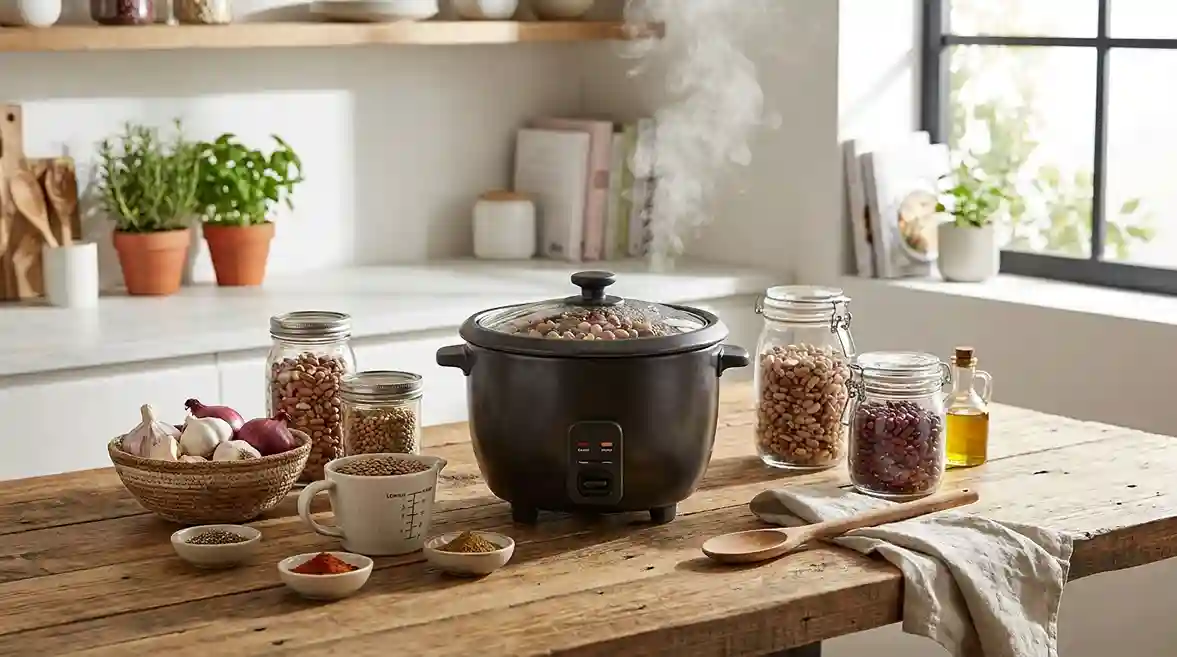
Rice cookers use moist heat to cook grains. The device heats water, which turns into steam, cooking rice until the water is absorbed. Most rice cookers have a simple “cook” and “warm” setting, while advanced models have timers or digital controls.
The main advantage is consistent temperature. Rice cookers don’t get as hot as stovetops, but they keep heat steady. That’s why many people use rice cookers for more than just rice—like steaming vegetables, making oatmeal, or even baking cakes.
But beans need more time and sometimes higher heat to soften. So, the question is: can rice cookers handle this?
Can You Make Beans in a Rice Cooker?
Yes, you can cook beans in a rice cooker—but there are some important points to know. Not all rice cookers are the same, and not all beans cook at the same speed. Here’s what makes beans different:
- Cooking Time: Beans take longer than rice, sometimes 1–2 hours.
- Soaking: Most beans need to be soaked before cooking.
- Water Ratio: Beans absorb more water than rice.
- Safety: Some beans (like kidney beans) must be boiled to destroy toxins.
Let’s look at which beans work best and how to cook them safely.
Types Of Beans You Can Cook In A Rice Cooker
Some beans are easier to cook in a rice cooker than others. Here are the most common:
- Black beans: Good for rice cookers, soften well.
- Pinto beans: Work nicely if soaked first.
- Red beans: Need boiling, so only use if your rice cooker gets hot enough.
- Lentils: Cook quickly, don’t need soaking.
- Chickpeas (Garbanzo): Need longer cooking and soaking.
- Navy beans: Small size makes them suitable.
Not all beans are recommended. For example, kidney beans must be boiled for at least 10 minutes to remove toxins. Most basic rice cookers can’t boil at high enough temperature, so avoid cooking kidney beans unless you have a high-end rice cooker.
How To Cook Beans In A Rice Cooker: Step-by-step
Cooking beans in a rice cooker is simple if you follow these steps:
- Soak the beans: Place dry beans in water for 6–8 hours or overnight. This removes some starch and makes beans softer.
- Drain and rinse: After soaking, drain the water and rinse beans.
- Add beans to the rice cooker: Use 1 cup beans for small cookers. Add 3–4 cups water per cup of beans.
- Add seasonings: Salt, pepper, garlic, bay leaf, or onion add flavor.
- Start cooking: Press “cook.” The rice cooker will heat the water and cook beans.
- Check water level: Beans absorb lots of water. Check after 30–40 minutes and add water if needed.
- Cook until soft: Most beans take 1–2 hours. Lentils may be done in 30–40 minutes.
- Taste and adjust: Test beans for softness. Add salt at the end, as salt can make beans tough if added too early.
Here’s a simple recipe for rice cooker black beans:
- 1 cup dried black beans (soaked overnight)
- 3 cups water
- 1 teaspoon salt (add near the end)
- 1 bay leaf
- 1 clove garlic
Put everything in the rice cooker, press “cook,” and check every 30 minutes. Add water if needed. Beans are ready when they are soft.
Comparison: Rice Cooker Vs Stove Vs Pressure Cooker
Let’s compare these cooking methods:
| Method | Cooking Time | Ease of Use | Water Needed | Flavor |
|---|---|---|---|---|
| Rice Cooker | 1–2 hours | Easy, hands-off | High | Good, but may need extra seasoning |
| Stovetop | 1–2 hours | Needs attention | Medium | Excellent control |
| Pressure Cooker | 30–45 minutes | Medium, more steps | Low | Deep, rich flavor |
Rice cookers are less powerful than pressure cookers, so beans take longer. But rice cookers are more convenient—you can leave them and do other tasks.
Rice Cooker Types: Which Is Best For Beans?
There are two main types of rice cookers:
- Basic rice cookers: Simple, one-button models. Good for small batches and softer beans.
- Advanced rice cookers: Digital controls, multiple settings, sometimes higher temperatures.
| Rice Cooker Type | Features | Best Beans | Limitations |
|---|---|---|---|
| Basic | Cook/Warm setting | Lentils, black beans | Low temperature, can’t boil kidney beans |
| Advanced | Timer, slow cook, high heat | Chickpeas, red beans | More expensive |
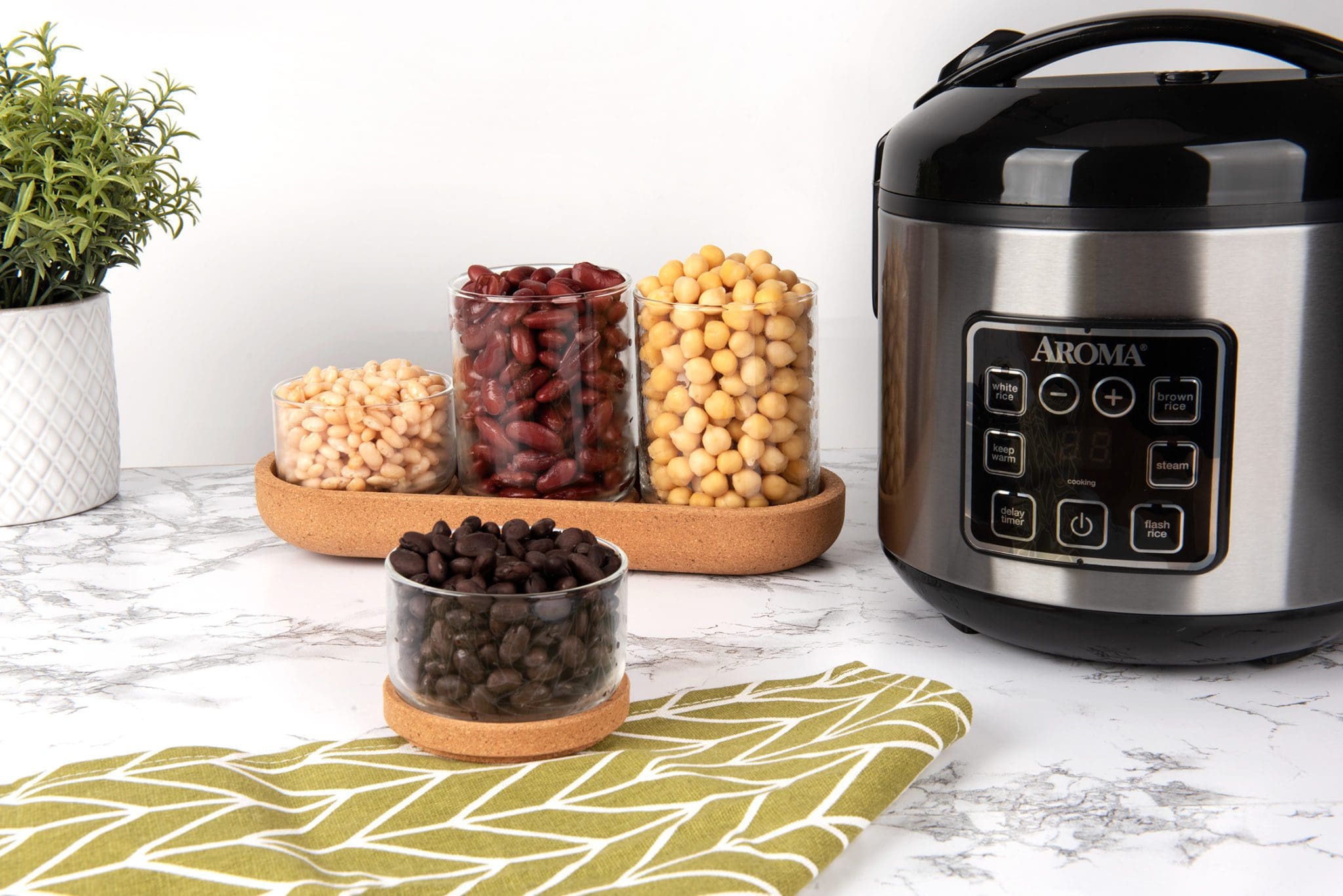
If you plan to cook beans often, an advanced rice cooker is worth considering.
Credit: www.aromaco.com
Practical Tips For Perfect Beans
Cooking beans in a rice cooker is simple, but a few tips make your results better:
- Soak beans longer: If you have time, soak for 12 hours. This reduces cooking time and makes beans easier to digest.
- Don’t add salt early: Salt can make beans tough. Add it after beans are soft.
- Use aromatics: Onion, garlic, or herbs add flavor.
- Check water often: Beans absorb more water than rice. Add water if it’s low, or beans may burn.
- Let beans rest: After cooking, let beans sit for 10 minutes. This helps flavors develop.
A non-obvious tip: Add a teaspoon of oil. This prevents beans from foaming and boiling over.
Another insight: If your rice cooker switches to “warm” before beans are done, wait 5–10 minutes, then press “cook” again. Most rice cookers let you restart cooking.
Common Mistakes To Avoid
Many beginners make mistakes with beans in a rice cooker. Here are the top ones:
- Skipping soaking: Unsoaked beans take longer and may cook unevenly.
- Wrong water ratio: Too little water leads to burnt beans. Too much makes them mushy.
- Using kidney beans in basic cookers: Can be unsafe due to toxins.
- Ignoring seasoning: Beans need flavor—add herbs or spices.
- Overfilling the cooker: Beans expand. Don’t fill more than half.
If beans are still hard after cooking, soak them longer next time, and try a second cooking cycle.
Nutrition And Cost Benefits
Beans are one of the most nutritious foods. They’re high in protein, fiber, vitamins, and minerals. Cooking beans at home is cheaper than buying canned beans. A pound of dried beans costs about $1.50 and yields 6–7 cups cooked—enough for several meals.
Home-cooked beans have less sodium and no preservatives. You control the ingredients and flavor. And using a rice cooker saves electricity compared to a stove.
Safety: Cooking Beans Properly
Some beans contain a compound called phytohemagglutinin, which can cause stomach upset. Kidney beans are most dangerous—they need to be boiled hard for 10 minutes. If your rice cooker doesn’t reach boiling, use canned kidney beans or cook them on the stove first.
For other beans, soaking and thorough cooking is enough. Lentils and split peas are safe without soaking.
If unsure, use a rice cooker with a “slow cook” or “boil” option, or check the manual for temperature.
Recipes And Variations
You can add beans to many recipes in your rice cooker:
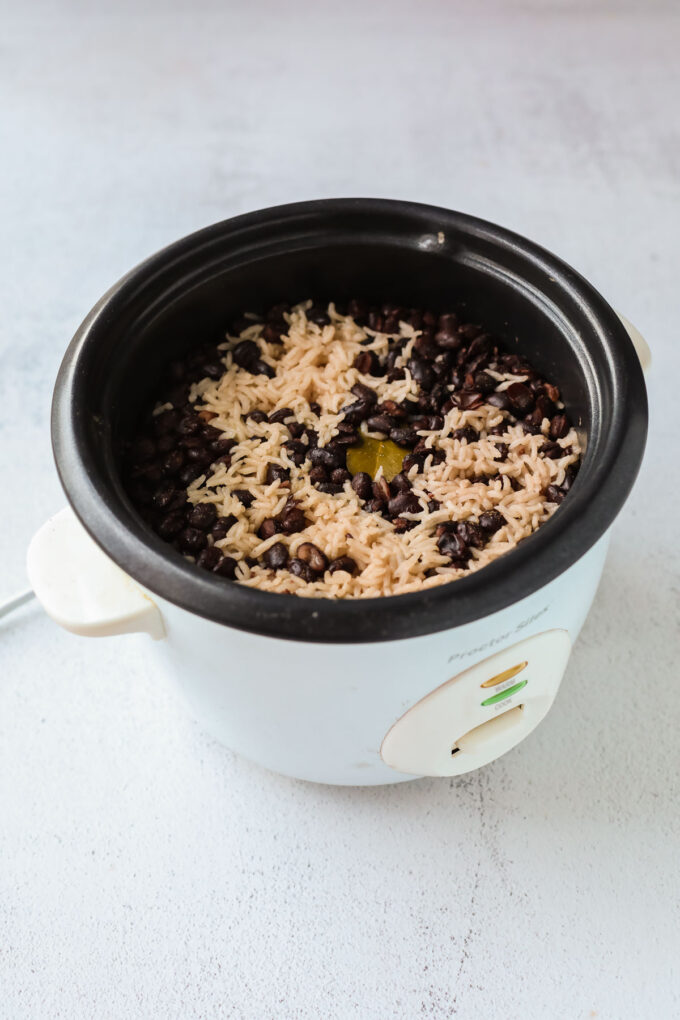
- Rice and beans: Cook rice and soaked beans together, add spices.
- Bean soup: Add vegetables, broth, and beans for a hearty soup.
- Chili: Use black or pinto beans, tomatoes, and chili powder.
- Hummus: Cook chickpeas, blend with lemon juice and tahini.
Beans are flexible—try different spices and vegetables. Just remember to check water and don’t overfill.
Environmental Impact
Using a rice cooker is energy efficient. It uses less electricity than a stove or oven. Beans are also better for the environment than meat—producing beans creates fewer greenhouse gases and uses less water.
Cooking beans at home is a small step that helps your health and the planet.
Credit: iheartvegetables.com
Real-world Examples
Many people use rice cookers to cook beans in small kitchens, RVs, or when traveling. College students often use rice cookers for beans and rice. Busy families find rice cookers easy to use, so they can prepare healthy meals without watching the stove.
Some rice cooker brands even list bean recipes in their manuals. This shows beans are safe and practical for rice cookers—with the right preparation.
Frequently Asked Questions
Can I Cook Canned Beans In A Rice Cooker?
Yes, you can heat canned beans in a rice cooker. They’re already cooked, so just rinse, add seasoning, and heat for 10–15 minutes. Don’t use too much water.
Do I Need To Soak Beans Before Cooking In A Rice Cooker?
Most dried beans need soaking to cook evenly and reduce cooking time. Lentils and split peas don’t need soaking. If you skip soaking, add extra water and expect longer cooking.
Why Are My Beans Still Hard After Cooking?
Beans may stay hard if not soaked long enough, if water was too low, or if your rice cooker switched to “warm” too soon. Try soaking overnight, using more water, and restarting the cooking cycle.
Is It Safe To Cook Kidney Beans In A Rice Cooker?
Not always. Kidney beans must be boiled for 10 minutes to destroy toxins. Most basic rice cookers don’t reach boiling temperature. Use canned kidney beans or cook them on the stove first.
Can I Cook Rice And Beans Together In A Rice Cooker?
Yes, you can cook rice and beans together, but use soaked beans. Add extra water, seasonings, and check halfway. Beans take longer than rice, so adjust timing or use fast-cooking beans like lentils.
Cooking beans in a rice cooker is practical, healthy, and cost-effective. With the right steps and tips, you can enjoy delicious beans every time—even if you’re new to cooking. If you want more advanced recipes and science behind bean safety, see Serious Eats for in-depth guides.
Rice cookers are more than just rice—they’re a gateway to healthy meals with beans, grains, and vegetables. Try experimenting and enjoy the benefits.