Skip to content
Can You Make Gluten Free Bread In Bread Maker
For many people, enjoying fresh bread is a daily pleasure. But if you have celiac disease, gluten sensitivity, or simply want to avoid gluten, baking bread at home can feel tricky. The big question: Can you make gluten free bread in bread maker? The answer is yes—and it’s easier than most people expect. With the right approach, you can bake delicious, soft gluten free bread using a bread machine.
In this article, you’ll learn how bread makers handle gluten free recipes, what you need to know about ingredients, practical tips for success, and common mistakes to avoid. Let’s make gluten free bread baking simple, even for beginners.
Why Gluten Free Bread Is Different
Gluten is a protein found in wheat, barley, and rye. It gives regular bread its chewy texture and helps it rise. Gluten free bread must use other ingredients to create structure. Without gluten, bread dough behaves differently, and sometimes the results can be dense or crumbly if not handled correctly. Most gluten free flours—like rice flour, sorghum flour, and potato starch—need extra support from binders such as xanthan gum or psyllium husk.
Many people are surprised that gluten free bread recipes often include more eggs, oil, or milk than traditional bread. These ingredients help mimic gluten’s effects and keep bread soft. The biggest challenge is getting a good rise and a tender crumb without gluten.
That’s where bread makers can be extremely helpful.
How Bread Makers Work For Gluten Free Bread
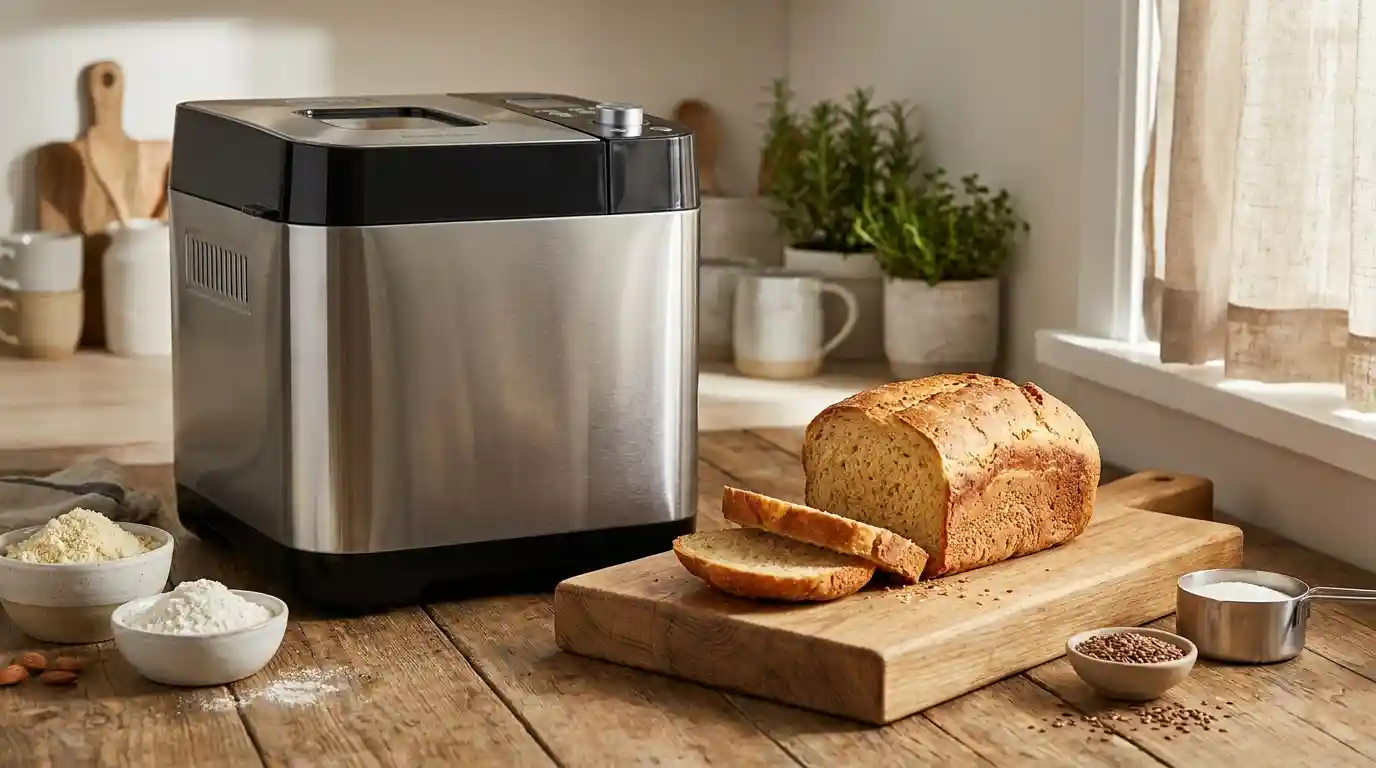
Bread makers are popular because they mix, knead, and bake bread automatically. Most newer models have a special gluten free setting. This setting skips the long knead and rise cycles used for wheat bread. Gluten free dough does not need heavy kneading—actually, overmixing can make it worse.
Here’s a comparison of typical bread maker settings:
| Setting | Kneading Time | Rise Time | Bake Time |
|---|---|---|---|
| Basic/Wheat Bread | 15-30 min | 60-90 min | 60 min |
| Gluten Free Bread | 5-10 min | 30-40 min | 50-60 min |
If your bread maker does not have a gluten free setting, you can still use it. You will need to use the rapid bake or basic bake setting, but keep an eye on the dough. Some machines let you customize the knead and rise times, which is ideal for gluten free recipes.
Choosing The Right Bread Maker
Not all bread makers are equal when it comes to gluten free bread. Here are the features that matter most:
- Gluten Free Program: This is the easiest option. It’s designed for gluten free dough, with shorter kneading and rising cycles.
- Custom Settings: Some machines let you program each stage. This is helpful if you want to tweak recipes.
- Nonstick Pan: Gluten free dough is stickier than wheat dough. A good nonstick pan makes cleanup easier.
- Size and Shape: Gluten free bread does not rise as much as wheat bread, so a smaller loaf pan can give better shape and height.
A few popular models for gluten free bread include the Zojirushi Home Bakery Virtuoso Plus, Breville Custom Loaf, and Hamilton Beach Bread Maker. These machines are known for their reliable gluten free programs and easy-to-use features.
Here’s a quick comparison of three popular bread makers:
| Bread Maker | Gluten Free Setting | Custom Cycle | Loaf Size | Price Range |
|---|---|---|---|---|
| Zojirushi Virtuoso Plus | Yes | Yes | 2 lb | $300-$350 |
| Breville Custom Loaf | Yes | Yes | 1-2.5 lb | $250-$300 |
| Hamilton Beach Bread Maker | Yes | No | 1-2 lb | $70-$120 |
Essential Gluten Free Bread Ingredients
To make gluten free bread in a bread maker, you need to choose the right ingredients. These are the essentials:
- Gluten Free Flour Blend: Look for blends labeled as “gluten free bread flour.” They usually contain rice flour, potato starch, and tapioca flour.
- Binders: Add xanthan gum or guar gum to improve texture and elasticity.
- Yeast: Use instant or active dry yeast. Make sure it’s gluten free.
- Liquids: Water, milk, or non-dairy milk are all options. Gluten free dough is wetter than wheat dough.
- Fat: Oil or butter helps keep bread moist.
- Eggs: Many recipes include eggs for structure and moisture.
- Sugar: A small amount helps activate yeast and gives flavor.
Here’s a sample gluten free bread recipe for a 1.5 lb loaf:
- 3 cups gluten free flour blend
- 1 tsp xanthan gum
- 1 packet (2 1/4 tsp) instant yeast
- 1 1/4 cups warm water (110°F)
- 3 tbsp oil (olive or canola)
- 2 eggs
- 2 tbsp sugar
- 1 tsp salt
Mix these ingredients in the order given, unless your bread maker recommends a different order.
Step-by-step Guide To Making Gluten Free Bread In A Bread Maker
Follow these steps for reliable results:
- Check Your Bread Maker Manual: Look for any notes on gluten free recipes. Some machines require ingredients to be added in a specific order.
- Prepare Ingredients: Measure everything carefully. Gluten free recipes are sensitive to too much or too little liquid.
- Add Ingredients to Pan: Usually, liquids go first, followed by dry ingredients. Yeast is added last, on top of the flour.
- Select Gluten Free Setting: If available, use it. If not, choose rapid bake or basic bake.
- Monitor the Dough: After mixing, gluten free dough should look like thick cake batter—not like wheat dough. If it’s too dry or too wet, adjust with a little water or flour.
- Let the Machine Work: Do not open the lid during baking. It can affect the rise and texture.
- Remove and Cool: When done, take the bread out and cool on a rack for at least 30 minutes before slicing.
Practical Tips For Success
Baking gluten free bread at home can be a learning process. Here are proven tips:
- Use Room Temperature Ingredients: Cold eggs or liquids can affect yeast activity.
- Don’t Overmix: Overmixing gluten free dough creates a dense loaf.
- Check the Dough Early: If possible, look at the dough after mixing. It should be smooth and thick—not dry or crumbly.
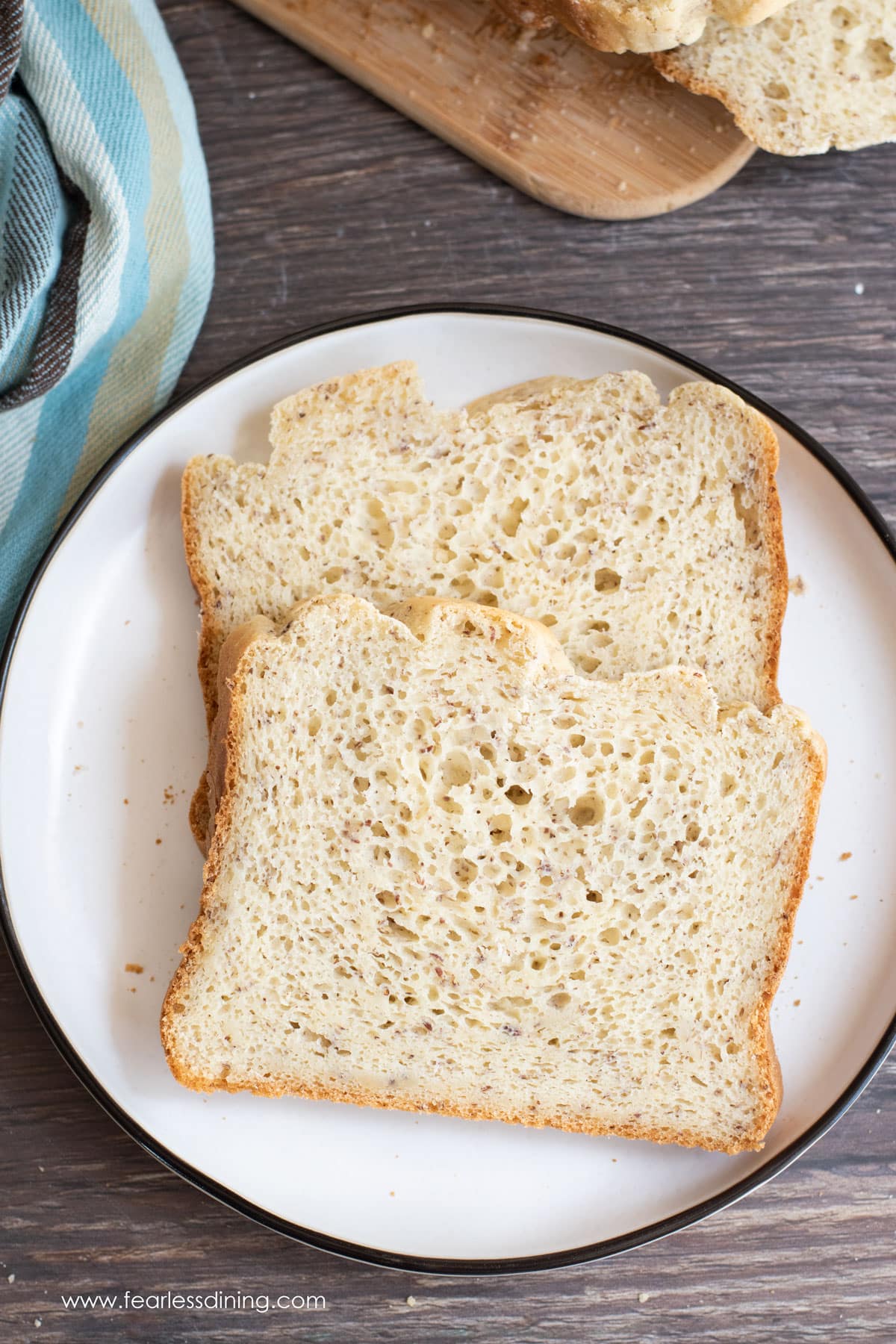
- Let Bread Cool Completely: Gluten free bread firms up as it cools. Cutting too soon makes it gummy.
- Store Properly: Gluten free bread dries out faster. Store in an airtight container or freeze slices for later.
A non-obvious insight: humidity in your kitchen can change how much liquid your dough needs. If your bread is always too dry or too wet, try adjusting the water by 1-2 tablespoons.
:max_bytes(150000):strip_icc()/9441739-d6b30d0634e54a50984451b9b8c1f3d6.jpg)
Credit: www.allrecipes.com
Common Mistakes And How To Avoid Them
Many beginners make mistakes that are easy to fix. Here are the top issues:
- Using Wheat Flour: Even small amounts of wheat flour will ruin a gluten free loaf for sensitive people.
- Wrong Flour Blend: Not all gluten free flours are good for bread. Stick to blends made for bread, not cakes or cookies.
- Skipping Binders: Leaving out xanthan gum or psyllium husk leads to crumbly bread.
- Incorrect Yeast: Some yeast brands contain gluten. Always check the label.
- Overbaking: Gluten free bread can dry out quickly. Follow recipe times carefully.
- Not Measuring Accurately: Use a kitchen scale for best results.
Here’s a quick table of mistakes and solutions:
| Common Mistake | Result | Solution |
|---|---|---|
| Wrong flour blend | Dense, gummy bread | Use bread-specific gluten free blend |
| Skipping binders | Crumbly loaf | Add xanthan gum or psyllium husk |
| Overmixing | Heavy texture | Mix until combined, not more |
| Cutting bread too soon | Gummy crumb | Cool completely before slicing |
Gluten Free Bread Maker Recipes: Variations
Once you master basic gluten free bread, you can try variations. Here are a few ideas:
- Seeded Bread: Add sunflower seeds or pumpkin seeds for crunch.
- Herb Bread: Mix in dried herbs like rosemary or basil.
- Sweet Bread: Add raisins, cinnamon, or chocolate chips.
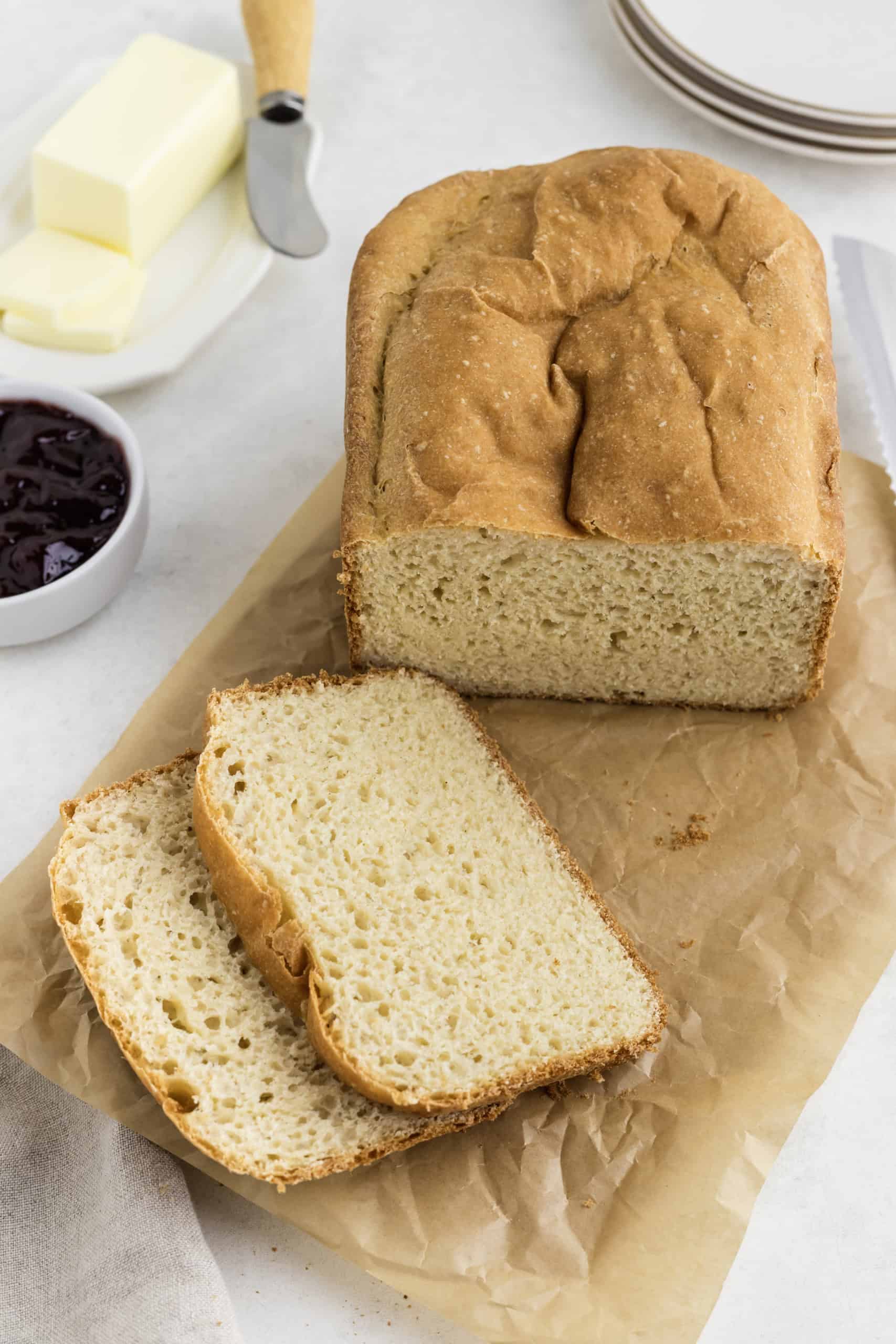
You can also experiment with different flour blends. For example, try sorghum flour for a nutty flavor, or use oat flour (make sure it’s certified gluten free) for extra softness.
A common mistake is switching flours without adjusting liquid or binder amounts. Always start with a tested recipe, then make small changes.
Credit: www.seasonalcravings.com
Is Store-bought Gluten Free Bread Better?
Many people wonder if homemade gluten free bread is better than store-bought. Homemade bread has clear advantages:
- Fresher taste
- No preservatives
- Customizable ingredients
Store-bought bread can be convenient, but it’s often expensive and sometimes dry. According to a 2023 survey by the Gluten Intolerance Group, 67% of gluten free consumers prefer homemade bread for taste and texture.
Still, some brands offer good quality. If you need a quick option, look for brands that use whole grains and minimal additives.
Health Benefits And Considerations
Gluten free bread is essential for those with celiac disease or gluten sensitivity. For others, it can be a healthy choice, but remember:
- Gluten free bread is often lower in fiber than wheat bread. Adding seeds or whole grain flours helps.
- Many recipes use more fat and sugar. Try reducing these if you want a lighter loaf.
- Read labels on all packaged ingredients—hidden gluten can appear in baking powder, yeast, or flavorings.
For more information about gluten free diets and bread, visit Celiac Disease Foundation.
Credit: www.fearlessdining.com
Frequently Asked Questions
Can I Use Any Gluten Free Flour In My Bread Maker?
Not all gluten free flours work well in bread machines. Use a blend made for bread, which usually contains rice flour, potato starch, and xanthan gum. Single flours like almond or coconut do not rise properly and can make bread dense or crumbly.
Is Gluten Free Bread Healthier Than Regular Bread?
Gluten free bread is healthier for people with celiac disease or gluten sensitivity. For others, it can be lower in fiber and higher in sugar or fat. Try adding seeds or using whole grain gluten free flours to improve nutrition.
How Can I Make Gluten Free Bread Less Dry?
Gluten free bread dries out quickly. Use more moisture—such as eggs, oil, or milk—and store bread in an airtight container. Some bakers add applesauce or yogurt for extra softness.
Can I Freeze Gluten Free Bread?
Yes, gluten free bread freezes well. Slice the loaf before freezing, so you can take out individual pieces as needed. Wrap tightly in plastic and freeze for up to 3 months.
Why Does My Gluten Free Bread Sink In The Middle?
This is a common problem. It can happen if the dough is too wet, if there’s not enough binder, or if the bread is over-risen. Try reducing the liquid slightly or adding more xanthan gum.
Making gluten free bread in a bread maker is not only possible—it’s practical and rewarding. With the right recipe, careful measuring, and a bread maker suited to gluten free dough, you can enjoy fresh, tasty bread at home. Don’t be discouraged by early mistakes; each loaf teaches you something new.
Soon, you’ll have a reliable gluten free bread recipe you can trust, and the confidence to experiment with new flavors and styles.