Microwaving coffee mugs is something almost everyone has tried at least once. Maybe you want to reheat your morning coffee or make a quick mug cake. But is it safe to put any coffee mug in the microwave? This simple question is more important than many people think.
Using the wrong mug can lead to cracked ceramics, burned hands, ruined drinks, or even dangerous accidents. In this article, you’ll learn which mugs are microwave-safe, how to check, what happens if you use the wrong type, and practical tips for safe microwaving.
You’ll also find useful data, comparisons, and answers to common questions to help you confidently use your microwave and your favorite mug.
What Makes A Coffee Mug Microwave-safe?
Not all mugs are made for microwaves. The main issue is the material and construction of the mug. Some materials react badly to microwave energy, while others handle it well.
Common Mug Materials
- Ceramic: Most coffee mugs are made from ceramic. Ceramic handles microwaves well, but only if it’s glazed properly and doesn’t contain metallic elements.
- Glass: Many glass mugs are microwave-safe. However, thin or decorative glass can crack from sudden heat changes.
- Plastic: Some plastic mugs are microwave-safe, but others can melt or release chemicals.
- Metal: Metal mugs should never go in the microwave. Microwaves bounce off metal, causing sparks and possible fires.
- Stoneware: Like ceramic, stoneware is often microwave-safe unless it has metallic finishes or flaws.
How Manufacturers Label Microwave Safety
Many mugs have a label on the bottom. Look for phrases like “Microwave Safe” or a microwave symbol. If you don’t see a label, it’s better to test carefully or avoid microwaving the mug.
Here’s a comparison table showing the most common mug materials and their microwave safety:
| Material | Microwave Safe? | Common Issues |
|---|---|---|
| Ceramic | Usually | May crack if not glazed well |
| Glass | Often | Can shatter if thin or uneven |
| Plastic | Sometimes | Melting, chemicals |
| Metal | No | Sparks, fire risk |
| Stoneware | Usually | Metallic paint, cracks |
Why Some Coffee Mugs Are Not Microwave-safe
Even mugs that look normal can be unsafe in the microwave. The reason often comes down to how they’re made.
Metallic Paints And Decoration
Some mugs have gold, silver, or metallic paint. These paints react badly in the microwave. The metal can cause sparking, which is dangerous and can ruin your mug.
Poor Quality Glaze
If the glaze on a ceramic mug isn’t done properly, it can absorb water. When you microwave the mug, the water heats up and expands, causing cracks or even explosions.
Mug Thickness And Temperature Shock
Thin mugs or mugs with uneven thickness can crack from sudden temperature changes. For example, pouring cold coffee into a hot mug right after microwaving can cause the mug to break.
Hidden Moisture And Air Pockets
Some mugs have tiny air pockets inside the ceramic. When heated quickly, these pockets expand, sometimes leading to cracks.
How To Check If Your Mug Is Microwave-safe
If your mug doesn’t have a label, you can test it safely.
Simple Microwave Safety Test
- Fill your mug with room-temperature water (about ¾ full).
- Place the mug in the microwave.
- Microwave on high for one minute.
- Carefully check the mug. If the mug is hotter than the water, it’s not microwave-safe.
- If both the mug and water are warm, it’s likely safe.
This test works because unsafe mugs absorb microwave energy and get hot, while safe mugs let the energy heat the water.
You might find this helpful: Best Microwave Safe Coffee Mugs
What To Avoid
- Never test a mug with metallic paint.
- Be careful with mugs that have cracks or chips.
Risks Of Microwaving The Wrong Mug
Microwaving a mug that isn’t designed for it can cause several problems, some minor and some serious.
Physical Damage
- Cracking: Sudden temperature changes can make mugs break.
- Chipping: Heat can weaken the mug’s edges.
- Shattering: Thin glass or ceramic can explode.
Health Hazards
- Some plastics release BPA or other chemicals when heated.
- Poorly glazed ceramics can leach lead or other toxins.
Fire And Electric Risk
- Metallic paint or parts can cause sparking.
- Metal handles or decorations can start a fire.
Data Example
According to the US Consumer Product Safety Commission, over 4,000 microwave-related burns occur in the US each year, many from unsafe containers.
Tips For Safely Microwaving Coffee Mugs
Microwaving can be safe if you follow smart practices. Here are some tips:
- Always check the label: If it says “microwave safe,” you’re good.
- Avoid metallic finishes: Never use mugs with gold, silver, or metal decorations.
- Use short bursts: Heat your drink in intervals, stirring in between.
- Don’t microwave empty mugs: This can cause overheating and damage.
- Handle with care: Mugs can get hotter than your drink.
- Let mugs cool naturally: Don’t put a hot mug in cold water.
Practical Example
If you have a favorite ceramic mug without a microwave-safe label, test it with water first. If it passes, use it in the microwave but check for cracks or chips often.
Mug Types Comparison: Microwave Performance
Different mug types heat up differently in the microwave. Here’s a table comparing typical heating behavior:
| Mug Type | Heating Speed | Evenness | Handle Safety |
|---|---|---|---|
| Ceramic (Thick) | Slow | Even | Cool handle |
| Glass (Thin) | Fast | Uneven | Hot handle |
| Plastic (Microwave-Safe) | Medium | Even | Cool handle |
| Stoneware | Medium | Even | Cool handle |

Credit: www.reddit.com
Real-world Examples: What Happens When You Microwave Different Mugs
Let’s look at what happens in practice:
- Ceramic mug (no metallic paint): Usually safe, heats evenly, handle stays cooler.
- Glass mug (decorative rim): May spark or crack. Not recommended unless labeled microwave-safe.
- Plastic mug (unknown origin): Sometimes warps, melts, or smells. Only use if labeled microwave-safe.
- Metal mug: Sparks, fire risk, and can damage your microwave. Never use.
A surprising insight: Even mugs bought in sets can behave differently. Sometimes, one mug cracks while others stay fine. This is often due to small differences in glaze or thickness.
Microwave Mugs And Food Safety
Microwaving your mug isn’t just about keeping it intact—it’s about food safety. Unsafe mugs can leach chemicals, change the taste of your drink, or even contaminate your food.
Lead And Cadmium Risks
Some older mugs, especially those made before 1970, may contain lead or cadmium in their glaze. Heating these mugs can cause these chemicals to leach into your coffee.
Bpa In Plastic Mugs
If a plastic mug is not labeled BPA-free and microwave-safe, it can release chemicals into your drink. BPA is linked to health issues, so always check before microwaving plastic.
How Microwave Power Affects Mugs
Microwaves are not all equal. Power levels (measured in watts) can change how your mug reacts.
- Low power (600–800W): Gentle heating, less risk.
- Medium power (900–1000W): Most home microwaves, safe for most mugs.
- High power (1200W and above): More risk of cracking or overheating.
If you use a high-powered microwave, use shorter bursts and stir more often.
Common Mistakes When Microwaving Coffee Mugs
Even experienced users make mistakes. Here are a few to avoid:
- Ignoring labels: Always check for “microwave safe.”
- Heating empty mugs: This can cause damage.
- Using mugs with cracks: Cracks worsen with heat.
- Microwaving for too long: Overheating can crack mugs and make handles dangerously hot.
- Not stirring drinks: Uneven heating can leave hot spots.
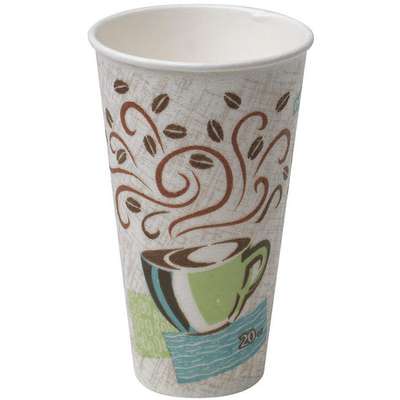
Credit: www.imperialsupplies.com
How To Choose The Best Mug For Microwaving
Choosing a microwave-safe mug isn’t just about safety—it’s also about performance.
- Look for a “microwave safe” label.
- Choose thick ceramics or stoneware for even heating and cool handles.
- Pick BPA-free plastics only if needed.
- Avoid mugs with metallic paint or decorations.
- Check for chips and cracks before use.
Here’s a comparison of mug types for microwave use:
| Mug Type | Durability | Safety | Drink Taste |
|---|---|---|---|
| Ceramic | High | Safe | Neutral |
| Glass | Medium | Safe if labeled | Neutral |
| Plastic | Low | Safe if BPA-free | Can affect taste |
| Stoneware | High | Safe | Neutral |
Smart Practices For Everyday Use
- Wash mugs regularly to remove stains and prevent cracks.
- Rotate mugs so you don’t wear out just one.
- Inspect mugs often for chips and cracks.
- Use a microwave cover to prevent splashes.
- Let mugs cool before washing to avoid thermal shock.
Following these habits will help your mugs last longer and keep your drinks safe.
Frequently Asked Questions
Can You Microwave Any Ceramic Coffee Mug?
No, only mugs labeled microwave safe are guaranteed to be safe. Some ceramics contain metallic paint or have poor glaze, which can crack or spark. Always check for a label or test with water.
What Happens If You Microwave A Mug With Metallic Paint?
Microwaving mugs with metallic paint can cause sparks and may damage your microwave. It’s unsafe and can ruin both the mug and the appliance.
How Can I Tell If A Plastic Mug Is Microwave Safe?
Look for a microwave-safe symbol or “BPA-free” marking. If there’s no label, avoid microwaving the mug. Unsafe plastics can melt or release chemicals.
Why Does My Mug Get Hotter Than The Coffee Inside?
Some mugs, especially those not microwave-safe, absorb microwave energy and heat up faster than the liquid. This is a sign the mug is not suitable for microwaving.
Are Old Coffee Mugs Safe To Microwave?
Older mugs may contain lead or cadmium in their glaze, which can leach into drinks when heated. Unless labeled microwave-safe, avoid microwaving antique or vintage mugs.
Microwaving coffee mugs can be safe and convenient if you use the right mug and follow good practices. Remember to check for labels, avoid metallic decorations, and test new mugs with water first. With a little care, you can enjoy hot coffee and easy mug meals without worry. For more detailed information on microwave safety, visit Consumer Reports. Stay safe, and enjoy your coffee break.