Making artisan bread at home is a satisfying experience. If you own a ceramic Dutch oven, you might wonder if you can preheat it for bread baking. Many recipes recommend preheating cast iron Dutch ovens, but ceramic models are different. Understanding how to use your ceramic Dutch oven safely and effectively is key to perfect bread and avoiding damage to your cookware. This article explores whether preheating a ceramic Dutch oven is possible, the science behind it, and how to get the best results for your homemade bread.
What Is A Ceramic Dutch Oven?
A Dutch oven is a heavy pot with a tight lid, used for slow cooking, roasting, and baking. Ceramic Dutch ovens are made from clay, sometimes coated with enamel. They retain heat well and distribute it evenly. Unlike cast iron, ceramic is more sensitive to sudden temperature changes.
Ceramic Dutch ovens are popular for baking because they trap steam, which helps bread develop a crisp crust. They come in many sizes, shapes, and colors. Leading brands like Emile Henry and Le Creuset offer ceramic versions designed for bread baking.
Why Preheat A Dutch Oven For Bread?
Preheating a Dutch oven before baking is a common tip. Here’s why:
- Hot surface: When you place dough into a hot pot, the heat helps the bread rise quickly.
- Steam trapping: The tight lid keeps steam inside, which makes a chewy crust.
- Even baking: Preheating ensures the bread bakes evenly from all sides.
Most bread recipes, especially sourdough, suggest preheating a cast iron Dutch oven to 450°F (232°C). But ceramic is not cast iron, and its properties change how you should handle preheating.
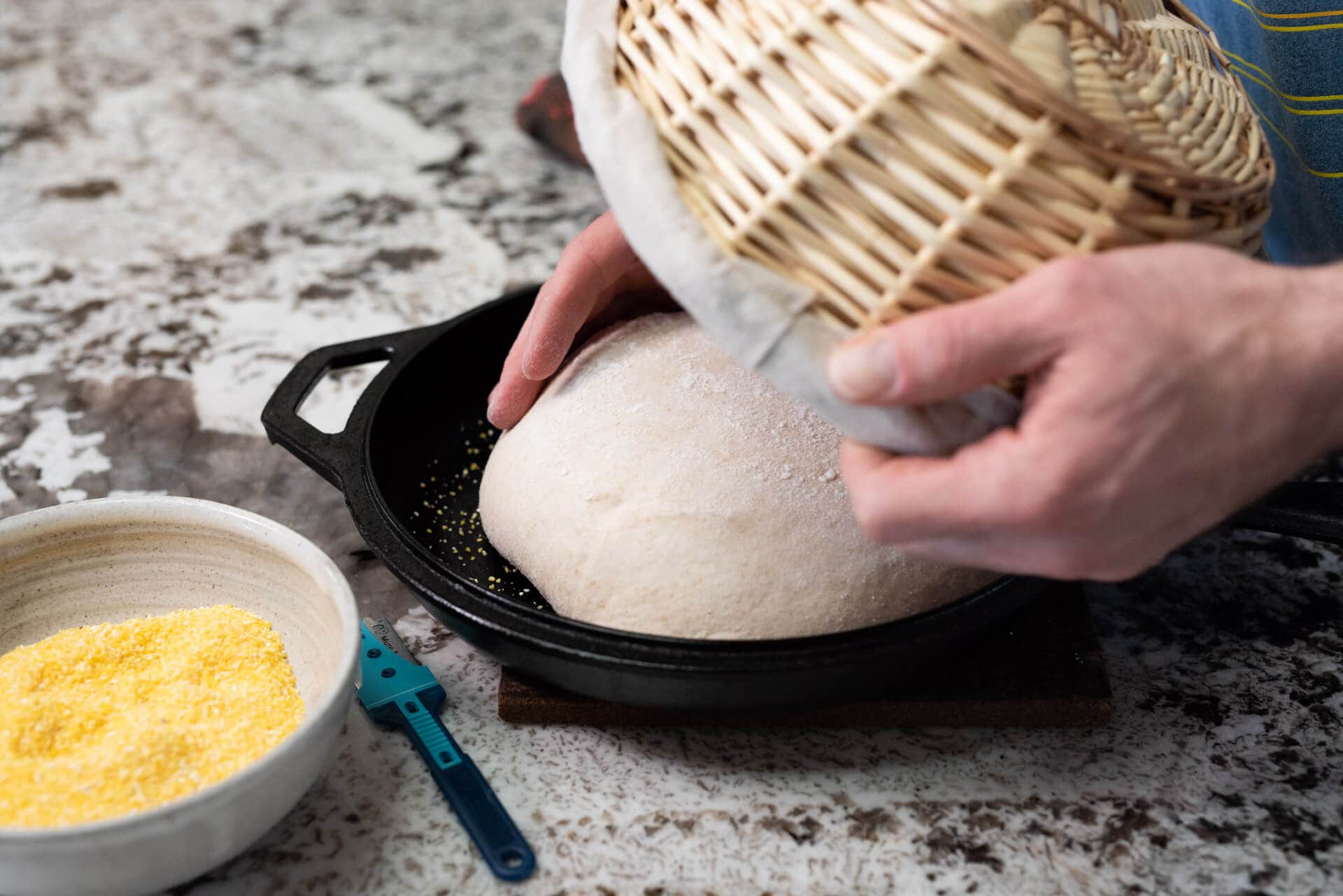
Credit: www.theperfectloaf.com
Can You Preheat A Ceramic Dutch Oven?
The short answer: It depends on the manufacturer and the type of ceramic. Not all ceramic Dutch ovens are made to withstand rapid, high heat.
Manufacturer Guidelines
Most brands clearly state if their ceramic Dutch oven is safe for preheating. For example:
- Emile Henry claims their ceramic bread cloches and Dutch ovens can be preheated up to 500°F.
- Some generic ceramic Dutch ovens warn against preheating, due to risk of cracking.
Always check the user manual or manufacturer website. If you cannot find information, contact customer service before preheating.
Thermal Shock Risk
Ceramic can suffer thermal shock. This means it might crack if heated too quickly or if you place cold dough in a hot pot. Unlike cast iron, ceramic expands and contracts unevenly.
Here are the main risks:
- Cracking or breaking
- Glaze damage
- Reduced lifespan
Some ceramics are specially formulated to resist thermal shock. Others are not. This is why preheating is risky for some models.
Safe Preheating Practices For Ceramic Dutch Ovens
If your ceramic Dutch oven is preheat-safe, follow these steps:
- Gradual heating: Place the empty Dutch oven in a cold oven, then turn on the heat. This avoids sudden temperature changes.
- Check dough temperature: Use dough at room temperature, not straight from the fridge.
- Use oven mitts: Ceramic gets very hot and can burn easily.
- Avoid adding cold ingredients: Don’t pour cold water or place frozen dough in a hot ceramic pot.
Example Preheating Steps
- Place your ceramic Dutch oven (with lid) in a cold oven.
- Set the oven to your desired baking temperature (usually 450°F).
- Wait 30–45 minutes for the oven and pot to heat fully.
- Remove the pot carefully, add your dough, and bake.

Credit: vegpatchkitchen.co.uk
Ceramic Vs Cast Iron Dutch Oven: Bread Baking Comparison
Many bakers debate which Dutch oven material is best. Here’s how ceramic and cast iron compare for bread:
| Feature | Ceramic Dutch Oven | Cast Iron Dutch Oven |
|---|---|---|
| Heat Retention | Excellent | Excellent |
| Preheat Safety | Depends on brand | Always safe |
| Thermal Shock Risk | Moderate to high | Low |
| Weight | Lighter | Heavier |
| Price Range | $50–$200 | $40–$300 |
| Cleaning | Easy, non-stick glaze | Needs seasoning |
Both types work well for bread, but cast iron offers more flexibility for preheating. Ceramic Dutch ovens require careful handling.
How To Bake Bread Without Preheating A Ceramic Dutch Oven
If your ceramic Dutch oven cannot be preheated, you can still bake excellent bread. Here are alternative methods:
Cold Start Baking
- Place the bread dough in the cold ceramic Dutch oven.
- Put the pot (with lid) in the cold oven.
- Set the oven to the desired baking temperature.
- Bake as usual.
This method avoids sudden heat changes and protects the pot. The crust may be slightly less crisp, but bread still rises well.
Use A Baking Stone
Some bakers place a baking stone on the oven rack and put the Dutch oven on top. The stone helps spread heat evenly and reduces thermal shock. This is a helpful trick if your ceramic Dutch oven is sensitive.
Practical Tips For Bread Baking In Ceramic Dutch Ovens
Success depends on careful preparation and handling. Here are tips many beginners miss:
- Use parchment paper: Line the Dutch oven to prevent sticking and make it easier to lift bread out.
- Monitor oven temperature: Some ovens run hot or cold. Use an oven thermometer for accuracy.
- Let bread cool fully: Ceramic retains heat long after baking. Let bread cool at least 30 minutes before slicing.
- Avoid sudden movements: Don’t place a hot ceramic Dutch oven on a cold countertop. Use a wooden board or towel.
- Experiment with hydration: Bread dough with higher water content creates more steam and a better crust in a ceramic pot.
Common Mistakes When Using Ceramic Dutch Ovens
Many home bakers make errors that can lead to poor results or damaged cookware. Watch out for these:
- Ignoring manufacturer advice: Never assume all ceramics are preheat-safe.
- Using cold dough: Cold dough in a hot pot can cause cracks.
- Rapid heating or cooling: Always heat and cool ceramic pots gradually.
- Skipping parchment paper: Stuck bread is frustrating and hard to remove.
- Overfilling the pot: Dough expands during baking. Give it space.

Credit: www.reddit.com
Real-life Example: Sourdough In Ceramic Dutch Oven
A home baker named Lisa wanted to try baking sourdough in her Emile Henry ceramic Dutch oven. She followed these steps:
- Checked manufacturer guidelines (preheat-safe up to 500°F)
- Placed the empty pot in a cold oven, then set it to 475°F
- Waited 40 minutes, then added her room-temperature dough on parchment paper
- Covered with the lid, baked for 30 minutes, then finished uncovered for 15 minutes
Her bread had a crisp crust and airy crumb. Lisa learned that following gradual heating and using parchment paper made the process easy and safe.
Ceramic Dutch Oven Preheating: Data From Manufacturers
Brands vary in their recommendations. Here’s a summary:
| Brand | Preheat Safe? | Max Temperature | Notes |
|---|---|---|---|
| Emile Henry | Yes | 500°F | Gradual heating recommended |
| Le Creuset (ceramic) | Yes | 450°F | Check model specifics |
| Generic ceramic | No/Varies | Varies | Consult manual |
| Lodge (cast iron) | Yes | 500°F+ | Not ceramic, always preheat-safe |
How To Know If Your Ceramic Dutch Oven Is Preheat-safe
If you’re unsure, follow these steps:
- Read the manual: Most brands explain preheat safety in their instructions.
- Check the website: Manufacturer websites list product specifications and safety info.
- Contact customer service: If information is unclear, ask directly.
- Look for oven-safe markings: Some pots have symbols on the bottom.
If your Dutch oven is not preheat-safe, use cold start baking or buy a model designed for bread.
Benefits Of Baking Bread In A Ceramic Dutch Oven
Ceramic Dutch ovens offer several advantages:
- Even heat distribution: Ceramic radiates heat smoothly, helping bread bake uniformly.
- Moisture retention: The pot traps steam, giving a chewy crust.
- Beautiful design: Many ceramic Dutch ovens look attractive for serving.
- Easy cleaning: Glazed ceramic is non-stick and simple to wash.
Despite their risks, ceramic Dutch ovens are loved by many bakers for their unique results.
Frequently Asked Questions
Is It Safe To Preheat Any Ceramic Dutch Oven?
No, not all ceramic Dutch ovens are preheat-safe. Always check the manufacturer’s instructions. Some ceramics can crack or break if preheated, while others are designed for it. If you’re unsure, contact the company or check their website.
What Happens If I Put Cold Dough In A Hot Ceramic Dutch Oven?
Placing cold dough in a hot ceramic pot can cause thermal shock, leading to cracks or breakage. Always use room-temperature dough to reduce this risk and protect your Dutch oven.
Can I Bake Bread In A Ceramic Dutch Oven Without Preheating?
Yes, you can bake bread using a cold start method. Place the dough in the cold pot, then put it in a cold oven and bake as usual. The crust may be less crisp, but the bread will still rise well.
How Do I Clean A Ceramic Dutch Oven After Baking Bread?
Let the Dutch oven cool fully before cleaning. Wash with warm, soapy water and a soft sponge. Avoid abrasive cleaners. If bread sticks, soak the pot for 10–15 minutes before scrubbing. Most ceramic Dutch ovens are dishwasher safe, but hand washing extends their life.
Are Ceramic Dutch Ovens As Good As Cast Iron For Bread?
Ceramic Dutch ovens produce excellent bread, but require more careful handling. Cast iron is more durable and flexible for preheating. Ceramic offers even heat and easy cleaning, making it a favorite for some bakers. Choose based on your baking habits and cookware preferences.
Baking bread in a ceramic Dutch oven can be a rewarding experience. By understanding your cookware’s limits and following safe practices, you can create delicious artisan loaves at home. Always consult the manufacturer before preheating, and use gradual heating and room-temperature dough for best results. With the right technique, your ceramic Dutch oven will help you bake bread that’s as beautiful as it is tasty. For more details on cookware safety, visit Epicurious.