Putting hot food in the refrigerator is a common question in many kitchens. You may have heard warnings from family or friends, or seen advice online that says you should never do it—or that it’s perfectly safe. So, what’s the truth?
Let’s break down what really happens when hot food meets cold storage, why it matters, and the best practices you should follow for food safety and quality.
Why People Worry About Hot Food In The Refrigerator
It’s easy to see why this topic causes confusion. Some believe that putting hot food in the fridge can cause bacteria to grow, spoil the food, or even damage the refrigerator. Others argue that leaving food out to cool increases the risk of bacteria. With different opinions everywhere, it’s important to understand the facts.
One reason for the concern is the “danger zone”—a temperature range where bacteria multiply quickly. The US Department of Agriculture (USDA) defines the danger zone as 40°F (4°C) to 140°F (60°C). Food left in this range for too long can become unsafe to eat. But how does this relate to putting hot food straight into the fridge?
What Happens When You Put Hot Food In The Refrigerator
When you place hot food directly into the refrigerator, several things occur:
- The food starts to cool down rapidly.
- The refrigerator’s internal temperature may rise slightly.
- Condensation can form inside the container.
- If the food is packed tightly or in a large portion, the center may stay warm longer.
Let’s look at these in more detail.
Food Cooling Rate
Hot food cools faster in the refrigerator than at room temperature, especially if you use shallow containers. The faster food passes through the danger zone, the safer it is. However, if you put a large pot of soup in the fridge, the middle may stay hot for hours, allowing bacteria to grow.
Refrigerator Temperature
Adding a big batch of hot food can temporarily warm up the inside of the fridge. This can affect nearby foods, especially if your refrigerator is nearly full or old. Most modern refrigerators recover quickly, but frequent or large loads of hot food may be a problem.
Condensation And Texture
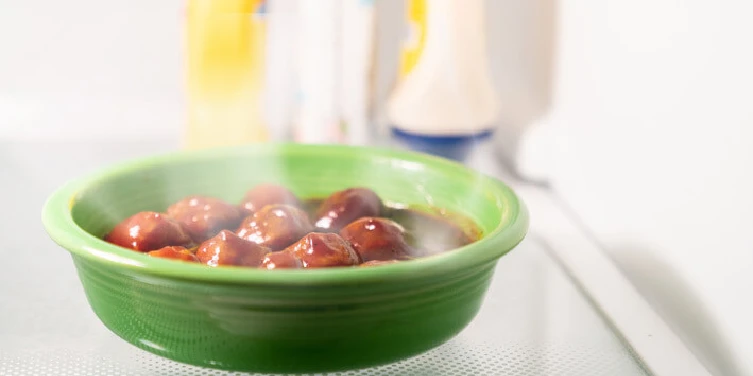
Hot food creates steam. If covered tightly, moisture may collect inside the container, possibly changing the food’s texture or encouraging mold over time. For some foods, like fried items, this can make them soggy.
Common Myths And Facts
Many kitchen myths surround this topic. Let’s separate fact from fiction.
| Myth | Fact |
|---|---|
| Hot food causes the fridge to break | Modern fridges are built to handle temperature changes |
| Hot food spoils faster in the fridge | Cooling food quickly actually reduces spoilage risk |
| You must wait until food is room temperature | Letting food sit out too long increases bacteria risk |
Food Safety: The Real Risks
The main risk is leaving food at unsafe temperatures for too long. Bacteria like *E. coli* and *Salmonella* can double in number every 20 minutes in the danger zone. The USDA recommends refrigerating cooked food within two hours (one hour if the room is above 90°F or 32°C).
Example Scenario
Imagine you cook a large pot of chili for dinner. You finish at 7 PM, but don’t put leftovers in the fridge until 10 PM. By then, the chili has spent three hours in the danger zone. Even if you reheat it later, some bacteria may have produced toxins that heat cannot destroy.
Best Practices For Refrigerating Hot Food
You don’t need to wait until food is cold, but you also shouldn’t put a huge pot directly into the fridge. Here are safe steps to follow:
- Divide large amounts: Split food into smaller, shallow containers (less than 2 inches deep).
- Leave lids loose: Let steam escape until the food is below 40°F, then seal tightly.
- Don’t stack containers: Space them out to let air circulate.
- Refrigerate within two hours: Sooner if possible.
- Keep your fridge at 40°F (4°C) or lower: Use a thermometer to check.
Quick Reference: Cooling Methods
| Cooling Method | When to Use | Time to Cool (Approx.) |
|---|---|---|
| Shallow containers in fridge | Most leftovers | 1-2 hours |
| Ice bath (container in sink of ice water) | Soups, stews, large items | 30-45 minutes |
| Room temperature, uncovered | Small portions only | 15-30 minutes |
How Different Foods React
Not all foods behave the same way when you refrigerate them hot. Some differences include:
- Soups and stews: Cool quickly when divided. Thick soups may hold heat longer.
- Rice and pasta: Spread out to cool. Rice can grow *Bacillus cereus* if left warm.
- Meats and casseroles: Cut into smaller pieces for faster cooling.
- Breaded or fried foods: Can get soggy from condensation.
These differences matter because certain foods are more likely to harbor bacteria or lose quality if not cooled properly.
Credit: www.bosch-home.co.uk
Effects On Refrigerator Performance
Some people worry that hot food will damage their fridge or waste energy. In reality, most modern refrigerators are designed to handle occasional warm foods. Problems are rare unless:
- You put very large or very hot items inside often.
- The refrigerator is overfilled, blocking airflow.
- The appliance is old or not working well.
Still, it’s smart to help your fridge do its job. Space out hot items, avoid crowding, and check the temperature often.
Fridge Temperature Recovery
How much does hot food actually warm up your fridge? Studies show that a medium-sized refrigerator may rise 2–4°F for a short time after adding several hot containers. Within 1–2 hours, it usually returns to normal.
Practical Tips For Everyday Kitchen Use
Following safe cooling practices is simple with a few small changes:
- Keep shallow containers on hand for leftovers.
- Leave space in your fridge for airflow.
- Use a thermometer to monitor fridge temperature.
- Label leftovers with the date you stored them.
- Use leftovers within 3–4 days for best quality and safety.
Many home cooks forget the value of spacing out hot containers, or don’t realize that a fridge thermometer is cheap and helpful for food safety.
Credit: www.mrappliance.ca
What About Freezing Hot Food?
You might wonder if you can put hot food straight into the freezer. The answer is similar: it’s best to cool food first (ideally in the fridge) before freezing. Putting hot food directly in the freezer can cause:
- Temperature spikes, risking safety of other frozen items.
- Ice crystals, which may change texture.
- More energy use as the freezer works harder.
Cool food to at least room temperature or below 40°F before freezing for best results.
Insights Beginners Often Miss
- The two-hour rule matters more than waiting for room temperature. Many people believe food must be “cold” before refrigeration, but the real danger is time spent in the danger zone. Focusing on quick cooling and storage is safer.
- Size and depth of the container affect cooling speed. Large, deep pots can keep food in the danger zone for hours—even inside the fridge. Using shallow containers makes a bigger difference than most people think.
:max_bytes(150000):strip_icc()/Simply-Recipes-Grocery-LEAD-01-c43bd3f1f41a483299a077f9ca8af583.jpg)
Credit: www.simplyrecipes.com
Science And Expert Recommendations
The Centers for Disease Control and Prevention (CDC) and USDA both recommend refrigerating cooked food as soon as possible, ideally within two hours. They also encourage using shallow containers and not stacking hot items in the fridge. These rules are based on research into foodborne illness outbreaks.
For more details, you can check the USDA’s official guidelines.
Real-world Example
Suppose you host a party and have a large tray of lasagna left over. If you cut the lasagna into small squares and store them in flat, shallow containers, they’ll cool much faster than leaving the whole tray intact. This reduces risk and keeps the food tastier, too.
Comparison: Room Cooling Vs. Refrigeration
To clarify how quickly food cools in different situations, see the table below:
| Situation | Time to Cool Below 40°F | Food Safety |
|---|---|---|
| Large pot at room temp | 4+ hours | Unsafe |
| Shallow container in fridge | 1–2 hours | Safe |
| Ice bath then fridge | Less than 1 hour | Very safe |
Frequently Asked Questions
Can Putting Hot Food In The Refrigerator Damage The Appliance?
Most modern refrigerators can handle occasional hot food. The temperature may rise slightly for a short time, but this won’t cause lasting damage. For best performance, avoid putting very large or boiling-hot items inside often.
Is It Safe To Put Soup Or Stew Directly In The Fridge?
Yes, but divide large batches into smaller, shallow containers. This helps the food cool quickly and safely. Avoid storing a whole pot of hot soup, as the center may stay warm for too long.
How Long Can Cooked Food Sit Out Before Refrigeration?
The USDA recommends no more than two hours at room temperature, or just one hour if the room is above 90°F (32°C). After this, the risk of bacteria and foodborne illness increases.
Why Do Some Foods Get Soggy After Refrigeration?
When hot food is covered and stored, steam turns into condensation. This moisture can make fried or breaded foods soggy. Let food cool uncovered for a short time, then cover and refrigerate.
Should You Wait Until Food Is Room Temperature Before Refrigerating?
No, it’s not necessary. In fact, waiting too long can be unsafe. Cool food slightly if you wish, but aim to get it in the fridge within two hours to minimize bacteria growth.
Storing hot food safely is not as complicated as it seems. Understanding the science and following a few simple steps will protect your family and your food. Remember: quick, safe cooling is always better than waiting for food to reach room temperature on the counter. With the right habits, your kitchen can be both convenient and safe.