Have you ever finished a meal, looked at your messy toaster oven tray, and wondered, “Can this go straight into the dishwasher? ” This question is common for anyone who enjoys the convenience of a toaster oven but dreads the cleaning.
Toaster ovens are in almost every kitchen today, but their trays quickly collect grease, crumbs, and burnt spots. You want them clean, but you also want to avoid ruining your tray or your dishwasher.
This article explores the real answer to whether you can put a toaster oven tray in the dishwasher. We’ll look at what matters, such as tray materials, dishwasher safety, possible risks, and what manufacturers say. You’ll find practical advice, warnings, and cleaning tips you won’t get from a quick online search. By the end, you’ll know exactly how to keep your toaster oven tray clean—without damaging it or your kitchen tools.
Understanding Toaster Oven Trays
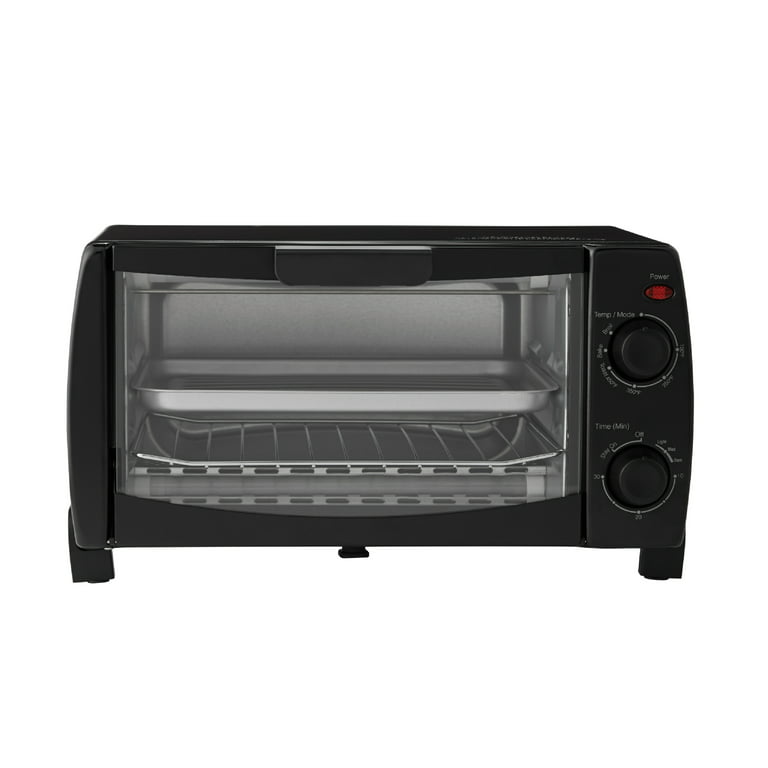
Toaster oven trays are small pans or racks that fit inside your toaster oven. They catch drips, hold food, or serve as a baking surface. The material and finish of these trays vary by brand and model. Understanding what your tray is made of is the first step to knowing if it belongs in the dishwasher.
Common Tray Materials
Most toaster oven trays are made from:
- Aluminum: Lightweight, heats quickly, but can discolor or pit in harsh conditions.
- Stainless steel: Durable, resists rust, but may stain or lose shine with dishwasher use.
- Nonstick coated steel: Food releases easily, but the coating can scratch or peel with rough cleaning.
- Enameled steel: Has a glass-like surface over metal, usually dishwasher safe, but can chip.
- Ceramic: Sometimes used for specialty trays, heavy, and more resistant to dishwasher damage.
Each material reacts differently to dishwasher cycles. For example, aluminum may react to dishwasher detergent, while stainless steel is generally tougher but not immune to wear.
Dishwasher Safety: What Really Happens
A dishwasher cleans by spraying hot water and detergent at high pressure. This is great for plates and cups, but not always gentle for every kitchen tool. Knowing what happens inside can help you decide if it’s safe for your toaster oven tray.
The Dishwasher Process
- Water temperature reaches 120°F to 160°F (49°C to 71°C).
- Strong alkaline detergents break down food and grease.
- High-pressure jets blast surfaces.
- Drying cycles add more heat.
While these are perfect for regular dishes, they can be harsh on some materials and finishes.
What Dishwasher Detergent Does
Dishwasher detergent contains chemicals designed to remove tough stains. However, these ingredients can:
- Strip protective coatings from metal.
- Cause aluminum to oxidize or turn dark.
- Scratch nonstick surfaces if abrasive particles are present.
- Dull or pit stainless steel over time.
The combination of heat, water, and chemicals is the main reason some items are not dishwasher safe.
Manufacturer Guidelines: What Do They Say?
Most toaster oven manufacturers include cleaning instructions in their manuals. These instructions should always be your first reference.
Examples From Popular Brands
- Breville: Advises washing the tray by hand with warm, soapy water. Dishwasher use can discolor or damage the tray’s surface.
- Cuisinart: Some models have dishwasher-safe trays, but only on the top rack. Others recommend hand washing.
- Black+Decker: States that most accessories, including trays, are not dishwasher safe due to possible warping or finish loss.
- Hamilton Beach: Suggests hand washing for longer tray life but says some trays can go on the dishwasher’s top rack.
- Oster: Most trays should be washed by hand. Dishwasher use may void the warranty.
If you lost your manual, you can often find care instructions on the manufacturer’s website or product FAQ page.
Risks Of Putting Toaster Oven Trays In The Dishwasher
Before you toss your tray in with your next load of dishes, it’s important to understand the risks. Damage may not show after one wash, but repeated cycles can cause problems.
1. Warping
High heat in the dishwasher, especially during drying, can warp thinner trays. Once warped, trays may not fit properly in your toaster oven, causing uneven cooking or even damage to the heating elements.
2. Discoloration
Aluminum trays often come out of the dishwasher with a dull gray finish or white spots. This is caused by a chemical reaction between aluminum and dishwasher detergent. While not harmful, it looks unattractive and may affect performance.
3. Surface Coating Damage
Nonstick and enameled trays are especially vulnerable. The dishwasher’s strong jets and detergents can scratch or peel coatings. Once damaged, these trays may rust or cause food to stick.
4. Corrosion
Any tray with exposed metal—especially at the edges or where the coating is thin—can start to rust. This is more common with cheaper trays or those with chips and scratches.
5. Residue And Odor
Sometimes, detergent residue gets baked onto the tray during the next use. This can cause food odors, strange tastes, or even smoke.
6. Dishwasher Damage
Small, lightweight trays can flip during washing and block spray arms or fall onto the heating element. This can damage both the tray and your dishwasher.
How To Tell If Your Tray Is Dishwasher Safe
Not all trays are created equal. Here are ways to find out if your toaster oven tray is dishwasher safe:
Check For Labels Or Stamps
Look for words like “dishwasher safe” on the tray’s bottom or packaging. If it’s not marked, it’s safer to wash by hand.
Read The Manual
Manufacturer manuals are your best source. They will specify if your tray is dishwasher safe and if it should be placed on the top or bottom rack.
Know The Material
- Solid stainless steel trays are sometimes safe for the dishwasher, but check for any nonstick or painted parts.
- Aluminum trays usually are not recommended for dishwasher use.
- Nonstick trays should generally be hand washed to protect the coating.
- Enameled or ceramic trays are often dishwasher safe but can chip if handled roughly.
When In Doubt, Hand Wash
If you can’t confirm, hand washing is always the safest option.
Real-world Examples: What Happens After Dishwasher Use
Many users share their experiences online, showing what happens to different trays after repeated dishwasher cycles. Here are some real-life outcomes:
- Aluminum Tray: One user noticed their shiny tray turned dull and developed white spots after two washes. The tray still worked but looked old and unattractive.
- Nonstick Tray: A family reported that their nonstick coating started peeling after just three dishwasher cycles, making the tray unusable.
- Stainless Steel Tray: Another user found that their tray lost its shine and developed small rust spots where the coating had worn off.
- Ceramic Tray: A cook shared that their ceramic tray survived many dishwashing cycles but developed a small chip after being loaded with heavy dishes.
These stories show that “dishwasher safe” is not always clear-cut. Trays may survive a few washes but degrade quickly over time.
Pros And Cons Of Dishwasher Cleaning
To help you decide, here’s a quick comparison of the benefits and downsides:
| Pros | Cons |
|---|---|
| Saves time and effort | May damage tray surface |
| Sanitizes at high temperature | Can cause warping and discoloration |
| Removes grease and food residue | Might void tray warranty |
| Convenient for busy kitchens | Risk of detergent residue |
Hand Washing Vs. Dishwasher: Which Is Better?
Let’s compare the two methods side by side:
| Hand Washing | Dishwasher |
|---|---|
| Gentler on all tray types | Faster for large loads |
| Preserves coatings and finish | Can cause long-term damage |
| Removes baked-on stains with soaking | May not clean burnt spots completely |
| Better for trays with labels, rivets, or multi-material parts | Can miss hidden corners or grooves |
Most experts recommend hand washing for toaster oven trays, especially if you want them to last longer and look better.
Credit: www.walmart.com
How To Hand Wash Toaster Oven Trays The Right Way
If you decide to skip the dishwasher, here’s how to clean your tray quickly and effectively:
- Let the tray cool completely before washing. Sudden temperature changes can cause warping.
- Remove loose crumbs with a dry paper towel or brush.
- Soak the tray in warm, soapy water for 15–30 minutes. This loosens baked-on grease and stains.
- Use a soft sponge or nylon brush. Avoid steel wool or abrasive pads, which can scratch coatings.
- Rinse well with warm water to remove all soap residue.
- Dry immediately with a soft towel to prevent water spots or rust.
For tough, stuck-on food, sprinkle a little baking soda on the tray and add a splash of vinegar. Let it fizz for a few minutes, then scrub gently.
Special Tips For Different Tray Types
Every tray material needs its own care. Here’s what to do for each:
Aluminum
- Wash by hand, using mild detergent.
- Avoid acidic cleaners (like lemon or vinegar) for long soaks.
- Dry immediately to stop water spots.
Stainless Steel
- Use a non-abrasive sponge.
- Polish with a little white vinegar for extra shine.
- Remove small rust spots with baking soda paste.
Nonstick Coated Steel
- Never use metal utensils or steel wool.
- Clean gently to avoid scratching.
- If food sticks, soak longer instead of scrubbing hard.
Enameled Steel
- Avoid dropping or banging the tray.
- Check for chips; stop using if you see bare metal.
- Dishwasher use is possible if the manufacturer allows, but hand wash for longevity.
Ceramic
- Let cool before washing to prevent cracks.
- Dishwasher safe unless chipped, but hand wash to preserve color and glaze.
What To Do If Your Tray Is Already Damaged
If you’ve already run your toaster oven tray through the dishwasher and notice changes, don’t panic. Some damage is only cosmetic, but here’s how to handle common problems:
- Dull or discolored aluminum: Safe to use, but avoid further dishwasher cycles.
- Peeling nonstick: Stop using immediately. Flaking coating can mix with food.
- Chipped enamel or ceramic: Discard or repurpose, as exposed metal can rust.
- Rust spots: Remove with a baking soda paste, then hand wash only.
Replacing a tray is often less expensive than buying a new toaster oven. Most brands sell replacement trays online.
How To Extend The Life Of Your Toaster Oven Tray
A well-cared-for tray can last years. Here are extra tips:
- Line trays with parchment paper or aluminum foil before cooking. This catches drips and makes cleaning easy.
- Avoid using metal utensils that can scratch the surface.
- Don’t cut food directly on the tray.
- Store trays dry and separate from other metal items to avoid scratches.
- Use only mild detergents and sponges.
If you want your toaster oven tray to look good and work well for years, a little extra care is worth the effort.
What About Other Toaster Oven Parts?
The tray isn’t the only part that gets dirty. Here’s how to handle other accessories:
- Wire racks: Usually dishwasher safe, but check for nonstick coating.
- Crumb trays: Often made from thin aluminum—hand wash to prevent warping.
- Glass doors: Clean with a soft cloth and mild cleaner, never put in dishwasher.
- Rotisserie spit or skewers: Stainless steel versions are usually dishwasher safe.
Always check your manual for specific instructions for each part.
When You Might Use The Dishwasher Anyway
Sometimes, convenience wins. If you must use the dishwasher:
- Place the tray on the top rack only.
- Use a gentle cycle and avoid high-heat drying.
- Remove the tray as soon as the cycle ends and dry with a towel.
- Accept that some cosmetic changes may occur.
If your tray is old or you don’t mind a few stains, this can be an occasional shortcut.

Credit: www.nilds.gov.ng
Non-obvious Insights Most People Miss
- Dishwasher “safe” doesn’t mean “dishwasher proof.” Even if the manufacturer says the tray can go in the dishwasher, repeated cycles will speed up wear and tear. “Safe” means “should survive a few washes,” not “will last forever.”
- Water hardness matters. Hard water (with high mineral content) can cause extra spotting and buildup on trays. If you notice white spots or a chalky residue, it might not be the tray or detergent, but your water. Using a rinse aid can help, but hand washing is still the best defense.
How Do Toaster Oven Trays Compare To Other Kitchen Tools?
Toaster oven trays are similar to baking sheets, but smaller and often thinner. Here’s a quick comparison:
| Feature | Toaster Oven Tray | Full-Size Baking Sheet |
|---|---|---|
| Material Thickness | Thinner | Thicker |
| Dishwasher Safety | Varies (often not recommended) | More likely dishwasher safe |
| Coating | Often nonstick or enameled | Varies (aluminum, steel, nonstick) |
| Risk of Warping | High | Low to medium |
The smaller size and thinner metal mean toaster oven trays are more vulnerable to dishwasher damage.

Credit: www.amazon.com
What Do Experts And Chefs Recommend?
Most professional chefs and kitchen experts agree: Hand wash toaster oven trays whenever possible. They point out that the extra few minutes spent cleaning by hand can add years to your tray’s life. For heavily soiled trays, soaking is better than scrubbing or running through the dishwasher.
If you want a second opinion, you can check advice from the Good Housekeeping Institute and other trusted sources. They support hand washing, especially for coated or aluminum trays. For more cleaning tips, the official Consumer Reports guide offers valuable information.
Frequently Asked Questions
Can All Toaster Oven Trays Go In The Dishwasher?
No, not all toaster oven trays are dishwasher safe. It depends on the material and manufacturer’s instructions. Most aluminum and nonstick trays should be hand washed to avoid damage.
What Happens If I Put A Nonstick Toaster Oven Tray In The Dishwasher?
Dishwasher detergent and heat can damage or peel the nonstick coating over time. This makes the tray less effective and can cause health concerns if coating flakes mix with food.
How Do I Remove Burnt Food From My Toaster Oven Tray?
Soak the tray in warm, soapy water for at least 30 minutes. For stubborn stains, sprinkle baking soda and add vinegar. Let it fizz, then scrub gently with a non-abrasive sponge.
Can Dishwasher Use Void My Toaster Oven’s Warranty?
Yes, some manufacturers state that dishwasher use voids the warranty on accessories like trays. Always check the warranty terms in your product manual or on the company’s website.
Is It Safe To Use A Discolored Or Dull Toaster Oven Tray?
A tray that’s only discolored or dull from the dishwasher is usually still safe to use. However, if you see peeling, chips, or rust, it’s best to replace the tray to avoid health risks.
To sum up, while the dishwasher may be tempting for cleaning your toaster oven tray, it’s not always the best choice. Understanding your tray’s material, following manufacturer advice, and using gentle cleaning methods will keep your tray in top shape for years.
With a little care, you can enjoy delicious toaster oven meals and avoid replacing trays too often.