Can You Taste The Difference Between Pressure Cooked And Crockpot?
The kitchen is full of choices, and for home cooks, the way you cook food can be just as important as the ingredients you use. Two popular methods—pressure cooking and crockpot (slow cooking)—promise easy meals and tender results. But is there a real difference in the taste of food made in a pressure cooker versus a crockpot? If you’ve ever wondered whether your beef stew would taste different if simmered all day or cooked quickly under pressure, you’re not alone.
This article breaks down the science, shares real-world taste comparisons, and gives you insights you won’t find in most online guides.
Understanding Pressure Cooking And Crockpots
Before we compare the taste, it’s important to know how these two kitchen tools actually work.
What Is Pressure Cooking?
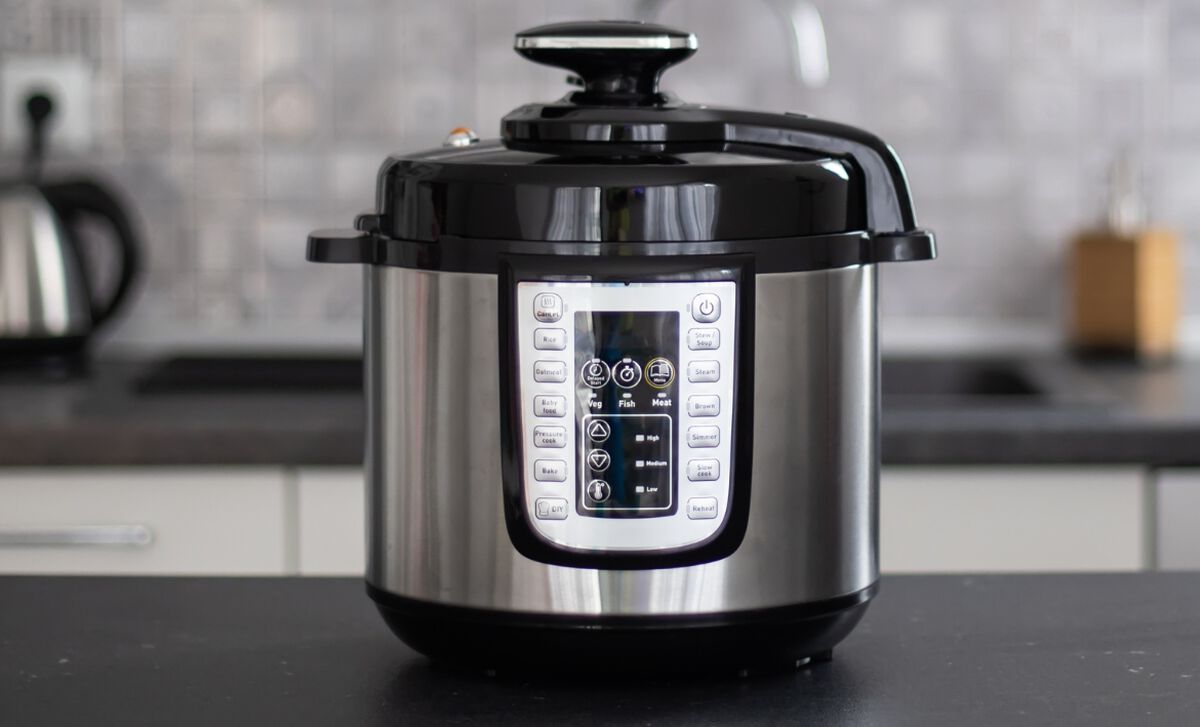
Pressure cookers use steam and high pressure to cook food much faster than traditional methods. By sealing the pot, pressure builds up, raising the boiling point of water and allowing food to cook at higher temperatures. Modern electric pressure cookers, like the Instant Pot, make this process easy and safe.
What Is A Crockpot (slow Cooker)?
A crockpot is a countertop appliance that cooks food slowly over several hours at low temperatures. It uses gentle, moist heat to break down tough cuts of meat and blend flavors. The slow cooker is famous for “set it and forget it” meals.
How Cooking Methods Affect Food
Both methods make life easier, but they use heat in different ways. Pressure cookers force heat and moisture into food quickly, while crockpots take their time. The way heat and moisture interact with ingredients changes taste, texture, and even aroma.
The Science Of Taste: How Cooking Changes Flavor
Cooking isn’t just about making food safe to eat. It also transforms flavors. Here’s how pressure cooking and slow cooking impact taste:
- Pressure cooking: High heat and pressure speed up chemical reactions. This means flavors develop fast, but sometimes, delicate aromas can be lost.
- Crockpot cooking: Long, slow heat lets flavors mix and deepen. Some ingredients taste sweeter, and meats become especially tender.
This difference in flavor development is key when deciding which method is best for a recipe.
Head-to-head: Taste Test Comparisons
Nothing explains the difference better than real-world examples. Let’s compare some classic dishes made both ways.
Beef Stew
- Pressure cooked: The meat is tender, and the broth is rich. Vegetables hold their shape. Some tasters say the flavors are bold but not as blended.
- Crockpot: The meat almost falls apart, and the flavors are deeply combined. Vegetables can become very soft, sometimes too mushy.
Chicken Curry
- Pressure cooked: Spices stay sharp, and the chicken is juicy. The sauce is thick but can taste more “separate” because the short cook time doesn’t fully blend the flavors.
- Crockpot: The sauce is smooth, and the flavors are mellow. Some spices, especially fresh herbs, can lose their bright taste after long cooking.
Chili
- Pressure cooked: Beans are soft, and the chili is ready in under an hour. Some say the chili tastes “fresh” and spicy.
- Crockpot: Flavors are rounder and slightly sweeter, with a deeper, unified taste.
Here’s a simple table comparing the two:
| Dish | Pressure Cooker Taste | Crockpot Taste |
|---|---|---|
| Beef Stew | Bold, tender, distinct flavors | Deep, blended, very tender |
| Chicken Curry | Spicy, juicy, thick sauce | Mellow, smooth, less sharp |
| Chili | Fresh, spicy, quick-cooked | Sweet, rounded, unified |
Texture And Aroma: More Than Just Taste
Taste is not the only thing that changes. Texture and aroma play a big role in how we enjoy food.
- Pressure cookers keep vegetables firmer and meats juicy, but sometimes the fast cooking doesn’t break down all the connective tissue in tough cuts.
- Crockpots create a softer texture. Meats can become “stringy” or fall apart, and vegetables can get mushy if cooked too long.
Aromas also differ. Pressure cookers trap most of the steam, so the kitchen might not fill with the smell of cooking food. Slow cookers release gentle, mouth-watering smells for hours.
Here’s a quick look at texture and aroma:
| Aspect | Pressure Cooker | Crockpot |
|---|---|---|
| Meat Texture | Juicy, firm | Very tender, sometimes stringy |
| Vegetables | Hold shape | Can get mushy |
| Aroma | Less in kitchen | Fills home |
Why Some People Prefer One Method Over The Other
Everyone’s taste is different. Some people love the strong, separate flavors from pressure cooking. Others want the blended, homey taste of slow-cooked food. Here are some reasons behind these preferences:
- Time: If you need dinner fast, pressure cooking wins. If you want to set your meal in the morning and come home to a finished dish, crockpots are perfect.
- Flavor profile: Do you like strong, clear flavors? Try pressure cooking. If you prefer all the flavors to blend together, choose the slow cooker.
- Texture needs: For firmer veggies and juicy meats, pressure cook. For softer textures, go slow.
- Aroma: Some people love the smell of a slow cooker working all day. Pressure cookers don’t fill your home with as much aroma.
You might find this helpful: Best Pressure Cookers for Beginners
Non-obvious Insights Most Beginners Miss
Most guides stop at flavor and texture, but there’s more to the story. Here are two important insights:
- Ingredient order matters more in a pressure cooker. For example, adding fresh herbs or dairy at the start can lead to dull flavors or curdling. Add these at the end for the best taste. In slow cookers, herbs and dairy can handle longer cooking, but herbs will still lose their freshness.
- Some foods do not do well in both. Fish and delicate vegetables can overcook in both methods if not watched closely. For best results, add these near the end of cooking time.
Nutritional Differences And Health Considerations
Taste Isn’t Everything. How Does Each Method Affect Nutrition?
- Pressure cooking preserves more vitamins because of the short cooking time. For example, vitamin C and B vitamins are heat-sensitive and break down less when cooked quickly.
- Crockpot cooking can lead to more loss of certain nutrients, especially if food is cooked for many hours.
However, both methods keep most nutrients in the dish since the cooking water stays in the pot and is often eaten as part of the meal.
Practical Tips For Maximizing Flavor
Whether you use a pressure cooker or a crockpot, these tips help you get the best taste:
- Brown meats first: Searing meat in a pan before adding to either cooker boosts flavor through the Maillard reaction, which creates tasty, browned bits.
- Layer ingredients wisely: In crockpots, put root vegetables on the bottom and meats on top. In pressure cookers, cut vegetables in larger pieces to avoid mushiness.
- Season well: Both methods can dull flavors. Taste and adjust salt, acid (like lemon juice), and spices at the end of cooking.
- Release pressure naturally for stews: Quick pressure release can make meats tough. Letting the pressure come down slowly keeps them tender.
Which Method Is Right For You?
There’s no one-size-fits-all answer. Here’s a quick table to help decide based on your needs:
| What Matters Most | Best Method |
|---|---|
| Speed | Pressure Cooker |
| Deep, blended flavors | Crockpot |
| Firm vegetables | Pressure Cooker |
| Aromatic kitchen | Crockpot |
| Preserving nutrients | Pressure Cooker |
What The Experts And Studies Say
Culinary experts often note that pressure cookers are great for getting dinner on the table fast without much loss of flavor. Food scientists point out that the high pressure can help with nutrient preservation, but may not allow for the same depth of flavor as slow cooking.
A 2016 study published in the *Journal of Food Science* found that pressure-cooked stews had higher vitamin retention but slightly less “flavor complexity” compared to slow-cooked versions. However, taste tests show that most people can’t always tell the difference unless they eat both side-by-side.
If you want to read more about the science behind cooking methods, check this Wikipedia article on pressure cooking.
:max_bytes(150000):strip_icc()/sea-pressure-cookers-primary-nsimpson-59-6a0c8fce33fc41cf9cc55710bca76c4a.jpeg)
Credit: www.seriouseats.com
Frequently Asked Questions
Can You Really Taste The Difference Between Pressure Cooked And Crockpot Food?
Yes, especially with dishes like stews or chilis. Pressure-cooked food often has stronger, clearer flavors and firmer textures, while crockpot food tastes more blended and is usually softer. However, the difference is sometimes subtle and depends on the recipe and your taste preferences.
Which Method Is Healthier—pressure Cooker Or Crockpot?
Both are healthy cooking methods, but pressure cookers tend to preserve more heat-sensitive nutrients because of the shorter cooking time. Slow cookers can lose more vitamins if food is cooked for many hours, but since all the juices stay in the pot, most nutrients end up in your meal.
What Foods Taste Best In A Pressure Cooker?
Tough cuts of meat, beans, lentil soups, and rice dishes do well in a pressure cooker. The method is also great for quick curries, stews, and broths. Avoid delicate fish or leafy greens unless you add them at the end.
What Foods Taste Best In A Crockpot?
Classic slow-cooked meals like pot roast, pulled pork, chili, and casseroles shine in a crockpot. The slow, gentle heat is perfect for recipes where you want deep, blended flavors and very tender meat.
Can You Substitute One Method For The Other In Recipes?
Often yes, but you need to adjust cooking times. Crockpot recipes need much less time in a pressure cooker (usually about 1/4 to 1/3 the time). Watch out for texture changes—vegetables can get mushy in a slow cooker if you use pressure cooker instructions, and vice versa.
Final Thoughts
If you’re asking whether you can taste the difference between pressure cooked and crockpot meals, the answer is usually yes—but it depends on the dish, your palate, and how you like your food. Pressure cooking is fast, convenient, and preserves nutrients, while crockpots offer unmatched deep, mellow flavors. Try both methods with your favorite recipes and see which you prefer. The best kitchen tool is the one that fits your schedule, your taste, and your lifestyle.
Credit: www.dartagnan.com