If you have luxury vinyl plank (LVP) floors, you probably want them to stay beautiful and last for years. LVP flooring is popular because it’s tough, looks like real wood, and is easy to clean. But when it comes to cleaning, many people wonder: Can you use a steam mop on LVP floors? This question matters because using the wrong cleaning method can damage your floors.
In this article, you’ll learn what experts recommend, the risks, safer cleaning choices, and how to care for your LVP floors the right way.
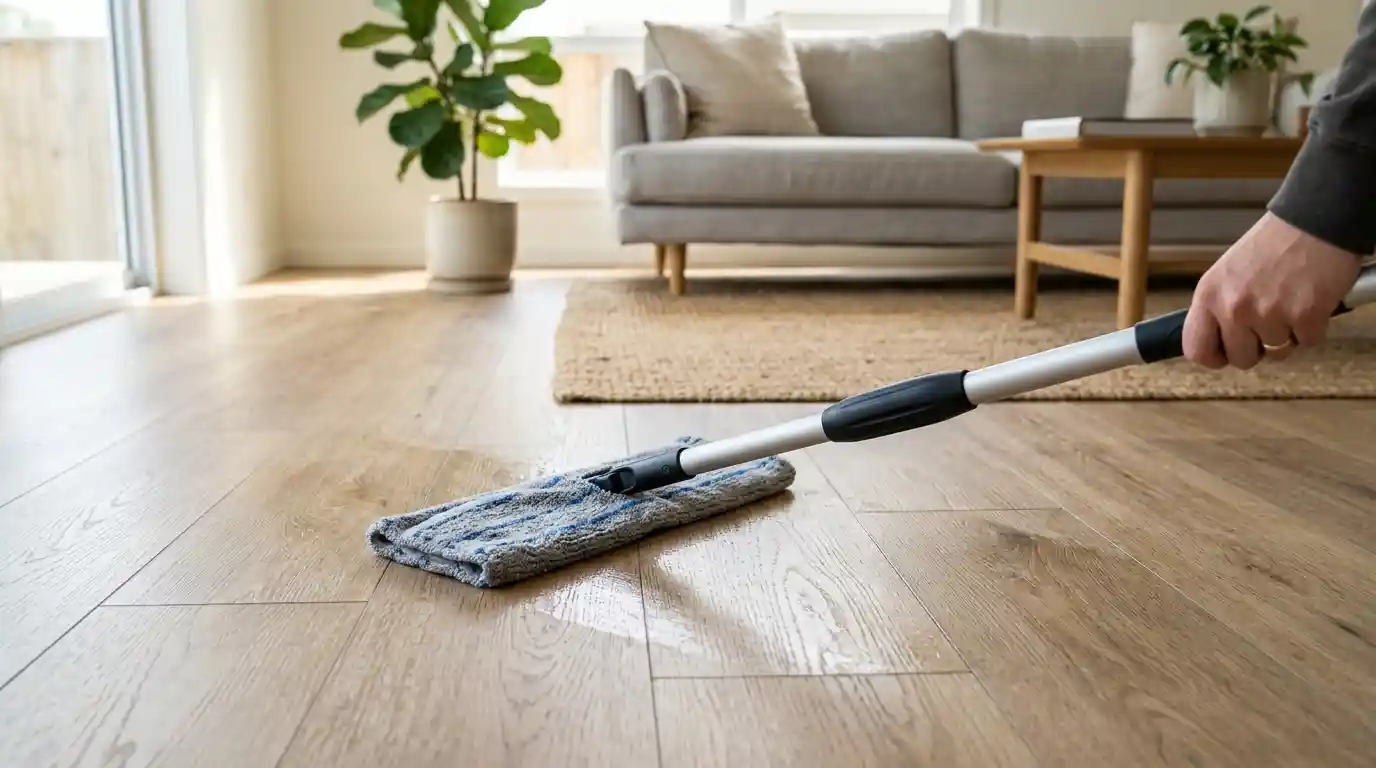
What Is LVP Flooring?
Luxury vinyl plank is a type of flooring made from multiple layers of vinyl and strong backing. It’s designed to look like hardwood but is more affordable and water-resistant. LVP is a favorite in kitchens, bathrooms, and living rooms because it can handle spills and heavy traffic. Most LVP floors have a protective wear layer that resists scratches and stains.
LVP comes in many styles and colors. Some brands are thicker, some are thinner, and the quality of the wear layer can vary. Understanding the makeup of your floor is important before choosing any cleaning tool.
How Steam Mops Work
A steam mop uses hot steam from water to loosen dirt and kill germs. The mop head has a cloth pad, and steam is pushed through it. People like steam mops because they clean without chemicals and can remove tough stains. The steam can reach temperatures of 200°F (93°C) or more.
Steam mops are often used on tile, sealed hardwood, and linoleum. They promise deep cleaning and quick drying. But not all floors can handle this heat and moisture.
| Cleaning Method | Heat Used | Moisture Level | Suitable for LVP? |
|---|---|---|---|
| Steam Mop | High (200°F+) | High | No |
| Wet Mop | None | Medium | Limited |
| Dry Mop | None | Low | Yes |
| Microfiber Mop | None | Low | Yes |
Manufacturer Guidelines For Lvp Floors
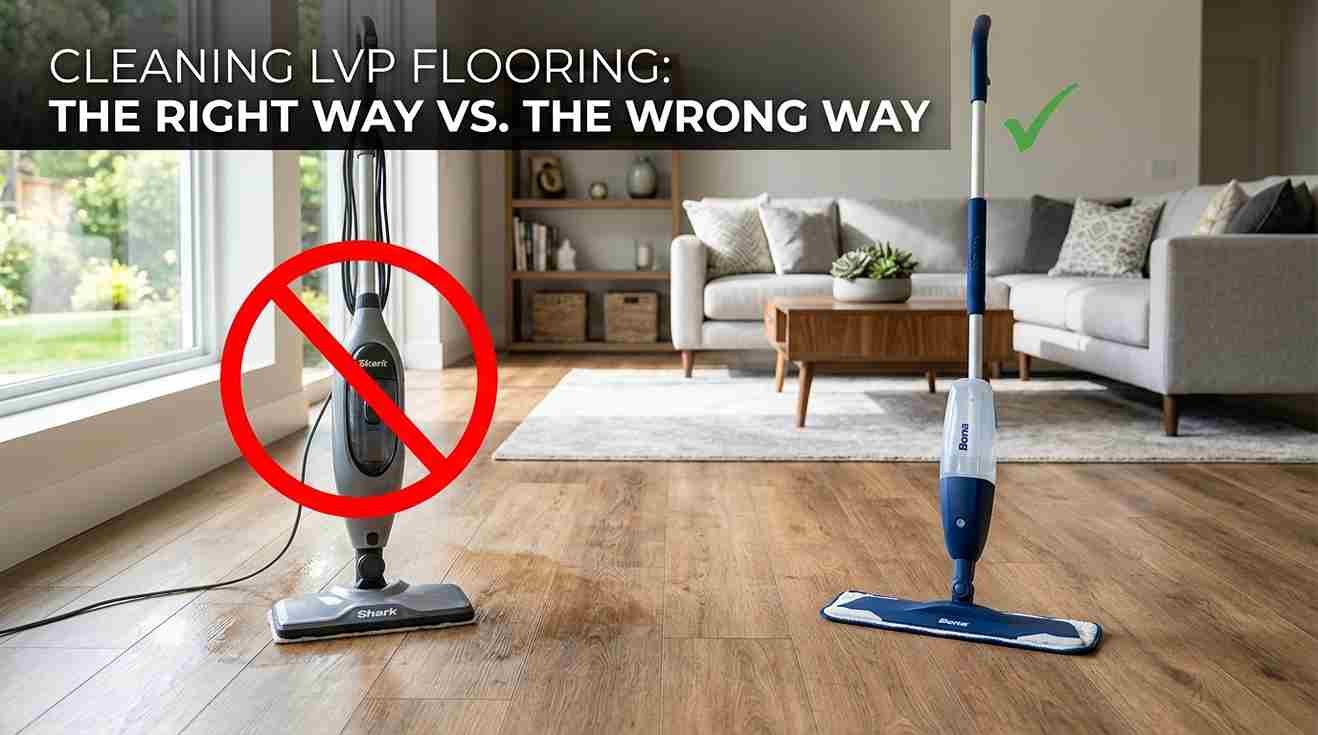
Most LVP manufacturers are clear about steam mops: they say “don’t use them.” For example, Shaw Floors and Armstrong both warn against steam cleaning. The main reason is the heat and moisture.
LVP flooring is made from layers glued together. If steam gets between these layers, it can cause warping, swelling, or separation. Even if your LVP is labeled “water-resistant,” it’s not made to handle direct steam. Some warranties may be voided if you use a steam mop, so always check the care instructions.
One non-obvious insight is that some brands have different care requirements. While most say no steam, a few newer products claim to be steam-safe—but these are rare and always require a specific steam mop type and temperature setting.
Risks Of Using A Steam Mop On Lvp Floors
Using a steam mop on LVP floors can lead to several problems:
- Warping: The intense heat can bend or twist the vinyl planks.
- Separation: Moisture can get into seams, causing planks to pull apart.
- Finish Damage: The wear layer can peel or get cloudy.
- Mold Growth: Steam can seep under the planks, leading to mold.
- Voided Warranty: Most LVP warranties do not cover steam mop damage.
A common mistake is thinking that water-resistant or waterproof LVP is safe from steam. Actually, steam is much hotter and can penetrate deeper than simple spills. Even if you don’t see damage right away, repeated use can cause problems over time.
| Potential Problem | Visible Signs | Long-Term Effects |
|---|---|---|
| Warping | Curved or uneven planks | Permanent shape change |
| Separation | Gaps between planks | Loose flooring |
| Finish Damage | Cloudy or dull surface | Loss of stain and scratch resistance |
| Mold Growth | Musty smell, discoloration | Health risks, expensive repairs |
Safe Ways To Clean Lvp Floors
If you want your LVP floors to stay beautiful, use cleaning methods that don’t risk damage. Here are safer options:
Dry Dusting
Use a microfiber mop or soft broom daily. This removes dust and grit that can scratch the surface.
Damp Mopping
A damp mop with warm water works well. Wring out the mop so it’s just slightly wet—not dripping. Clean small sections and dry them with a towel.
Cleaning Solutions
Use cleaners made for vinyl floors. Avoid harsh chemicals, bleach, or ammonia. Look for pH-neutral products.
Spot Cleaning
For sticky spots, use a soft cloth with a little vinyl-safe cleaner. Avoid scrubbing with rough pads.
Vacuuming
A vacuum without a beater bar can help with crumbs and pet hair. Make sure the wheels are clean to avoid scratches.
A practical tip: Always clean up spills quickly to prevent stains. Another insight many miss is that using too much water—even with a mop—can cause problems if it seeps between planks.
Tips For Maintaining LVP Floors
Keeping LVP floors looking new is easier with a few smart habits:
- Use door mats at entrances to trap dirt and moisture.
- Sweep regularly to prevent grit buildup.
- Lift furniture, don’t drag it, to avoid scratches.
- Use felt pads under furniture legs.
- Keep pet nails trimmed to prevent scratches.
- Avoid wax or polish unless recommended by your manufacturer.
If you have heavy furniture or appliances, place protective pads underneath. This prevents dents and keeps the floor stable.
Comparing Steam Mop Brands And Features
Some steam mop brands claim to be gentle enough for LVP floors. Let’s compare a few popular models:
| Steam Mop | Lowest Steam Setting | Manufacturer’s Claim | Suitable for LVP? |
|---|---|---|---|
| Bissell PowerFresh | Variable (low-medium-high) | Safe for sealed floors | No |
| Shark S3501 | Low | Safe for sealed hardwood | No |
| O-Cedar Microfiber Steam Mop | Low | Safe for tile, hardwood | No |
Even with low steam settings, these mops are not recommended for LVP unless your manufacturer specifically says it’s okay. Most claims about “sealed floors” refer to hardwood, not vinyl plank.
You might find this helpful: Best Mops for LVP Flooring
What If You Already Used A Steam Mop?
If you’ve used a steam mop on your LVP floor, check for these signs:
- Gaps or warping between planks
- Cloudy or peeling surface
- Musty smells (possible mold)
If you notice any of these, stop using the steam mop. For minor issues, let the floor dry completely and monitor for changes. For major damage, contact your flooring installer or manufacturer for advice.

Credit: www.youtube.com
Real-life Examples And Data
A study by the North American Laminate Flooring Association found that steam cleaning is the top cause of early damage to vinyl and laminate floors. Over 60% of repairs were needed because of excess moisture and heat.
Many homeowners have shared stories online about LVP floors swelling or peeling after just a few months of steam mop use. In most cases, the warranty was voided, and repairs were costly.
One non-obvious insight: Even “waterproof” LVP is only meant to handle surface spills, not steam that penetrates seams and joints.
Expert Recommendations
Flooring experts agree: Do not use a steam mop on LVP floors. Most professional cleaners use a damp microfiber mop and vinyl-safe solutions. They also recommend regular sweeping and avoiding too much water.
If you want to sanitize your LVP floor, use a disinfectant spray made for vinyl. Let it sit for a few minutes, then wipe clean. This method kills germs without risking damage.
For more in-depth guidance, you can check out this Armstrong Flooring cleaning guide.

Credit: dougscarpet.com
Frequently Asked Questions
Can I Use A Steam Mop On Lvp Floors If I Keep It On The Lowest Setting?
No. Even on the lowest setting, steam mops produce heat and moisture that can damage LVP floors. It’s safer to use a damp mop or microfiber mop.
What Is The Best Mop For Lvp Floors?
A microfiber mop is best. It picks up dust and dirt without scratching the surface. For deeper cleaning, use a damp mop with vinyl-safe cleaner.
Will Using A Steam Mop Void My Lvp Floor Warranty?
Yes, in most cases. Manufacturers often state that steam cleaning is not covered by warranty. Always check your warranty details before using any new cleaning method.
How Can I Sanitize Lvp Floors Without A Steam Mop?
Use a vinyl-safe disinfectant spray. Spray the floor, let it sit, then wipe with a damp cloth. This kills germs and keeps your floor safe.
What Should I Do If My Lvp Floor Gets Damaged By A Steam Mop?
Stop using the steam mop right away. Check for signs of warping, separation, or finish damage. Contact your flooring installer or manufacturer for advice on repairs.
LVP floors are a smart investment, but only if you clean and care for them correctly. While steam mops are great for other surfaces, they are not safe for LVP. Stick with gentle cleaning methods, use the right products, and your floor will stay beautiful for years. Always check your manufacturer’s guidelines, and remember: protecting your investment means making smart cleaning choices.